
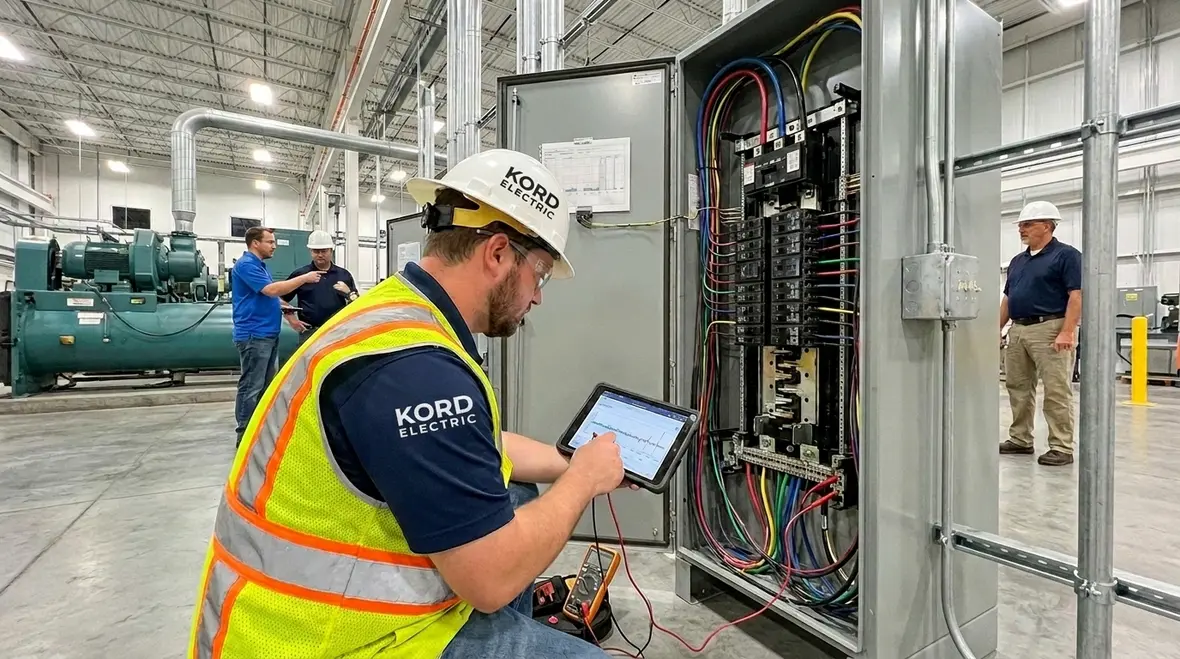
Electrical Load Balancing for Industrial Power Systems
Kord Electric helps industrial facilities maintain stable power by using electrical load balancing strategies that reduce overload risk, smooth out demand spikes, and protect sensitive equipment. We also support smarter planning, so facility teams avoid surprise shutdowns and costly downtime. At the same time, our clients get clear reporting and practical next steps from our technicians and expert service staff. Because when power behaves, everything else behaves too. And if you have ever watched a motor stall at the exact wrong moment, you already understand why we take this seriously.
What electrical load balancing looks like in an industrial power system
Industrial sites rarely have a “steady” electrical load. Machines cycle, HVAC systems kick on, welders pull heavy current, and production schedules change by the hour. As a result, the three phases in a panel can drift out of balance. When one phase runs hotter, it ages faster, and breakers trip sooner. Additionally, neutral currents can rise if non linear loads are present. Then, voltage drops and equipment performance can suffer.
To address this, our team maps the facility’s demand patterns at the panel and feeder level. Next, we identify where load drift happens during real operating windows, not during quiet test hours. Then we select a plan that shifts circuits in a safe, code compliant way. In short, we optimize how power flows so the facility gets the electrical load balancing benefits that matter in day to day operations: steady voltage, lower stress on components, and improved system reliability.
Our technicians explain the process in plain language. They do not hide behind jargon, and they do not treat your staff like they are “just” the ones who flip switches. In fact, we often start by walking engineers, maintenance leads, and operations managers through what the data means and how the proposed changes will affect production.
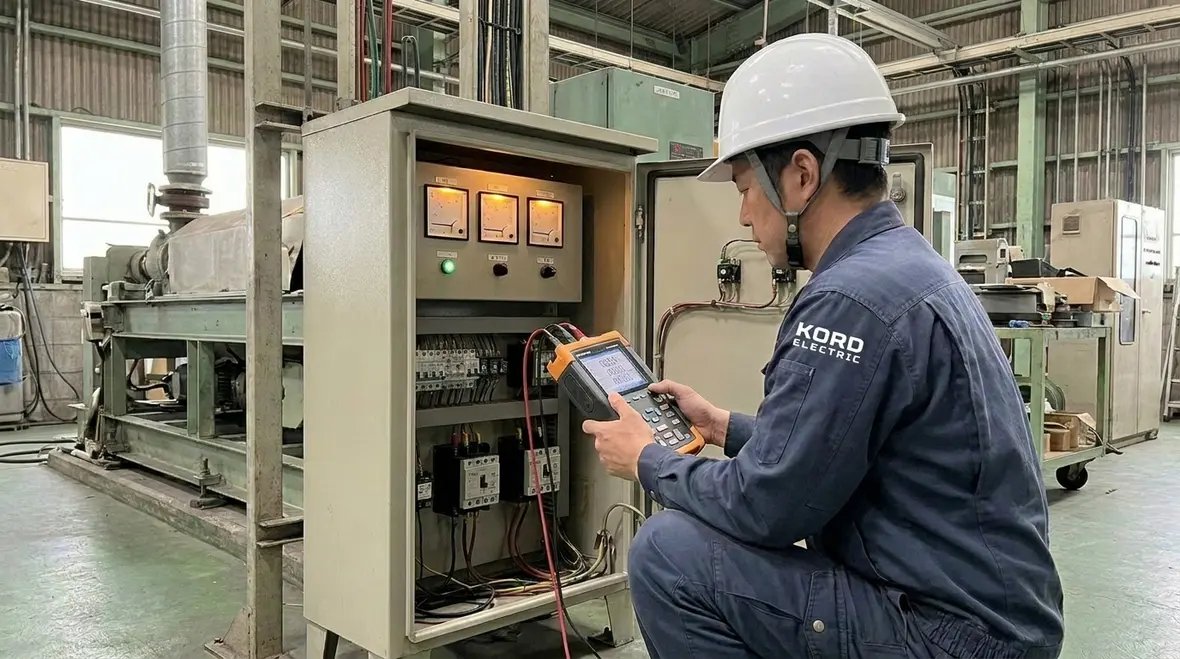
How we measure imbalance before we touch anything
Most problems do not start with a dramatic failure. Instead, they begin as gradual trends: one phase carrying more load, harmonics creeping upward, and protective devices acting more often than they should. That is why we begin with measurement. Our approach typically includes load monitoring, panel level checks, and review of branch circuit usage history.
Then we correlate electrical data with your operating schedule. For example, we compare peaks from production shifts, cleaning cycles, compressor starts, and seasonal HVAC changes. As a result, the plan targets the moments when imbalance actually harms performance.
Our expert service staff also validates assumptions. We verify that metering and nameplate data align, and we confirm which circuits truly move load. This step helps avoid the classic mistake: balancing a panel based on labels that no longer match reality. Labels fade, circuits get reassigned, and “someone swore it was right” becomes a maintenance legend.
Only after that do we develop a wiring and control strategy that fits your facility layout, power distribution architecture, and safety needs.
Data-first diagnostics for real-world operating conditions
Because industrial demand never stays perfectly flat, our monitoring windows cover typical days, peak production, and unusual scenarios such as maintenance outages or seasonal load changes. That way, the electrical load balancing benefits we design for do not disappear the moment your process ramps up, shifts change, or new equipment comes online.
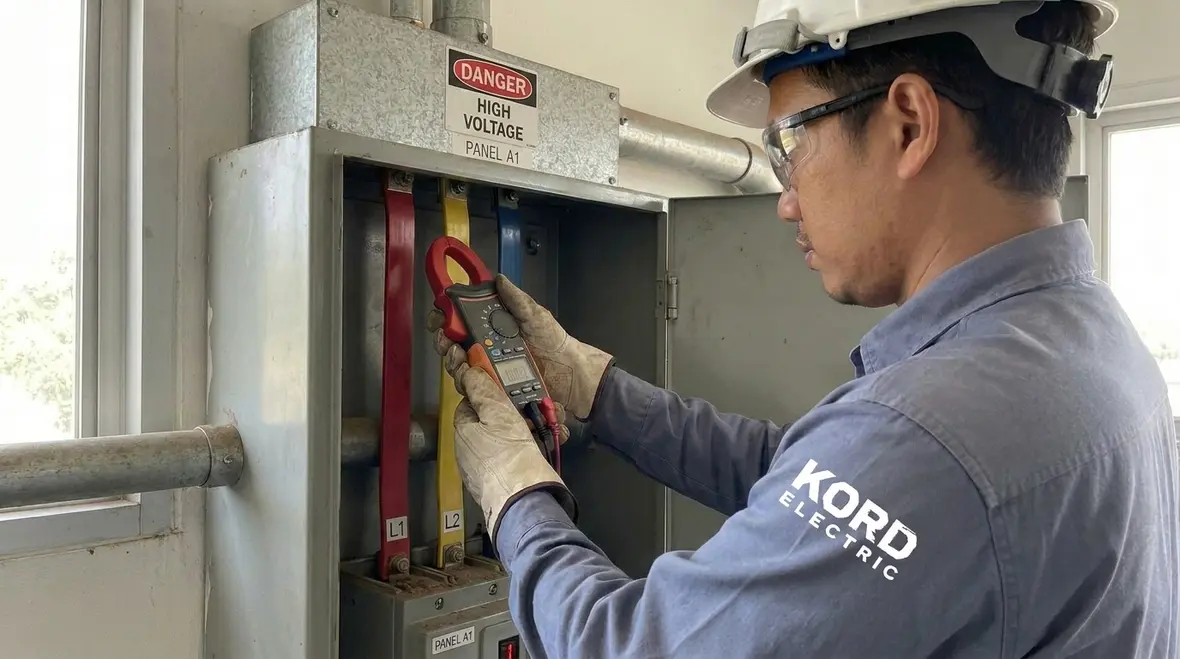
Industrial load shifting strategies that hold up under real demand
Once we understand the load behavior, we implement load shifting strategies that keep working even when the factory runs at full speed. There are several ways to do this, and we select the right method for your electrical design and risk level.
- Phase reassignment of branch circuits: We move circuits between phases to reduce imbalance while keeping critical loads predictable.
- Feeder distribution improvements: If your design allows, we balance at the feeder and subpanel level so one area does not carry the burden.
- Load scheduling support: For some systems, we coordinate start sequences for large motors, compressors, or process equipment to smooth demand peaks.
- Harmonic and power quality considerations: We watch for non linear loads that can distort current and make “simple” balancing less effective.
More than equal amps on paper
At this point, we remind our clients of a key point: electrical load balancing is not only about equal amps on paper. It is about keeping voltage within acceptable limits, reducing heat in conductors, and keeping protective devices calm. Additionally, it is about aligning your electrical system with how your facility actually operates, not how it operated during the original installation.
And yes, sometimes the best solution involves more than moving wires. Sometimes it means adjusting how equipment is started, staged, or controlled so the system stays balanced during surges. That is the difference between a quick fix and an improvement that lasts.

Why phase balancing matters for reliability and safety
When phases are out of balance, the consequences show up in places that teams do not always connect to load distribution. For example, overheated panels and busbars can shorten equipment life. Then insulation ages faster. Breakers may trip during peak demand, even though your total kW looks “reasonable.” Also, sensitive equipment like variable frequency drives, PLCs, and lab systems can experience performance dips due to voltage sag.
From a safety standpoint, balanced loads reduce uneven thermal stress and support safer conductor operation. Furthermore, stable power helps you avoid emergency troubleshooting that steals time from production. Nobody wants the “electrical incident of the week” meeting, where everyone stands around a panel like it is a mystery novel they cannot put down.
Turning theoretical gains into everyday results
As part of our service, our technicians also check how load changes affect your protective coordination. They confirm that circuit protection, grounding, and labeling stay accurate after adjustments. In other words, the electrical load balancing benefits you want are not just theoretical. They show up as fewer nuisance trips, steadier operation, and stronger long term performance.
Smart power planning for major properties, including EV charging
Commercial and industrial facilities, along with major property buildings, face unique power planning pressure. You may add new tenants, upgrade HVAC, expand manufacturing, or install high draw equipment. For those sites, load planning must anticipate future demand, not just handle today’s peak.
At Kord Electric, we also consider how vehicle charging adds load. If an installation is done without planning, chargers can compete with other equipment, leading to demand spikes and phase imbalance. To solve this, we support EV charger installation with the same careful mindset we use in industrial load balancing: measurement, sizing, and coordinated distribution.
For instance, our EV charger installation approach at Kord Electric involves planning the charger location, evaluating available power, and implementing an approach that fits the facility’s electrical capacity. Our technicians review panel space, feeder constraints, and how charging behavior impacts overall demand. Then, they set up systems so charging can run without triggering unnecessary electrical stress.
Treating EV charging as part of the electrical story
In a facility setting, EV charging often becomes a new “always on” load that interacts with shift schedules, parking patterns, and seasonal usage. Therefore, we treat charging as part of the facility’s electrical story, not an afterthought. That is how we help property owners protect service life and control operating costs, while keeping expansion options open.
Implementation process our teams use for commercial and industrial sites
Clients do not need to guess what will happen after the first site walk. Our team follows a clear path, and our expert service staff explains each step. First, we gather data and confirm the current distribution. Next, we propose changes that match safety rules, code requirements, and operational needs. Then, we schedule work around production so the facility stays running.
After the electrical work is complete, we test and verify performance. We also check that labeling, documentation, and panel configuration match the reality in the field. Then we train the right people on what to monitor going forward.
Additionally, we provide guidance on future additions. As new equipment arrives or tenant loads change, we help clients keep the system balanced using repeatable methods. This reduces the chance that a later project undoes earlier improvements.
Thinking about power like a busy highway
To keep things practical, we often show clients a simple way to think about it. If power is a busy highway, electrical load balancing benefits are the traffic signals. They do not create new roads, but they stop chaos at the intersections and help everything move smoothly.
Related services that support long term power stability
Effective load balancing works even better when it is paired with broader reliability planning. Many facilities combine this work with structured electrical preventive maintenance to keep panels, switchgear, and protective devices in good condition over time. Others focus on eliminating power quality problems like voltage swings, using services such as Kord Electric’s support for voltage fluctuation correction to stabilize upstream conditions before balancing loads downstream.
If your site is planning infrastructure upgrades, targeted projects such as lighting installation services or additional EV charger installation can be integrated into the same planning window as your load balancing work. That way, every new circuit, panel change, or added load is evaluated through the same lens: how it affects system balance, safety margins, and future capacity for growth.
FAQ
Get steadier power with Kord Electric
If your industrial facility or major property building sees phase drift, nuisance trips, or equipment stress, do not wait for a shutdown to teach the lesson. Kord Electric measures, plans, and installs the changes that deliver electrical load balancing benefits your team can feel in day to day operations. Our technicians and expert service staff explain everything, coordinate work around production, and verify performance after installation. Whether you need targeted corrections, broader electrical preventive maintenance, or new infrastructure like EV charger installation, we help you build a power system that runs like it means it.
To move from recurring electrical headaches to a stable, well-documented system, partner with a team that treats load balancing as part of a complete power strategy. Kord Electric supports commercial and industrial sites across Southern California with data-driven assessments, clear reporting, and implementation plans built around your schedule, safety standards, and long term growth.


