Electrical Panel Capacity Assessment for Small Business
Signs You Need a Panel Upgrade: Start With Electrical Panel Capacity Assessment for Small Business
At Kord Electric, we focus on commercial and industrial facilities and major property buildings, because those spaces carry real loads and real expectations. So when a site feels “fine” until it suddenly is not, we often see the same root problem hiding in plain sight: the electrical panel cannot handle today’s demand. That is why an Electrical panel capacity assessment for small business helps teams make decisions before breakers trip, voltage dips, and critical systems slow down.
Our technicians and expert service staff explain what they find in clear terms, not in a way that makes your team feel like they just walked into a complicated magic show. And yes, we keep it grounded. After all, nobody wants their building’s power to behave like a pop quiz.
How We Evaluate Business Electrical Load Without Guesswork
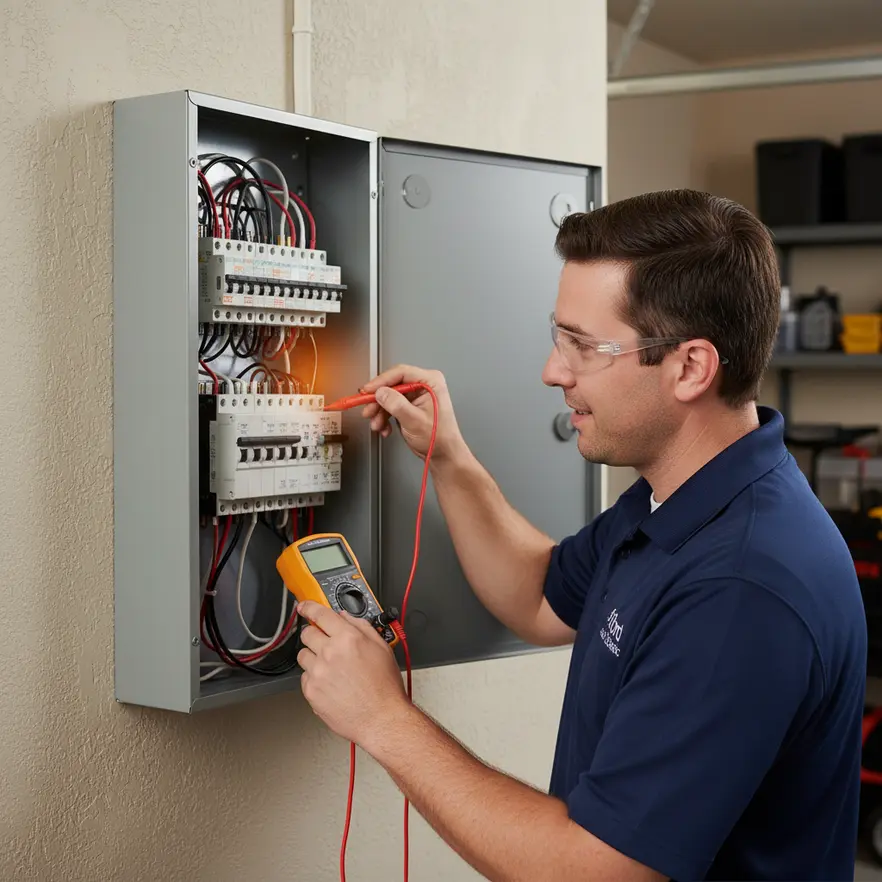
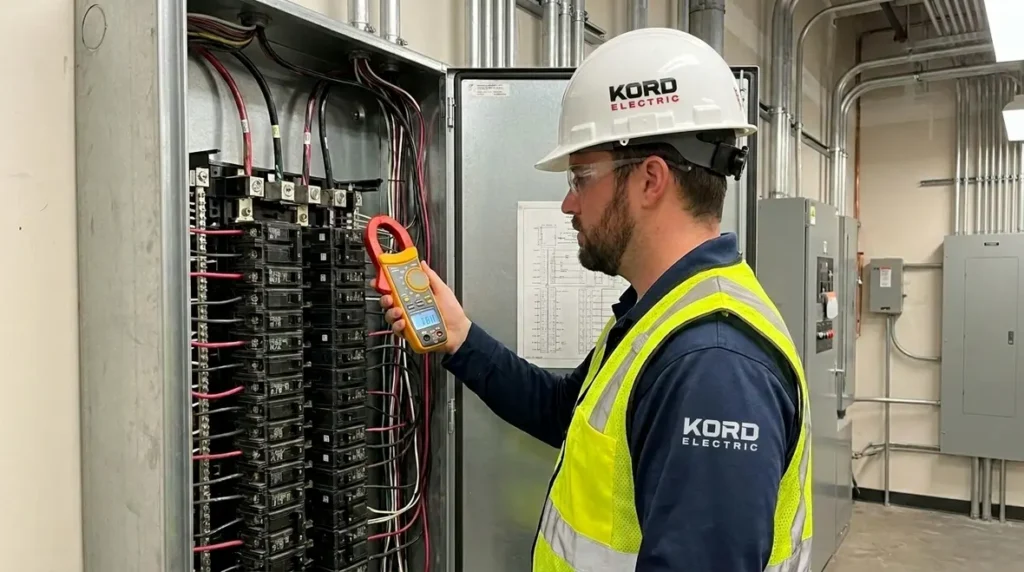
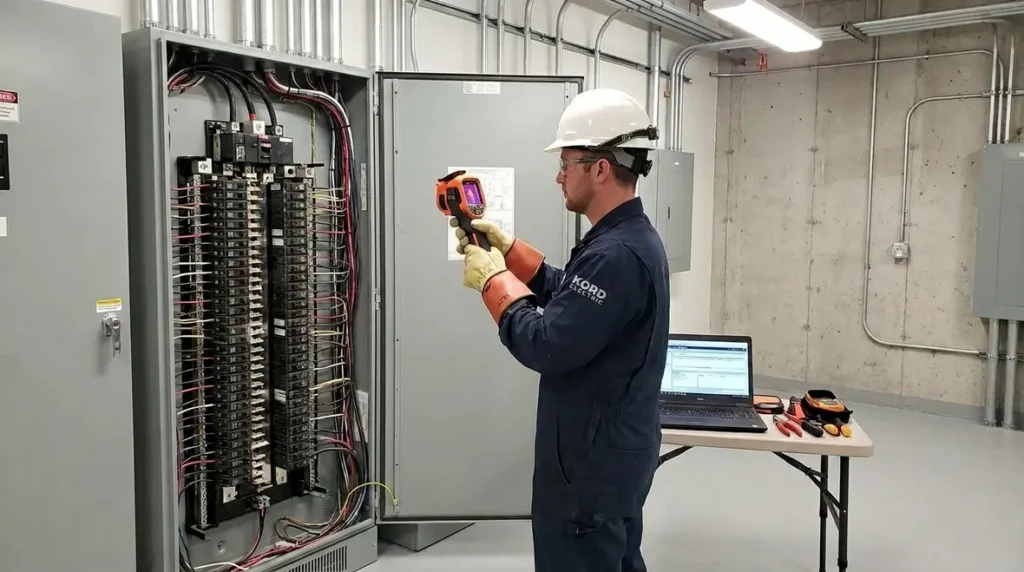
When others guess, they usually guess wrong. Therefore, we start with a careful view of how your facility uses power. We gather information on connected equipment, operating schedules, and recent upgrades. Then we compare that data to what your electrical system can safely supply.
Next, our team looks at practical load patterns, not just nameplate ratings. For example, a building might have “typical” use during the day, but at night it could run HVAC, pumps, security systems, and process loads all at once. Even if your team believes the peak demand is rare, peaks often show up when it matters most, like when a vendor arrives early or a production line restarts.
We also examine your system history. If you have seen nuisance trips, overheated breakers, or repeated maintenance calls, those are clues. Additionally, if your facility added machinery, charging stations, or new tenant spaces, the original design assumptions may no longer match reality.
To keep everyone on the same page, our technicians explain each step, including why certain readings matter and how they connect to real performance. We do not hide behind jargon. We translate it.
If your capacity review reveals that panel health is only part of the story, pairing your assessment with a structured electrical preventive maintenance program helps your facility stay ahead of wear, heat, and hidden connection issues over the long term.
Breakers Tripping, Lights Dimming, and Other Clues That Demand Too Much
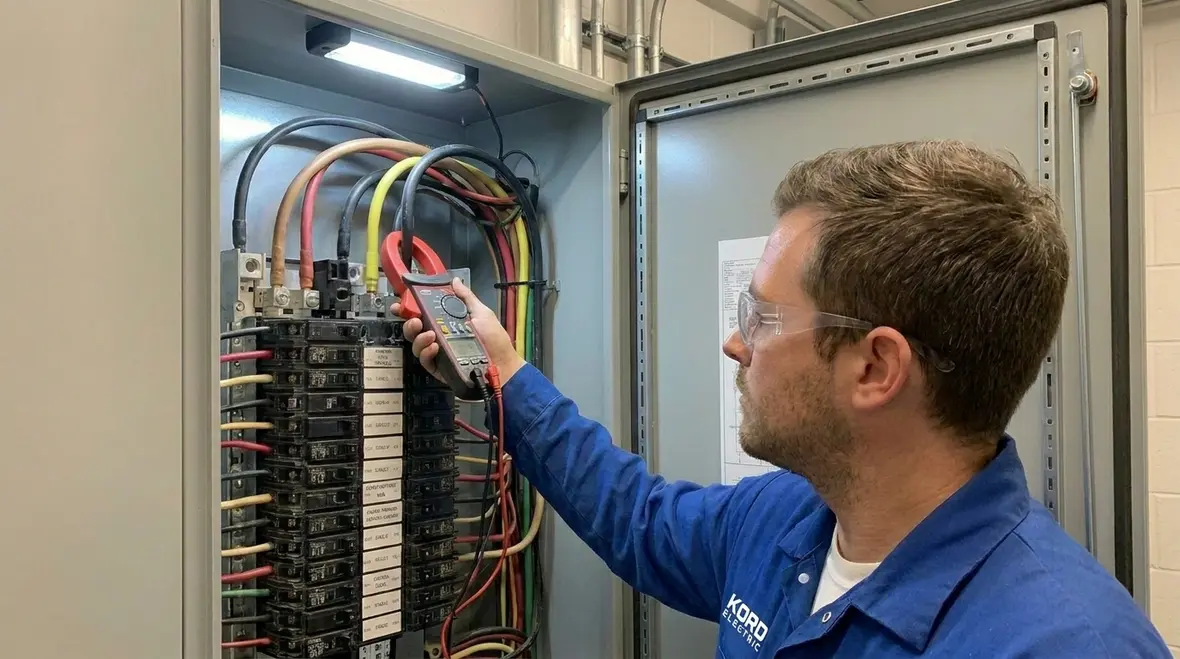
Some signs are obvious. Others are subtle, like the building “feeling tired” right before a failure. Because of that, we help our clients identify symptoms that often point to capacity limits.
Common operational clues include frequent breaker trips, warm or buzzing panels, dimming lights when large equipment starts, and repeating temperature complaints from maintenance teams. Sometimes you may also see inconsistent performance in motors, compressors, or controls. That pattern can happen when the system experiences voltage drop, especially during start-up surges.
We also watch for signs that people already worked around the problem. When staff changes schedules to avoid peaks, or they delay starting equipment, the electrical system is effectively running a “workaround plan” every day. That workaround might reduce stress, but it also hides the real risk.
Now, here is the part that sounds like a joke but is not funny in practice: if your electrical panel behaves like it is judging your business, it likely is. Overloaded components and aging connections can develop resistance, and resistance turns into heat. Heat turns into damage. We would rather stop the story before the punch line becomes a shutdown.
In facilities where flickering lights and unexplained shutdowns have already become a pattern, pairing your capacity assessment with a targeted voltage fluctuation review gives a clearer picture of how loading, aging infrastructure, and utility conditions are affecting everyday reliability.
Panel Rating, Feeder Size, and Busbar Health: What Matters Most
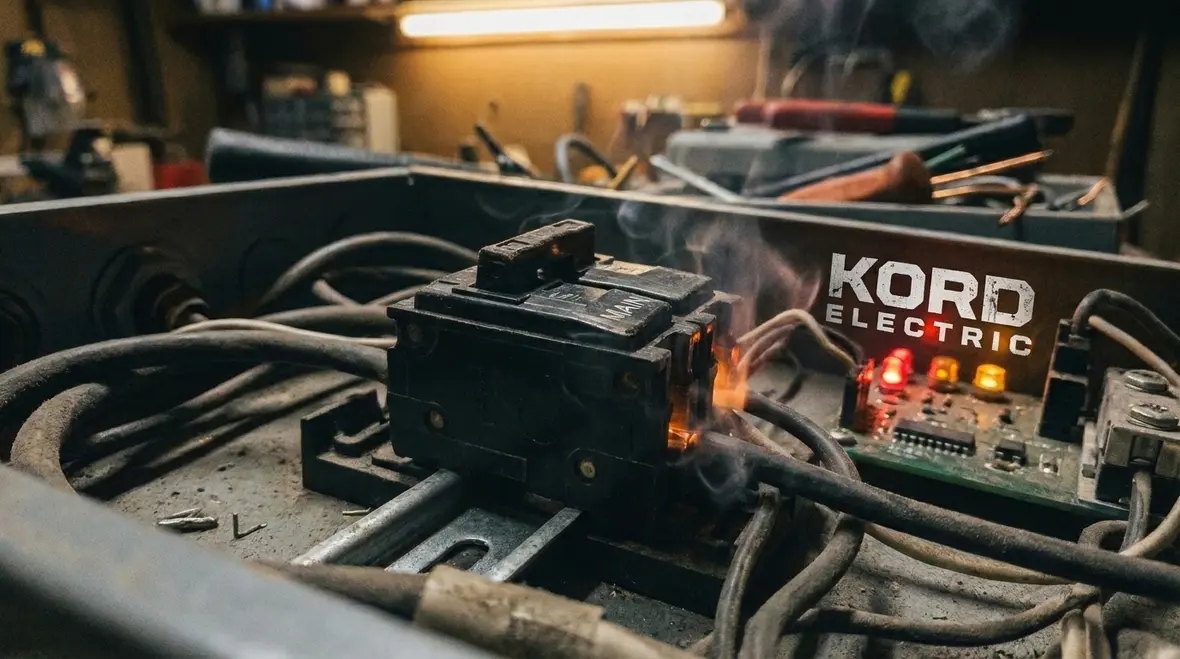
Electrical capacity does not live in one single number. It lives across the panel rating, the feeder size, and the condition of internal components. Therefore, a full electrical panel capacity assessment for small business considers what the equipment is rated for and what it can safely carry as it ages.
We examine the panelboard layout and confirm the available capacity across relevant circuits. Then we consider how much headroom exists for current loads, plus future growth. If your facility expects expansion, our team accounts for it. Otherwise, you might “solve” today only to face tomorrow’s bottleneck.
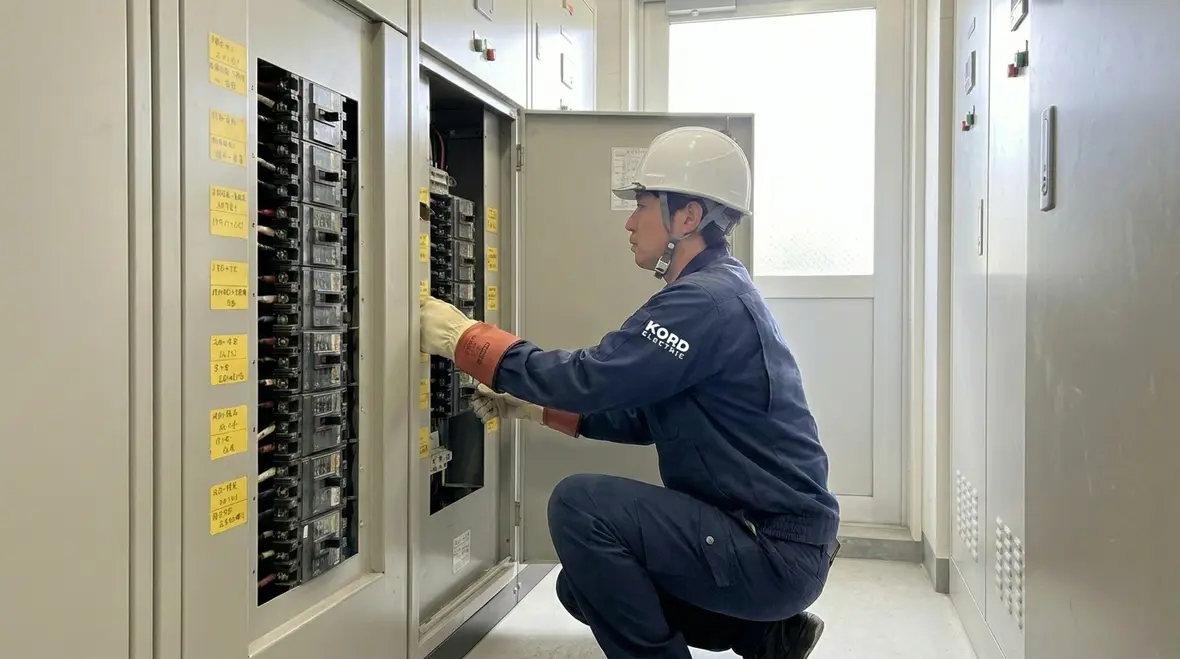
Next, we assess the integrity of busbars and terminations. Loose connections and corrosion create excess resistance. And because current flows through those points, heat becomes a predictable outcome. We also look at breaker conditions, label accuracy, and how the panel is actually used versus how it was planned.
In many commercial and industrial buildings, additions happened in stages. Tenants come and go. Equipment changes. Over time, the panel ends up carrying a mix of loads that the original team never fully modeled. We help you correct that gap with practical findings and clear recommendations.
If your panel review shows that wiring and distribution are nearing their limits, you can pair the findings with a deeper look at long term upgrades using resources like the rewiring cost guide for commercial electrical systems so budget planning and system improvements stay aligned.
Preventive Maintenance That Actually Prevents Problems
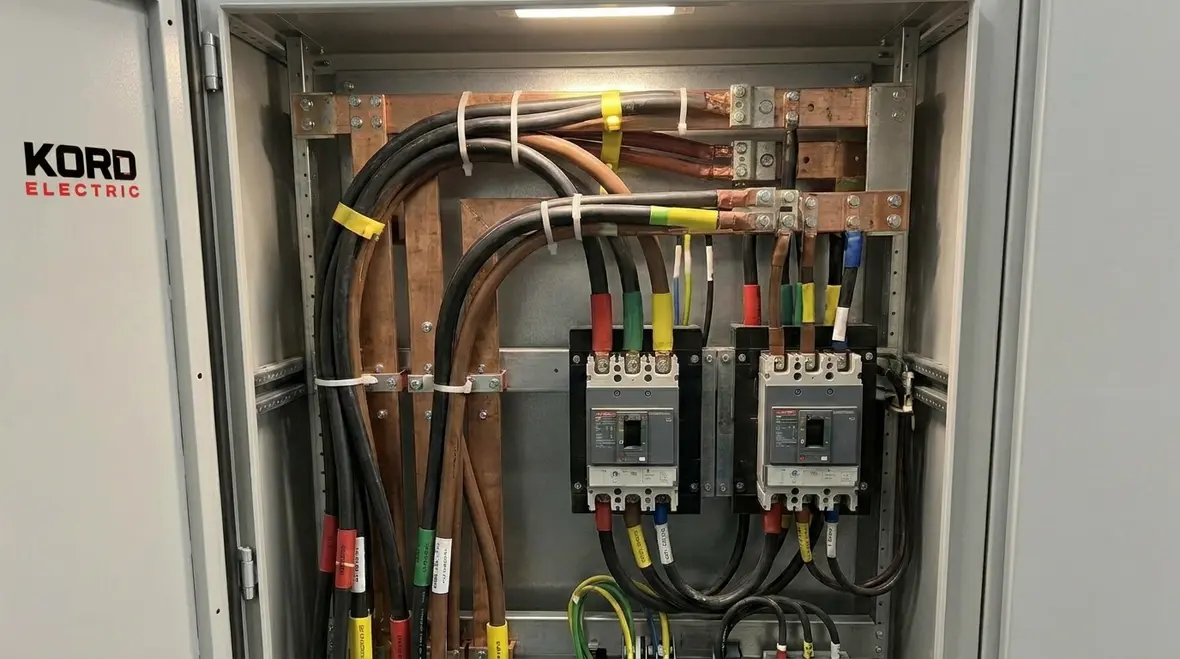
We do not treat electrical preventive maintenance like a checkbox. We treat it like a way to reduce risk, extend equipment life, and protect operations. If your facility keeps running, your business keeps earning. That simple. And still, many teams wait until the system complains. We prefer to listen earlier.
If your site needs an organized approach, our preventive maintenance process helps by focusing on the panel’s real condition and the details that cause failures. For example, we look at connections and signs of heat, we verify proper labeling and circuit organization, and we check for changes that could affect safe operation.
During our service visits, our technicians explain what they see and what it means for your facility. We also help you understand priorities. Some issues require immediate action. Others can be scheduled with less disruption. Either way, your team gets answers you can use.
And just to keep the mood light: electricity does not read your emails. It does not care about your timeline. That is why we build maintenance plans around real system behavior, not just good intentions.
For many small businesses operating inside larger campuses or major properties, the smartest move is to blend capacity assessments with an ongoing electrical preventive maintenance schedule so minor issues never have a chance to grow into full panel failures.
Assessing Capacity With Step Plans for Facilities and Major Buildings
After we gather details, we build a step plan that fits your building schedule and operational needs. Our approach is designed for commercial and industrial facilities, and it also works well for major property buildings where multiple systems and tenants add complexity.
First, we establish the current load baseline. Then we identify growth areas, including planned equipment upgrades, tenant improvements, new process equipment, and major changes in operating hours. Next, we map how the load reaches the panel through feeders and distribution paths. That step matters because capacity problems often appear at the panel, but they begin upstream.
Then we perform a risk check. We review which circuits support critical systems, which areas tend to experience peak demand, and which components show stress. After that, we propose options that match the level of urgency.
Depending on findings, we may recommend targeted upgrades, panel expansion, breaker adjustments, or other improvements to protect safe operation. We also help teams plan future growth so they do not repeat the cycle of emergency fixes. In short, we help you build a power plan that stays calm under pressure, even when the workload ramps up like a streaming show starting its final season.
When your roadmap includes major infrastructure changes like EV charging, we coordinate panel capacity, feeder sizing, and future demand with dedicated services such as commercial EV charger installation so new stations integrate smoothly with the rest of your electrical system.
What a Technician Should Explain During a Capacity Assessment
Our expert service staff aims to leave your team with a clear understanding, and we do it by focusing on the “why” behind each data point. We explain where capacity limits usually show up, how your current loads relate to that limit, and what changes increase risk over time.
During the visit, we typically cover the following, in plain language. Then we connect it to next steps.
- Which circuits currently carry the heaviest demand and when peak load occurs
- How panel rating, feeder capacity, and internal connections impact safe performance
- Which warning signs suggest heat stress or rising resistance
- How preventive maintenance reduces the odds of failure and keeps service calls predictable
- What upgrades make the most sense for your facility’s operations and budget timeline
Because when your team understands the system, they can make better decisions. And when decisions get better, downtime gets less likely.
FAQ for Commercial Electrical Capacity and Panel Upgrades
Ready for a Calm, Reliable Power Plan?
If your commercial or industrial facility shows early warning signs, do not wait for a failure that disrupts operations and eats your schedule. Kord Electric can evaluate your load, review your panel’s real condition, and guide you with clear next steps. Our technicians explain everything in business-friendly language, so your team knows what needs action and what can wait. Contact us today to schedule an assessment and build electrical capacity that stays steady as your business grows.
For facilities already seeing symptoms that could turn into outages, remember that a capacity assessment often pairs naturally with services like 24/7 emergency electrical support and structured electrical preventive maintenance, helping your team move from reactive fixes to a calm, reliable power strategy.
If you are planning major changes—expanding production, adding EV chargers, or reconfiguring tenant spaces—bringing Kord Electric in early lets you align infrastructure upgrades, panel capacity, and safety compliance before construction starts. The result is a power plan that quietly supports your business goals instead of arguing with them.