Electrical Panel Capacity Assessment Guide
Kord Electric helps commercial and industrial facilities stay powered safely and reliably. When load growth hits, we recommend an electrical panel capacity assessment to check whether the service equipment can handle what you plan to add, today and later. This matters because the “it ran fine yesterday” mindset does not scale well in the real world, and neither does guessing.
Others may wait until breakers trip, lights dim, or equipment behaves like it is on its own creative schedule. Meanwhile, our expert service staff and technicians walk through the numbers, the wiring, and the practical limits so you can make decisions with confidence. And yes, we explain things clearly, because electrical work should not feel like decoding a secret comic book storyline.
How we determine the right time for a capacity check
In commercial and industrial settings, it is rarely one single sign that tells the whole story. Instead, we look at changes in demand, equipment condition, and system performance. Electrical panel capacity assessment becomes the right move when your facility faces a clear increase in load, a change in use, or a situation that indicates aging or strain.
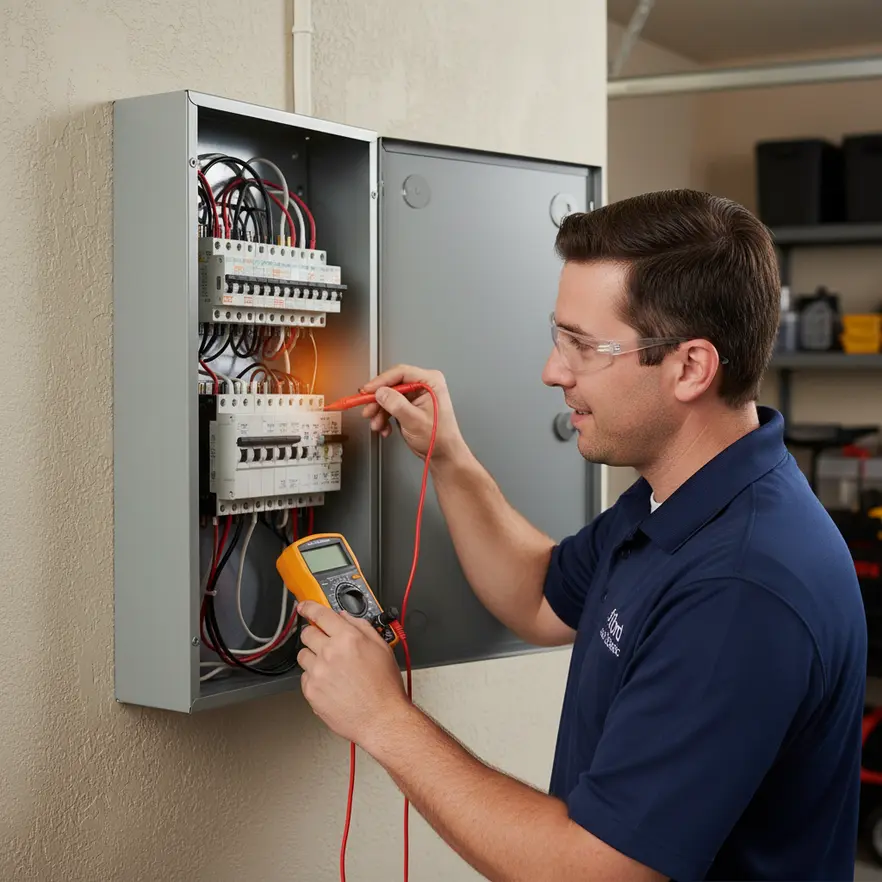
First, we ask what you added or what you plan to add. Then we compare the actual electrical setup to the expected demand. After that, we validate protection settings and feeder paths so the system can carry the load without overheating or nuisance trips.
Because many owners plan upgrades in phases, we also consider near term and long term growth. In other words, we help you avoid the problem where the panel survives the first expansion but fails the second. And that is the kind of drama we prefer you never experience.
Signals your facility should not ignore
Even though some symptoms look “minor,” they often point to a larger capacity issue. So when our technicians see these signs, we treat them as prompts for a deeper look.
- Repeated breaker trips, especially on circuits that should not be that sensitive
- Warm or discolored panel components, including bus bars, breaker handles, and neutral connections
- Voltage drops under load that affect motors, HVAC, or process equipment
- Lights that flicker during equipment startup, like conveyors, compressors, or pumps
- Burning odor near electrical gear, even if it seems brief
- Frequent maintenance calls that start to sound like a recurring TV season
At this point, we do not just chase the symptom. We verify the system’s real capacity and the electrical panel’s ability to safely support current and future demand. That means we review how power distributes across branches and whether the protective devices and wiring still match the load profile.
As a practical matter, we also pay attention to how your facility uses power. For example, if you run multiple large motors in the same time window, the peak demand can spike well beyond typical readings. We plan for those peaks, not just averages.
When expansions, retrofits, and new equipment trigger a reassessment
Most businesses add something eventually, and many do it in good faith. However, the electrical system often does not get the same careful planning as the new equipment itself. If your facility is adding load, a capacity review should happen before installation, not after.
Request a capacity check when you add any of the following, even if the equipment nameplate looks “reasonable”:
- New HVAC units, chillers, or rooftop systems
- Process machinery, welding equipment, or high draw production tools
- EV charging stations across parking lots and garages
- Upgraded data centers, servers, or network closets with new cooling loads
- Lighting retrofits that shift from older fixtures to high output systems
- New panels, subpanels, or major circuit rework during tenant improvements
Additionally, we reassess when operational schedules change. If you start running equipment longer hours, shift shifts, or add weekend production, your peak load profile may change. Then, even if your total annual usage looks similar, the electrical panel sees a different stress pattern.
And if someone suggests “we will just add a breaker,” we politely remind them that panels have limits. We can expand capacity or adjust distribution, but we must do it safely and in line with applicable rules.
How code compliance and proper lighting wiring relate to capacity planning
Electrical capacity is not only about having “more space.” It also connects to safety, proper installation methods, and code driven requirements. For example, our team references the same kind of careful thinking we outline in our lighting installation code compliance guide. That guide emphasizes following wiring and installation rules so the system works as intended, stays safe, and avoids hidden failure points.
So when lighting projects roll in, a capacity review should not stop at the fixture count. We also consider the circuit layout, the expected load, and whether the wiring and protection match the design. In commercial and industrial buildings, lighting often ties into broader electrical distribution, so the panel’s ability to handle total demand matters.
Furthermore, we coordinate with facility requirements so your electrical system supports both day to day use and future upgrades. As a result, you protect equipment, reduce downtime, and lower the risk of surprise interventions.
If you want a simple way to think about it, consider this: code compliance helps the system stay safe. Capacity assessment helps the system stay ready. Together, they keep your power dependable, even when the building starts demanding more of it.
What our technicians include in a capacity assessment
When you ask us to perform an assessment, our expert service staff does not treat it like a quick checklist. Instead, we build a clear picture of your facility’s electrical situation. And because no two commercial or industrial sites behave the same, we tailor the review to your operating profile.
Here is what our process typically includes:
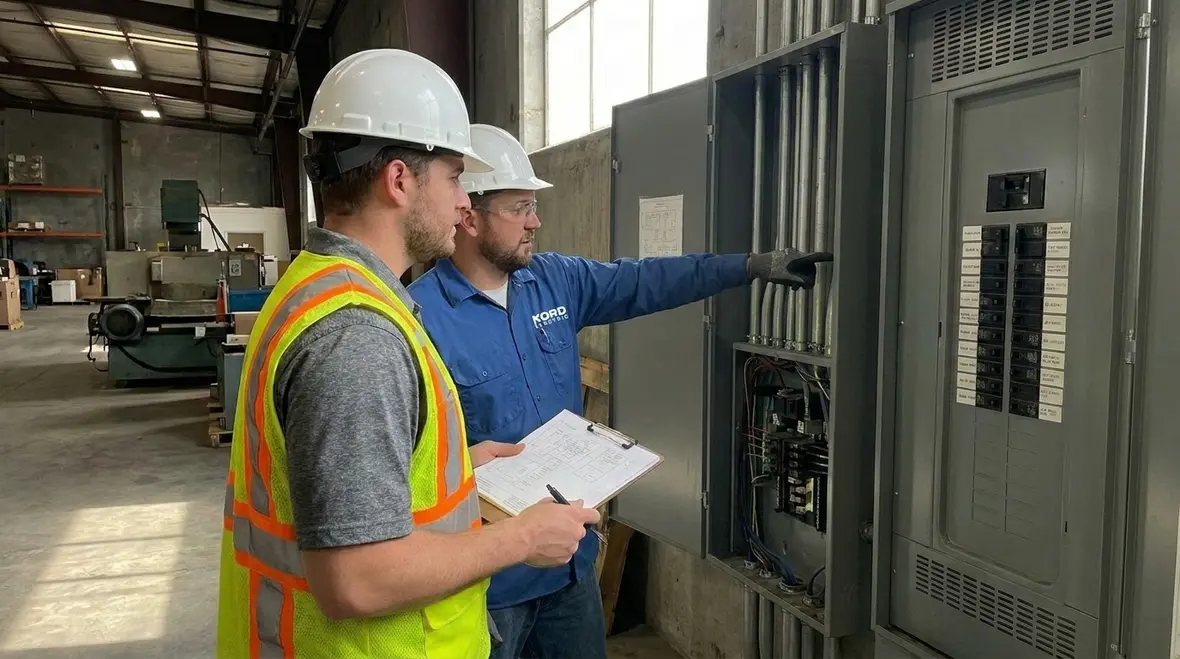
- Review of one line diagrams, panel schedules, and any available design documents
- Verification of connected load versus nameplate ratings for major equipment
- Calculation of demand loads based on how your facility actually operates
- Evaluation of panel bus capacity, breaker loading, and feeder size
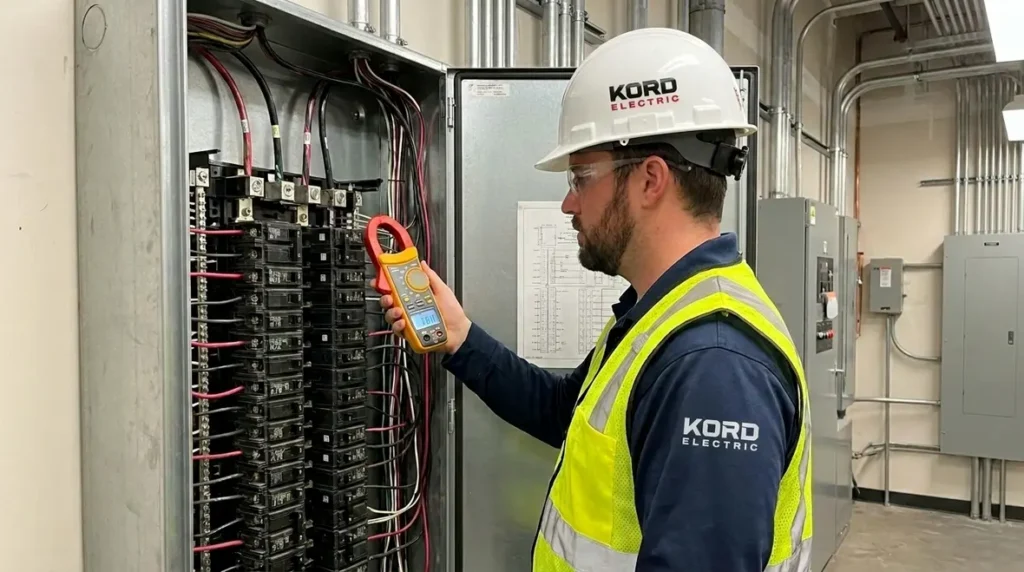
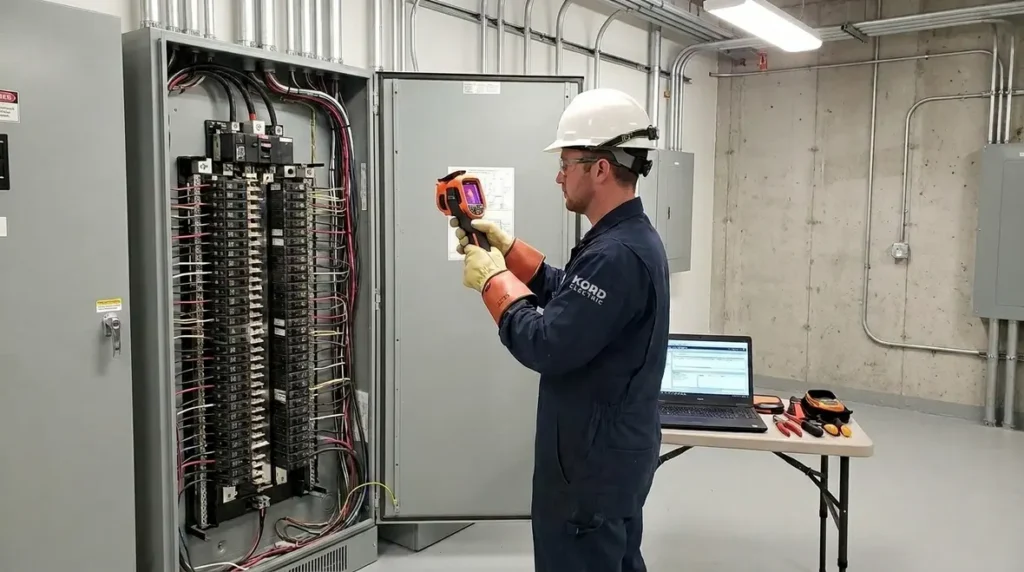
- Inspection of visible conditions that can signal overheating or loose terminations
- Review of grounding and bonding practices that affect system safety
- Discussion of future growth so you do not outgrow the upgrade immediately
Then, we explain the results in plain language. We show what the panel can support, where the bottlenecks exist, and what options you have. Sometimes the solution is straightforward: redistribute load, add a new feeder path, or add subpanel capacity. Other times, the right path involves more planning and equipment coordination.
Either way, we keep it practical. We want your facility to stay running while upgrades happen, not pause operations like a factory on standby.
Why waiting costs more than planning
Delays create costs that owners do not always see at first. When electrical capacity becomes tight, problems show up as downtime, emergency service, equipment stress, and ongoing troubleshooting. Meanwhile, a well timed electrical panel capacity assessment helps you schedule work with less disruption and fewer surprises.
Additionally, you reduce the risk of unsafe conditions. When panels run near their limits, heat builds and connections can degrade. Over time, this can increase the chance of faults that stop critical operations. So yes, waiting can feel cheaper, but it often turns into a more expensive bill with added downtime.
Also, many commercial and industrial facilities face tenant changes, department expansions, and phased construction. Therefore, planning early protects your capital budget. It also helps you coordinate contractors and vendors so the electrical work stays aligned with the project timeline.
In short, we treat capacity planning like preventative maintenance for your power system. It is not glamorous, but it keeps your business from getting stuck in the slow lane.
For facilities that want a broader, long term reliability strategy, an electrical panel capacity assessment can align well with structured programs like dedicated commercial and industrial maintenance planning and other reliability focused services from Kord Electric.
If your operations span multiple sites across the region, or you simply want a single partner to coordinate upgrades and maintenance, Kord Electric’s Los Angeles County electrical services offerings help align assessments, upgrades, and service calls under one clear, dependable framework.
FAQ: electrical panel capacity assessment for commercial and industrial sites
Ready to plan your next electrical upgrade with confidence?
When your commercial or industrial facility is growing, we believe power should grow with it, safely and on schedule. Kord Electric can perform a thorough electrical panel capacity assessment, explain the findings in plain language, and recommend the right path forward to support current and future demand. If you are planning new equipment, a retrofit, or a major lighting and distribution update, contact us. We will help you avoid the “surprise emergency service” plot twist and keep your operations steady.
As you evaluate upcoming projects—from data room expansions to commercial kitchen upgrades and automated lighting controls—treat capacity planning as the backbone that keeps everything else running smoothly. A structured assessment today can prevent emergency outages, protect critical equipment, and keep your facility story focused on growth instead of unplanned downtime.
Kord Electric is ready to help you review existing infrastructure, plan for the next phase of expansion, and coordinate with your broader commercial electrical services so each upgrade lands on time and on budget.