Electrical Panel Capacity Audit and Upgrades
Electrical panel capacity audit: the first calm step before problems spread
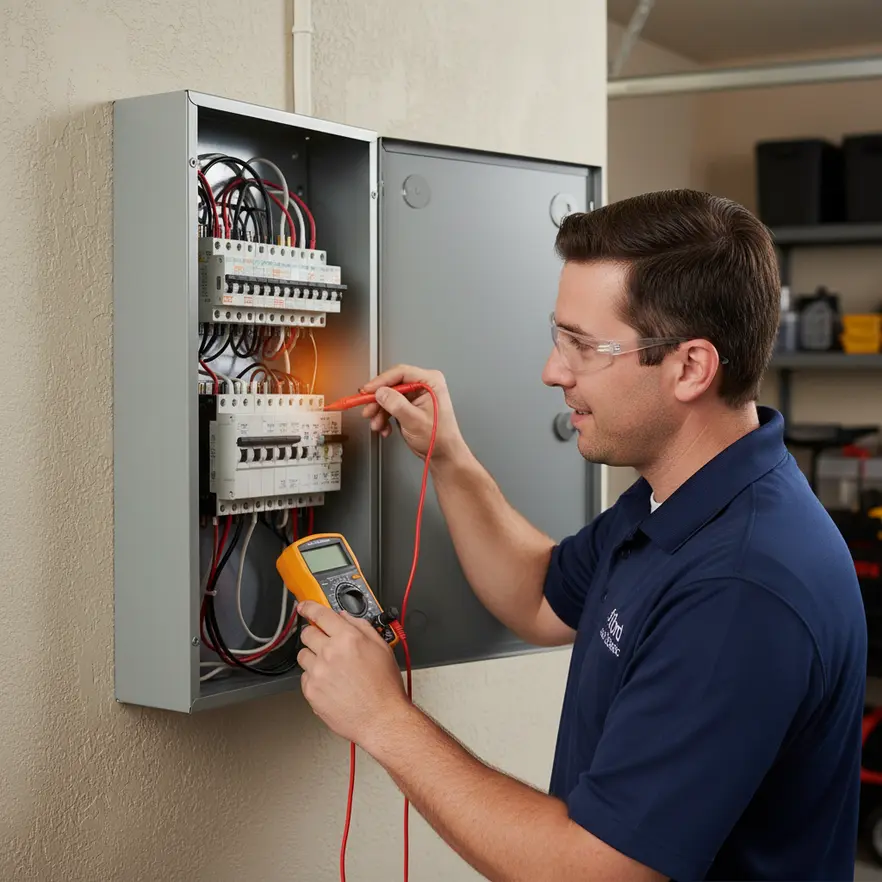
At Kord Electric, we start every serious panel conversation the same way: we run an Electrical panel capacity audit so we can see the real picture, not the hopeful one. Within the first visit, our technicians and expert service staff review the load, check for hidden risks, and map out what the panel can safely handle today and later. That means our clients in commercial and industrial facilities, and major property buildings, avoid surprises that arrive like a plot twist during dinner. And no one wants a “to be continued” when the lights start flickering.
Once we know the capacity, we can explain what needs upgrading, what can wait, and what should not wait at all. Then we make a clear plan, in plain language, so decision makers can move with confidence.
What a failing commercial panel looks like in real life
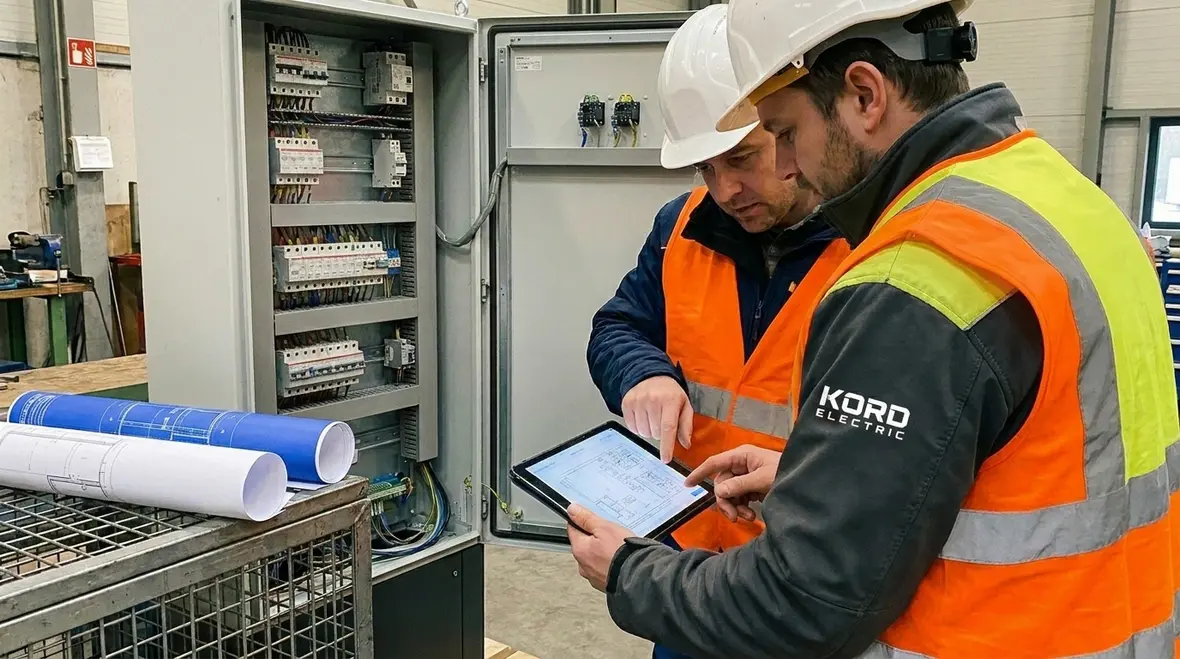
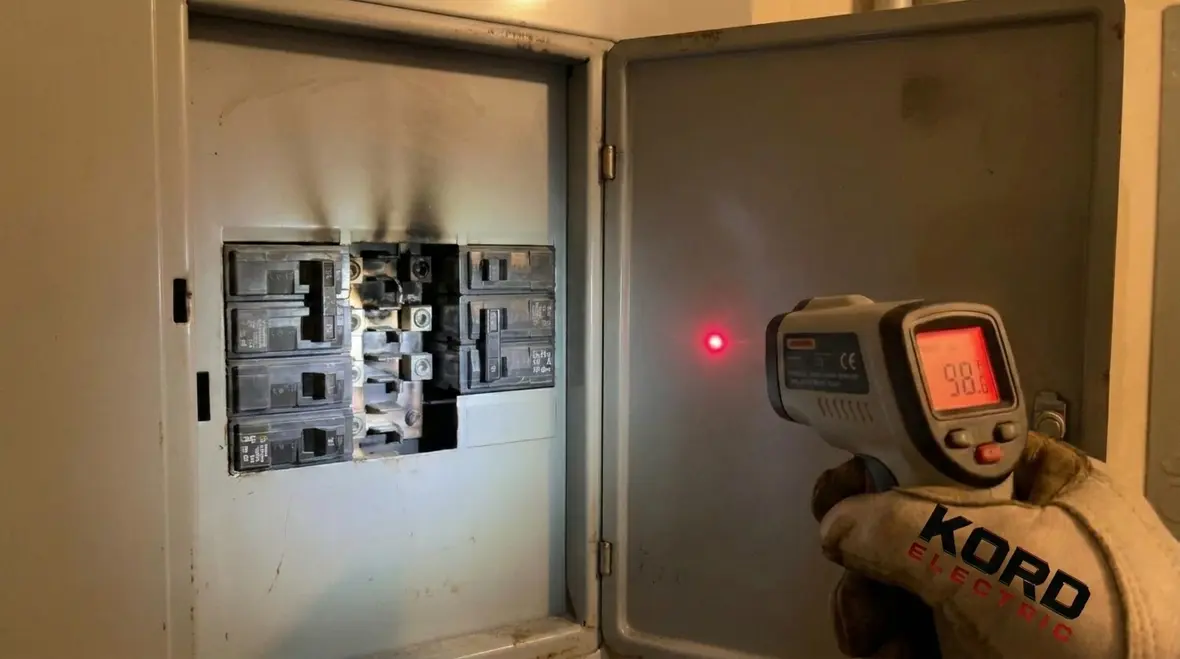
Third person teams often describe “panel issues” like they are vague feelings. In practice, panel failure leaves fingerprints you can spot. First, the most visible signs show up in power behavior. For example, lights dim when motors start, then bounce back after a delay. Next, breakers trip more often than they used to, even under normal use. And after that, you may notice a burning smell, a crackling sound, or a panel door that feels unusually hot.
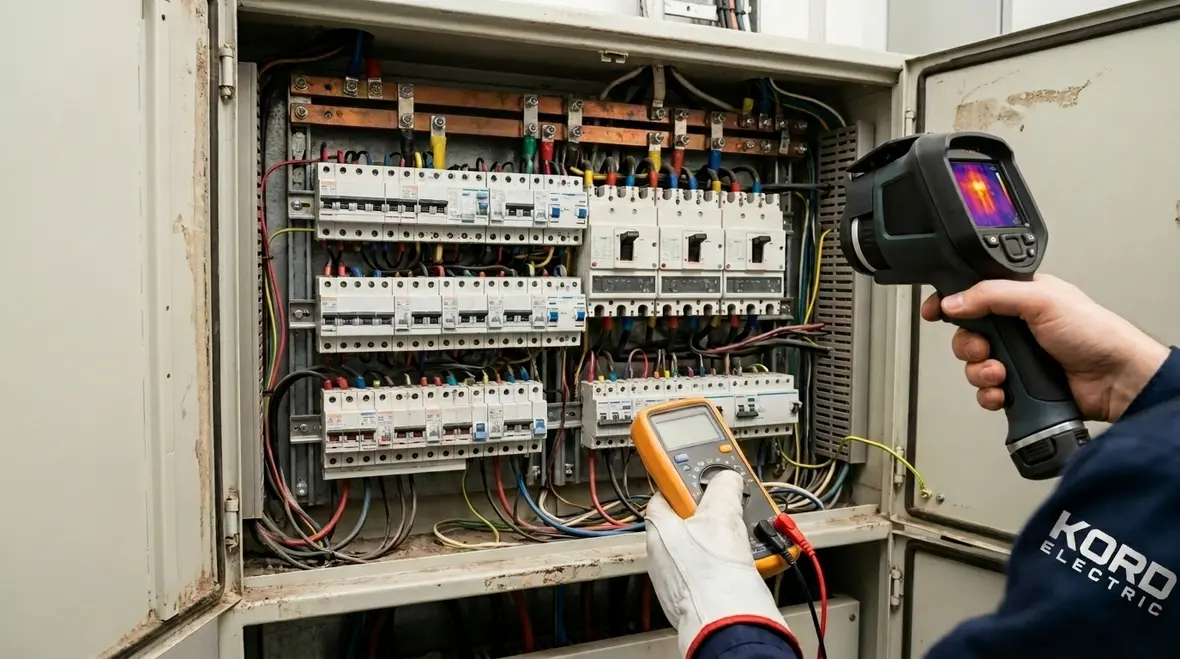
However, not every warning looks dramatic. Sometimes the panel still functions but runs hot because connections loosen over time. Also, corrosion inside the enclosure can form silently, especially in humid or dusty commercial environments. And because these buildings run all day, heat and wear compound quickly.
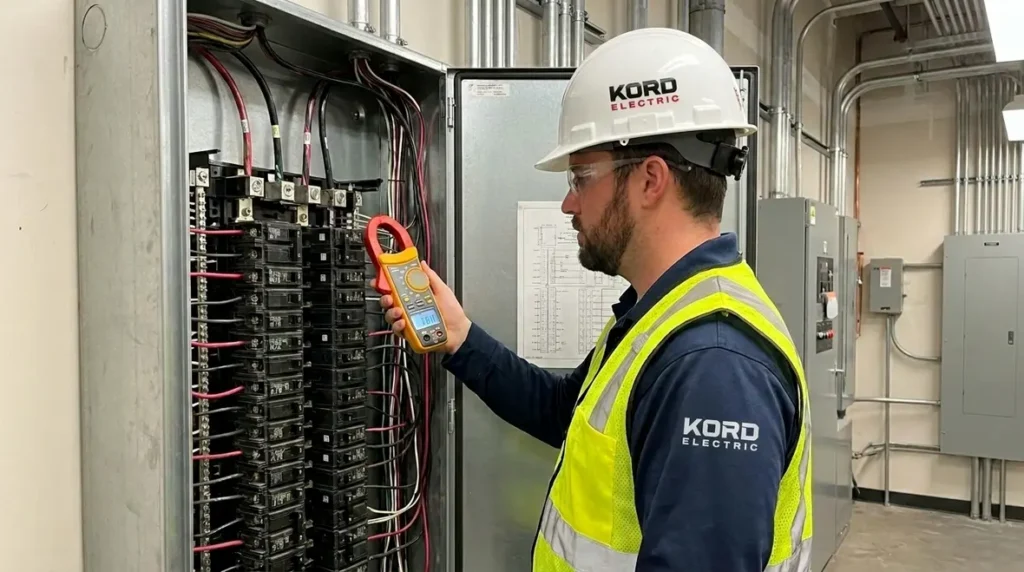
Our technicians at Kord Electric walk the site, then they compare what they see to what the building demands. They also talk with the on site team, because the panel often acts differently at certain times of day.
How an Electrical panel capacity audit guides upgrade decisions
When others guess, they risk paying for the wrong fix. We do not guess. We run the capacity audit to figure out whether the panel has room to grow and whether the safety margins still make sense. During this work, our expert service staff calculates load, reviews circuit demand, and checks how the distribution system performs under real conditions.
Then we examine the panel’s components. That includes breaker sizes, busbar condition, wiring quality, and how existing loads connect and balance. If the audit shows the panel operates near its limit, upgrading becomes practical and protective, not just “nice to have.”
In many commercial and industrial settings, the panel does not fail all at once. Instead, it gradually loses stability. Therefore, the audit gives clear evidence about what will happen when additional equipment goes online, like HVAC upgrades, new production lines, or a renovated office floor.
For teams planning costs, we also help explain how the work fits into a wider plan. We refer clients to guidance like the electrician cost overview for commercial facilities found in our blog resource, so budgeting conversations stay grounded and honest. It is easier to approve upgrades when the reasoning sounds like business, not like a horror movie trailer.
Common upgrade triggers for retail, warehouses, and manufacturing
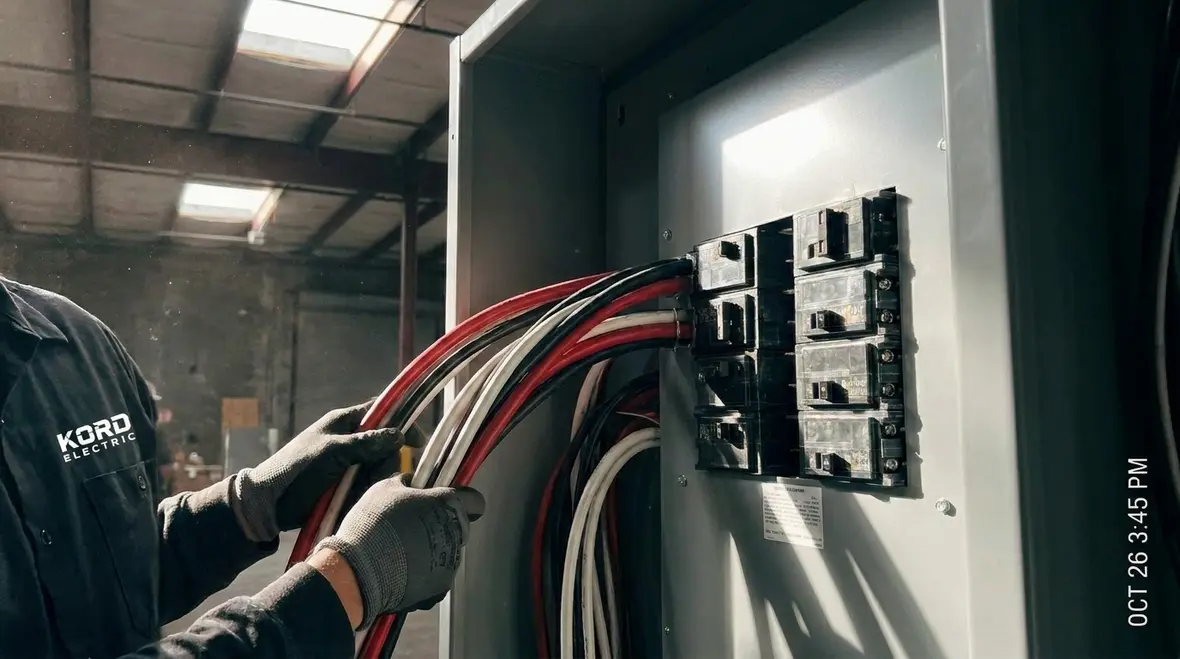
Commercial panels do not wear out at random. They get stressed by specific changes. Here are the usual triggers we see in major property buildings and industrial sites.
- New loads: When others add equipment, a panel that once had spare capacity can become overloaded fast.
- Renovations and tenant build outs: A new restaurant line, new lighting layout, or added server rooms can shift demand.
- Frequent breaker trips: If trips increase after certain operations, the panel may struggle with sustained current.
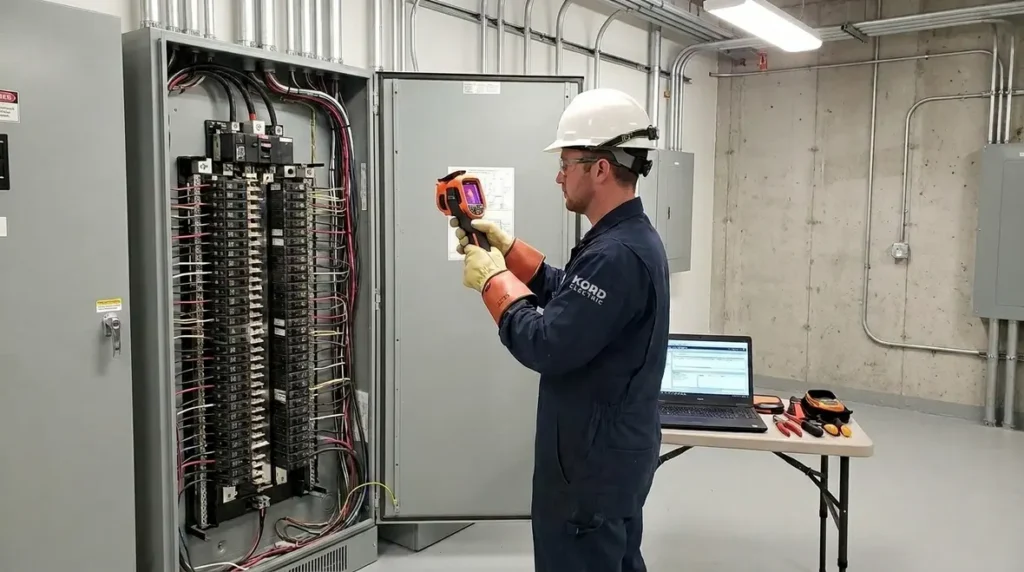
- Signs of thermal stress: Heat marks, discoloration, or loose connections point to rising resistance.
- Old equipment: Panels and breakers that feel outdated may lack modern safety design and labeling.
In warehouses and manufacturing areas, panels often face motor loads and start up surges. As a result, the system experiences higher strain than an office that only runs steady equipment. Therefore, an upgrade can protect both the power system and the equipment connected to it.
And yes, sometimes the trigger is simple: the building team wants to add another process line and hopes the panel will “handle it.” That hope usually lasts about as long as a flimsy extension cord at a holiday party. We help teams plan upgrades before the failure becomes the plan.
Safety, code compliance, and uptime: the real benefits
Upgrading a panel is not only about avoiding outages. It is about reducing risk, improving safety, and supporting steady operations. For commercial and industrial facilities, power reliability ties directly to productivity. If a panel struggles, equipment may shut down. If it shuts down, workers stop, orders delay, and the calendar turns into a stressful enemy.
From a safety point of view, outdated or stressed components can create heat buildup and arcing hazards. That risk grows when connections loosen, when insulation ages, and when corrosive conditions exist. Also, code requirements evolve. Many owners learn the hard way that an older setup may not match current expectations for labeling, protection, and safe access.
Our approach at Kord Electric stays practical. We explain what safety gaps exist, what code concerns likely apply, and what upgrade options reduce risk without overbuilding. Then we plan the work to support uptime, which often matters more than perfect theory.
What the upgrade process should include on site
When upgrade work happens well, it feels like a controlled operation, not a scramble. First, our technicians confirm the scope by reviewing the site, checking the existing panel condition, and verifying circuit loads. Next, we plan for isolation and safe shutdown steps so the building stays stable as power systems change.
Then we address labeling and documentation. In commercial and industrial facilities, a well marked panel saves time during maintenance and repairs. It also helps facility teams troubleshoot quickly instead of playing detective with a flashlight and a guess.
After the physical work, we test and validate. That means checking breaker function, verifying connections, and confirming that the panel operates as expected under load patterns. Finally, we explain what we found, what we changed, and what the facility team should watch for over time.
We keep the communication clear because we work with owners, property managers, and facility leaders who need timelines and certainty. We also bring the calm focus needed for busy buildings where downtime costs real money.
Costs and budgeting: how upgrades fit commercial planning
Pricing depends on panel size, the condition of existing components, the wiring layout, and whether the project needs additional work like service changes, grounding updates, or feeder upgrades. Because of that, we help clients plan with realistic scenarios rather than one vague number.
In our blog resource that covers electrician cost guidance for commercial facilities, we explain how owners can think about pricing factors in a clear way. We use the same mindset during planning: we break the project into parts, explain the reasons, then align the budget with the actual scope.
Many clients worry about cost first and safety second. Yet, the better approach is to weigh the cost of delay. When a panel runs beyond safe limits, the risk of emergency repairs rises. Emergency repairs tend to cost more, and they can disrupt operations. Therefore, smart budgeting often means acting before the system forces the decision.
And if someone asks, “Can we just fix the one breaker?” We answer like professionals: sometimes we can, and sometimes that is patching a symptom while the disease keeps growing. Our technicians help clients make the call based on measured capacity, not guesswork.
FAQ for commercial panel upgrades
Next steps with Kord Electric
If you run a commercial or industrial facility, you deserve power systems that behave like they mean it. At Kord Electric, we start with a Electrical panel capacity audit, then we explain what needs upgrading, why it matters, and how to protect uptime. Our technicians and expert service staff handle the work with clear communication, safe planning, and solid testing. Call us to schedule an assessment for your panel and your building. Let’s prevent the next “surprise power problem” before it shows up to work uninvited.
For facilities looking beyond a single panel, it often makes sense to connect upgrade planning with structured electrical preventive maintenance so inspections, testing, and future projects all support the same long term strategy. And when your needs extend across larger campuses or multiple locations, our wider Los Angeles County electrical services help keep everything operating on the same reliable standard.
If your facility is already seeing signs of strain, from flickering lights to unexplained trips, pairing an Electrical panel capacity audit with timely upgrades can turn a potential emergency into a planned improvement instead. That way, your operations team can focus on production schedules and tenants instead of wondering what surprise might be hiding behind the next breaker trip.