Electrical Surge Protection for Commercial Buildings
Protecting Revenue Starts With Electrical surge protection importance
When a surge hits a commercial or industrial facility, the damage often looks quiet at first. A server room stays dark, a control panel still powers up, and everyone pretends nothing happened. However, the real cost shows up later in failed drives, burned circuit boards, shortened motor life, and downtime that eats budgets. That is why Electrical surge protection importance matters for every business that operates on electronics, automation, and steady power.
At Kord Electric, we guide major property buildings through practical surge protection strategies, and we back it with expert service staff who explain things in plain language. In fact, our technicians often say the same thing: “Electricity does not care about your business schedule.” Then they help you plan for the moments it does not care.
Commercial power faces real threats, not just bad luck
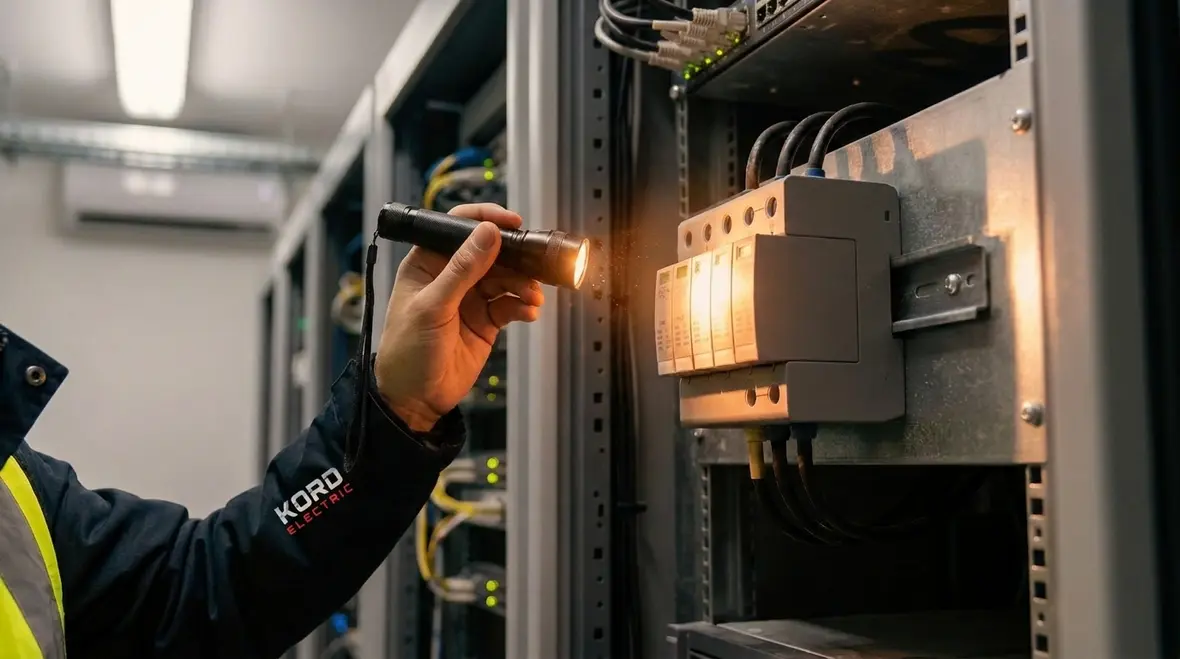
Many facility managers treat power issues like a surprise storm. Yet surges rarely arrive as one dramatic event. Instead, they show up as spikes from lightning, utility switching, equipment start ups, and even normal operations that push the system over a brief voltage limit. As a result, sensitive devices get stressed again and again, even when no one sees a spark.
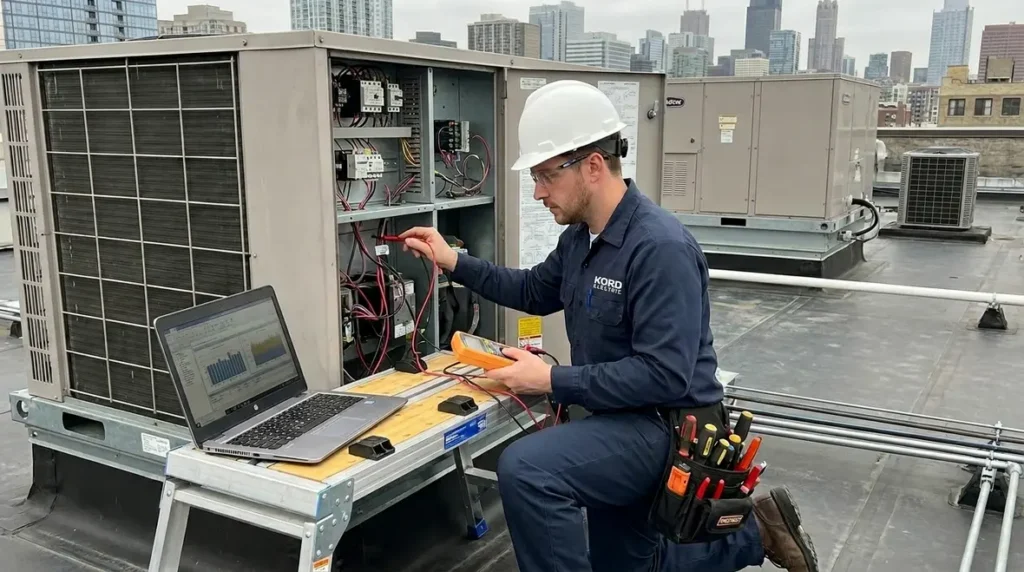
In commercial and industrial environments, the load mix makes the risk higher. You might run variable speed drives, HVAC controls, elevators, access systems, process equipment, and building management platforms. Meanwhile, each device adds electronics that can react poorly to transient overvoltage. Therefore, the facility does not just need “power.” It needs protected power that stays stable when the grid and internal loads move.
And yes, sometimes it feels like the building is haunted by random failures. But those “hauntings” usually follow predictable electrical behavior. We just help you catch it before your maintenance calendar turns into a comedy show.
Why surge protection protects more than devices
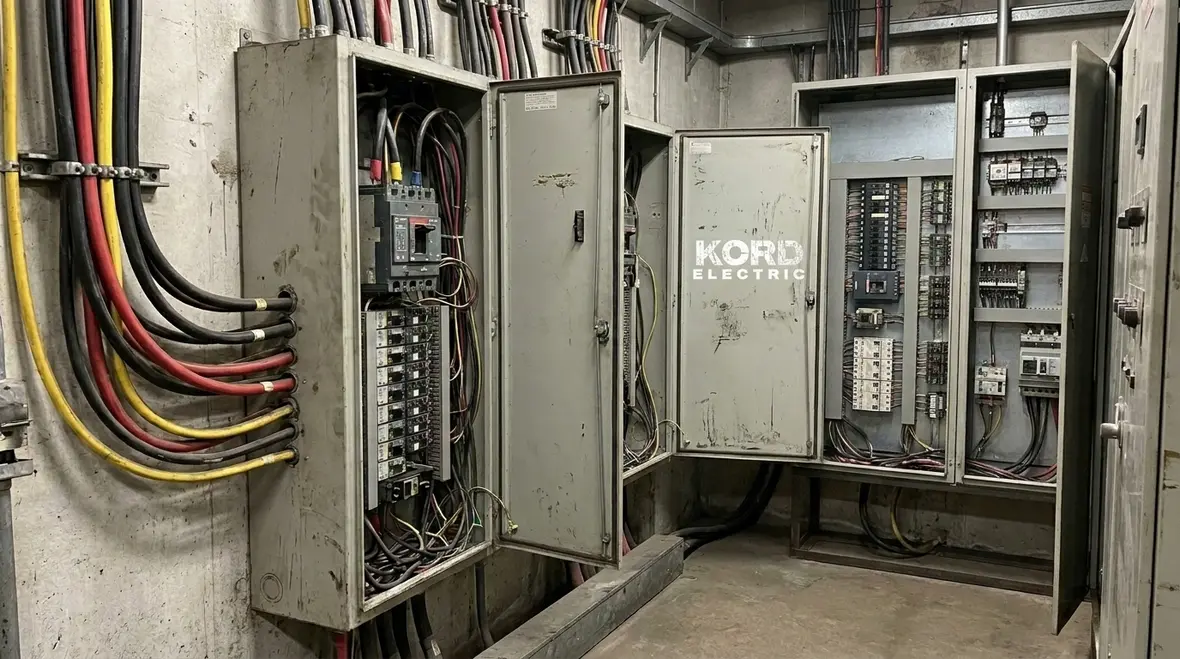
Surge protection is not only about saving expensive equipment. It also supports uptime, safety, and long term operational cost control. When a surge event happens, the energy must go somewhere. If the system lacks the right protective path, the surge can hunt through wiring, circuit boards, and power supplies. Consequently, you may see hidden damage that keeps working at first, then fails at the worst moment.
Moreover, proper surge protection supports better equipment health. We often see that businesses underestimate the wear caused by repeated minor spikes. Over time, insulation stresses, component tolerances drift, and motors can draw uneven current. Then the failures look “mysterious,” even though the cause has been loading up for months.
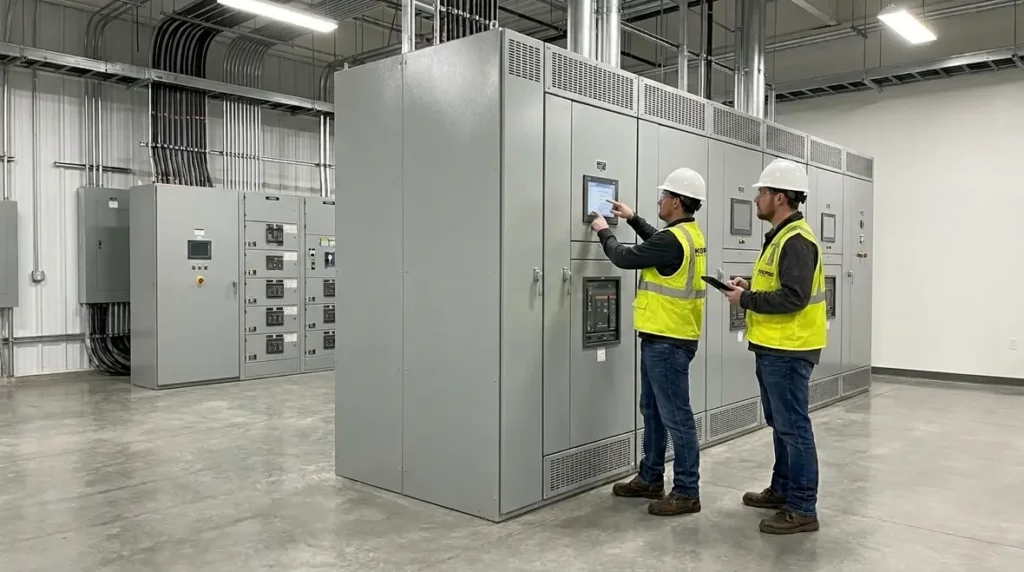
We also focus on how surge protection integrates into your electrical design. Our technicians evaluate panel arrangements, device placement, grounding quality, and upstream protection coordination. In plain terms, we make sure one layer does not fight another layer like two coworkers competing for the same parking spot.
How our technicians build a protection plan that fits your site

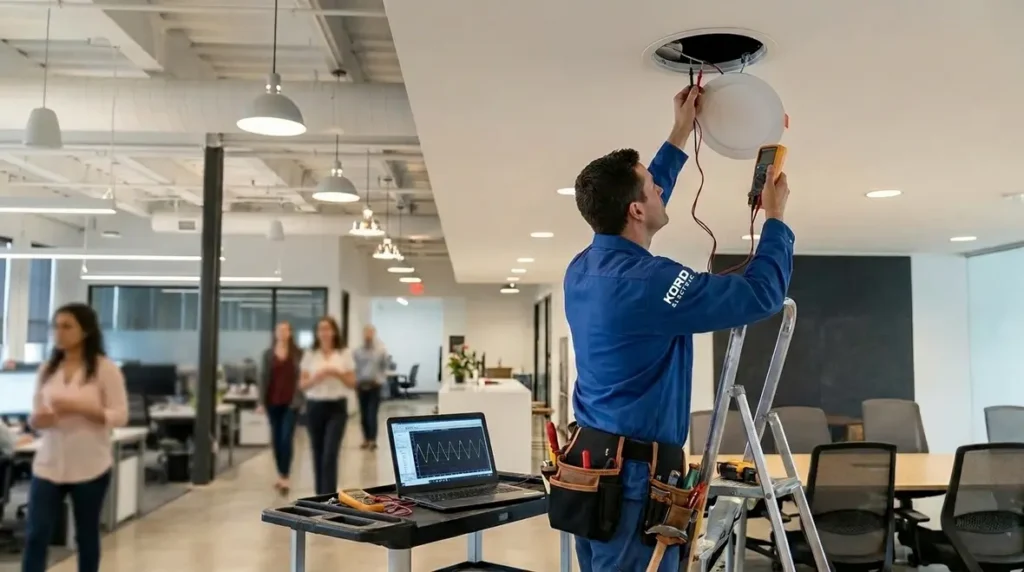
At Kord Electric, we do not treat surge protection like a one size fits all product. Instead, our expert service staff evaluates your building layout, equipment list, and electrical distribution paths. Then we recommend an approach that matches how your facility operates day to day.
We also connect surge protection to the maintenance discipline that keeps it effective. If protective devices age, miswire, or get bypassed during repairs, the system performance drops. Therefore, we align surge components with the same care you give to breakers, transformers, and feeders. This is where our broader electrical service planning matters.
If your facility fits the profile of major commercial or industrial property, you can consider our commercial and industrial electrical maintenance plans, which we use to keep systems inspected and documented over time. You can review details here: commercial and industrial electrical maintenance plans.
In short, we help you install protection, then we keep it working. Because “installed” is not the same thing as “protected forever.”
Where surges hit first in industrial and commercial buildings
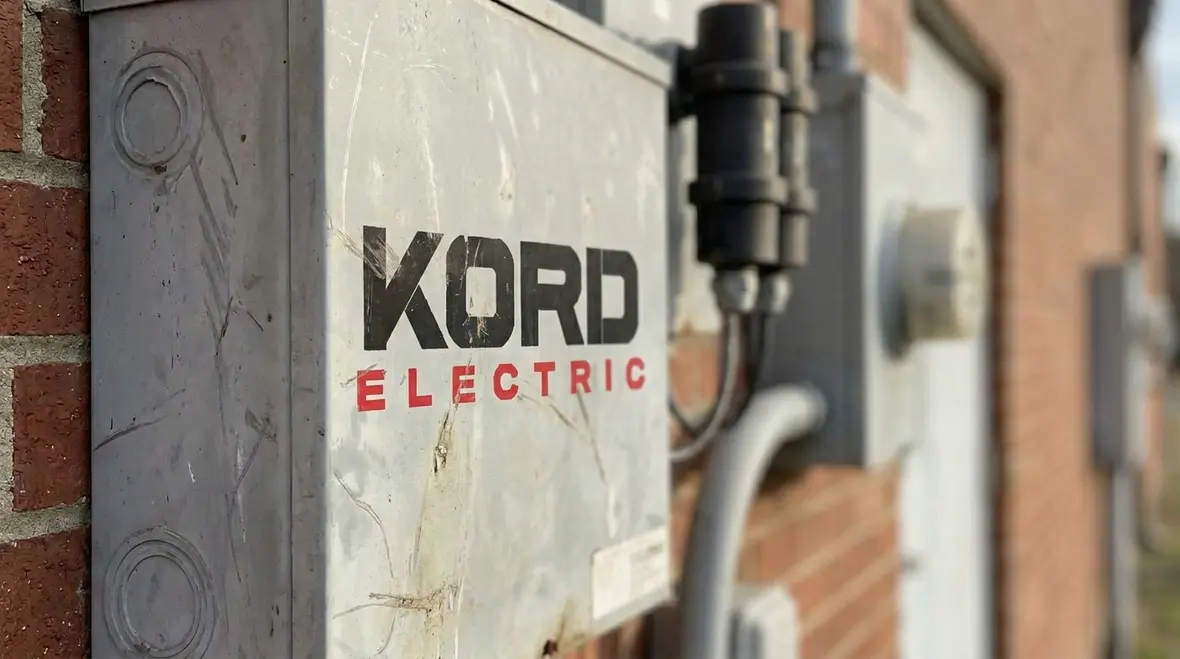
Surge events tend to show up at connection points where the electrical path meets electronics. That often means near main service gear, distribution panels, and control circuits that feed automation equipment. Yet surges also spread through data and control wiring if those pathways share grounding and routing practices.
So we look at the entire energy flow, not just the device you notice. For example, a surge may enter through utility service, then distribute across multiple panels. If only one panel has protection, other downstream systems still take the hit. Meanwhile, control equipment can receive surge energy through signal pathways. Therefore, our approach coordinates protection across where energy enters and where it travels.
We also consider operational patterns. If equipment cycles on and off frequently, transient events increase. Then the building collects these transients over time. Consequently, the facility may experience repeated stress without an obvious “one time” failure.
Our technicians explain these details clearly, and we make sure your team understands what risks exist inside the electrical distribution system. That way, decisions do not rely on guesswork, or on the classic method of “wait until something burns.”
What good Electrical surge protection looks like in real terms
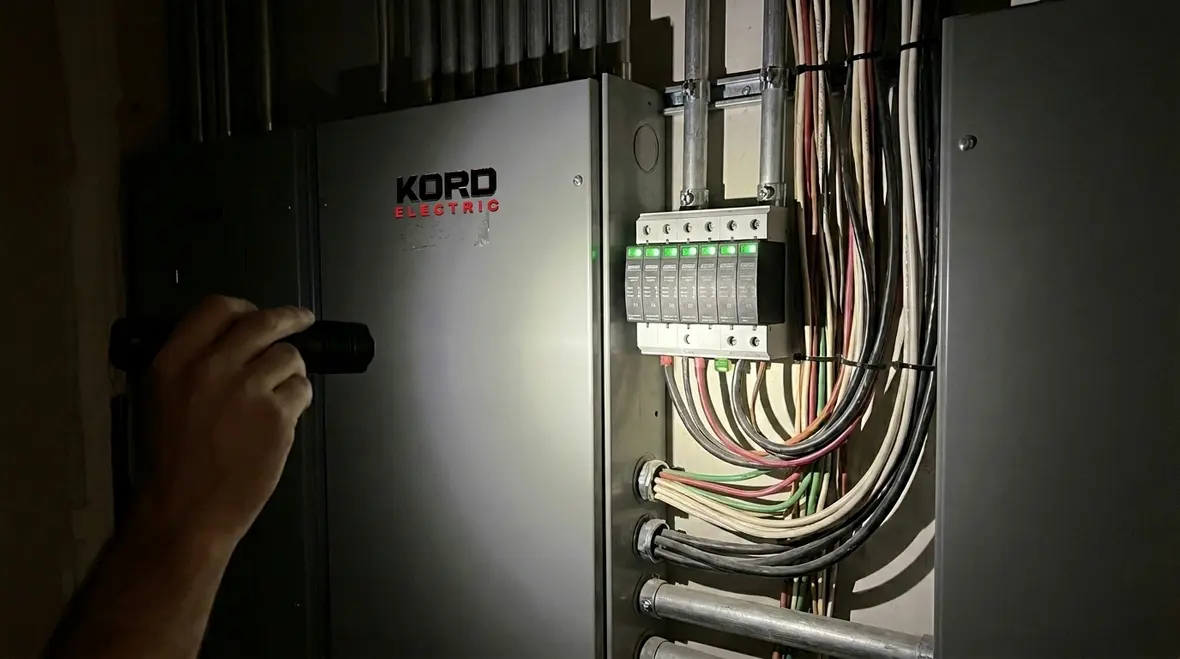
Good protection combines design, installation quality, and maintenance discipline. First, we choose surge protection that matches your electrical system characteristics, including voltage level, wiring type, and available fault clearing performance. Next, we install and verify components so they connect correctly to grounding paths and distribution gear.
Then we coordinate layers. Upstream protection helps manage energy from the service entrance, while downstream devices protect sensitive loads. As a result, less energy reaches electronics, and critical systems see fewer spikes.
However, we also treat protection as a living part of your electrical infrastructure. Over time, conditions change. New equipment gets added. Panels get rearranged. Contractors modify wiring during renovations. Therefore, we recommend inspection routines so surge devices remain in good working order and documentation stays current.
For major property buildings, the “right” setup often includes a plan to confirm performance after installation and during scheduled maintenance. Our service staff helps you track those steps so you can defend your decisions to leadership and insurance stakeholders without a long explanation that starts with “trust me.”
When a surge protection upgrade becomes urgent
Some facilities act only after a failure. Yet upgrades can become urgent long before a headline event. If you have frequent nuisance trips, unexplained control failures, repeated drive or power supply replacements, or recurring downtime near storms or utility switching times, the risk profile has probably increased.
Likewise, the upgrade timeline accelerates when you add new automation, expand HVAC systems, modernize access control, or integrate building management technologies. Each step adds more electronics and makes Electrical surge protection importance more than a box-checking task.
Also consider your building age and the last time major electrical components received review. Older grounding practices, outdated panel configurations, or missing coordination can reduce the effectiveness of modern surge devices. Therefore, we often recommend an assessment before replacement so the facility gains protection without wasting spend.
In our experience, the best time to address surge protection is before the day your team has to troubleshoot under fluorescent lights at 2 a.m. That is not a heroic story. It is just avoidable inconvenience.
Featured question: Do we recommend surge protection for all commercial sites?
We focus on commercial and industrial facilities and major property buildings, and for those environments, surge protection usually makes sense because sensitive electronics and automation rely on stable power. Yet the exact recommendation depends on the facility’s electrical design, equipment types, and how loads distribute across panels.
Our expert service staff evaluates the site and then builds a protection approach that matches risk. That means some buildings need layered protection across distribution, while others benefit from targeted coverage where surges enter and where electronics sit. We do not guess. We inspect, then we design.
FAQ
Planning surge protection as part of your broader electrical strategy
Electrical surge protection importance grows as facilities modernize. New lighting systems, EV charging infrastructure, high density IT rooms, and advanced controls all stack more electronics onto your distribution. That is why many building owners pair surge protection upgrades with structured maintenance efforts like Kord Electric’s commercial and industrial electrical maintenance plans, so protection and ongoing care move together instead of in separate silos.
For multi-site portfolios or major properties in highly regulated regions, aligning surge protection with code compliance, testing routines, and documented inspections also makes internal reviews and external audits much easier. Rather than piecing together invoices to prove what was done, your team can point to a clear maintenance plan that includes surge protection, power quality review, and regular verification of critical equipment.
If your building sits in a high-growth corridor or a dense urban environment, the mix of new loads on the grid and aging infrastructure inside older structures can combine into a higher risk profile. In those cases, a proactive look at surge protection ties directly into business continuity planning and risk management—not just “nice-to-have” electrical upgrades.
Connect surge protection with the right commercial electrical partner
Choosing a partner that understands complex commercial and industrial environments matters just as much as choosing the right surge devices. At Kord Electric, our teams work across large facilities, multi-building campuses, and critical infrastructure sites, tying surge protection into broader services such as preventive maintenance, emergency response, and project upgrades. If your property is located in Southern California, you can also align surge protection work with our dedicated Los Angeles County electrical services to keep everything under one coordinated plan.
Surge protection upgrades rarely live in isolation. They often arrive alongside panel changes, new equipment, renovations, or capacity increases. Working with a contractor who plans around operations, safety, and code compliance helps you bundle those efforts efficiently, minimize downtime, and protect both existing and future investments.
Conclusion: Let’s protect your facility before the next surge
Surges do not announce themselves, and neither does the damage they leave behind. That is why we at Kord Electric recommend Electrical surge protection importance be treated as a planned part of commercial and industrial electrical safety. Our technicians and expert service staff evaluate your site, coordinate protection across distribution, and support long term performance through disciplined maintenance. If you want fewer surprise outages and better equipment life, contact us now to schedule an assessment and build a surge protection plan that fits your building.
Surge protection will not remove every risk that lives on the grid, but it will give your electrical system a better way to handle the unexpected. Paired with the right maintenance program and a knowledgeable service team, it becomes one of the quiet, reliable defenses that keeps your operation moving, your tenants productive, and your leadership focused on growth instead of outages.