
Industrial Electrical Load Balancing Services
Industrial Electrical Load Balancing for Commercial and Industrial Efficiency
At Kord Electric, we focus on Industrial electrical load balancing because it helps commercial and industrial facilities run smoother, safer, and with fewer headaches. When one area draws too much power, the rest of the building can suffer through added heat, nuisance trips, and expensive wear on panels and feeders. Therefore, we design and tune load balancing strategies that spread demand where it belongs, so your electrical system performs like it was built to do. And yes, your lights deserve better than “survive on vibes,” right?
In this article, our technicians and expert service staff explain the practical steps that modern facilities use to maximize efficiency. We also share what facility managers should look for, how to spot problems early, and why the right balance saves money without adding guesswork.
Why Unbalanced Loads Slow Down Your Facility
When we talk about power in buildings, we are really talking about heat, current, and time. However, electrical load imbalance rarely stays quiet. Over time, it creates hot spots in panels, neutral overheating, and uneven stress on transformers and distribution equipment. As a result, maintenance costs rise, and downtime becomes more likely.
From our experience with commercial electrical systems for modern buildings, we often see the same pattern. A facility adds equipment over the years: HVAC upgrades, production lines, new kitchen loads, data closets, EV charging, or seasonal expansions. Then the loads shift, and the original panel design starts to age. Meanwhile, operators usually focus on output, not the electrical math happening behind the walls.
That is where we step in. We use commissioning style thinking and field-tested checks so the building’s electrical distribution stays aligned with how it actually runs today.

How Load Balancing Improves Power Quality and Safety
Balanced phases help the whole electrical system breathe easier. When current is spread evenly, conductors and switchgear see less thermal stress. Consequently, breakers trip less often, motors run closer to their intended performance, and sensitive loads stay calmer.
Power quality also improves. Many facilities rely on variable frequency drives, process controls, and IT infrastructure. Therefore, when imbalance drives voltage instability, equipment can experience nuisance alarms, reduced efficiency, or shortened life. We have seen cases where simply redistributing phase loads reduced recurring complaints without replacing major gear.
And here is the punchline most teams miss: electrical problems do not always announce themselves with smoke. Sometimes they show up as “mysterious” production slowdowns, repeated maintenance visits, and energy bills that quietly climb. Then everyone acts surprised, like the building did a bad stand-up set.
What Our Technicians Check During a Load Balancing Assessment
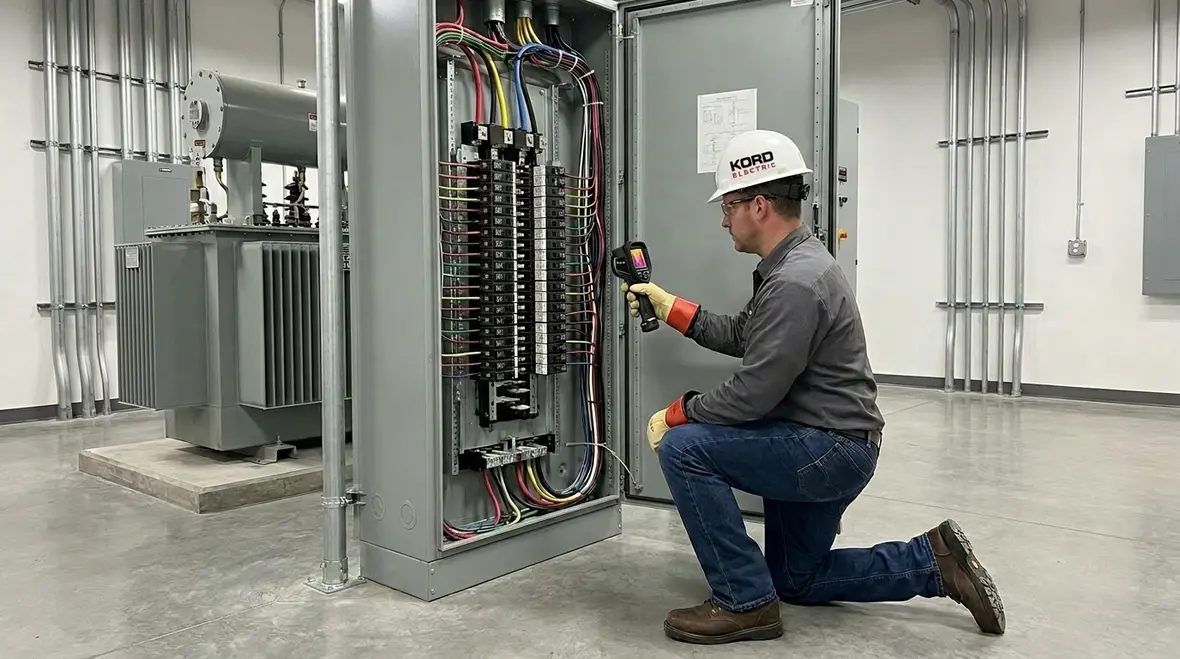
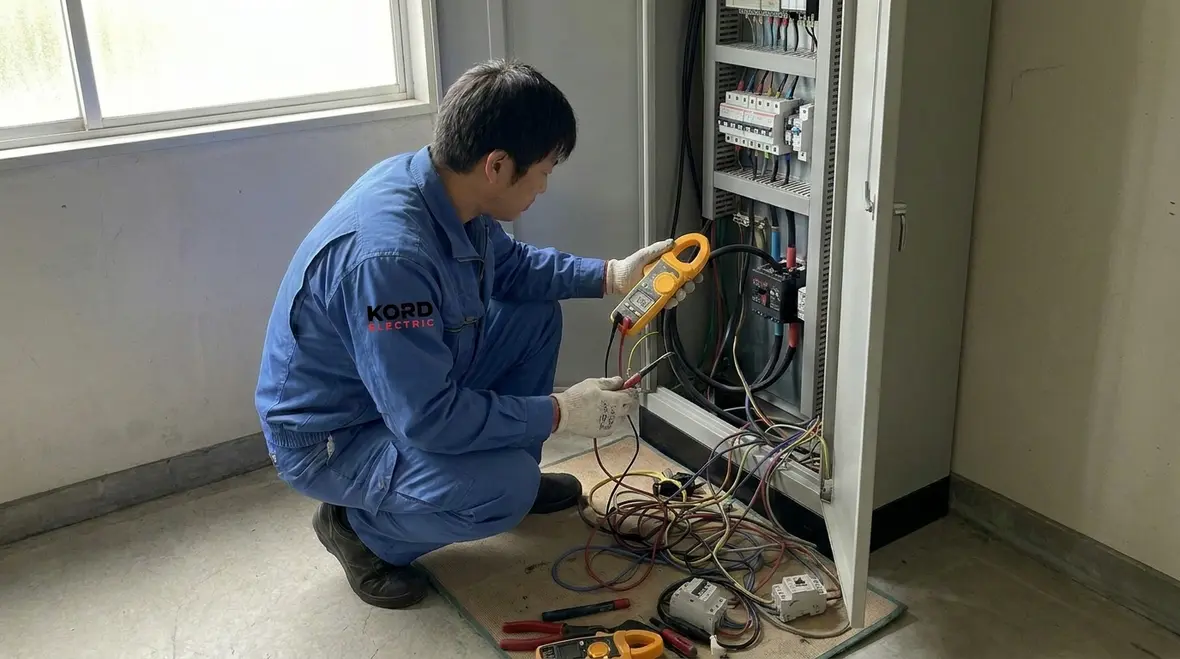
Our technicians follow a practical workflow designed for commercial and industrial facilities. First, we collect data. We review single-line diagrams, panel schedules, feeder ratings, and any recent changes. Next, we measure actual loads by phase under real operating conditions, not just during a quiet test.
Then we compare what the building should do versus what it actually does. If a circuit list says a load is evenly distributed, we confirm the wiring and verify the current draw. If a load changed but paperwork did not, we correct the record. And if we find repeated imbalance patterns, we focus on the upstream equipment that spreads power across areas.
We also evaluate:
- Panel and bus loading, including neutral load and thermal conditions
- Feeder balance across distribution boards, switchgear, and transformers
- VFD and motor phase behavior since these loads can skew demand
- Load timing for shifts, start up sequences, and process cycles
After that, our expert service staff explains the findings in clear language. We do not hide behind jargon. We show what is happening, why it matters, and what we can fix without turning the job into a prolonged outage drama.

Industrial Electrical Load Balancing Steps That Reduce Cost
Once we identify imbalance, we implement fixes that improve efficiency without unnecessary disruption. We start with the lowest-risk changes, because nobody wants to shut down half a plant for a “maybe” project.
Typical improvements include:
- Rebalancing circuits by phase where wiring and breaker assignments allow safe redistribution
- Adjusting transfer or sequencing logic for critical systems so start-up events do not overload one phase
- Optimizing panel distribution by relocating loads that consistently pull too much current on a single leg
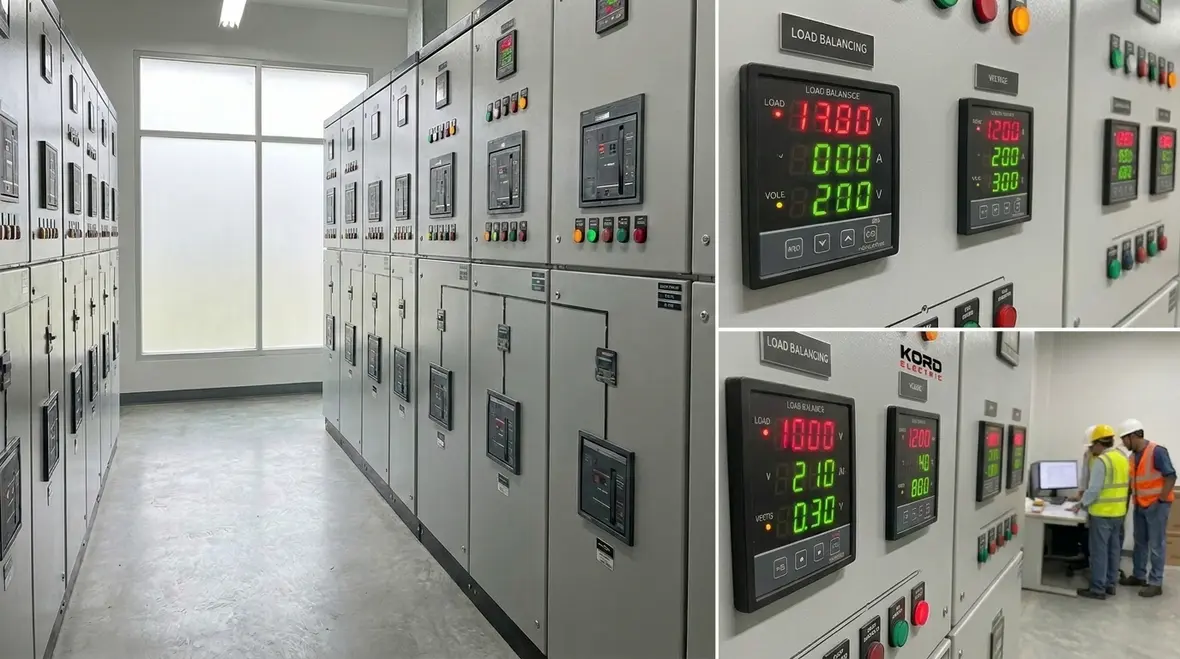
- Upgrading metering and monitoring so facility staff can track phase behavior in ongoing operations
- Coordinating with equipment vendors when drives, motors, or controllers require specific configuration
In many buildings, the biggest win comes from correcting “legacy drift.” Equipment was added, moved, or upgraded. Then installers did what made sense at the time, and the system gradually lost balance. After we reset those allocations, we help the facility maintain stability through better monitoring and maintenance planning.
Moreover, we plan around the real world. Production schedules, operating hours, and safety requirements shape how we execute. We align our approach with commercial and industrial facilities, meaning we focus on dependable power, not one-off fixes that fall apart later.
Monitoring, Controls, and Ongoing Commissioning
Balancing does not end when the report is printed. Therefore, we help facilities keep the system stable as operations change. Many sites add loads, rotate crews, or shift production schedules. Those changes can recreate imbalance even when the electrical work started out correct.
So we recommend ongoing checks that match how your building lives. That can include periodic phase load reviews, updated load studies after major equipment changes, and monitoring alerts that flag unusual phase behavior.
We also integrate this mindset with broader electrical system planning. For example, commercial electrical systems for modern buildings rely on stable distribution for HVAC, life safety systems, and tenant power loads. When load balancing supports those systems, the entire facility stays more predictable.
Our approach remains calm and structured. We explain what we track, when we track it, and how we respond if trends show imbalance creeping back in. Think of it as preventive maintenance for your electrical “mood swings,” except it actually saves money.
Industrial Electrical Load Balancing in Modern Facilities: Real Examples
In commercial and industrial properties, we often see imbalance linked to specific operational patterns. Consider a facility with daytime equipment cycling: compressing lines, packaging machinery, and large motor loads start at similar times. If those loads sit on one phase leg, that leg becomes the bottleneck during peak production. Later, during lighter evening operations, the imbalance may shrink, then return the next day. This rhythm hides the problem until it causes trips or reduced equipment performance.
Another common scenario involves mixed loads across panels. Lighting circuits, office receptacles, process controls, and HVAC fans may each seem small, but together they build a long-term imbalance. Additionally, data racks and specialized equipment often draw at different times, so the system “feels balanced” on paper while it behaves differently in real operation.
When we identify those patterns, we rebalance strategically. We do not just move one breaker and hope. We confirm results with measurement and verify that the fix improves overall phase behavior, not just one snapshot. Then we document what changed so future contractors and maintenance teams do not undo our work by accident.
Frequently Asked Questions
Call Kord Electric Today for Smarter Load Distribution
If your facility has recurring electrical annoyances, rising energy use, or equipment that seems to age faster than it should, we can help. Kord Electric provides industrial electrical load balancing services built for commercial and industrial operations. Our technicians assess actual phase behavior, explain what they find in plain terms, and implement safe improvements that reduce risk and support efficient performance.
For facilities across the region, including those relying on comprehensive Los Angeles County electrical services, we design projects that fit real-world schedules and safety requirements. We also coordinate with broader electrical upgrades, compliance efforts, and maintenance plans so balancing work fits cleanly into your long-term strategy.
Contact us today to schedule an assessment and get a plan your team can trust, from the panel to the process.


