Office Electrical Fire Prevention Tips Guide
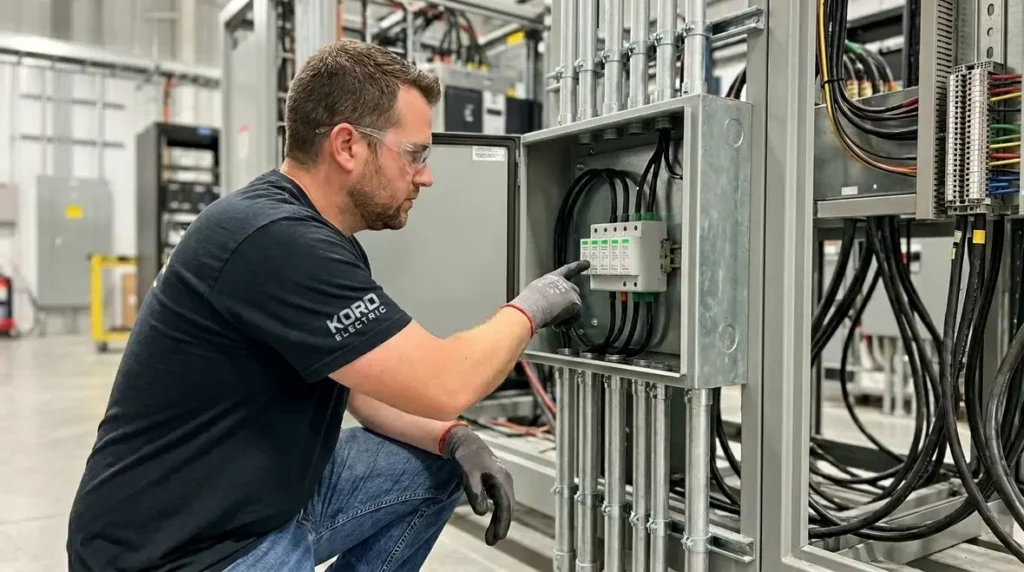
At Kord Electric, we treat office electrical fire prevention tips like a daily routine, not a once a year checkbox. We help commercial and industrial facilities and major property buildings reduce risk by tightening inspection schedules, upgrading aging panels, managing cables the right way, and making sure emergency power systems stay reliable. First, we review electrical loads and heat history. Then we spot loose connections, damaged insulation, and overloaded circuits. After that, our expert service staff explains what we find in plain language, so your team can act with confidence. In this article, we will walk through the practical steps that keep offices safer, because smoke alarms are great, but prevention is better. And yes, we will keep it calming, even if your breaker panel looks like it survived a small storm.
Why office buildings need a tougher electrical fire plan
Commercial and industrial spaces hold dense equipment, steady power demand, and complex electrical paths. Therefore, the most common fire causes are not mystery villains, but familiar problems: failing connections, overheating conductors, and dust or moisture that quietly builds up. Over time, small defects grow. A slightly loose terminal can heat under load. A worn cord near a cable tray can fail faster in an office environment where people move, machines run, and maintenance happens on a schedule that is not always aligned with electrical realities.
Moreover, fire does not wait for meetings. It starts fast once conditions line up. That is why we focus on electrical fire prevention strategies that work like a system: detection, correction, and documentation. Others may treat this as “general maintenance,” but we treat it as a risk program. Our technicians follow a methodical approach, and we explain the reasoning behind each step so decision makers understand what is urgent, what is trending, and what can wait.
Spot the heat early with inspections that actually catch faults
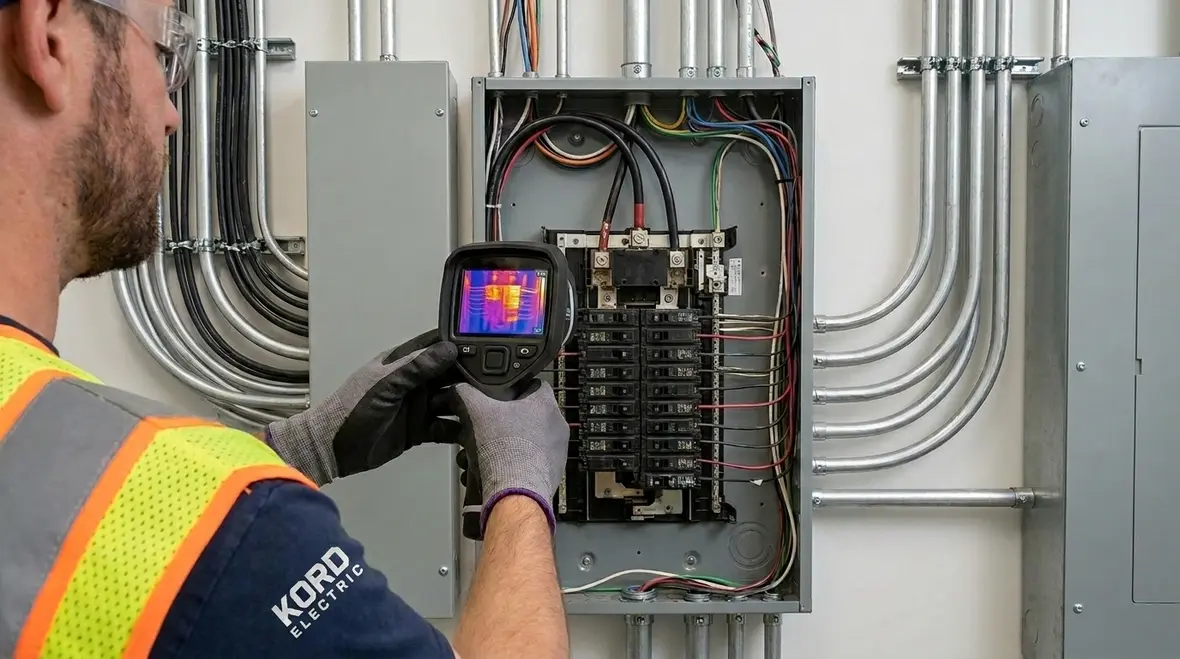
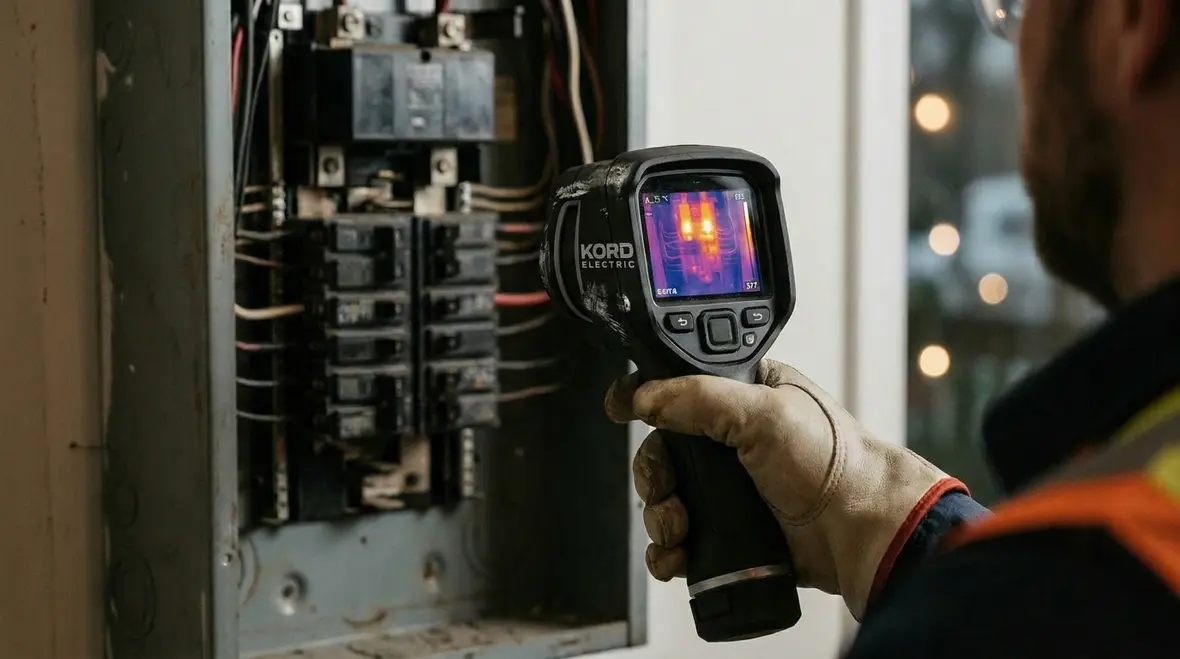
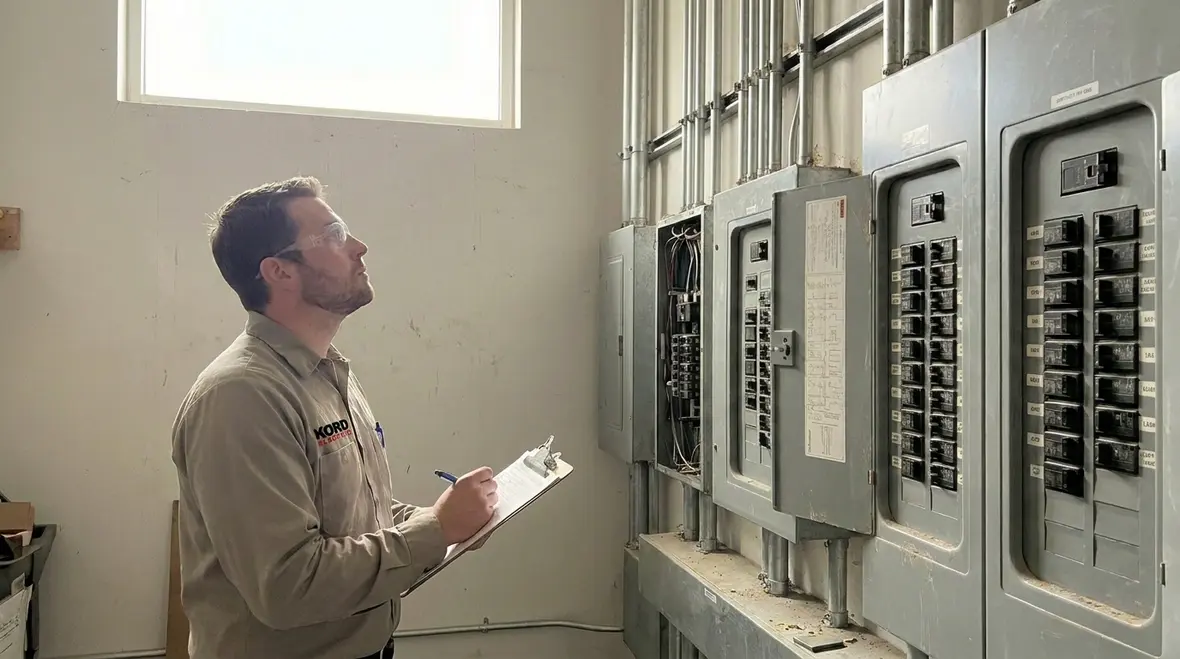
If you want prevention, you need eyes that know what to look for and tools that go deeper than a quick glance. We start with visual inspections of panels, terminations, bus bars, and feeder connections. Then, we pair that with field testing where appropriate, including checks that help identify overheating conditions before they become visible damage. Many facilities rely on “it worked last time,” but electrical systems do not run on hope. They run on temperature, torque, load, and insulation integrity.
Our expert service staff also makes sure the inspection process matches the building’s reality. For example, a data heavy office requires different attention than an office with lighter equipment loads. Additionally, we document findings in a way your team can track. That means when a connection shows signs of heating in one area, we can trend it and confirm whether the fix reduced risk or whether the same pattern repeats. For teams formalizing this approach across larger campuses, pairing your office program with structured electrical preventive maintenance keeps risk under control while supporting uptime.
Quick joke aside, we do not want your electrical room to become the office gossip of the building. We would rather stop the issue quietly, fix it properly, and move on with your day.
How to reduce overheating where power connections fail
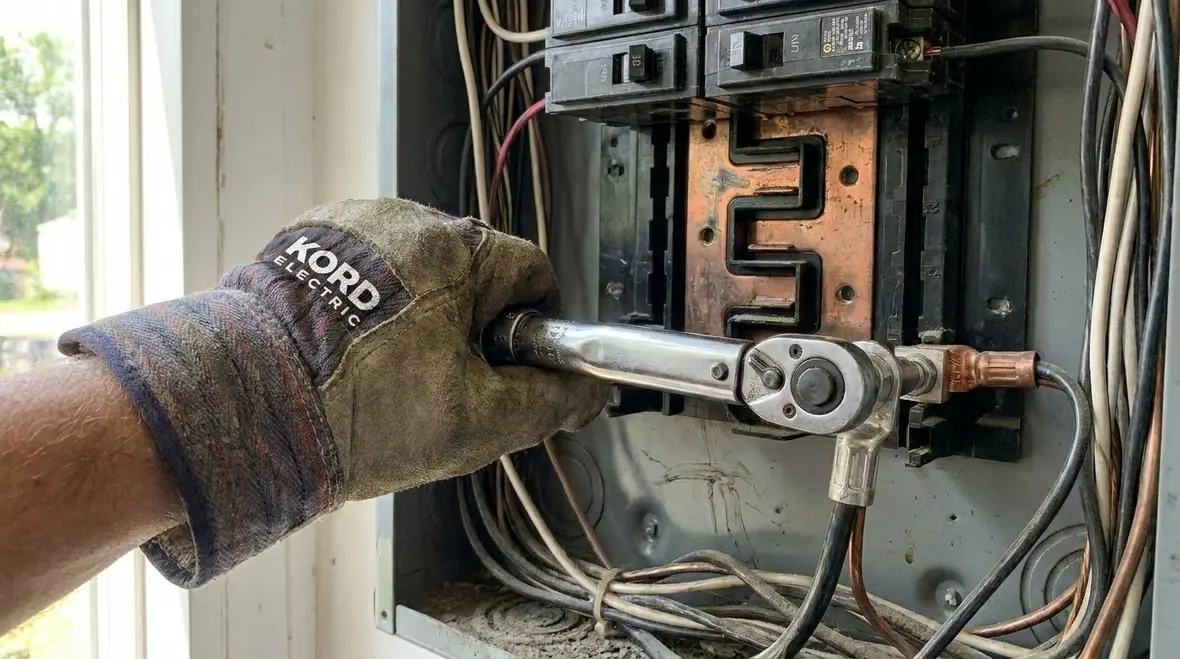
Overheating usually begins at the connection, not in some dramatic explosion. Loose lugs, improper termination, aging conductors, and corrosion can raise resistance. Higher resistance makes more heat. More heat degrades insulation. Then, the insulation fails and fire has an easy path.
To reduce this risk, we focus on three control points. First, we check torque and mechanical condition for terminations. Second, we inspect for signs of heat like discoloration, pitting, or a “burnt but still working” look that many people ignore. Third, we confirm that protective devices match the load profile and operate as intended. When breakers, fuses, or relays are incorrectly applied, the system can continue running even when it should trip.
Just as important, we help facilities manage how power is routed and protected. In office environments, cable congestion is common around distribution zones. Therefore, we coordinate cable management and separation practices to avoid hot spots. We also address dust accumulation in electrical cabinets and rooms, because dust can trap heat and worsen insulation aging.
And if your building has ever had a “temporary” cable run that became permanent, we understand. We simply turn those temporary solutions into engineered routes that behave reliably, backed by structured inspection plans similar to the ones we use in our broader hidden electrical risks in commercial buildings projects.
Upgrade panels and wiring before age turns into risk
Electrical fire prevention cannot rely only on repairs. It must also include upgrades when the system’s age or design limits introduce unacceptable risk. Panels and switchgear wear through cycles of load changes, minor vibration, and long-term thermal stress. Old components may still function, but function is not the same as safety.
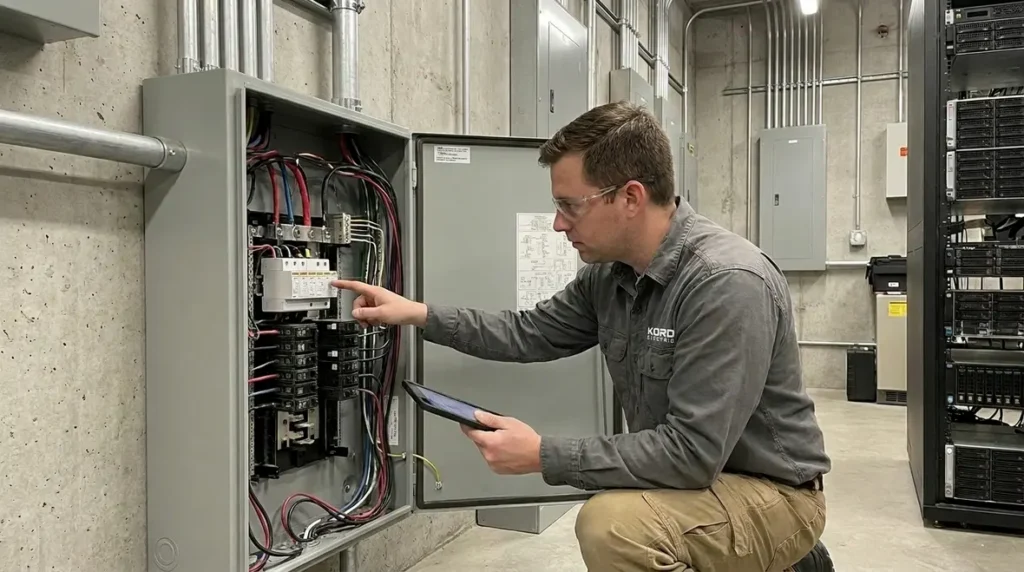
We evaluate the condition of distribution equipment, including panel interiors, labeling clarity, circuit identification quality, and protective device condition. Then we recommend targeted upgrades based on risk and operational needs. Instead of blanket replacement, we prioritize what will reduce the most risk first, such as aging components at the highest load points or sections with history of nuisance trips or temperature issues. That strategy pairs naturally with guidance from resources like our NFPA 70B electrical panels and switchgear maintenance perspective.
When wiring insulation shows wear, we do not just “patch it and hope.” We address the full context, including pathway conditions, termination method, and load demands. Similarly, in major property buildings, we consider how electrical zones interact across floors and tenant spaces. That matters because failures often travel through shared infrastructure.
Our technicians explain what an upgrade changes, what it prevents, and how it affects uptime. We keep the business side in view, because a safe building is great, but a building that cannot operate is not the goal.
Control load and circuit behavior so fires never get the fuel
Even the best equipment can fail if the load keeps increasing or if circuit usage shifts faster than the electrical design adapts. Offices evolve. New printers arrive. Cooling loads change with renovations. People plug in devices that were never part of the original plan. Therefore, load management becomes a fire prevention strategy.
We analyze electrical loads and circuit behavior to identify problems like chronic overload, mismatched breakers, and circuits feeding equipment that does not belong on that path. We also review how power is distributed through junction points and branch circuits. When circuit design does not match real use, heat builds where it should not.
Additionally, we help facilities improve operational practices. For example, we advise on how to reduce poor connections during maintenance, how to avoid “daisy chain” extension habits, and how to ensure that contractors follow the same safe standards as in house teams. This is one area where others often miss the mark. They focus on equipment and forget people. We focus on both.
And yes, people love shortcuts. It is one of our most charming traits. Electrical safety just demands we do not treat “close enough” as a technical standard.
Prevent arcing and protect circuits with smart protection choices
Electrical arcing can start silently. A small fault can jump a gap or travel through compromised insulation. Once arcing begins, it can release heat and ignite nearby materials. Therefore, we help commercial and industrial facilities evaluate protection strategies that reduce arc risk and improve fault interruption.
We review how protective devices coordinate across levels, meaning the main feed, branch protection, and downstream devices work together. Coordination helps prevent widespread damage and keeps faults from lingering too long. We also consider where additional protection makes sense based on the building layout, occupancy needs, and the nature of the connected equipment.
Our expert service staff guides facility managers through the “why,” not just the “what.” We explain how faster clearing and proper device selection reduce the chance that a fault becomes sustained heat. In major property buildings, we also support documentation so your team can maintain compliance and keep a clear history of what was installed and when.
Think of it like a good security team. You do not want everyone chasing the same problem with no plan. You want coordinated response, the right tools, and clear roles. That is how protection works when it is done correctly, especially when combined with structured response options like our dedicated emergency electrical services.
Dual column: Electrical fire prevention actions we prioritize in commercial sites
What we check
Electrical panels and terminations
Cable routing, separation, and damage
Protective device condition and settings
Environmental conditions like dust and moisture
Documentation and circuit identification
What we do
Inspect and trend potential heat issues
Correct routing and repair compromised wiring
Verify coordination and proper interruption
Improve housekeeping for electrical rooms
Update records for clear maintenance
FAQ: Office electrical fire prevention, answered fast
Our office electrical fire prevention plan for your facility
Fire prevention works best when it is planned, documented, and repeated with discipline. Kord Electric builds electrical fire prevention strategies that fit commercial and industrial operations, not generic checklists. Our technicians inspect key components, trend risk, correct faults, and recommend upgrades where they matter most. If you want a calmer electrical room and fewer surprises, contact us. We will review your current setup, explain findings in clear terms, and map next steps that protect people, equipment, and your uptime.
For facility managers across Southern California, especially in busy markets like Los Angeles County, pairing these office electrical fire prevention tips with regional expertise helps keep operations stable. Our team supports everything from routine inspections to complex troubleshooting and emergency response. If you are coordinating multiple locations or managing a major property portfolio, our broader Los Angeles County electrical services give you a single partner for inspections, upgrades, and fire risk reduction across sites.
When you are ready to take the next step, we can align an inspection schedule, review your existing reports, and connect your fire prevention priorities with a long term electrical maintenance plan. That combination keeps your office more resilient, your tenants more comfortable, and your leadership team better informed about where risk sits and how to reduce it.
Call Kord Electric today to start, or send us a note with your current concerns and we will help you turn them into a clear, calm, and actionable electrical fire prevention plan.