Electrical Panel Capacity Audit Prevents Downtime
Electrical Panel Capacity Audit Prevents Downtime, and We Keep You Running
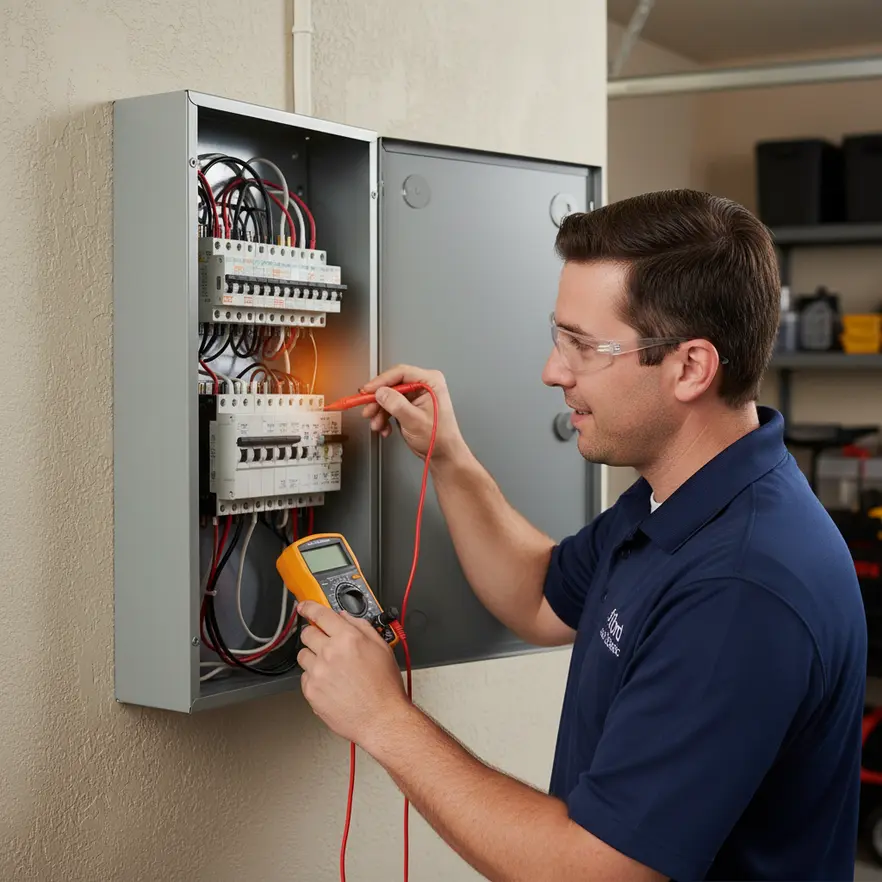
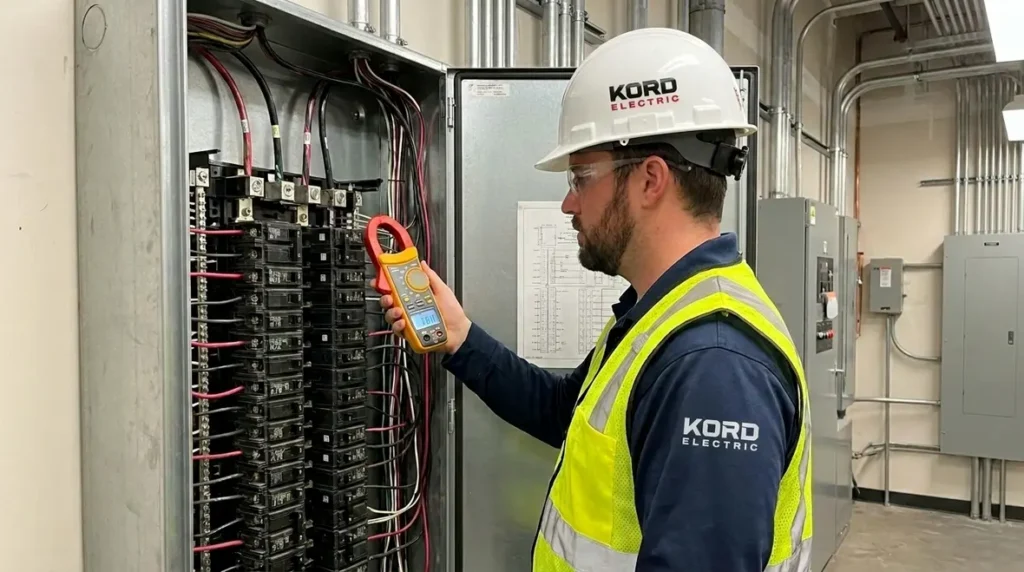
At Kord Electric, we start with an electrical panel capacity audit because we have seen what happens when equipment is left to “figure it out later.” During these assessments, our expert service staff reviews load demand, breaker behavior, heat marks, and growth plans, then we map what your panel can handle today and what it will face next. As a result, commercial and industrial facilities avoid the slow slide into nuisance trips, overheating, and unexpected outages. And yes, nobody wants a plant floor to go quiet like a Netflix episode with the audio cut out. We make sure that does not happen.
After the audit, we do more than report numbers. We explain what they mean, what to fix, and how to schedule work so operations stay stable.
Why load growth turns into outages
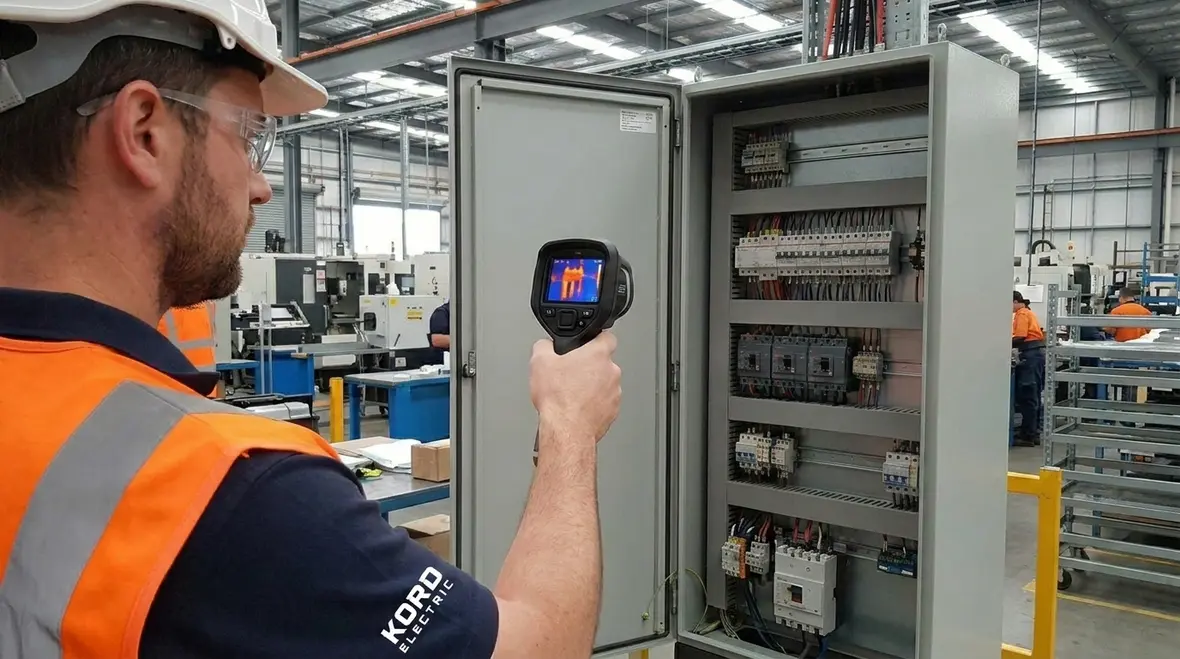
Most downtime does not begin as a dramatic failure. Instead, it starts as small stressors that build over time. Loads shift, production schedules change, new HVAC units kick on, and additional systems get added because “it seemed fine.” However, panels were designed for a certain balance of capacity, thermal conditions, and wiring layout. When the real world drifts, the panel has to work harder to move the same power.
Over time, this added demand can raise temperatures at bus bars, terminations, and breakers. Then insulation ages faster. Next, you see symptoms such as discoloration, flickering loads, repeated breaker trips, or voltage dips. Eventually, failures happen at the worst moment, often during a peak demand window. And while an electrician can replace parts, the bigger win comes earlier: we confirm whether you have enough margin before stress becomes trouble.
That is why we treat the audit as a prevention step, not a postmortem activity. Our technicians approach it with calm focus, like they are listening for the faintest hint of a problem hiding behind normal operations.
How our technicians spot hidden stress before it bites
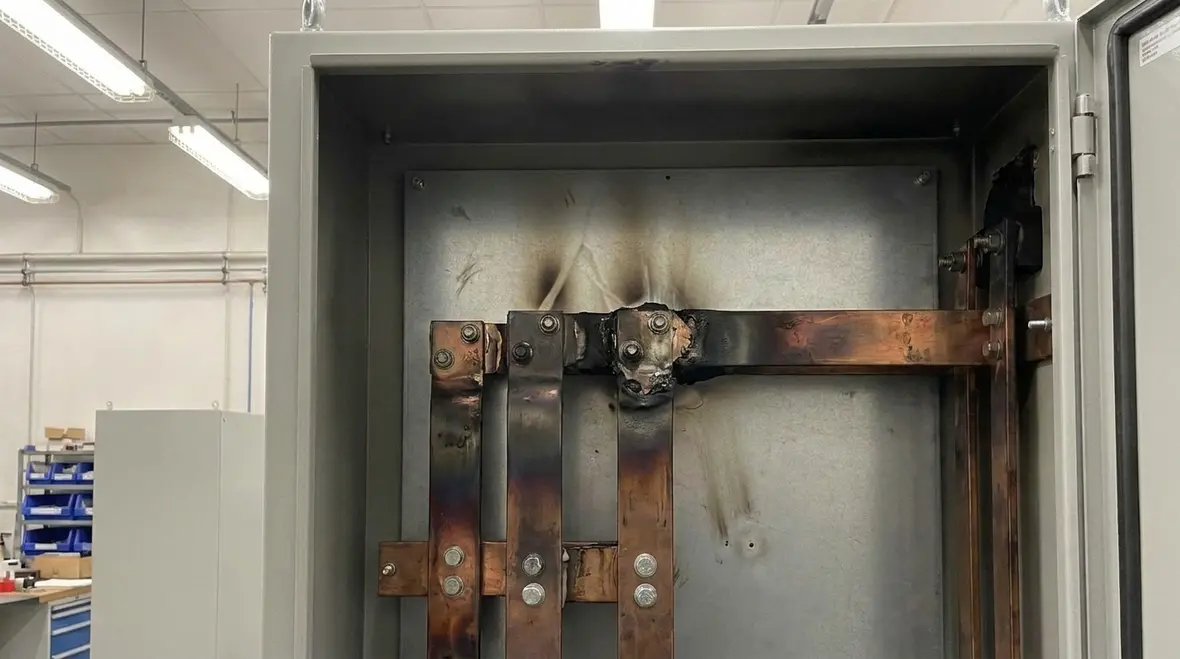
In the field, we do not rely on guesses. We verify. Our expert service staff performs a structured review that connects electrical data to physical conditions, so the electrical panel capacity audit reflects both what the meter says and what the panel shows.
For example, we look at current draw patterns across circuits, then we compare them with equipment ratings and feeder capacity. After that, we check breaker sizing and how loads share the panel. Even when totals look “okay,” uneven distribution can cause localized overheating. Also, we review past maintenance notes and look for signs that changes were made without updating the electrical plan.
We also take time to confirm that protective devices match the wiring and the expected load profile. Because if a breaker trips too easily, the facility staff starts bypassing symptoms. If it trips too late, a fault can do real damage. Either way, downtime shows up, and operations suffer.
And if you are thinking, “But we have a maintenance schedule,” we agree with you. However, preventive steps still fail when the capacity plan is outdated. That is where our panel review brings clarity.
Link capacity checks to real business risk
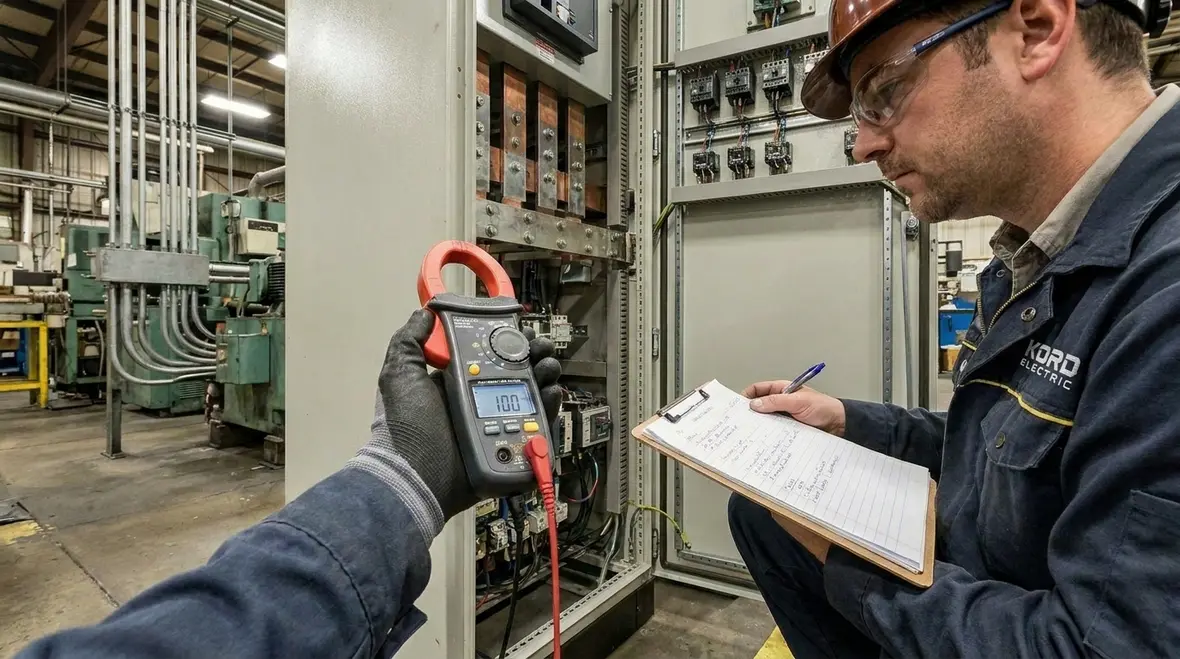
For commercial and industrial facilities, the electrical system is not just infrastructure. It is part of how revenue moves. When power drops, production can halt. When HVAC struggles, indoor environments and processes can drift. When controls reboot, you can lose batching data, alarms, and safety states.
Therefore, we connect panel findings to operational impacts. We identify which circuits carry critical loads, such as manufacturing equipment, pumps, process controls, life safety systems, and major building systems. Then we check how near the panel is to its limits during typical and peak operation.
Next, we help teams plan upgrades with less friction. Instead of waiting for a failure, we schedule work around shutdown windows, staffing availability, and lead times for parts. That means fewer surprises and calmer operations. And calm is valuable, because sometimes your maintenance team has already been awake since before the morning coffee made its first appearance.
In addition, capacity planning supports future projects. If you plan to add equipment, expand production, or upgrade chillers, we can show what changes require panel updates now and what can wait.
How preventive maintenance supports the audit results
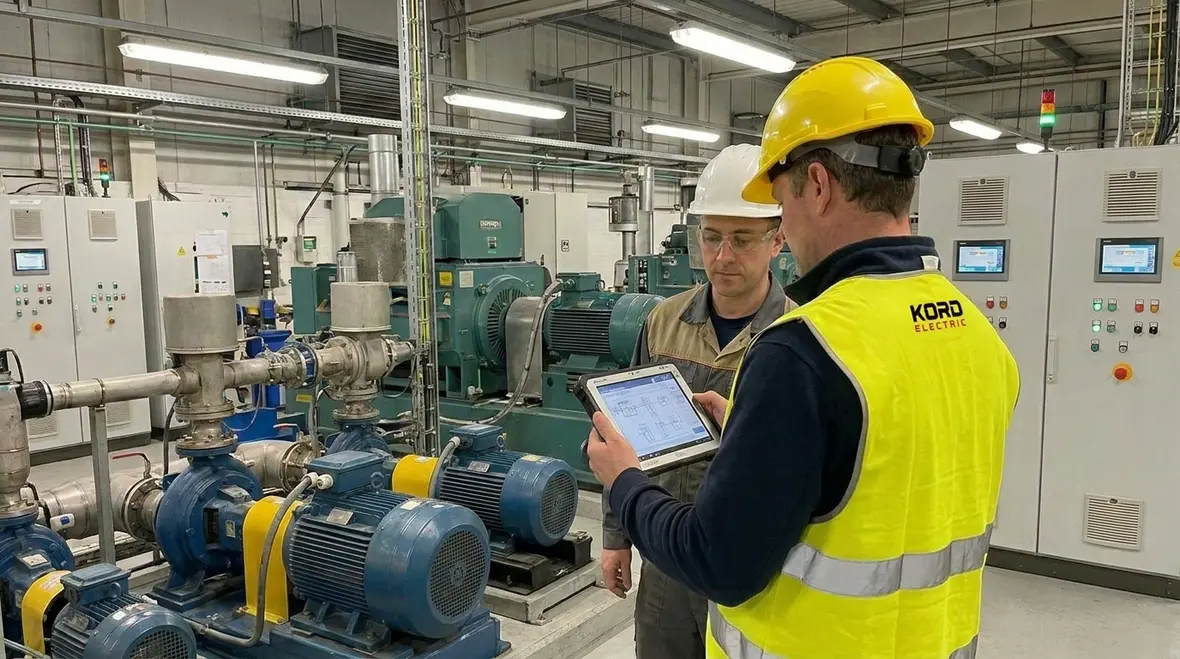
Our work does not end at the findings. We align the capacity audit with a preventive maintenance approach so recommendations actually hold up in the real world. Kord Electric supports this with our preventive maintenance process, which focuses on consistent checks and practical upkeep across electrical systems. If you visit our electrical preventive maintenance page, you will see the kind of routine we use to keep systems reliable and safe.
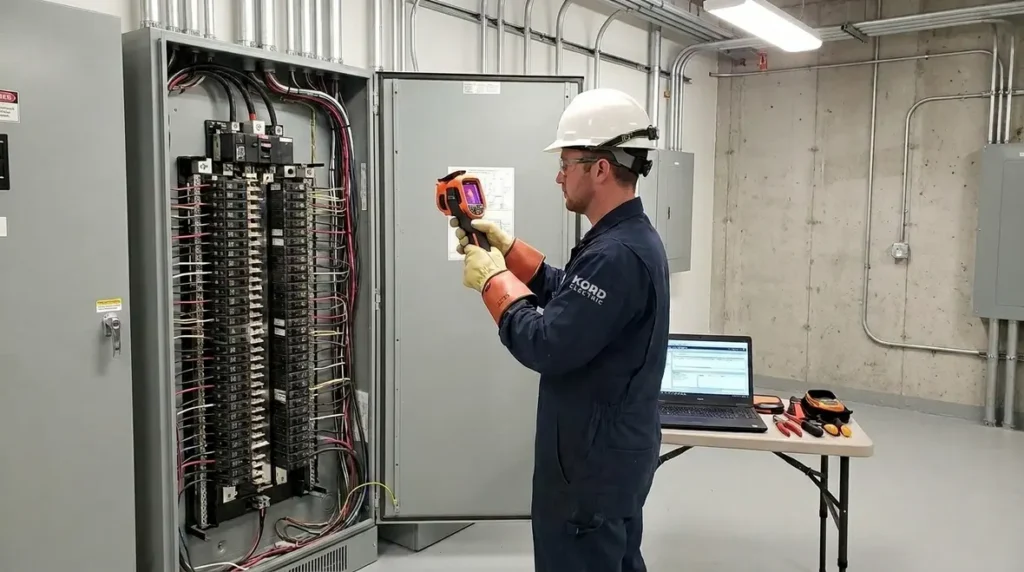
Here is how it ties together in a practical way. First, the audit highlights where capacity is tight, where loads run hot, and where aging components may be near their limit. Then, preventive maintenance turns those findings into scheduled action. That may include tightening terminations, inspecting connections, verifying breaker condition, and tracking thermal signs over time.
As a result, we reduce repeat issues. We also build a clearer history of how each panel behaves under load. Over time, that history lets our technicians forecast risk more accurately than one-time inspections.
And we communicate all of this in plain language. We explain what the numbers mean, what the panel is telling us, and what the next step should be, so other teams do not have to translate electrical jargon like it is a foreign language no one studied for.
What a capacity audit typically includes for C and I sites
Every commercial and industrial facility has its own load patterns, equipment types, and expansion plans. Still, our audit follows a consistent method so results stay comparable and actionable across sites.
We typically include the following in the electrical panel capacity audit process:
- Load review by circuit and end use to see what truly runs during normal and peak periods
- Assessment of breaker sizing, coordination, and protection strategy for safe fault response
- Inspection of panel condition, including signs of overheating, loose connections, and aging components
- Review of wiring paths and terminations to confirm the system matches the installed loads
- Planning review to account for known upgrades, equipment additions, and schedule changes
- Priority recommendations that focus on reducing outage risk first, then improving efficiency
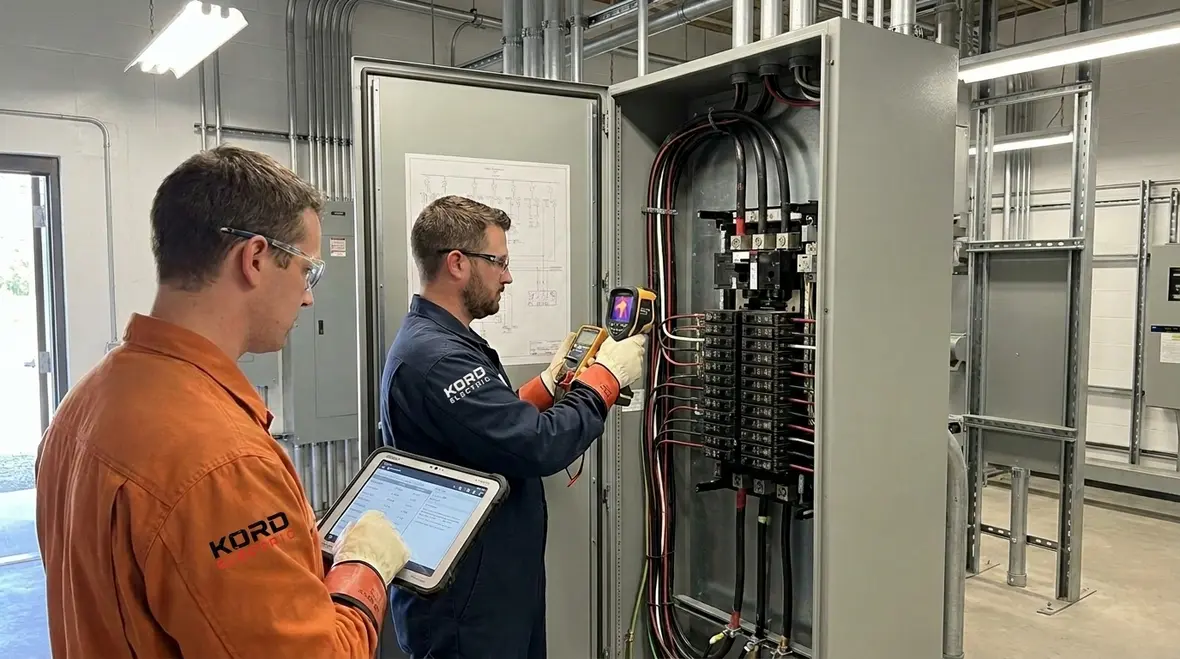
Then our expert service staff walks the facility manager through findings. We do not just say “this is close.” We explain why it is close, what trend supports that conclusion, and what the solution looks like in real facility terms.
Because if we cannot explain it clearly, you will not trust it. And if you do not trust it, the work gets delayed. Then downtime arrives like a pop-up ad you cannot close. We prefer fewer surprises.
When you should schedule an audit and what to expect
For most major property buildings and C and I operations, an electrical panel capacity audit should happen before a risky growth period. We also recommend scheduling it after changes that affect load, such as new HVAC, new production lines, major lighting retrofits, or adding charging infrastructure for fleets.
Timing matters. If you wait until you see frequent trips or unstable performance, the panel may already carry damage from heat and stress. Therefore, we aim to intervene early enough to reduce risk without forcing emergency work.
During scheduling, our team coordinates with your operations staff. We plan access, limit disruptions, and document conditions with care. Next, we provide a findings report and recommendations prioritized by criticality. Then we support the team in turning recommendations into maintenance actions and project scope.
What you can expect is a calm, thorough process led by technicians who care about the building, not just the paperwork.
FAQ
Conclusion: Reduce outage risk with Kord Electric
When you manage commercial and industrial power, guessing costs money, and outages cost more. With our electrical panel capacity audit, Kord Electric helps you spot capacity limits, distribution issues, and protection risks before they trigger downtime. Then our expert service staff explains the findings clearly and supports preventive maintenance steps that keep your facility stable. If you want calm operations and fewer surprises, contact Kord Electric today and schedule your panel capacity review. To connect this with a broader reliability strategy, you can also explore our electrical preventive maintenance programs and related services like EV charger installation for facilities planning future-ready infrastructure.