Electrical Panel Overheating in Commercial Buildings
In a commercial space, an electrical panel overheating commercial building problem often begins quietly. Maybe staff notice a faint smell near the main service. Maybe the lights dim for a second and then return like nothing happened. Or perhaps the breaker trips after hours, even though the load should be steady. However, when heat builds inside commercial electrical panels, the risk grows fast. In fact, what starts as a warm panel can turn into insulation damage, loose connections, and costly downtime. Kord Electric works with commercial and industrial facilities and major property buildings, so we treat these warnings like they deserve attention, not like they are “probably fine.”
In this article, our expert service team explains why commercial panels run hot, what causes failure in real-world buildings, and how we prevent repeat issues. And yes, we will also keep it calm. Panels can be hot. We do not need to make people hotter.
When an electrical panel overheating commercial building shows up, it rarely starts politely
In a commercial space, an electrical panel overheating commercial building problem often begins quietly. Maybe staff notice a faint smell near the main service. Maybe the lights dim for a second and then return like nothing happened. Or perhaps the breaker trips after hours, even though the load should be steady. However, when heat builds inside commercial electrical panels, the risk grows fast. In fact, what starts as a warm panel can turn into insulation damage, loose connections, and costly downtime. Kord Electric works with commercial and industrial facilities and major property buildings, so we treat these warnings like they deserve attention, not like they are “probably fine.”
In this article, our expert service team explains why commercial panels run hot, what causes failure in real-world buildings, and how we prevent repeat issues. And yes, we will also keep it calm. Panels can be hot. We do not need to make people hotter.
Why commercial panels overheat in the first place
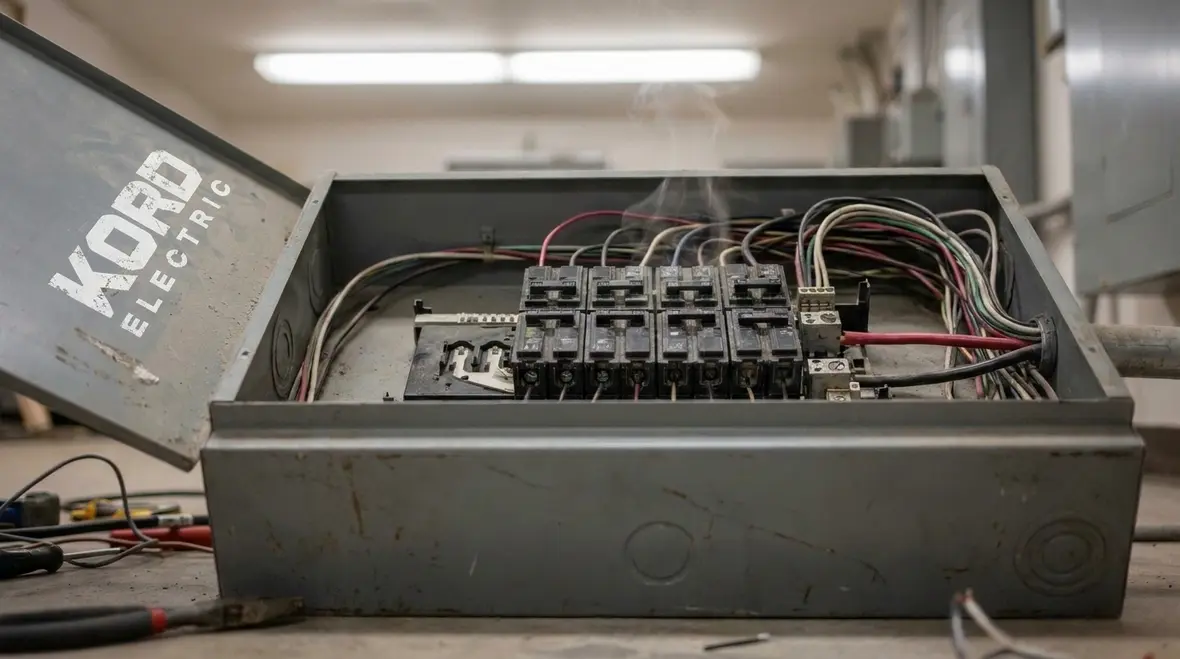
Commercial electrical panels overheat for a few predictable reasons. First, heat usually comes from resistance, and resistance comes from the way electricity travels through connections. When connections loosen, corrosion forms, or wrong parts get installed, electricity meets more resistance and produces more heat. Next, heat also shows up when panels carry loads beyond what the design expected. Even a properly assembled panel can overheat over time if the building expands, adds equipment, or changes operating schedules.
Meanwhile, thermal damage can hide behind “it seems to work.” Insulation can harden and crack. Bus bars can develop hot spots. Terminations can lose pressure. If a panel has been patched through upgrades, the internal load distribution may no longer match the original layout.
Our technicians at Kord Electric explain it in simple terms during inspections. They check for the root cause, not just the symptom. Because resetting a breaker is like changing the subject in a meeting. It feels good for ten minutes, then the real issue comes back.
Common warning signs in commercial properties
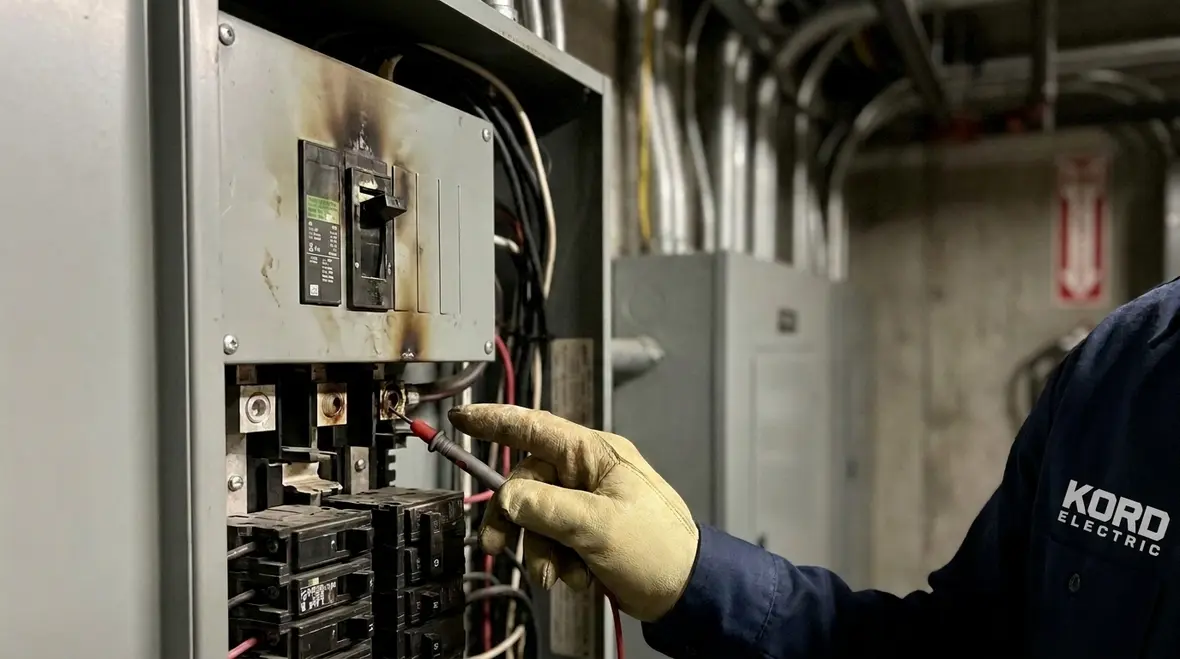
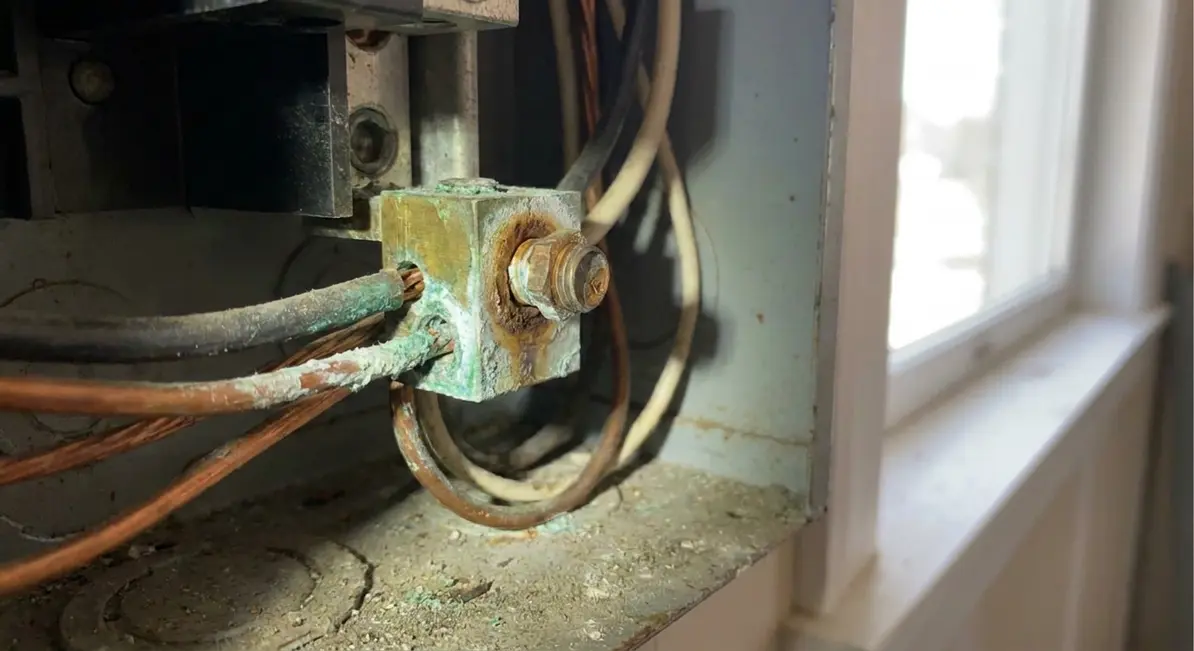
Most building managers do not wake up and decide, “Today, I will watch my panel cook.” Instead, warning signs appear in a pattern. Kord Electric references the typical commercial panel upgrade warning signs we see across Los Angeles area projects and major properties. These include frequent breaker trips, repeated nuisance alarms, scorching smells, visible discoloration around breakers, and humming or buzzing from the enclosure. Another sign is heat that spreads unevenly, which often points to loose terminations or uneven load distribution.
Additionally, some panels show swelling or warped door hardware. In some cases, the panel cover feels unusually warm even when the building load should be normal. If facility staff notice hot spots near specific breakers, that pattern matters. It suggests the trouble lives in specific circuits, not across the whole system.
And when the system has aging components, the story becomes more urgent. Old breakers, old lugs, and mixed brands inside the same enclosure can introduce compatibility issues. So, rather than “wait and see,” the smartest approach is to investigate before damage spreads. For some facilities, that investigation eventually points toward a planned upgrade, similar to the warning signs outlined in Kord Electric’s Commercial Panel Upgrade Los Angeles Warning Signs guide, so panel overheating does not turn into unplanned downtime.
What causes hot spots at the breaker and lug level
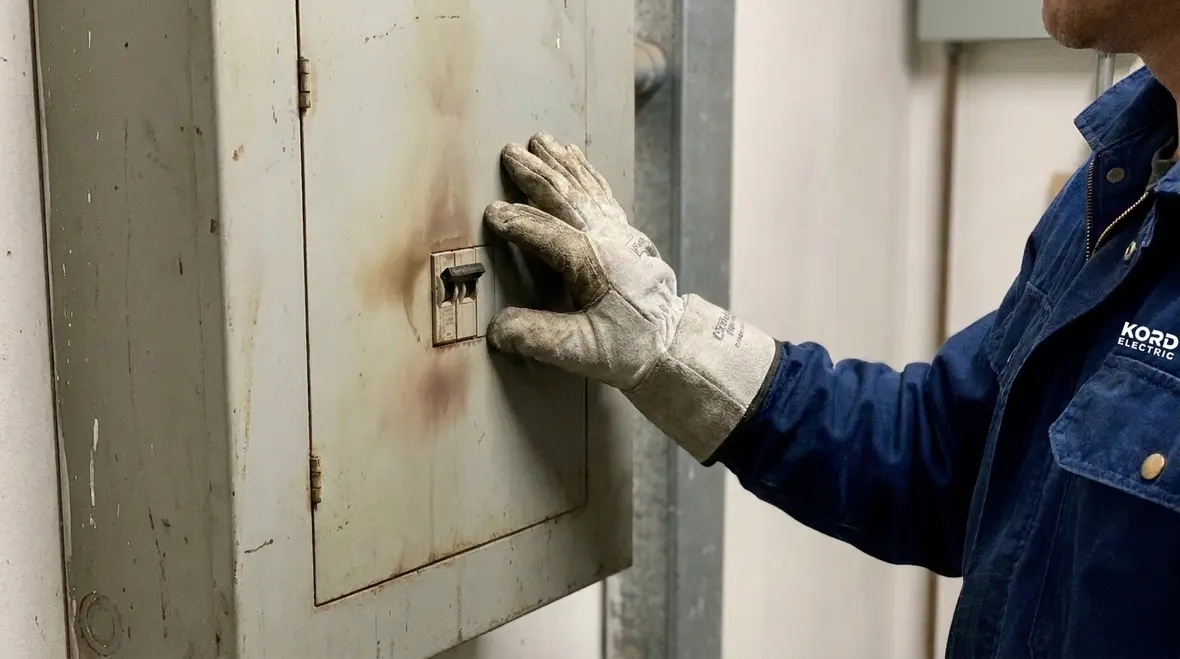
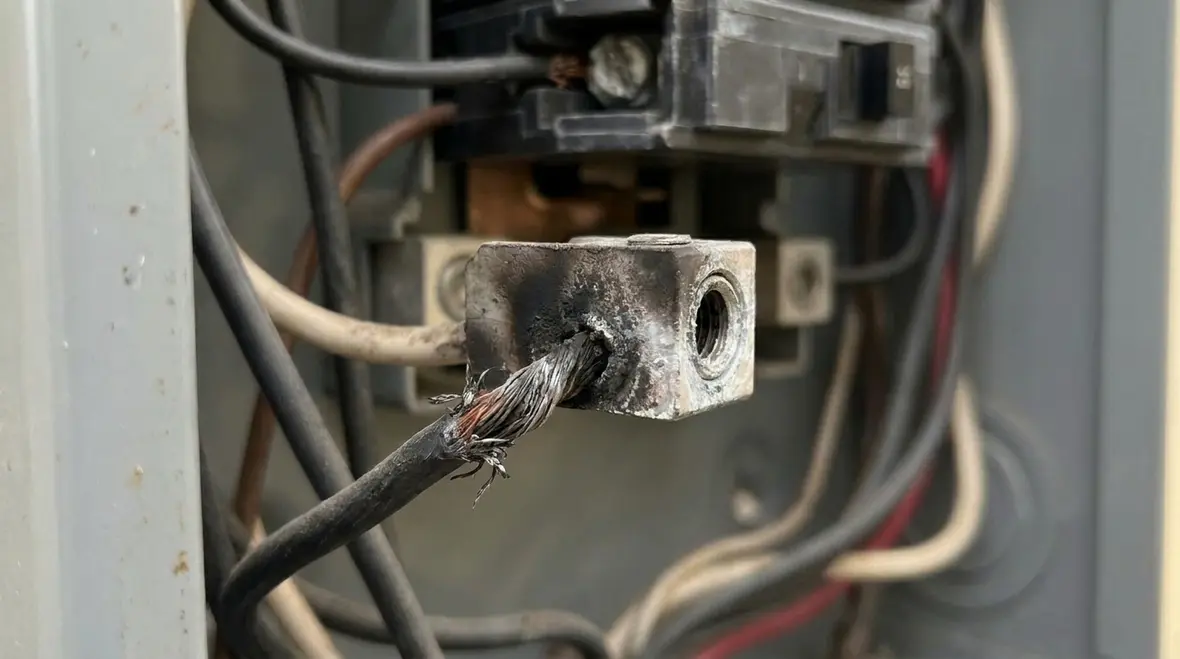
Hot spots often form at the points where electricity changes direction and joins together. Lugs, splices, and breaker connections take the brunt of mechanical stress. Over time, vibrations from HVAC systems, doors closing near the service area, and daily building operations can slightly loosen terminations. Then, corrosion can creep in if moisture has a path into the cabinet. Once contact quality drops, resistance rises, and the panel warms further.
In addition, improper torque during installation can create a weak connection that looks “tight enough” to the untrained eye. However, electrical connections need the right pressure at the right time. If the wrong torque spec gets used, the joint never reaches full contact. We have seen upgrades where someone reconnected existing wires without verifying terminations and without checking for damaged conductor insulation.
Also, mismatched conductor sizes and overloaded feeders create stress. Even a small imbalance can make one phase carry more current. Then that phase heats sooner. And once the internal temperature climbs, materials degrade, which raises resistance again. That is how a small issue turns into a self feeding problem.
How we prevent panel overheating with field tested steps
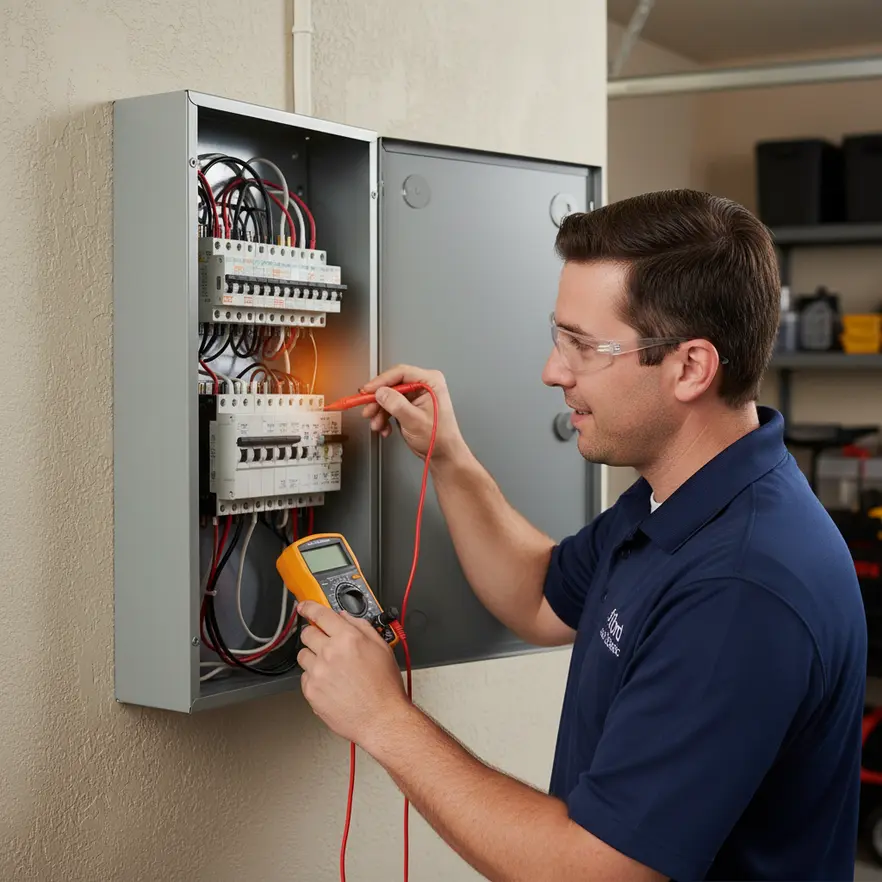
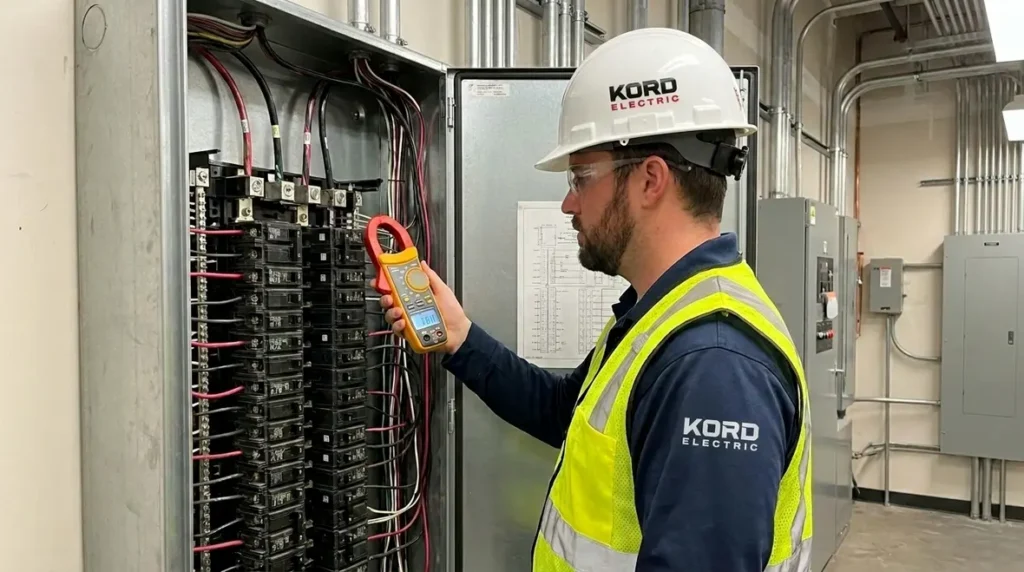
At Kord Electric, we prevent issues by combining inspection habits with practical corrective work for commercial and industrial facilities. First, our team performs targeted visual checks inside and around the enclosure. We look for discoloration, damaged insulation, and signs of moisture entry. Then we verify connections and check for consistent tightness and proper termination.
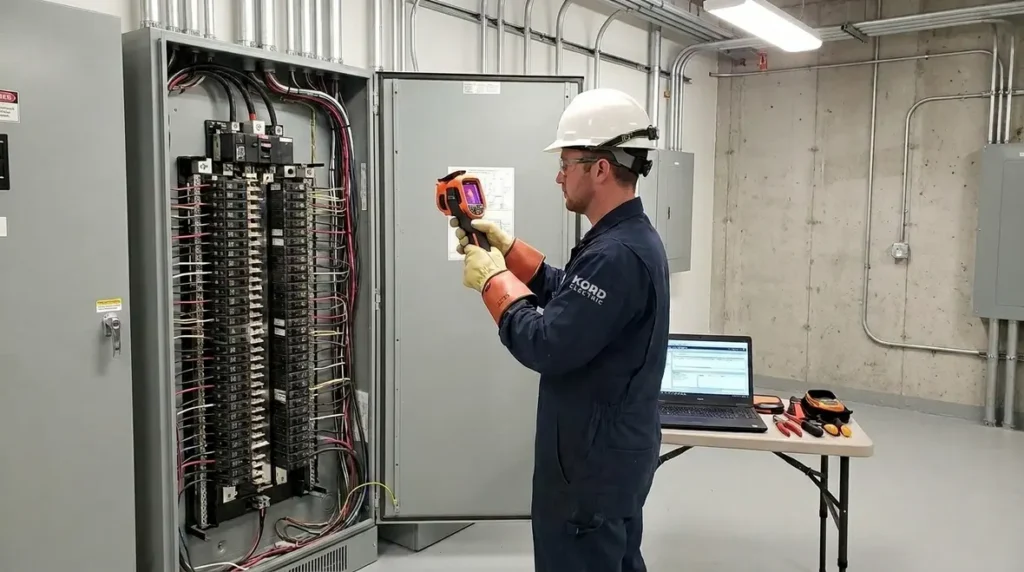
Next, we use thermal focused methods when appropriate, because heat patterns tell the truth. If a panel has one circuit running hotter than expected, it will usually show it. Then we trace it back to the connection point, the breaker behavior, and the load profile. We also evaluate whether the building’s current electrical demand matches the panel’s original design intent.
Importantly, we consider what came before. Many major property buildings receive upgrades in phases. When electricians revisit a panel repeatedly, the arrangement changes. So, we verify labeling, confirm circuit mapping, and ensure that modifications integrate cleanly. Our expert service staff explains every finding to the building team so the fix makes sense for the budget and the schedule.
And yes, sometimes the best prevention is a proper upgrade. But we do not “sell fear.” We present the facts, the likely root cause, and the safest path forward. Because in the electrical world, guesswork is not a strategy. It is a hobby.
For organizations that operate across multiple facilities, pairing this kind of targeted panel work with broader Los Angeles County electrical services helps keep panels, switchgear, and distribution equipment aligned under one coordinated reliability plan.
When a commercial panel upgrade becomes the smart move
Some buildings need more than tightening and cleaning. If the electrical panel has reached the limit of its design, or if multiple components show wear, then upgrading becomes the safer option. A major property building often adds tenants, expands operations, or increases mechanical loads. As a result, a panel that once handled the building comfortably may now run near its thermal ceiling.
Also, older enclosures may not support modern load management needs. For example, if the system lacks updated protective device coordination, faults may trip in less predictable ways. Then critical circuits might lose power during peak load. Meanwhile, outdated components can struggle with newer equipment types.
Kord Electric often addresses these situations with a planned commercial panel upgrade approach that reduces downtime risk. Our technicians explain the warning signs and help facility leaders plan for installation windows. We also coordinate with building operations so the upgrade supports the real schedule, not a theoretical one.
Ultimately, we aim to prevent future overheating by matching capacity, equipment selection, and installation practices to how the building actually runs today. In some cases that upgrade may be paired with other work, from EV charging infrastructure to smart energy management, so the panel, the loads, and the building’s long term goals are all aligned.
FAQ about electrical panel overheating in commercial buildings
What Kord Electric recommends next for a safer electrical system
If your team suspects an overheating panel, act with care and speed. Kord Electric serves commercial and industrial facilities and major property buildings, and we treat panel issues like serious business because they are. First, schedule an inspection so our technicians can identify the root cause, whether it is a connection problem, corrosion, moisture, or a capacity mismatch. Then we recommend the right corrective plan, from targeted repairs to a commercial panel upgrade, based on your building needs and schedule. Contact us today and keep your power steady, not stressful.
As you plan the next steps for an electrical panel overheating commercial building scenario, it often helps to think beyond a single repair. Coordinating panel work with broader services, such as those outlined in Kord Electric’s Los Angeles County electrical offerings, keeps inspections, upgrades, and troubleshooting connected instead of scattered across multiple vendors. That coordination makes it easier for facility teams to track history, understand recommendations, and prevent the same overheating pattern from recurring a year later.
For some facilities, the next step is a focused inspection and thermal scan. For others, it is building a small roadmap that includes panel corrections, load balancing, and preventive maintenance visits. Either way, the goal is the same: make sure your electrical panels stay as calm as your operations team wants your power to be.
Connect panel safety with long term reliability
When a commercial panel runs hot, it is rarely an isolated story. That heat often reflects how the building has grown, how loads have shifted, and how long it has been since someone looked closely behind the dead front. Treating overheating as part of a bigger reliability conversation gives your facility more than a quick reset; it gives your team a plan. With the right partner, your panels, transformers, and switchboards can all be part of the same steady, documented electrical strategy.
If your facility is already weighing future projects, from EV charging infrastructure to smarter energy controls, solving today’s panel issues now will pay off later. A clean, well documented panel makes every other upgrade easier to design, permit, and build, because the electrical foundation is clear, compliant, and ready for what comes next.
Ready to have your commercial panels evaluated?
Kord Electric’s team is ready to inspect, troubleshoot, and correct overheating issues in commercial and industrial panels, whether you manage a single property or a portfolio across Los Angeles County. From identifying hot spots to planning a commercial panel upgrade, we focus on clear explanations, safe execution, and minimal disruption to your operations.
Reach out today, schedule an evaluation, and turn that uneasy warm panel into a documented, well managed part of your electrical system instead of a question mark behind a metal door.