

Commercial Transformer Installation California Guide
Kord Electric handles commercial transformer installation california for commercial and industrial facilities, as well as major property buildings across the state. And yes, transformers are the quiet muscle behind your lights, HVAC, and processes, the way a good stagehand keeps the whole show from falling apart. In this article, we walk through what California typically requires, what inspectors look for, and how our expert service staff keeps projects smooth from planning to final energized testing. We explain in plain language, because the only surprise anyone should get is the one at the end of the movie, not at 2 a.m. during a power issue.
California requirements for commercial transformer installation and what they mean on site
When we support commercial and industrial buildings, we treat transformer installation requirements like a checklist with real consequences. First, we coordinate with the local authority having jurisdiction and follow the National Electrical Code along with California amendments. Next, we confirm utility interconnection rules, because the utility does not care about our schedule, only about safety and compliance.
Then we plan for the physical realities. Transformers must be installed so that maintenance stays safe, clearances meet code, and equipment stays protected from damage and water intrusion. We also verify that the room or enclosure is appropriate for the equipment, including ventilation needs, fire protection expectations, and safe access paths for technicians.
Our technicians and expert service staff explain what they are doing as we do it. That matters, because when a facility manager understands the “why,” approvals go faster and fewer questions pop up later, like a sequel nobody ordered.
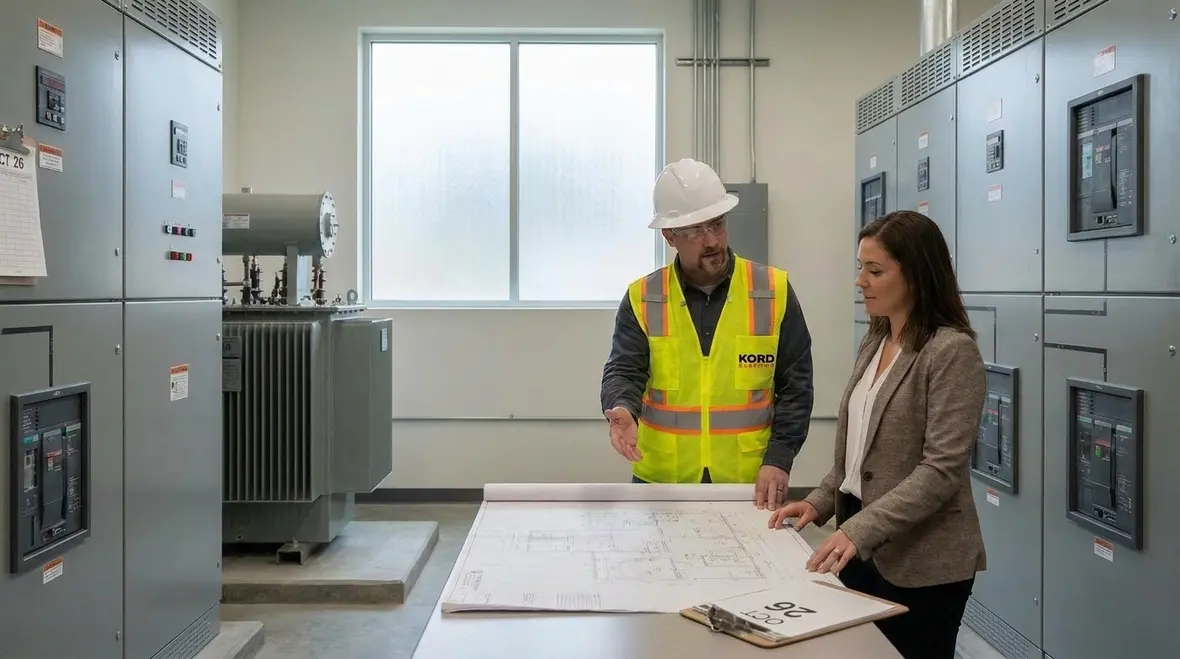
Transformer room design, clearances, and accessibility for major properties
Every major property building runs into the same issue sooner or later: transformer access cannot be an afterthought. For commercial and industrial sites, we plan the transformer space with clear pathways, safe working distances, and equipment placement that allows qualified personnel to service components without improvising tools, ladders, or prayers.
We also pay close attention to spacing around live parts, because accessibility and safety need to stay aligned. Further, we confirm that the installed setup supports future work such as inspections, switchgear interactions, and potential replacement. If a transformer room is cramped, you do not just lose convenience. You risk longer outages during maintenance, which then impacts operations and business costs.
Additionally, we evaluate whether the design supports proper grounding, cable routing, and separation between power components and control circuits. And if the building has unique constraints like limited entryways or tight ceiling heights, our team adjusts the plan early instead of letting the field become a troubleshooting comedy.
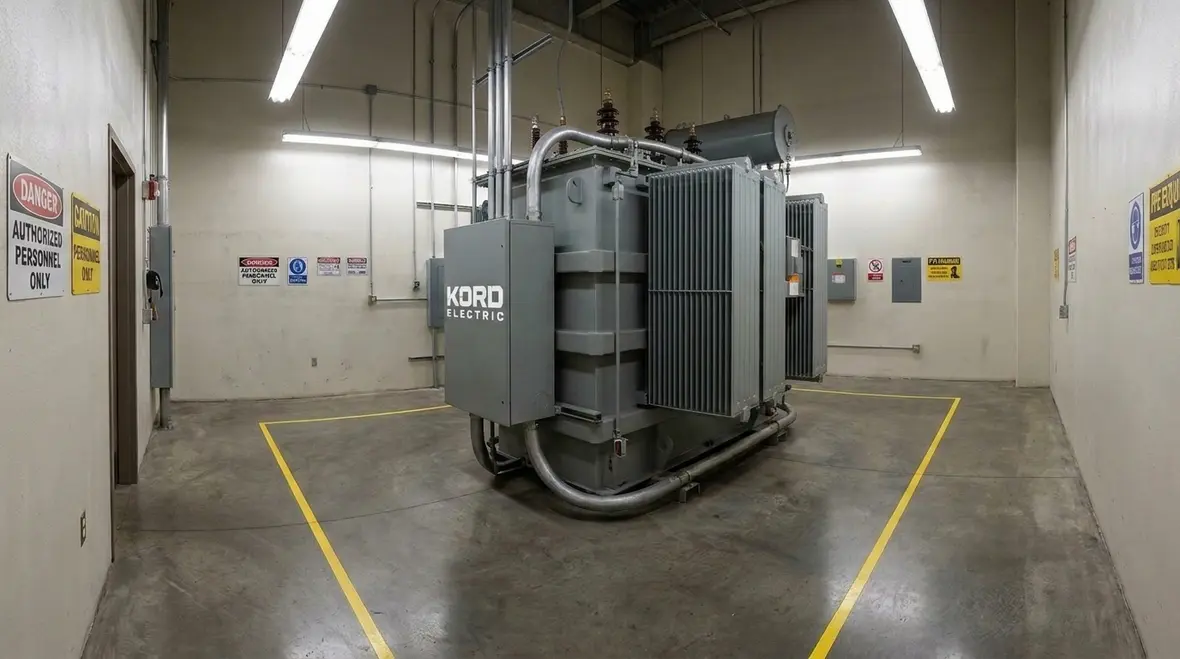
Permitting, utility coordination, and inspection readiness
Before we energize anything, we build a compliance path that keeps the project moving. Initially, we help clients gather the needed submittals, single line diagrams, equipment data, and installation details that inspectors and utilities expect to see. Then we coordinate with the utility because transformer work often ties directly into service connections, metering, and switching schemes.
At this stage, our expert service staff communicates clearly with facility stakeholders. We explain what documents matter, who reviews them, and what common gaps slow down approval. After all, nobody wants a permit bounce, and nobody wants to learn the hard way that an inspector needs a specific label or test record.
We also prepare for inspection timing by sequencing tasks logically. For example, we complete rough electrical work, verify grounding continuity, confirm correct termination practices, and document testing. Only after the required checks do we move toward energization. In other words, we make sure the inspection team walks in, sees the work, and nods, like a principal who actually read the paperwork.
If you are building out a larger commercial electrical system around your transformer project, it can help to align your planning with a broader commercial electrical systems guide so transformer design fits cleanly into distribution, backup power, and long term maintenance strategy.
Electrical safety standards that we verify before energizing
Safety is not a slogan in commercial power systems. It is the standard we test for. For transformer installations in commercial and industrial settings, we verify grounding and bonding paths so that fault conditions behave as intended. We also confirm correct conductor sizing, proper termination torque practices, and insulation ratings that align with the installation environment.
In addition, we check protective device coordination and ensure that switching equipment matches the system design. Then we confirm labeling and documentation so that maintenance personnel can identify equipment quickly during outages or routine service.
We also conduct field testing before energization. Depending on the project scope, this can include verification of insulation resistance, continuity checks, and related commissioning tasks. Our technicians explain the results as we go, so your team understands whether the system meets expectations or needs corrective action. This helps facility managers make decisions with confidence, not guesses.
And yes, we take this seriously because transformers do not negotiate. They either meet standards or they do not. The power does not care about your deadline either, sadly like a superhero with strict rules and zero patience.
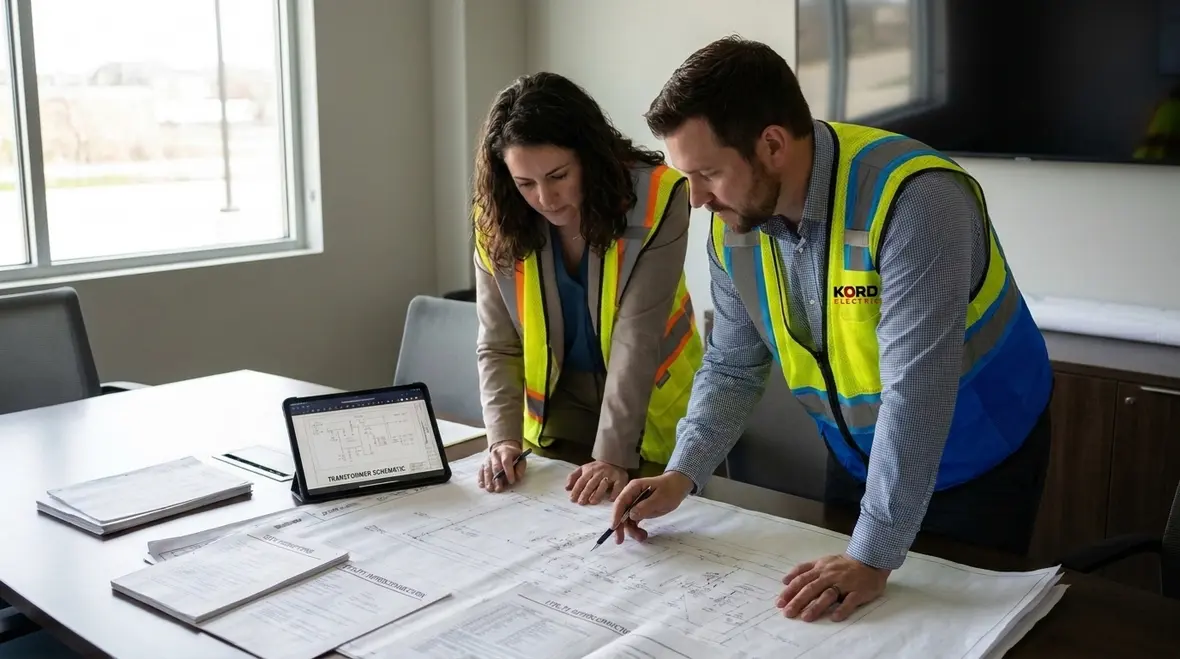
Planning for load, voltage, and system performance in commercial buildings
Successful transformer installation does not start in the room. It starts in the load study and system planning. We help commercial and industrial facilities evaluate present demand, future growth, and power quality needs. Then we confirm whether the selected transformer ratings align with expected operation, including motor starting currents and peak demand cycles.
From there, we coordinate with switchgear, distribution panels, and any involved feeders. In a major property building, you might have multiple tenants, diverse equipment, and changing schedules. Consequently, the electrical system must handle real-world load variations without creating unnecessary stress or nuisance trips.
We also discuss efficiency and temperature considerations, because heat management affects long term performance. And when a facility plans upgrades such as EV charging, HVAC expansions, or industrial process loads, we make sure the transformer and downstream equipment can grow with the site.
Our expert service staff supports these decisions with practical guidance, not vague promises. We explain how design choices influence reliability and how the system behaves during normal operation versus fault conditions. That way, others do not have to learn these lessons the hard way during the next big shutdown.
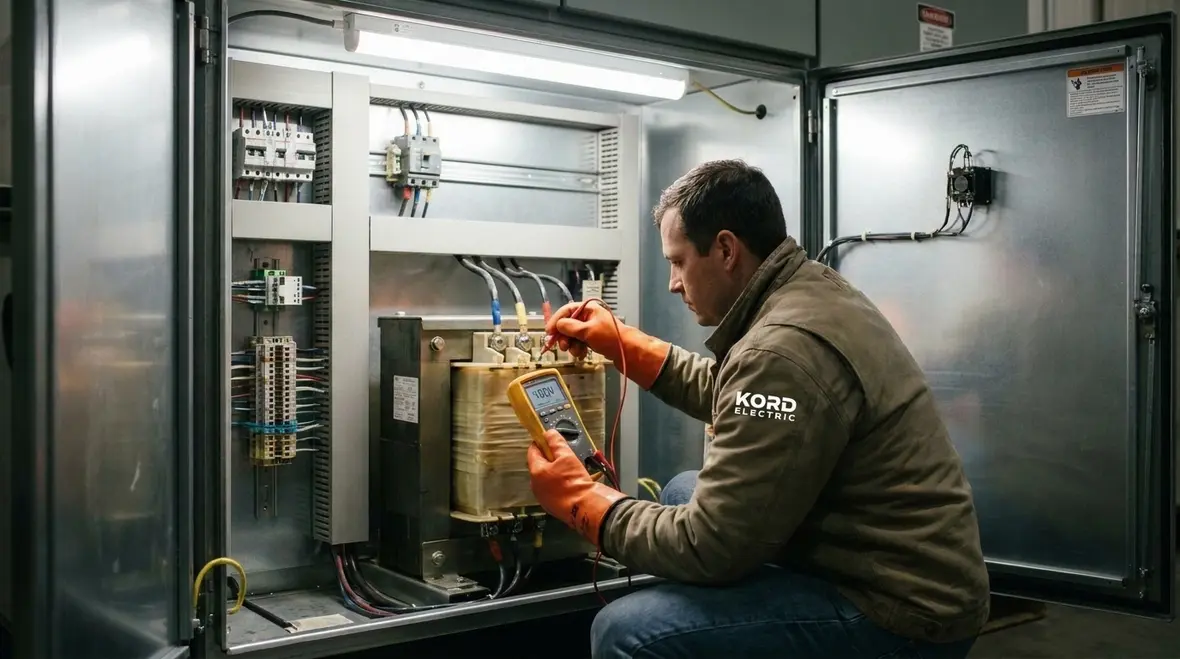
Best practices for installation quality control and documentation
Quality control is where projects either stay calm or turn into a long week. We maintain a structured approach: we verify materials before installation, confirm layout accuracy, and ensure proper torque and connections throughout. Then we monitor cable routing and separation practices, because neat work often means safer work and easier troubleshooting later.
We also focus on commissioning details. Our technicians document test results, record equipment identifiers, and ensure labeling matches the single line diagrams. That documentation supports facility maintenance and helps future contractors understand the system without playing detective.
To reduce surprises, we use checklists and hold internal review points before key steps like energization. If something looks off, we correct it early. This helps avoid late-stage delays and keeps the facility in service as planned.
And if you think documentation sounds boring, consider this: when the building manager needs to answer an insurance question at midnight, documentation turns into the quiet hero. Nobody claps for it, but everyone is grateful when it exists.
If you want to tighten up your record keeping around transformer work and broader distribution systems, you can align your approach with structured electrical system documentation best practices so test reports, as-builts, and maintenance logs stay easy to use instead of disappearing into a filing cabinet.
FAQ
Ready for a compliant transformer installation in California
If you manage a commercial or industrial site, you do not need guesswork. You need a team that plans carefully, installs safely, and documents everything so inspections move forward without drama. Kord Electric supports major property buildings with experienced technicians, clear communication, and dependable commissioning for transformer and power system work. Reach out to us today to review your scope, confirm requirements, and build a smooth installation path. Let’s get your electrical backbone online the right way, the first time.
For facilities across the region, our team also supports broader Los Angeles County electrical services, including panel work, distribution upgrades, and maintenance programs that keep transformers and connected systems stable over the long term.
When you are ready to move from planning into action on your next commercial transformer installation california project, Kord Electric can coordinate permits, perform the installation, and stay involved through energized testing and future maintenance.


