Industrial Electrical Equipment Failure Prevention
How Kord Electric supports industrial electrical equipment failure prevention
Industrial facilities do not fail politely. One loose connection, one overheated component, one neglected panel can turn into downtime that costs more than people expect. That is exactly why Kord Electric focuses on industrial electrical equipment failure prevention, built around steady inspection, smart testing, and repair before a fault becomes a headline. Our clients need power that stays stable for production, safety systems, and critical operations. Therefore, we help others protect motors, switchgear, drives, transformers, and distribution gear through preventive maintenance and disciplined follow through.
And yes, we hear it often: “We will fix it when it breaks.” That approach works great for comedy, not for plants. While we keep things calm, our expert service staff stays thorough, because prevention is not a slogan. It is a schedule, documented actions, and a real plan to reduce risk.
Build a failure timeline before problems show up
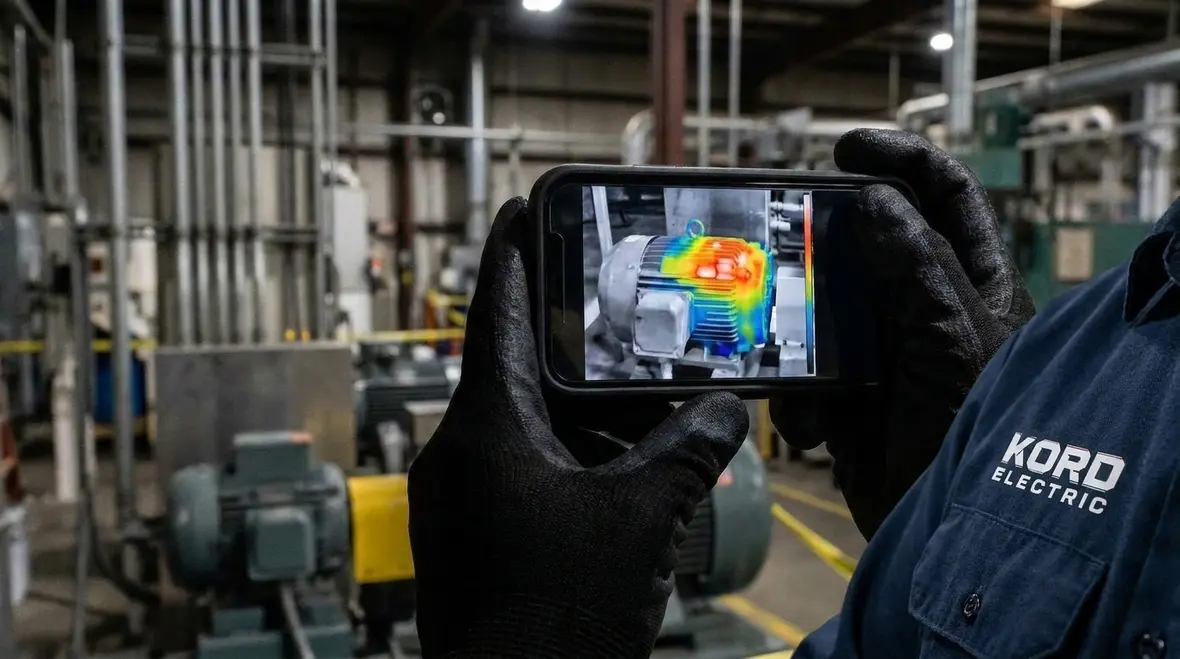
To prevent unexpected outages, we first map how equipment typically fails in commercial and industrial settings. Components rarely die in a single dramatic moment. Instead, they drift. Contact resistance climbs. Insulation ages. Cooling paths clog. Phase balance shifts. Even if the equipment keeps running, it runs less safely, with more heat and more stress each month.
From there, we design an approach that matches the way industrial systems actually behave. Kord Electric reviews how power flows from service gear to distribution and then to critical loads. Next, our technicians examine the environment around each asset, including dust, vibration, moisture, and load patterns. As a result, the plan targets what matters most for that facility, not what looks good on a generic checklist.
We also consider how the facility operates. If production cycles spike current draw, certain equipment will show symptoms earlier. Likewise, if a building relies on emergency systems, we align maintenance with testing windows so safety systems stay ready. When others treat preventive work like an afterthought, equipment failure prevention slips. When we treat it like operations, the results show.
What we inspect during preventive maintenance visits
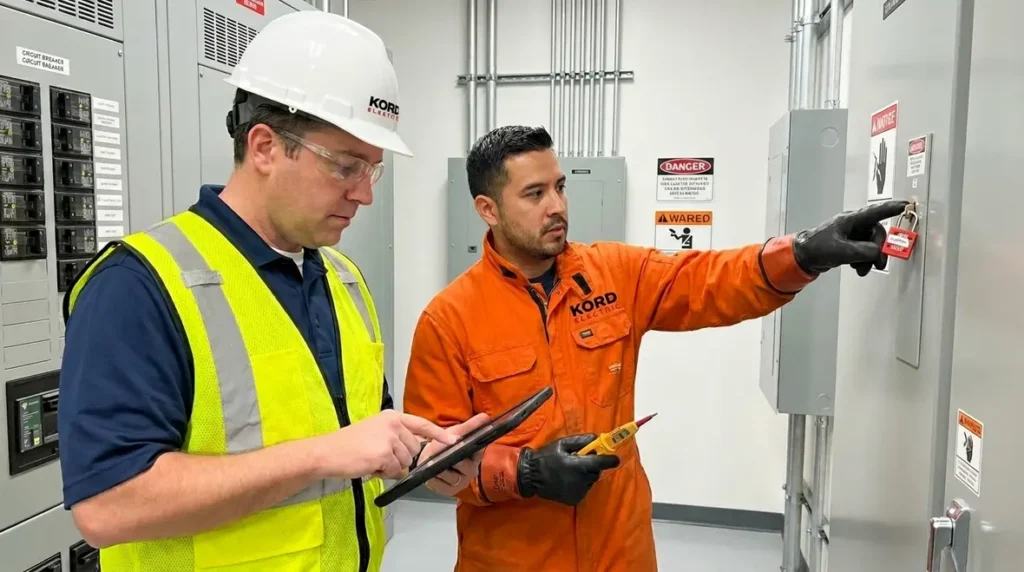
We use a clear set of steps during our preventive maintenance to catch early warning signs. For Kord Electric, this is not a quick glance. Our technicians follow a sequence that checks both electrical and practical conditions. That way, we reduce the odds of a hidden issue staying hidden.
Our team typically focuses on key areas such as:
- Switchgear and switchboards to verify insulation condition, contact performance, and proper operation of protective devices
- Transformers to watch for abnormal temperature patterns, oil condition indicators when applicable, and signs of electrical stress
- Motor control centers and starters to reduce risk from worn contacts, overheating terminals, and degraded components
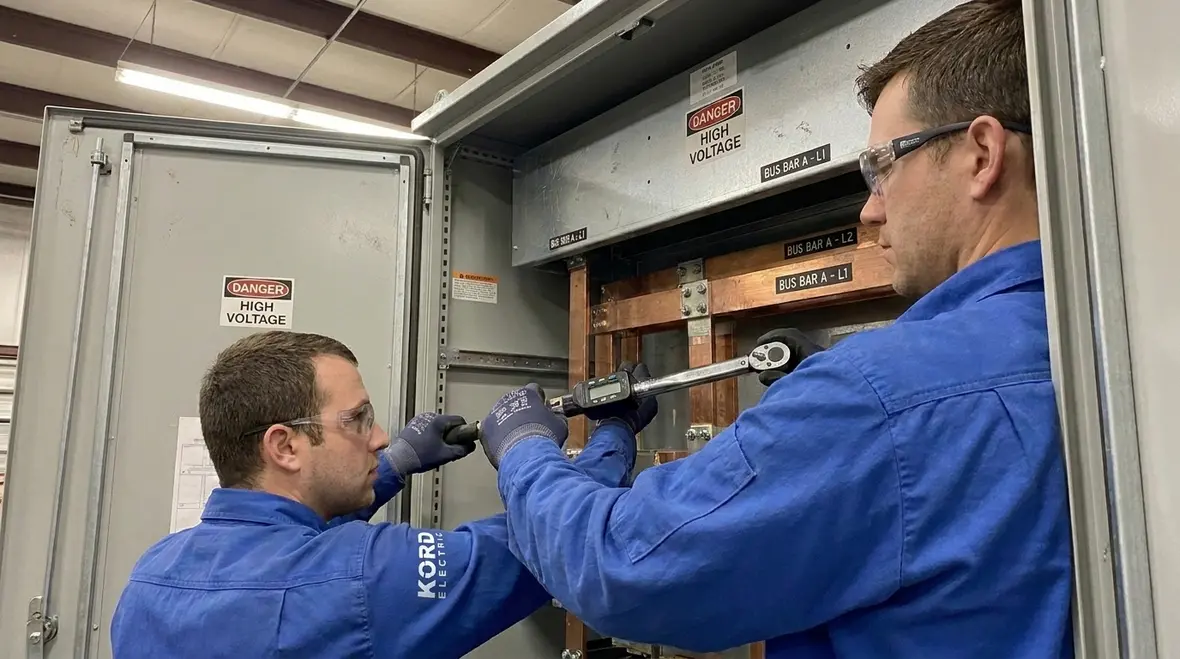
- Bus bars and connections to find loose terminations, corrosion, and uneven torque history
- Grounding and bonding points to maintain safe fault paths for the entire system
- Cables and terminations to identify damage, insulation breakdown risk, and poor connections
In addition, we check protective relays, breakers, and metering so faults get cleared correctly and fast. Moreover, we verify that alarms and monitoring points reflect reality, not wishful thinking. If the facility depends on uptime, we treat the electrical room like mission control, not a storage closet.
For a deeper view into how we structure our process, our clients often review our page on electrical preventive maintenance: Electrical Preventive Maintenance at Kord Electric.
Testing that reveals hidden heat, stress, and risk
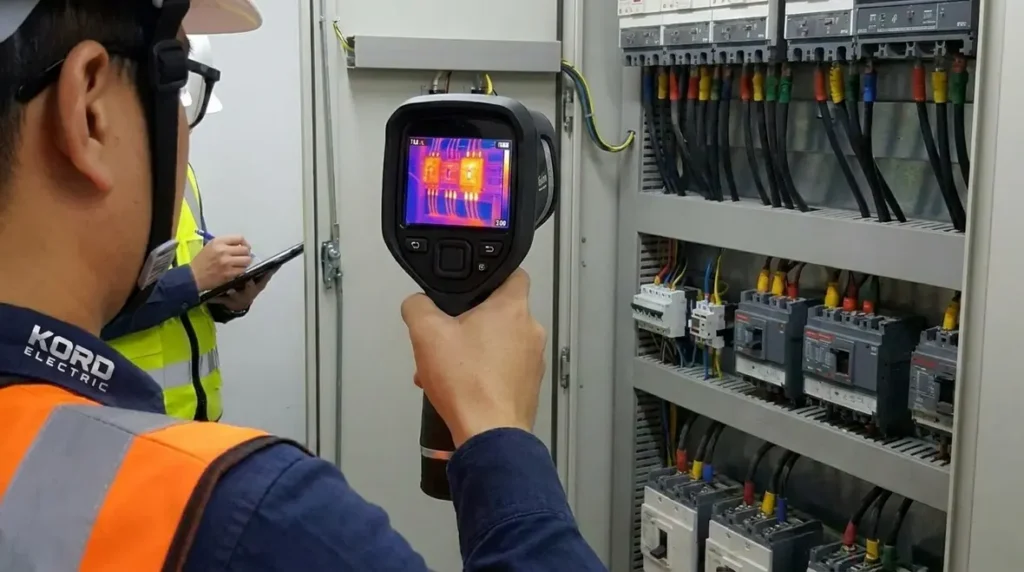
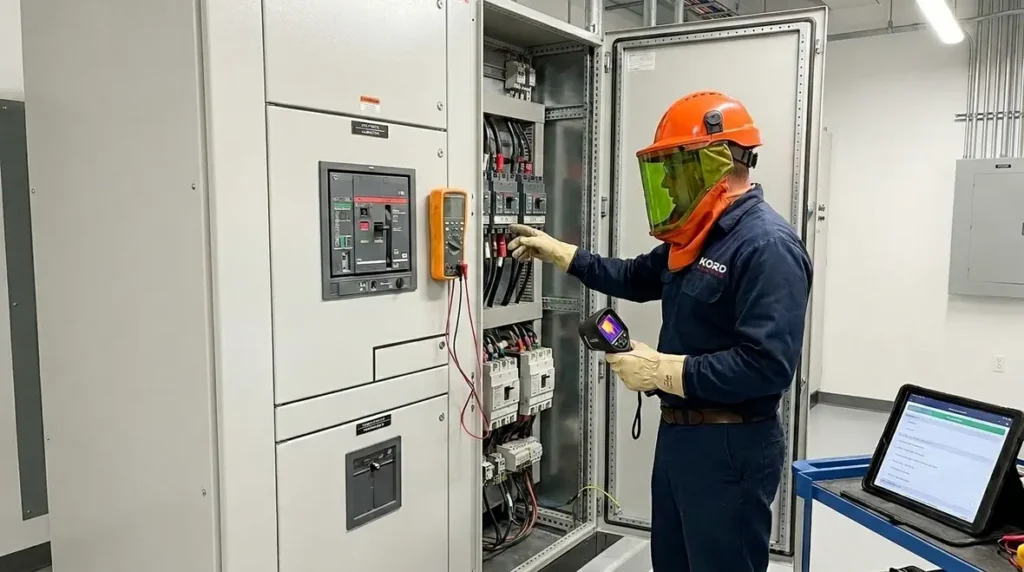
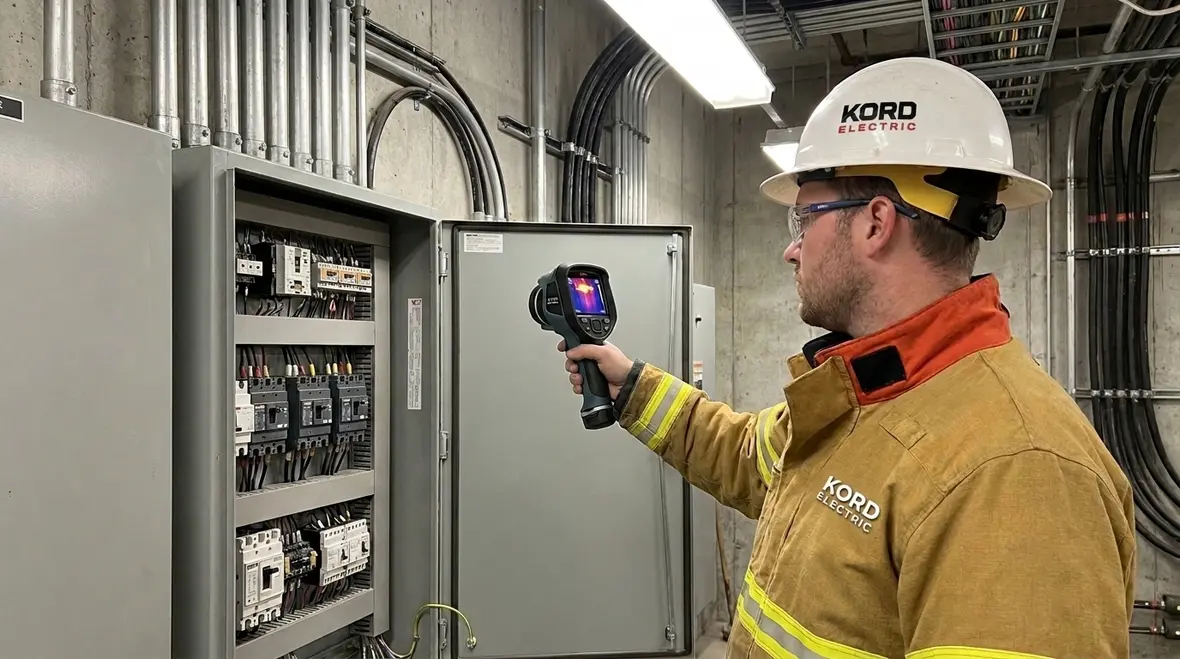
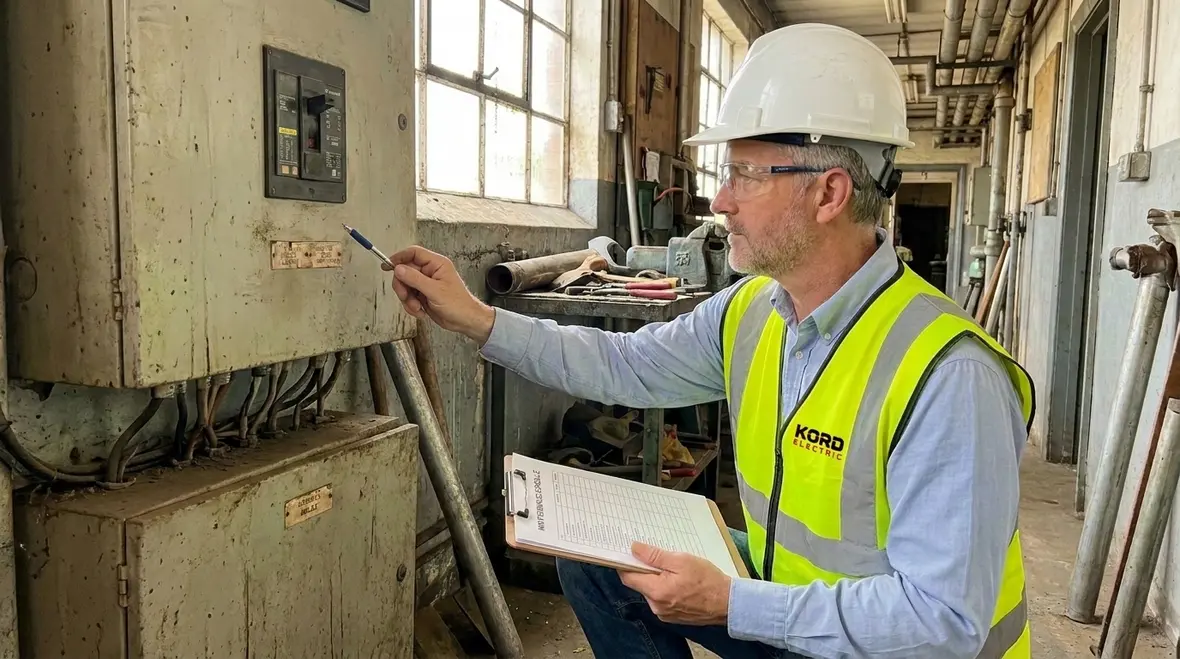
Preventive maintenance succeeds when it uses the right testing methods, not just visual inspection. Therefore, we apply tests that highlight how equipment is aging, how well components conduct, and whether insulation conditions remain healthy. Heat and stress leave traces. When we find them early, we prevent a bigger failure later.
Our expert service staff may include testing focused on insulation, contact quality, and electrical performance. Then we compare results over time so the facility can see trends. This is where industrial electrical equipment failure prevention becomes practical. Instead of guessing, we measure.
We also document findings in plain language. So if a maintenance manager asks, “What does this mean for next month?” we can explain it without a lecture. And if a decision maker says, “Do we have time?” we help them weigh risk against production needs. In short, we connect the test results to real-world operations.
And yes, we get it. Nobody wants their plant to turn into a science fair. Still, the tests protect the equipment like seatbelts protect people. You do not celebrate a seatbelt installation, but you are grateful when you need it.

How Kord Electric technicians prevent repeat failures
When equipment fails, the repair must fix the root cause, not just replace the visible part. Otherwise, the same problem returns under a new label. Kord Electric takes a corrective approach that includes investigation, repair, and follow-up verification. Our technicians do not stop at “it works again.” They confirm that the system operates within expected performance and that the risk factors are addressed.
For example, if a breaker shows signs of stress, we examine why it heated or why protective settings may not match the load profile. If motor control components degrade, we check load balance, cooling conditions, and connection quality. Then we update maintenance tasks where needed, so the next cycle runs smoother.
We also help clients manage documentation. When others lack maintenance records, they make decisions in the dark. We provide clear reports that support planning, budgeting, and compliance efforts. As a result, the facility can schedule work efficiently and avoid emergency costs.
Finally, we train facility teams to recognize early warning signs. Our expert service staff explains what to look for, how to respond, and when to escalate. That calm, guided coaching matters, because prevention also lives in daily observation. When operators and maintenance teams work together, electrical faults get caught faster.
Prevent downtime with coordinated maintenance for key systems
Industrial and commercial sites often rely on multiple electrical systems that cannot pause at random. So we coordinate maintenance windows, sequence tasks logically, and plan shutdowns with production goals in mind. This scheduling focus reduces risk for both equipment and operations.
We prioritize critical loads first, including power for controls, safety systems, process equipment, and life safety support where applicable. Next, we schedule less critical distribution and supporting components. This approach keeps the facility running while we address the biggest threats to stability.
In addition, we align maintenance with seasonal changes and operating intensity. If a facility ramps up production or experiences seasonal humidity shifts, electrical stress changes too. Therefore, we update maintenance frequency so industrial electrical equipment failure prevention stays aligned with the facility’s real conditions.
We also coordinate with major property and multi-tenant building needs when clients require it. For large complexes, we keep communication clear between site teams, vendors, and facility managers. That coordination avoids the classic problem where everyone shows up, nobody knows the plan, and the schedule turns into improv theatre.
For facilities across Southern California that need a structured partner, Kord Electric also provides broader programs such as Los Angeles County electrical services for commercial and industrial operations, helping link preventive maintenance, repairs, and planned upgrades under one coordinated strategy.
FAQ: Electrical preventive maintenance and failure prevention
Request an industrial preventive maintenance plan from Kord Electric
If your facility runs on electrical power, it deserves a maintenance strategy that runs on facts, not luck. Kord Electric builds a clear preventive maintenance plan for commercial and industrial sites, focusing on testing, documentation, and repairs that target root causes. Our expert service staff explains findings in business language, so you can decide confidently. Take the next step today and schedule an assessment. When we prevent problems early, you gain uptime, safer operations, and fewer surprises that steal your week.
When you are ready to strengthen your industrial electrical equipment failure prevention strategy, Kord Electric can also align it with long-term initiatives like electrical distribution upgrades, power quality analysis, and capital planning. Our goal is simple: keep your facility running smoothly, quietly, and predictably, with a maintenance rhythm that feels like part of operations instead of a disruption.
If you would like to connect this planning with broader site needs across Southern California, we can pair your preventive maintenance program with dedicated Los Angeles County electrical services for industrial and commercial facilities, so troubleshooting, upgrades, and routine inspection all flow through one coordinated team.