Electrical Panel Upgrade Signs for Commercial Buildings
At Kord Electric, we see it all the time: a building that runs “fine” until it does not. That is why an electrical panel upgrade often becomes the difference between smooth operations and a costly interruption. In the real world, others wait too long because the lights still come on and the equipment still hums. However, the risks grow quietly inside the panel, like a sitcom that keeps adding plot twists until the season finale hits you with a bill.
In this article, we identify the signs your electrical panel upgrade is overdue and explain what our expert technicians look for on commercial and industrial facilities and major property buildings. We keep the message clear, practical, and calming, because electrical problems rarely arrive with a warning label.
Electrical Panel Upgrade: The Moment You Shouldn’t Ignore
At Kord Electric, electrical panel upgrade projects are rarely about drama. They are about timing. Most commercial and industrial buildings do not fail overnight. Instead, they collect small issues over months and years until one overloaded circuit, one aging breaker, or one overheated connection tips everything into an unplanned outage.
The challenge is simple: as long as the lights turn on and production keeps moving, panel problems stay invisible. Yet behind those closed doors, heat, moisture, dust, and added load keep stacking up. A panel that once handled a modest office now supports EV chargers, expanded HVAC, data racks, and automation equipment. That quiet creep in demand is exactly what makes an electrical panel upgrade such an important part of long term facility planning rather than a last second emergency.
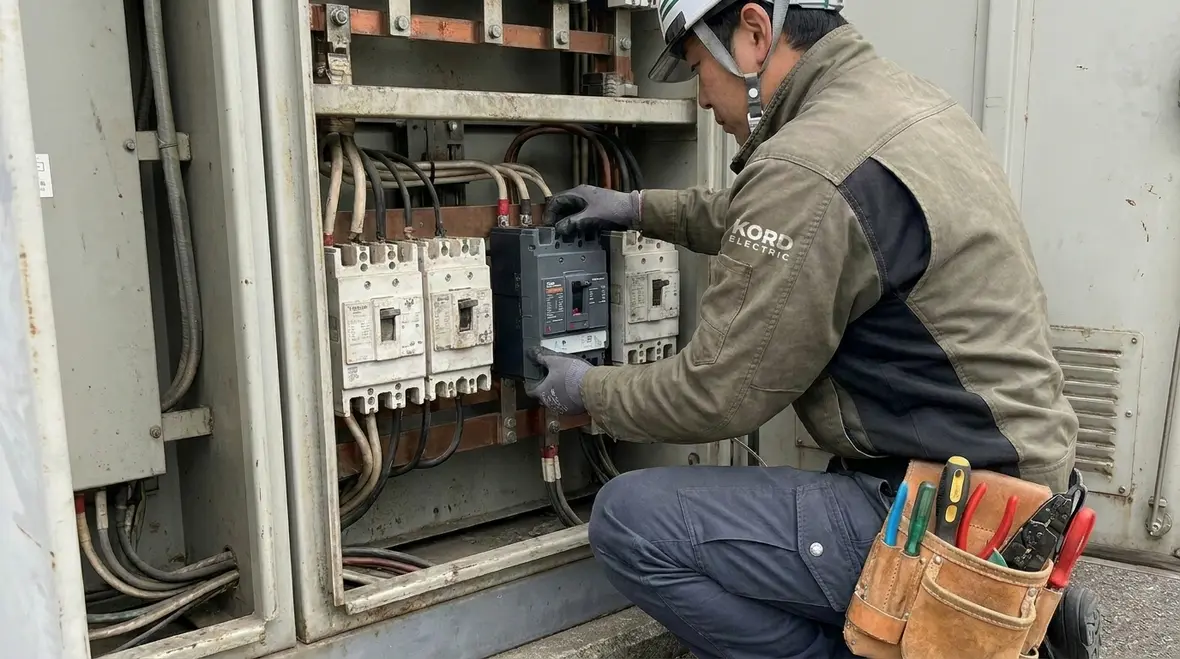
Kord Electric’s broader service offerings, from emergency electrical services to structured electrical preventive maintenance programs, are all built around the same idea: prevent surprises before they halt operations. When we suggest a panel evaluation, it is not because something “looks scary” from the hallway. It is because the combination of age, demand, and conditions says it is time to confirm that your protection still matches your facility’s reality.
If your team already pays attention to voltage stability, load balance, and thermal performance, upgrading or modernizing the main distribution panel is a natural extension of that mindset. It is the point where safety, uptime, and code compliance intersect.
What a Panel Should Do Under Real Load
Electrical panels are not “set and forget” equipment. First, they distribute power safely across breakers, bus bars, and connections. Then, they manage heat, fault protection, and system stability. When a facility adds new loads over time, the panel’s job changes, even if the building has not been updated in years. For example, a property might add HVAC units, EV charging, production equipment, or new IT racks. As a result, the electrical panel can become overloaded or operate near its limits.
At Kord Electric, our technicians and expert service staff explain what they see in plain terms. They show building owners how connections degrade and how protective devices age. And yes, we also remind folks that electricity does not care about hope. If a panel is stressed, it will reflect that stress in heat, noise, nuisance trips, or unstable performance.
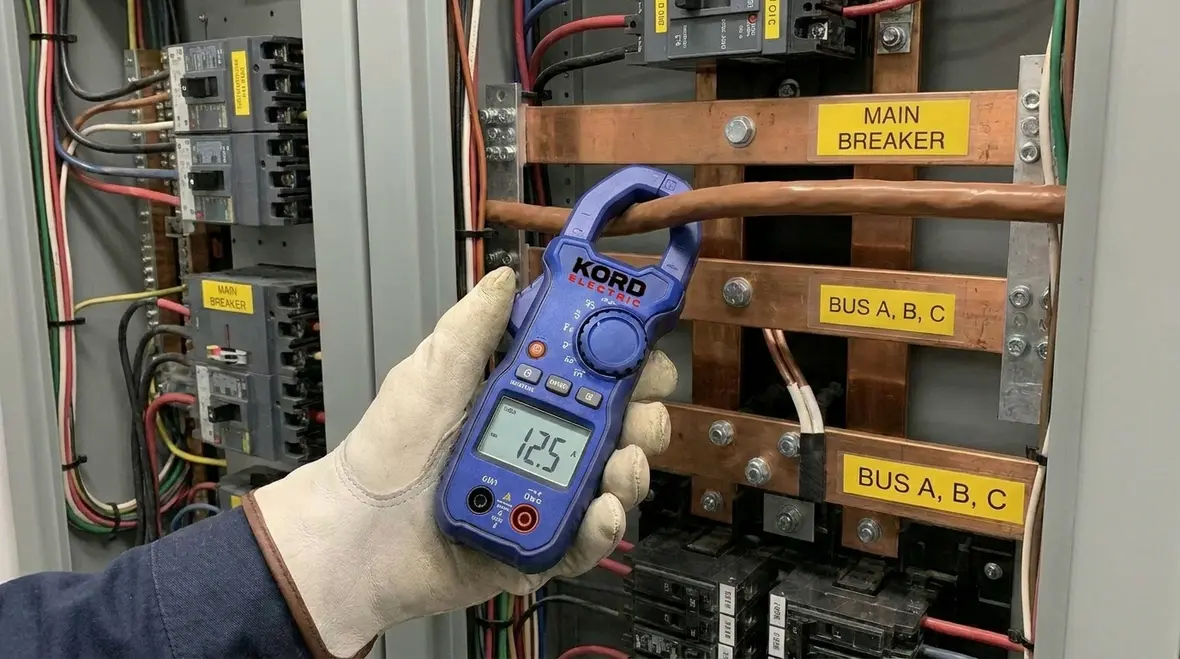
Under real load, a properly designed and maintained panel stays within temperature ranges, responds predictably to faults, and gives your team confidence that breakers will act when they should – not “most of the time.” When those expectations start to slip, it is time to look at whether an electrical panel upgrade would restore that margin of safety and performance.
If your facility has already seen voltage swings, flickering lighting, or equipment that seems unusually sensitive to power quality, it can be helpful to connect panel evaluations with broader diagnostic work like the voltage fluctuation investigations Kord Electric performs for commercial and industrial clients. That holistic view keeps you from treating the panel as an isolated box instead of the central hub it really is.
In many large buildings, the next logical step after addressing hidden electrical risks is to formalize an electrical preventive maintenance plan. That plan often includes panel inspections, thermal imaging, torque checks, and documentation reviews as recurring tasks rather than one time events, making it far easier to schedule upgrades before unexpected failures appear.
Electrical Panel Upgrade Signs: Heat, Smell, Noise, and Other Clues
When an electrical panel upgrade is overdue, you often get early signs that show up before a failure becomes dramatic. Our team looks for patterns, because one symptom alone can have multiple causes. Still, clusters matter. For instance, a panel that feels hot while adjacent areas stay normal deserves attention. Likewise, recurring odors like burning plastic or a sharp “hot metal” smell signals compromised insulation or overheating connections.
We also listen. Some panels start to sound different, like a faint buzzing or crackling. That is not normal background noise, and it should not be treated like the building’s version of “white noise.” In addition, breakers that trip repeatedly, especially under steady conditions, can indicate worn components, faulty connections, or equipment that no longer matches the panel’s protection design.
Finally, watch for visual warning signs. Discolored surfaces, soot around terminals, or corrosion at entry points often mean moisture and heat have been working together. And if you think, “We never smelled anything,” remember that odor can fade or be masked. Then again, sometimes the “no smell” belief lasts until maintenance checks happen too late.
In many commercial buildings, these clues show up first during unrelated work: a quick look inside the panel during a lighting retrofit, or a temperature check during an emergency call. Kord Electric’s teams are trained to surface those findings clearly and tie them back to the bigger picture, often recommending follow up inspections, formal electrical preventive maintenance, or targeted repair work before suggesting a full electrical panel upgrade.
Because Kord Electric also helps clients address hidden electrical risks in commercial buildings, panels often become the place where separate symptoms converge. A pattern of warm breakers, nuisance trips, and unexplained voltage fluctuations is usually telling you a story. The good news is that story can still have a calm ending if your team responds early.
Breaker Aging and Fault Protection That No Longer Matches the Job
Breakers do more than switch circuits on and off. They protect equipment by interrupting faults quickly enough to prevent major damage. Over time, breakers can degrade. Contacts can wear, internal mechanisms can stick, and trip characteristics can drift. As a result, a panel may still operate, but protection may not perform at the level your facility needs.
We see this especially in commercial and industrial settings where load profiles shift. A warehouse may add conveyors or lighting upgrades. A mixed use building might add tenant improvements. A property may change operating hours, increasing peak demand. Therefore, the electrical panel and its protective devices must align with current conditions.
Our expert technicians explain the difference between a panel that “works today” and a panel that provides dependable protection for tomorrow. In practice, that means checking breaker rating compatibility, reviewing signs of nuisance trips, and evaluating whether the system design still fits the building’s current wiring and equipment.
In some cases, a carefully planned electrical panel upgrade focuses on modernizing breakers, improving coordination, and ensuring the system meets relevant NFPA 70 National Electrical Code requirements. When building owners are also reviewing broader compliance topics, Kord Electric’s guidance on how electrical panel upgrades intersect with NFPA 70 standards helps keep everything aligned with the latest code expectations.
For facilities that support critical processes, the stakes rise even higher. An aging breaker that fails to clear a fault quickly enough can turn a manageable event into a major equipment loss. That is why we look beyond whether a handle still switches on and off and focus on how the protective system behaves under real faults and real demand.
When Corrosion, Moisture, and Loose Connections Start to Take Over
Electrical failures love a slow, quiet timeline. Moisture finds the smallest opening. Corrosion eats at metal surfaces and can loosen connections. Loose connections create resistance, and resistance creates heat. Then the heat accelerates the cycle, like a self motivated villain with a calendar.
On major property buildings, we often encounter conditions such as damp mechanical rooms, condensation near penetrations, or aging conduits. In industrial environments, dust and vibration can also contribute to connection stress. Meanwhile, maintenance practices like frequent access to breakers without proper torque checks can leave the system vulnerable.
Kord Electric uses a disciplined approach. Our team inspects for entry point integrity, checks for signs of moisture intrusion, and evaluates connection condition during service visits. And because we serve only commercial and industrial facilities and major property buildings, our recommendations stay focused on business continuity and safety outcomes, not one off residential shortcuts.
In many cases, these same conditions show up in other parts of the electrical system: corroded terminations at subpanels, weathered junction boxes, or outdoor equipment that has quietly taken on moisture for years. That is why Kord Electric often pairs panel inspections with broader preventive maintenance programs for commercial and industrial facilities, ensuring that similar risks are not simply hiding a few feet away from the main distribution point.
If your facility has already made investments in fire protection measures, remember that reliable electrical infrastructure directly supports those systems too. Power quality and panel condition can influence how well alarms, pumps, emergency lighting, and monitoring equipment perform when they are needed most.
Obsolete Components and Outdated Panel Design
Sometimes the electrical panel upgrade you need is not about one broken part. It is about the whole design no longer meeting modern requirements. Older panels can have components that are no longer best practice, including bus bar conditions, labeling issues, and protection features that do not match current electrical standards.
Also, facilities evolve. A building that once served simple loads may now support variable frequency drives, modern lighting systems, sensitive electronics, or larger HVAC demand. These changes can increase the chance of harmonics, nuisance trips, or overheating if the panel design is not appropriate.
Our technicians or expert service staff explain this with a simple idea: the panel must keep up with the building, not the other way around. When a facility waits, the “upgrade” becomes more complex, because additional circuits may have been improvised over time. Then, when something fails, everyone wants answers fast, and speed costs more. Better to plan earlier.
We often see this pattern when commercial properties decide to add EV charging, expand production lines, or remodel major spaces like commercial kitchens. The conversation quickly shifts from “Can we just add one more circuit?” to “Does our existing panel and distribution design really support where this facility is headed?” That is the moment when proactive electrical panel upgrade planning saves both time and budget.
Rather than viewing panel work as an isolated project, Kord Electric helps clients connect the dots to larger infrastructure goals, whether that involves improved energy efficiency, more resilient emergency power strategies, or coordinated life safety systems across the building.
Why Waiting Costs More Than Planning Ahead
Many others delay panel work because the building still runs. However, electrical risk does not pause just because operations look stable. In the background, heat and wear build. In the foreground, crews stay busy, so the panel becomes a “later” item until a bigger problem forces an emergency response.
Emergency repairs often carry higher costs. They may require downtime, expedited parts, and extra safety measures. Moreover, a failure can damage downstream equipment such as motor controls, switchgear components, or connected lighting and automation devices. That cascading effect turns one overdue maintenance issue into a bigger operational event.
Kord Electric helps commercial and industrial clients reduce surprises. We review symptoms, identify root causes, and discuss an electrical panel upgrade plan that supports schedules. Our staff focuses on continuity and safety, because facilities run on deadlines, and power problems have a knack for showing up when the pressure is highest.
When organizations pair panel planning with structured electrical maintenance plans, they give themselves more options. Instead of reacting to the worst possible timing, they reserve upgrade windows during planned outages, coordinate with other projects, and ensure that both electrical and fire protection systems remain fully supported throughout the work.
That shift from reactive to proactive does not just protect budgets. It protects people and schedules, which is ultimately what most building owners and facility managers care about the most.
How We Evaluate a Facility for an Electrical Panel Upgrade
We do not guess. Our process stays structured and practical. First, our team reviews the building’s electrical scope, including major loads, recent additions, and any recurring breaker events. Next, we inspect the panel for overheating indicators, connection conditions, moisture exposure, and signs of component aging.
Then, we look at the panel’s protective arrangement and whether it matches the present setup. We also check labeling clarity and circuit documentation, because in a commercial environment, accurate information saves time and reduces risk. After that, we discuss options for improvement, including component replacements, targeted upgrades, or full electrical panel upgrade solutions depending on findings.
To keep things clear, our technicians and expert service staff walk stakeholders through what we found. We translate technical results into next steps the facility can act on. And yes, we keep it business casual, but never casual about safety. The building can relax; we will not.
For facilities that want even more structure, we often connect these evaluations with ongoing electrical preventive maintenance programs. Those programs turn one time findings into long term strategies, supported by scheduled inspections, reporting, and clear documentation that makes every future inspection or upgrade easier to manage.
If your operations involve specialized environments, such as commercial kitchens, industrial production lines, or large EV charging installations, our evaluation also considers how panel upgrades will support those systems today and as they grow. The goal is to ensure that every upgrade you make elsewhere in the building rests on a solid electrical foundation.
FAQ
Call Kord Electric Before the Next Disruption
If your facility shows any signs of heat, noise, recurring breaker trips, corrosion, or unclear circuit documentation, do not wait for a failure to force the schedule. Kord Electric serves commercial and industrial facilities and major property buildings with expert evaluation and dependable electrical panel upgrade planning. Our technicians explain the findings clearly and help you choose the right path for safety and continuity. Call us today to assess your panel and protect your operations before the next power event.
To see how panel work fits into a larger strategy, explore how Kord Electric approaches electrical preventive maintenance for commercial and industrial facilities. When you are ready to move from symptoms to solutions, our team can coordinate panel evaluations, maintenance plans, and any related emergency electrical services to keep your building powered safely.
Kord Electric supports clients across Southern California with a full range of commercial and industrial electrical services, including emergency response, lighting upgrades, EV charger installation, and comprehensive electrical infrastructure projects. If your next upgrade involves significant new load, schedule a panel review early so you can design confidently instead of reacting later.
For facilities planning substantial new equipment, expansions, or upgrades that may impact existing distribution, it is especially important to coordinate your electrical panel upgrade with a qualified service provider. Kord Electric’s commercial and industrial teams are ready to help you evaluate capacity, prioritize work, and align your project with your operational and safety goals from the very beginning.