Electrical Subpanel Installation Requirements CA
When a California business needs a new or upgraded electrical subpanel, electrical subpanel installation requirements california are not just trivia to read at lunch. They are the rules that protect people, equipment, and cash flow. We at Kord Electric see it all the time. A facility wants more circuits, an expansion happens, and suddenly the power plan feels like it was written on the back of a napkin. Yet if the subpanel design, grounding, labeling, and load capacity do not meet local expectations, the building pays the price.
In this guide, we explain what commercial and industrial facilities should plan for. We also connect it to real warning signs our technicians encounter in the field, including the issues highlighted in our commercial panel upgrade Los Angeles warning signs article. And yes, we will keep it practical, with a little humor, because electrical work already has enough stress.
Electrical subpanel planning for commercial facilities: what changes in California
To meet electrical subpanel installation requirements california, a facility has to think beyond “can we add a box.” First, the team must match the subpanel to the site’s load profile, including HVAC, lighting, motors, kitchen equipment, EV charging, and any process equipment. Then the installer must account for current code requirements for panelboard sizing, conductor protection, and safe separation of circuits.
In commercial and industrial buildings, the electrical system also supports continuous operations. Therefore, the design should include enough spare capacity for future growth. In many facilities we work with, the “future” arrives faster than expected, and the spare circuits disappear the way donuts vanish from a break room. We can help prevent that scenario.
Our expert service staff approaches planning step by step. When they explain the options to a client, they do it in plain language, so the facility manager knows what is changing and why. That way, the final installation does not surprise anyone during testing or inspections.
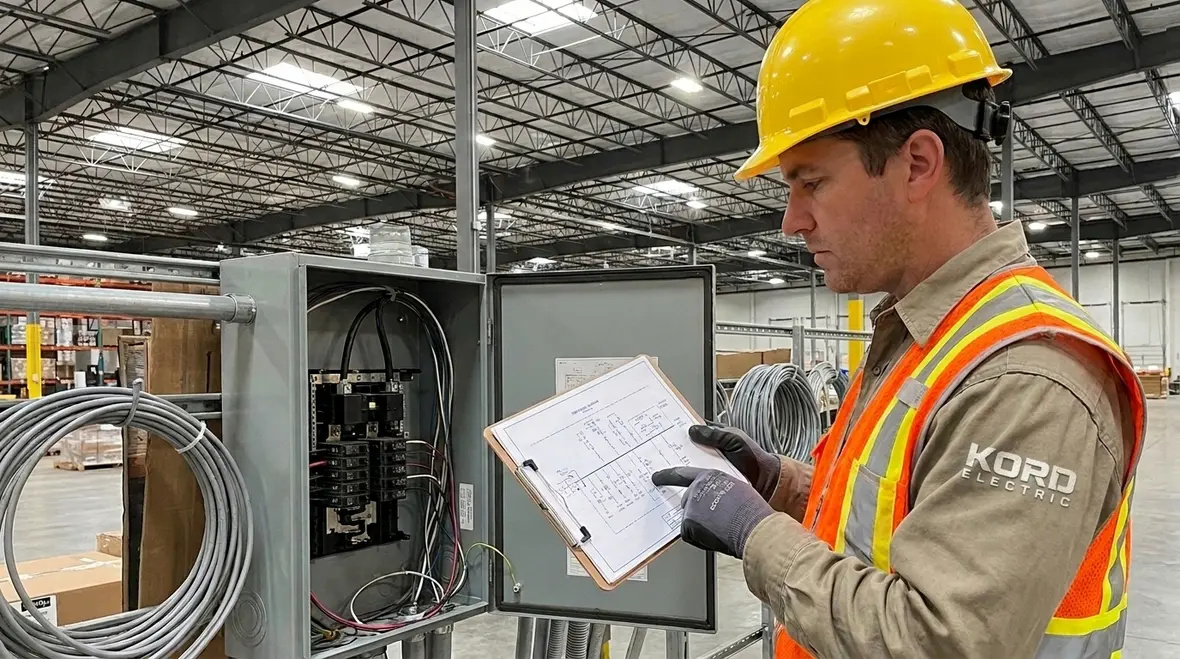
Code based installation details that our technicians verify on every job
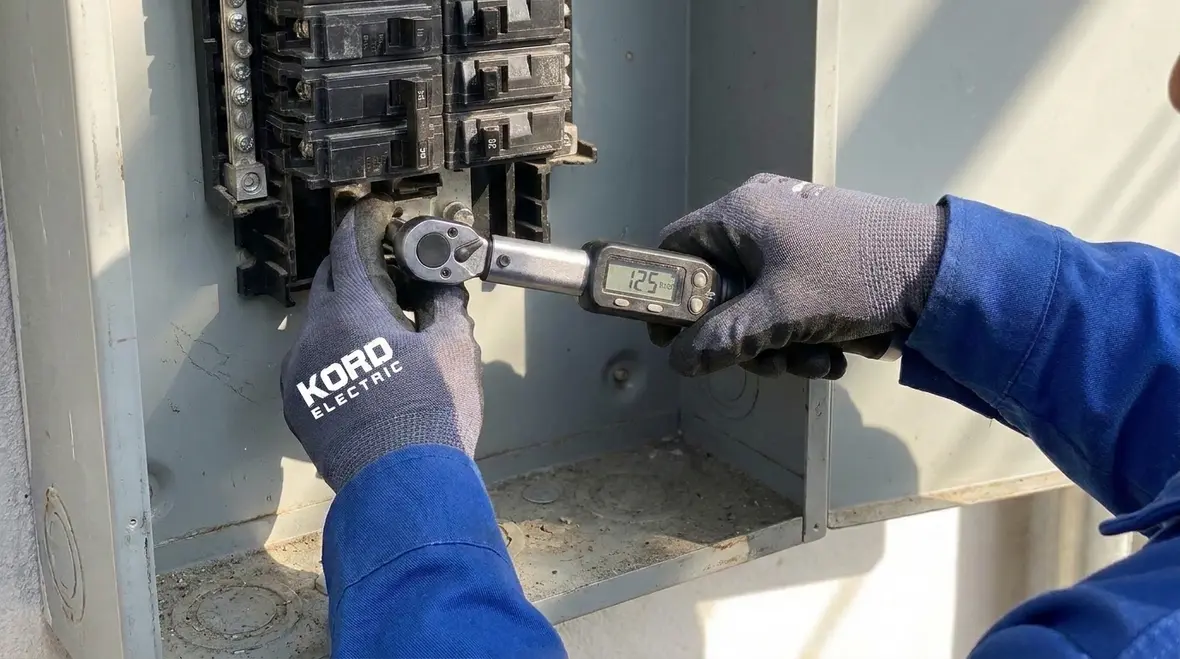
Installation quality determines safety, and safety determines whether your business runs. So we verify the details that inspectors and owners both care about. Our technicians check conductor sizing, overcurrent protection, correct torque on terminations, and proper workmanship standards that reduce loose connections.
Next, grounding and bonding receive special attention. A subpanel must connect to the building grounding system in the correct way, and the grounding path must be continuous. Improper grounding does not just risk tripping breakers. It can create fault conditions that damage equipment and create shock hazards for staff and customers.
After that, we focus on labeling and identification. Commercial environments rely on quick, accurate troubleshooting. Therefore, we help ensure each circuit is clearly labeled at the subpanel and matches the facility’s electrical drawings. If a technician cannot identify a circuit during a problem, everyone loses time. We prefer solutions that keep downtime off the calendar.
Finally, we confirm that the subpanel is mounted and installed to provide safe access, correct clearances, and good cable routing. In short, we treat the installation as a system, not a box swap.
Common warning signs that mean a subpanel upgrade should start now
When an electrical system starts showing stress, waiting often turns a manageable fix into an expensive rebuild. Our team frequently sees patterns that match the warning signs described in our commercial panel upgrade Los Angeles warning signs content. Even though that page focuses on panel upgrades, the same symptoms show up around subpanels in commercial and industrial spaces.
Here are signs our technicians watch for during site visits. First, breakers that trip repeatedly without a clear cause. Second, panels or subpanels with signs of heat, discoloration, or unusual odor. Third, loose or corroded connections, which can happen faster in humid areas or where equipment vibration is common. Fourth, frequent “reset and pray” behavior, where someone keeps restoring power but never solves the root cause.
Also, if the facility added loads over time and the subpanel now runs out of capacity, performance issues start to follow. If voltage drops show up when equipment starts, the system might need an engineering review. We do not guess. We test and we measure.
And look, electronics can be dramatic, but electrical systems should not be. If something smells like burnt toast, that is usually not a chef’s choice, it is a warning.
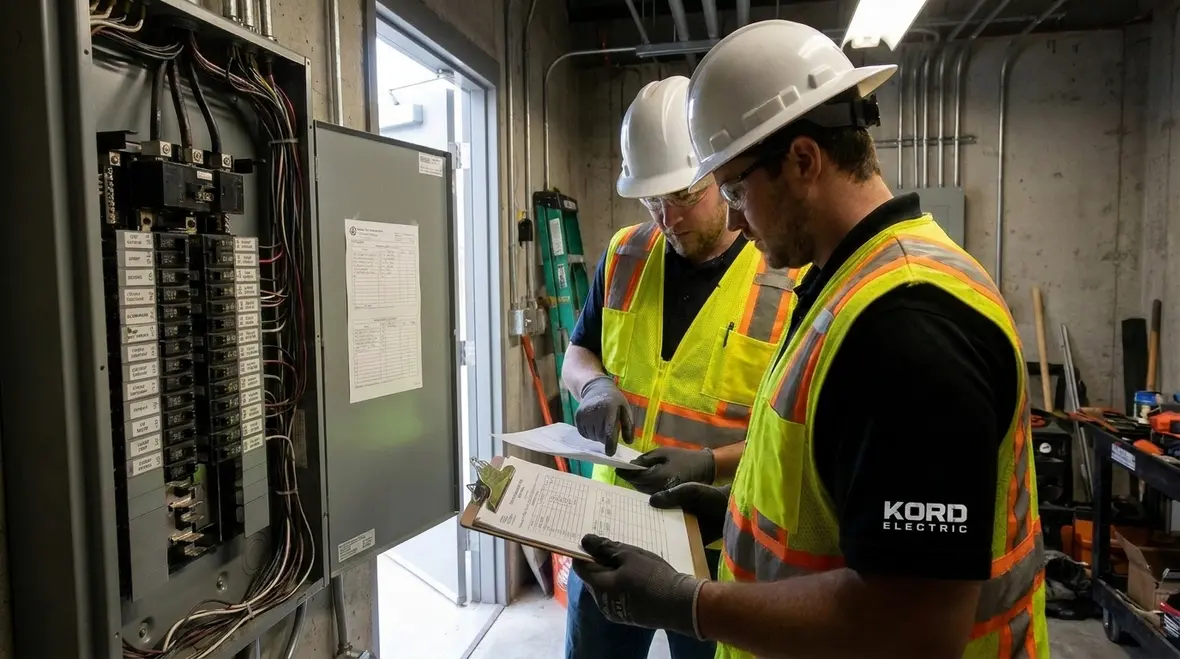
Service upgrades, load calculations, and circuit planning that prevents future headaches
A subpanel does not work alone. It connects to a main service and relies on upstream capacity. Therefore, a proper plan begins with load calculations and a clear understanding of the facility’s demand.
Our technicians and expert service staff guide facilities through the practical questions. Which loads run at the same time. Which loads have motors or starting surges. Which circuits need dedicated feeds. Then we map those needs to breaker types and conductor runs. If the facility includes sensitive equipment, we also consider stability and grounding practices so the system supports reliable operation.
To keep operations moving, we also coordinate installation sequencing. If a building has one main production schedule, we plan outages around the shifts and we schedule testing carefully. That is the difference between “we did electrical work” and “we delivered electrical work without shutting down your business.”
In addition, we think about expansion. Many facilities add equipment, then add more equipment, then add a little more until nobody knows what capacity remains. We aim to create a subpanel layout that supports future additions. Spare spaces and a disciplined circuit plan reduce the chances that someone later opens the panel and says, “How did we get here.”

Dual column checklist for commercial site readiness before installation
Before we install a subpanel, we prepare the site so the job moves fast and clean. Our team uses a readiness checklist that helps facility managers confirm details early. Below is a simple dual column overview.
| Facility supplies to confirm | What our technicians verify |
Permit and inspection path agreed on Single line diagram and circuit schedule Access and working space for safe installation | Correct subpanel location and clearances Conductor routing and protection details Torque and termination workmanship |
Planned outage windows, if needed Equipment list and load priorities Existing grounding and bonding information | Grounding and bonding continuity Load distribution to avoid overload Labeling that matches the circuit schedule |
Clear labeling for any shared corridors Post installation documentation needs | Testing and verification before handoff Commissioning steps and final walkthrough |
When teams handle these items early, installation stays efficient. And when we say efficient, we mean less back and forth, fewer delays, and a calmer day for everyone involved.
Inspections, documentation, and how businesses pass checks with confidence
For commercial and industrial facilities, the installation is not finished when the wires get dressed. Instead, the project must pass testing and meet documentation expectations.
First, our technicians verify that circuits function as intended and that breakers trip under correct conditions. Then we perform checks for continuity, proper connection, and safe operation of the subpanel components. Next, we ensure labeling matches the approved circuit schedule so inspectors and maintenance staff can quickly understand the system.
We also help businesses keep the right records. That typically includes updated single line diagrams, circuit schedules, and any test results needed for internal maintenance. In practice, this reduces confusion later when a contractor returns for service. It also supports compliance and reduces liability concerns.
Now, some facilities try to cut corners by rushing the paperwork. That is like skipping the instructions on a construction site door and then acting surprised when it does not close. We do not recommend that path. Our expert service staff keeps documentation aligned with the actual installed work.
If you are planning broader work beyond a single subpanel, our team can also coordinate with other upgrades so your facility has one smooth project instead of a patchwork of disruptions. Our Los Angeles County commercial electrical services support everything from inspections and maintenance to complex system improvements.
FAQ for electrical subpanel installation in California businesses
Next steps with Kord Electric
If your commercial or industrial facility in Los Angeles or surrounding areas needs a safe, code aligned electrical subpanel plan, Kord Electric can help you move with confidence. Our technicians explain the process clearly, then we install and verify the system so it passes testing and supports your operations. Do not wait for warning signs to grow teeth. Contact us now to schedule a site assessment, and let’s build a power setup that keeps your business steady.
For facilities that are ready to go beyond a single project and map out a broader strategy, our Los Angeles County electrical services team can coordinate inspections, maintenance, and future upgrades so every panel, subpanel, and circuit supports long-term reliability.