Infrared Electrical Inspection for Commercial Panels
Infrared Electrical Inspection Commercial Panels: What We Look For First
At Kord Electric, we start every visit by using our infrared electrical inspection commercial panels approach to catch hidden heat problems before they turn into downtime. Early on, our team maps the panel room like a calm detective, then we verify what the thermal camera sees with smart measurements and our field experience. This is the kind of work that feels boring only until you realize one loose connection can cook an entire business. And yes, we hear the same joke from owners: “It is probably fine.” Then we show them the thermal pattern, and suddenly “probably” becomes “not today.”
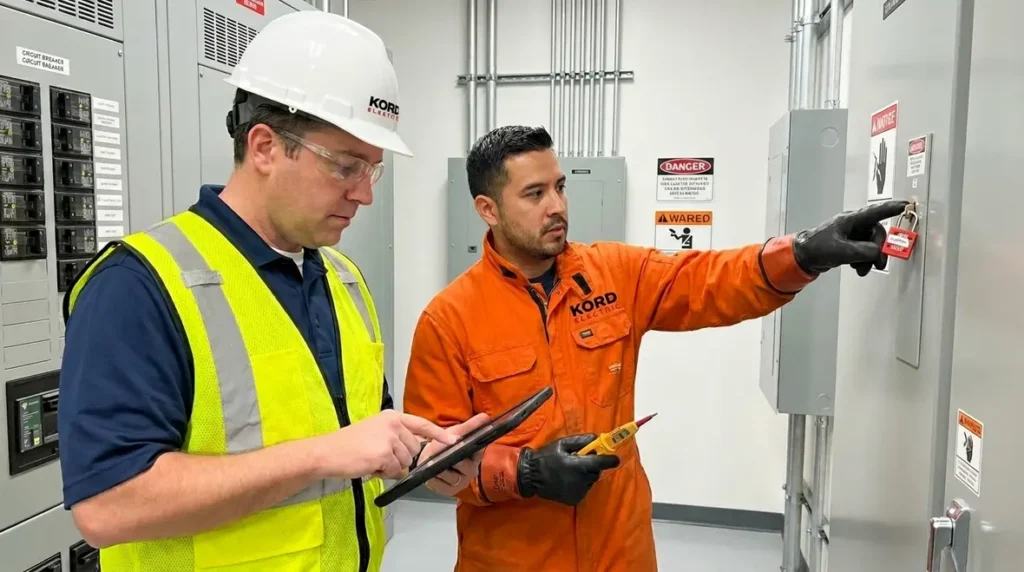
We focus on commercial and industrial facilities, major property buildings, and the electrical systems that keep people working. Afterwards, we explain the findings in plain language through our technicians and expert service staff, so stakeholders understand risk, not just pictures.
Thermal Imaging Inspections in Commercial Panel Rooms
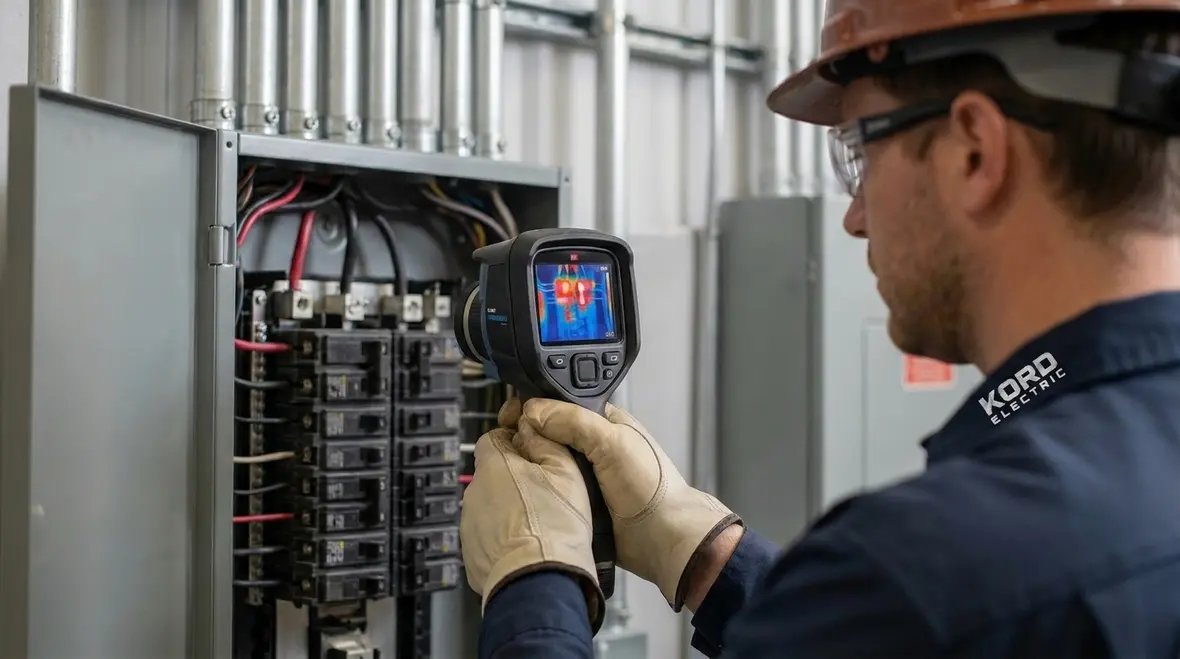
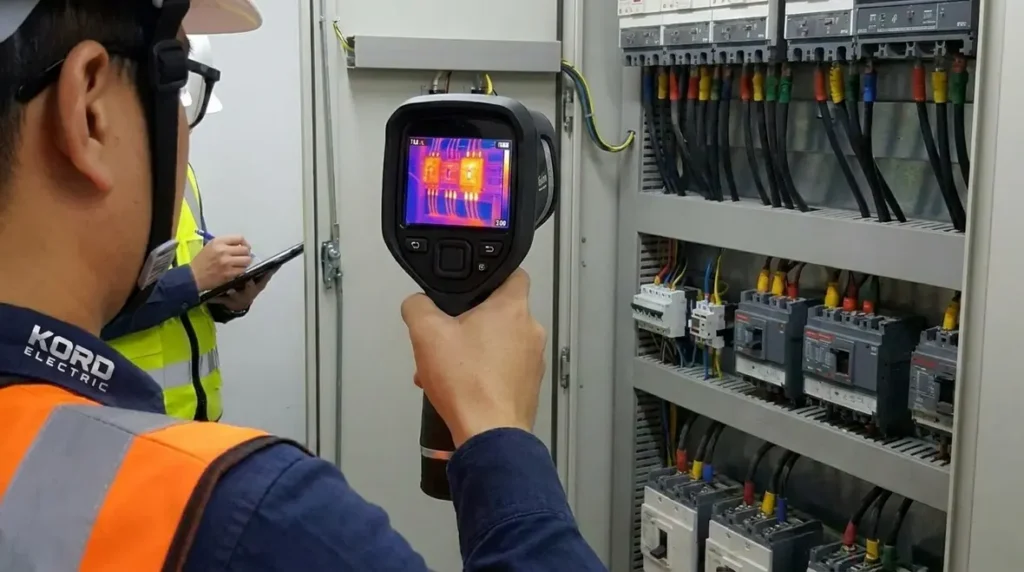
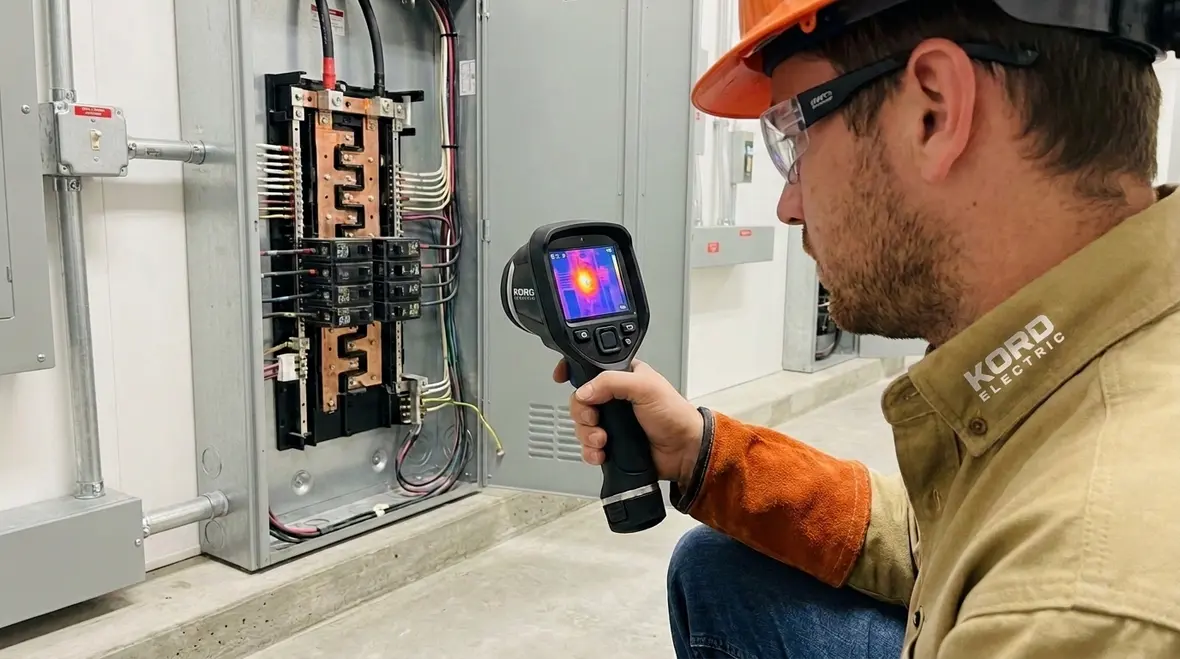
Thermal imaging is not magic, but it can feel like it when you see heat where it should not exist. First, we capture a thermal image of the electrical panel, bus bars, connections, breakers, and nearby components. Next, we compare hotspots to normal operating patterns, load conditions, and the facility’s electrical baseline.
Then we ask a key question: is this heat random, or is it a trend? A single brief spike can happen, while repeated thermal elevation usually points to a specific issue like poor torque, aging insulation, corrosion, or a failing contact. Even when the panel looks clean, the heat tells the truth. And if you think electrical heat is harmless, remember that heat is just the body’s way of sending an emergency signal. Except the “body” here is your bus bar.
At Kord Electric, we document results in a way that supports action. Moreover, we connect the thermal findings to maintenance tasks, engineering guidance, and scheduling so the fix happens before the problem grows teeth.
What Causes Hot Spots Inside Panels and Why They Matter
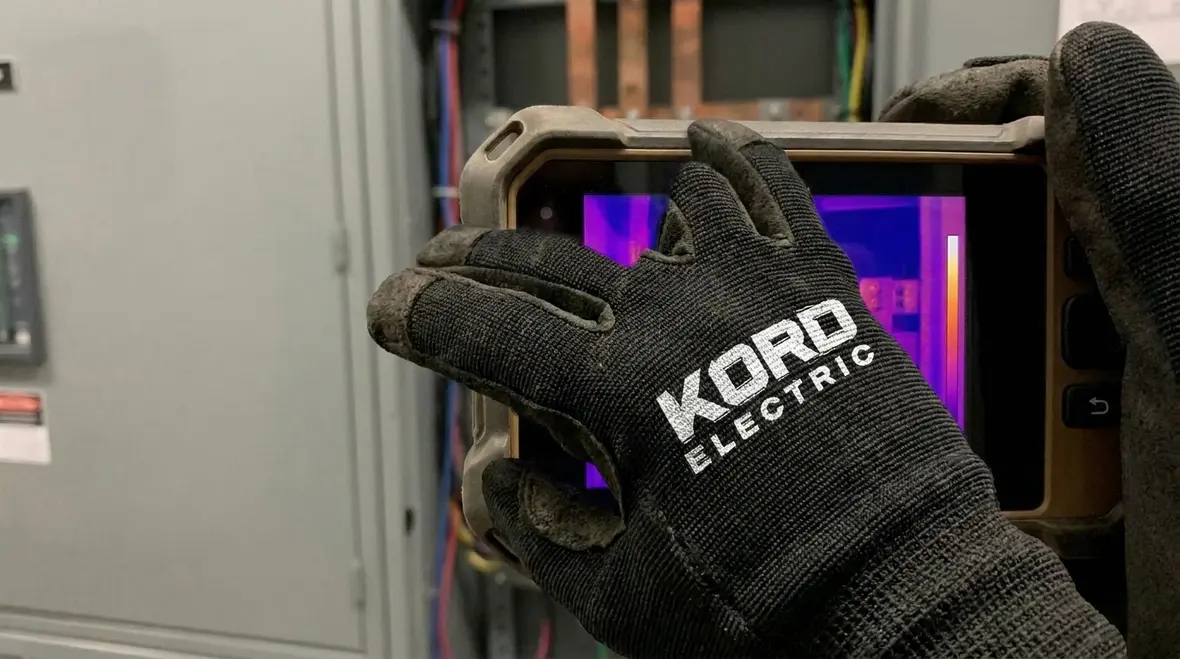
Hotspots usually form when current finds resistance. Over time, that resistance generates heat, and heat accelerates failure. Therefore, our inspections concentrate on the parts most likely to show early warning signs in infrared electrical inspection commercial panels systems.
Loose terminations that create contact resistance
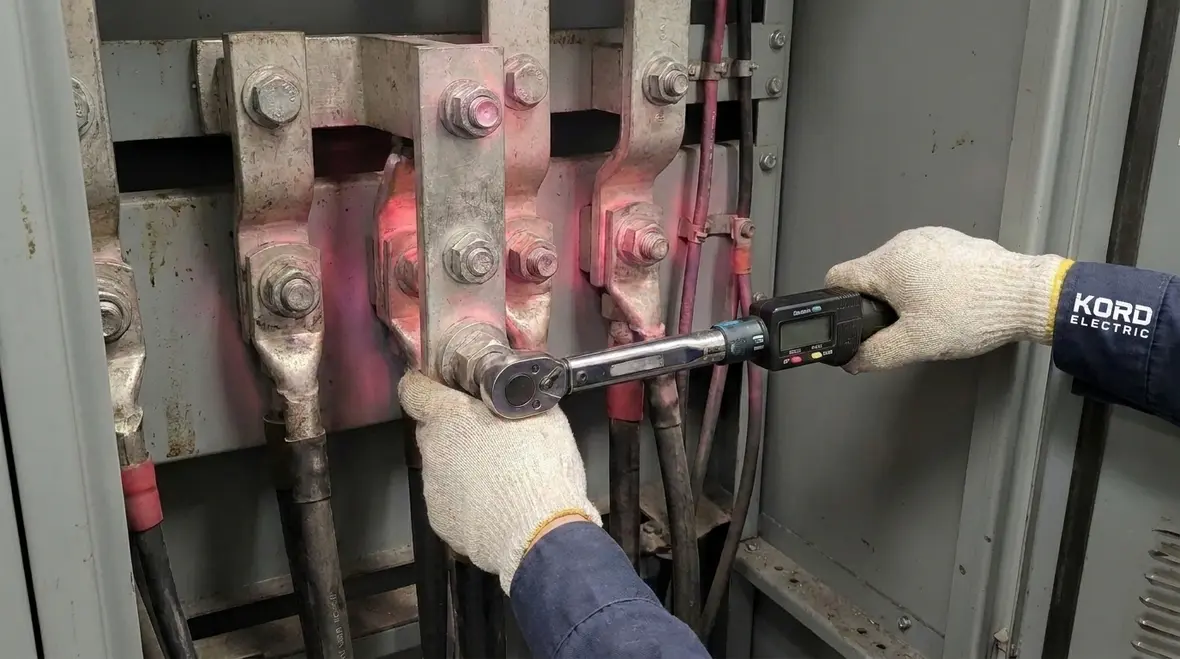
Improper torque after prior service work
Corrosion at lugs and connectors
Worn breaker contacts and aging internal components
Overloaded circuits that quietly run hot
Bus bar issues tied to mechanical stress or contamination
Importantly, we also consider the load and operating profile. A panel may show higher heat because the facility is under heavier demand, and we account for that. Still, we treat abnormal heat patterns seriously because they can lead to insulation breakdown, nuisance trips, arcing, and in worst cases, equipment damage.
Our technicians walk the site with a steady pace, and our expert service staff explain what the camera indicates and what it usually means in real-world panel behavior. In other words, we do not just “spot the problem.” We help you understand it.
How We Run the Inspection: From Camera to Clear Action
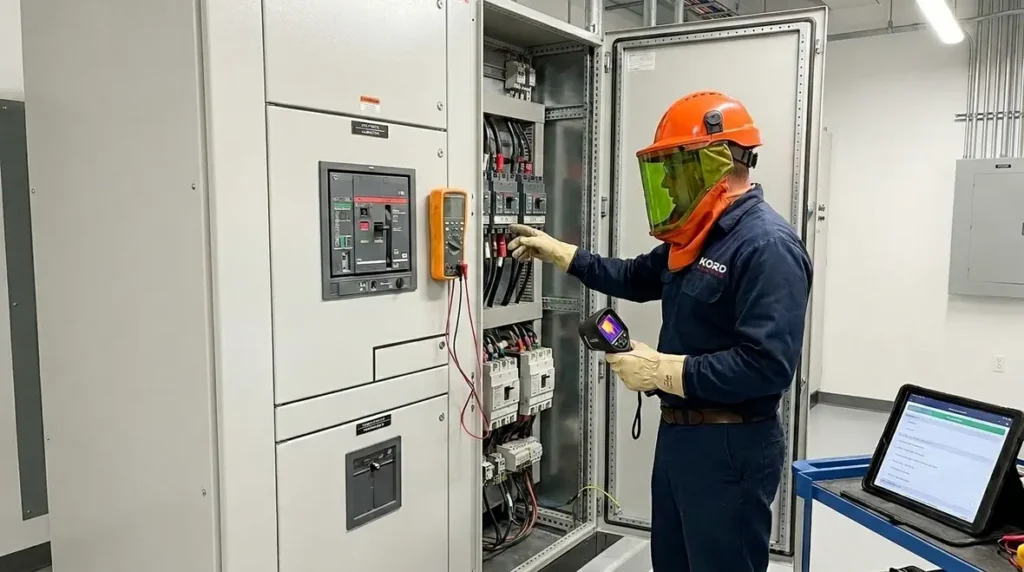
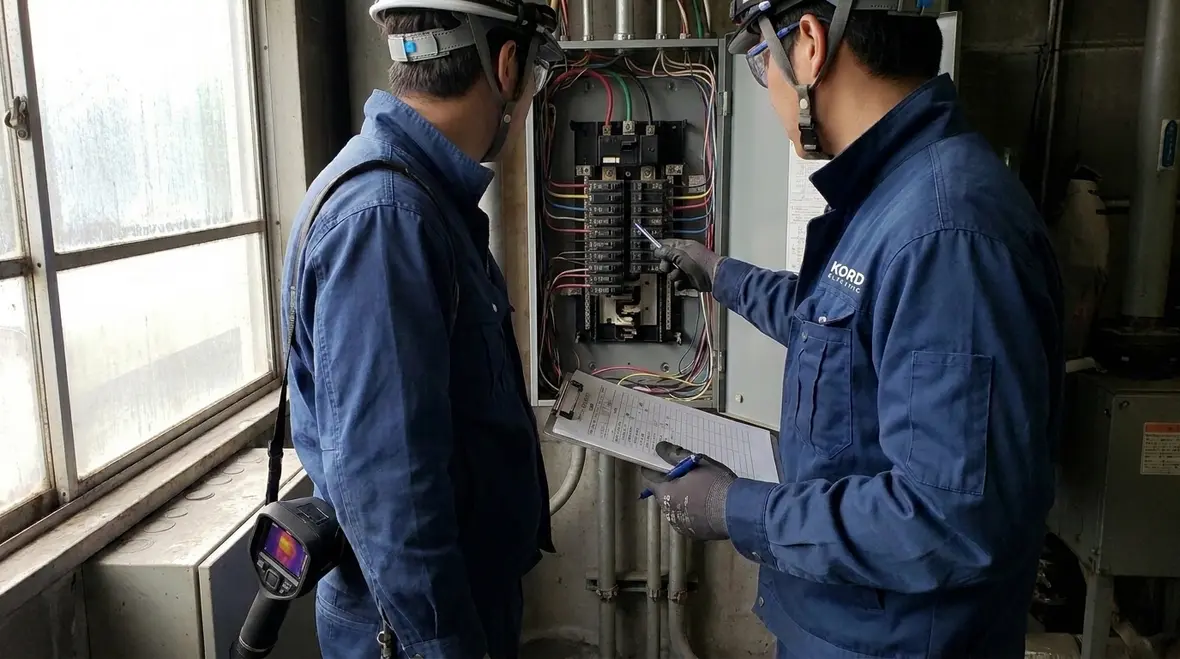
Our process stays consistent because reliable outcomes require repeatable steps. First, we coordinate with site staff on safe access and operating conditions. Next, we gather thermal images, then we record the electrical context. After that, we compare the results across phases, locations, and breaker positions.
Then comes the part many teams skip: we validate. We cross-check visible conditions, verify labeling, and confirm which components are linked to the heat signatures. Depending on the facility needs, we may also recommend follow-up testing or targeted tightening where safe and permitted.
Throughout, we follow the same spirit as our preventive maintenance approach described in our electrical preventive maintenance service. That framework focuses on planned inspections, documentation, and timely corrective action, which helps facilities protect continuity. Thermal imaging fits neatly into that plan because it gives early evidence, while preventive maintenance turns evidence into work orders.
Finally, we provide a results summary that supports decision making. We explain severity levels, probable causes, and recommended next steps. If there is urgency, we say it plainly. If the issue can wait, we explain why. Business owners do not need mystery reports. They need practical direction.
Why Thermal Imaging Saves Money for Major Properties
For commercial and industrial facilities, the cost of failure often includes more than the replaced part. There is also lost productivity, emergency labor, schedule disruptions, and the long tail of follow-up repairs. Therefore, thermal imaging acts like a cost control tool. It reduces “surprise emergencies” and supports planned repairs.
Consider what typically happens when an electrical problem grows unchecked. At first, it might only show up as minor overheating. Later, it can cause tripping, nuisance alarms, and reduced performance. Then, if the cause is loose connections or failing components, it may lead to arcing events. Nobody invites arcing to the party. Yet without thermal monitoring, it shows up uninvited.
When we perform infrared electrical inspection commercial panels work properly, facilities can:
Schedule corrective maintenance during planned downtime
Reduce the chance of equipment damage and repeat failures
Improve reliability across critical loads
Support compliance goals and internal safety standards
Create a maintenance history that helps future diagnostics
Also, our reports help management justify budgets. Instead of vague claims, stakeholders receive visual evidence and clear explanations from our technicians and expert service staff. That makes the “yes” decision easier, and it keeps leaders from hunting spreadsheets like they are treasure maps.
Understanding Results: What a Clear Report Looks Like
Thermal images are useful, but they only matter when they connect to real repair decisions. We format findings so a facility manager, an operations lead, or an electrical supervisor can act fast. First, we identify the location and equipment. Next, we describe what the thermal pattern suggests and how it compares to expected behavior.
Then we categorize findings by priority. High priority issues get clear next-step recommendations. Medium priority items get planned correction guidance. Low priority findings receive monitoring notes and preventive actions where appropriate.
Moreover, we explain what users should watch after service. For example, we may advise re checking after tightening or tracking heat trends across future inspections. And if the issue ties to load patterns, we discuss practical ways to balance demand, improve circuit planning, or align maintenance cycles.
Our expert service staff also answer the questions that tend to pop up in real life, like “Is this normal for this panel?” or “How long can we run it safely?” We respond with clarity, not fear. And we use simple language so the report supports the next meeting, not the next anxiety spiral.
Next Steps for Facilities That Want Safer Panels
Many commercial and industrial facilities already run maintenance, yet they still miss early heat signatures because inspections happen too late or too casually. Therefore, Kord Electric helps teams build a thermal-first plan that aligns with their preventive maintenance schedule. We coordinate with site needs, work around operations, and focus on the systems that carry real risk and real demand.
In practice, that means scheduled thermal imaging, documented findings, and follow-through on corrective work. If your property team is managing multiple buildings, we also support consistent reporting so trends show across sites.
Also, if you already have equipment history, we integrate it. If you do not, we start building it. Either way, our goal stays the same: reduce unexpected failures and keep your electrical systems stable.
And yes, we will still hear the old “it is probably fine” line. We just make sure it does not win.
For facilities across the region, our broader Los Angeles County electrical services connect thermal inspections with panel upgrades, troubleshooting, and preventive maintenance so your reliability plan feels unified instead of scattered.
FAQ
Call Kord Electric for Commercial Panel Thermal Imaging
If your commercial or industrial facility relies on panels that never get a second look, Kord Electric helps change that. We run thermal imaging with our technicians and expert service staff, then we explain what we see and what it means for reliability. You get clear documentation, prioritized next steps, and a preventive maintenance path that supports planned action instead of emergency repairs. Contact us now to schedule an infrared electrical inspection for your commercial panels and protect your operations before the heat becomes a headline.
When you are ready to move from one-time checks to a structured plan, you can also connect these inspections with our ongoing electrical preventive maintenance solutions so your panels, distribution equipment, and critical loads share the same calm, documented strategy.
For sites that want a single partner for inspections, repairs, and upgrades, our team can align infrared electrical inspection commercial panels work with targeted projects through our broader commercial and industrial service offerings so your reliability, safety, and capacity plans stay on the same page.