Commercial Transformer Maintenance Requirements Guide
Commercial transformer maintenance requirements: what buildings should expect
At Kord Electric, we build our approach around the commercial transformer maintenance requirements that keep power steady and safe in major property buildings and industrial facilities. In the first place, we treat transformers like critical equipment, not background equipment. That means others do not simply “check and hope.” Instead, we plan inspections, oil and temperature reviews, and protection testing on a schedule that fits each building’s load, age, and operating conditions. Then, we document results in a way facility teams can act on quickly. Because when a transformer fails, it rarely sends a polite email first. It just trips, overheats, or quietly degrades until the day it cannot recover.
Why commercial sites need scheduled transformer care
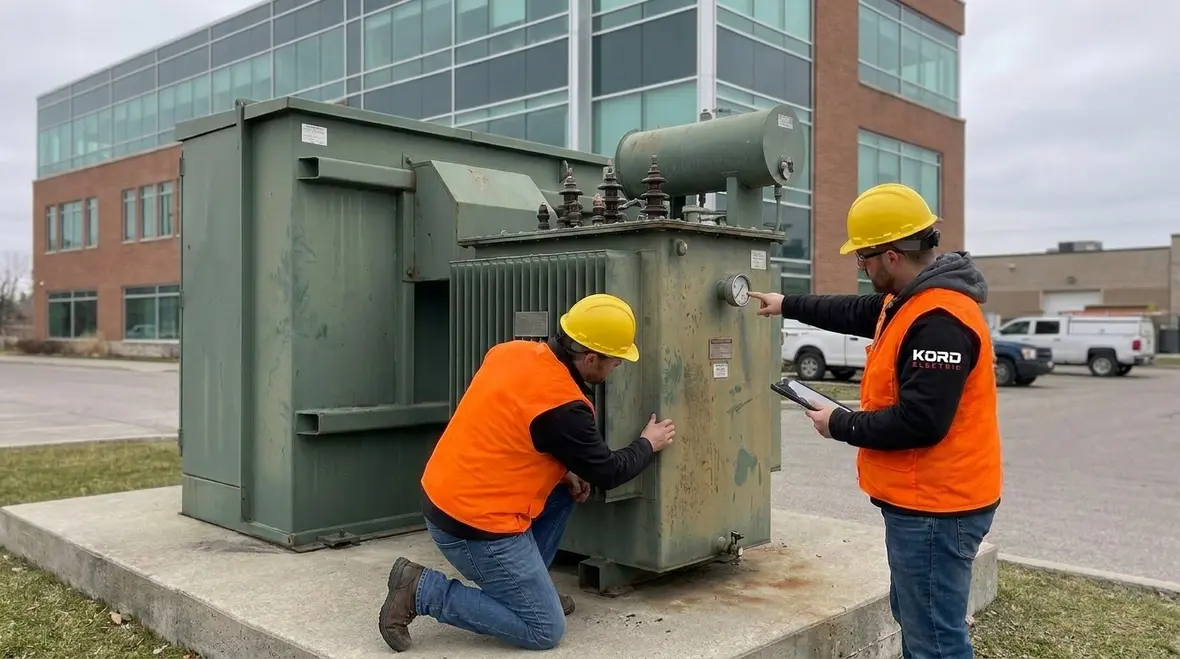
In commercial and industrial settings, transformers support lighting, HVAC, elevators, production loads, and entire building systems. Therefore, even a small issue can turn into big downtime. We often explain to property managers that transformers do not “wear out evenly.” Heat cycles, dust, moisture, and electrical stress can create hot spots or insulation breakdown in stages. As a result, the right preventive work reduces risk and extends service life.
Additionally, utility power quality and on site switching events can add stress. For instance, if a facility has frequent start ups, short cycling, or load changes throughout the day, the transformer experiences repeat thermal movement. That movement can loosen connections over time, even when the unit looks fine from the outside. Our technicians, and our expert service staff, walk facility teams through what they might miss during a visual only review.
What our technicians inspect during preventive maintenance
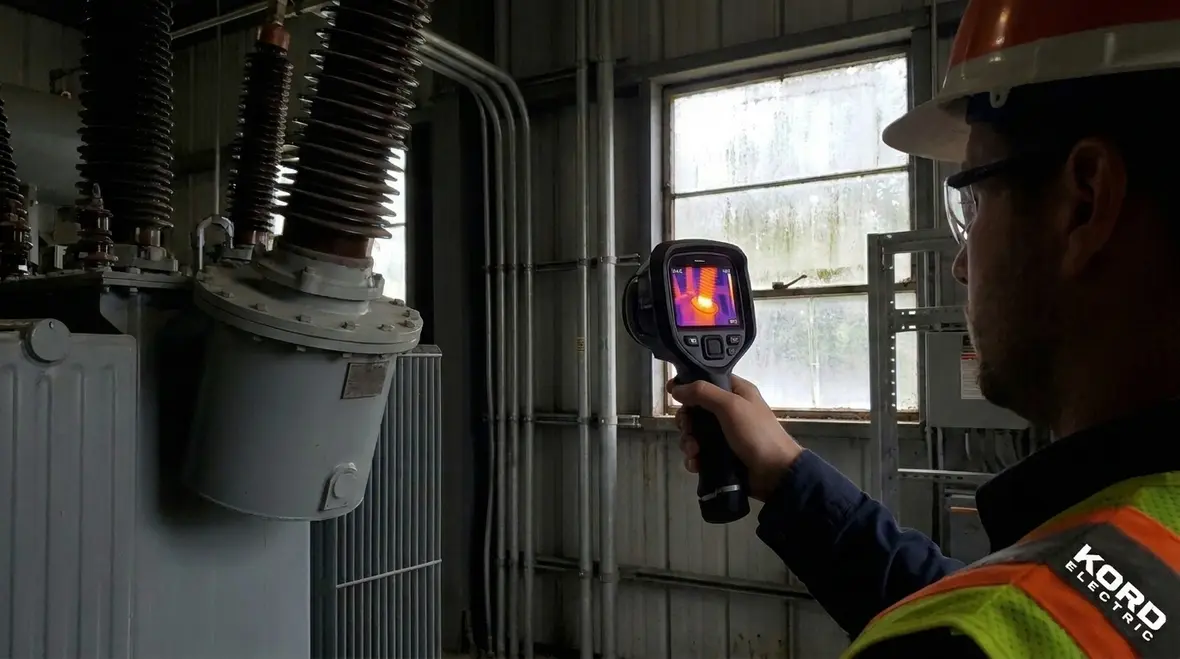
When we perform maintenance aligned with preventive requirements, we do not rush the basics. We verify operating conditions, then we move into deeper checks that catch problems early. To keep everything clear, our expert service staff explains each step in plain language, so the building team knows what we found and why it matters.
Typically, our preventive process includes checks such as these:
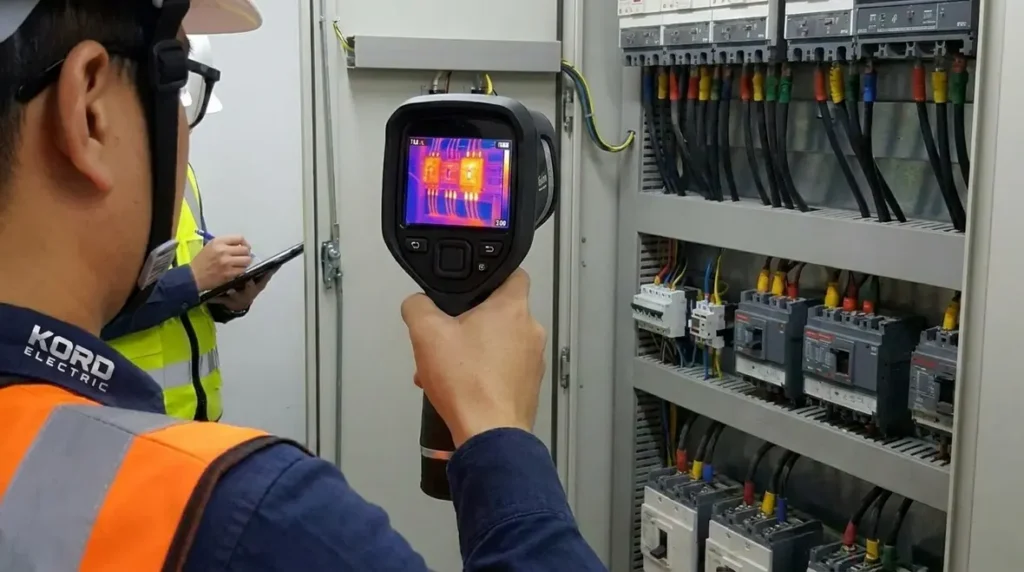
- Visual and thermal condition reviews to spot signs of overheating, oil leaks, and abnormal wear
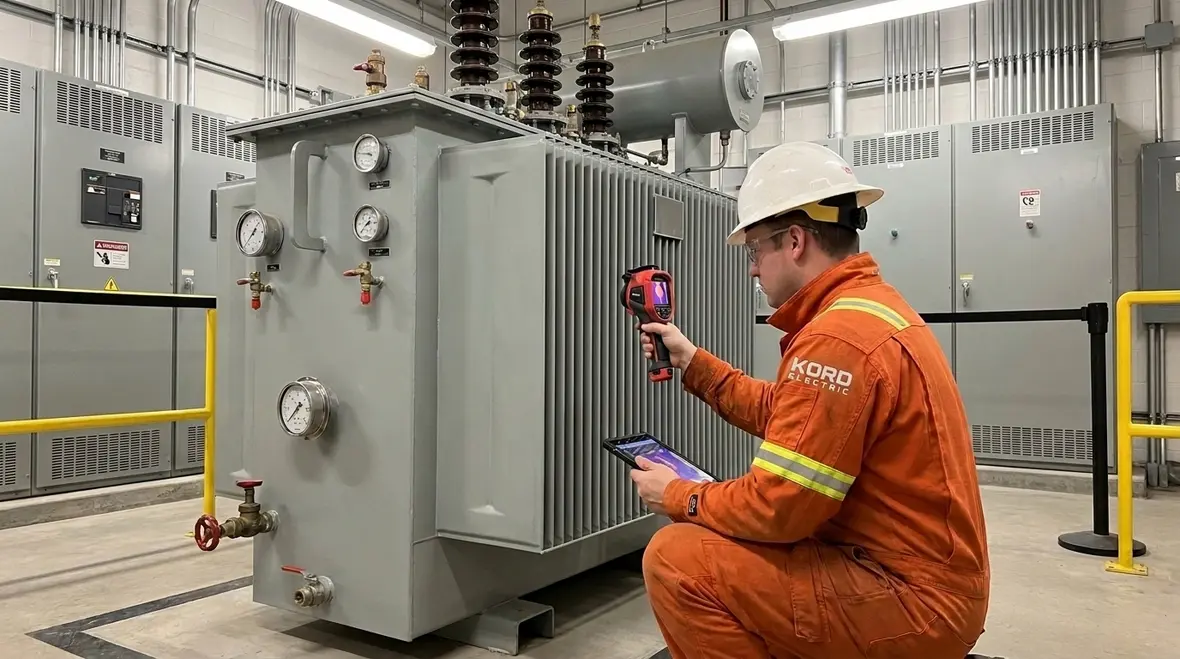
- Oil condition and moisture indicators when the transformer uses oil and where applicable
- Insulation and bushing inspection to detect contamination, cracks, or tracking paths
- Tap changer and connection verification to ensure stable voltage regulation
- Cooling system checks including fans, pumps, and controls so heat can leave the equipment
- Protection device review so relays and breakers coordinate with the transformer correctly
Next, we look for operational patterns. If the transformer runs hotter than expected, we investigate the likely causes instead of treating the heat as “normal.” Likewise, we compare current behavior with prior service records. That way, we spot slow changes long before they reach a failure point.
How maintenance planning reduces risk and downtime
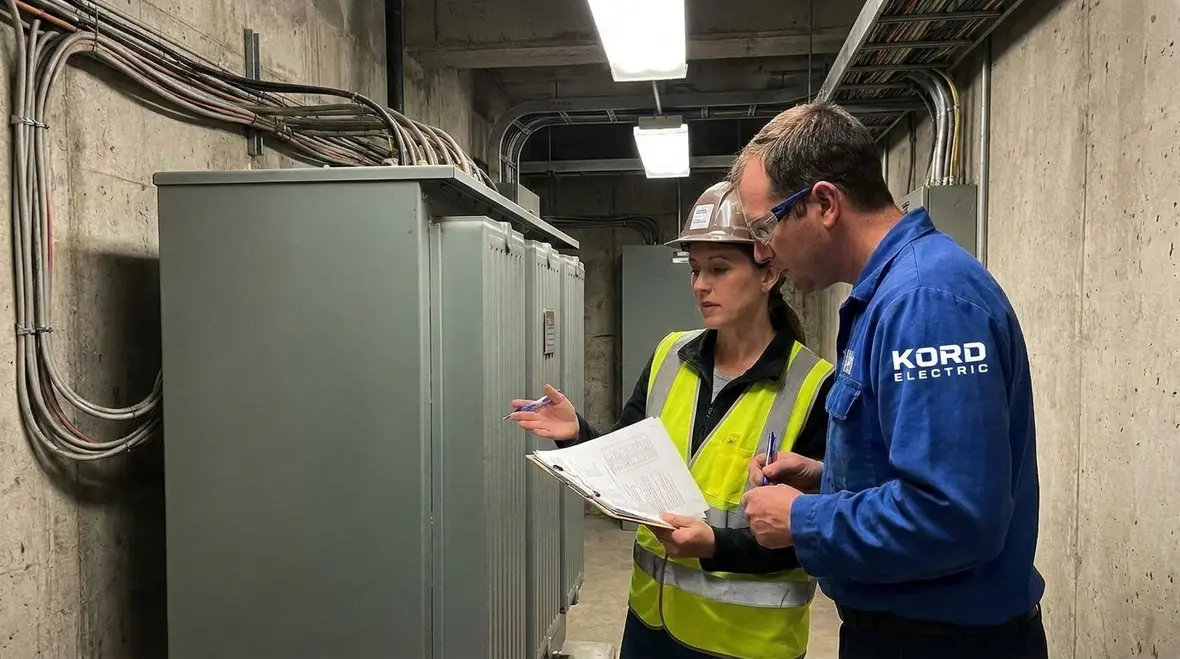
We schedule service to match the building’s real life operation, not a generic calendar. First, we review loading schedules, seasonal peaks, and any critical process dependencies. Then, we plan access windows that minimize impact to operations. For major property buildings, that might mean aligning work with lower demand periods. For industrial facilities, it might mean coordinating around production cycles and shift schedules.
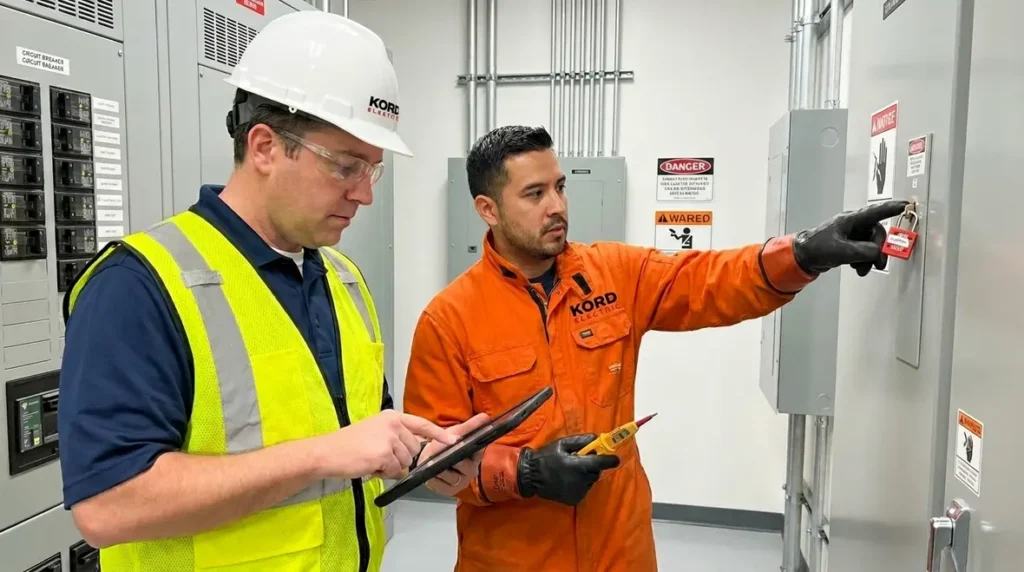
At the same time, we confirm responsibilities and safe work boundaries. Our field team follows structured lockout procedures and verifies test safety requirements. After that, we perform measurements and functional checks with the goal of keeping the transformer reliable, not just “working today.”
So, what changes for the facility team? You gain a clear action plan: what we completed, what we measured, and what needs attention next. Instead of surprises, others get a timeline. And yes, we document it in a way that does not read like a textbook. Nobody wants a transformer report that looks like it was written for a museum.
Preventive maintenance for power quality, grounding, and controls

Transformers do not operate alone. They rely on grounding, switchgear interfaces, and control wiring to perform correctly. Therefore, we treat the system as a whole, especially in commercial and industrial substations. Even when the transformer looks healthy, poor connections or grounding problems can create electrical stress.
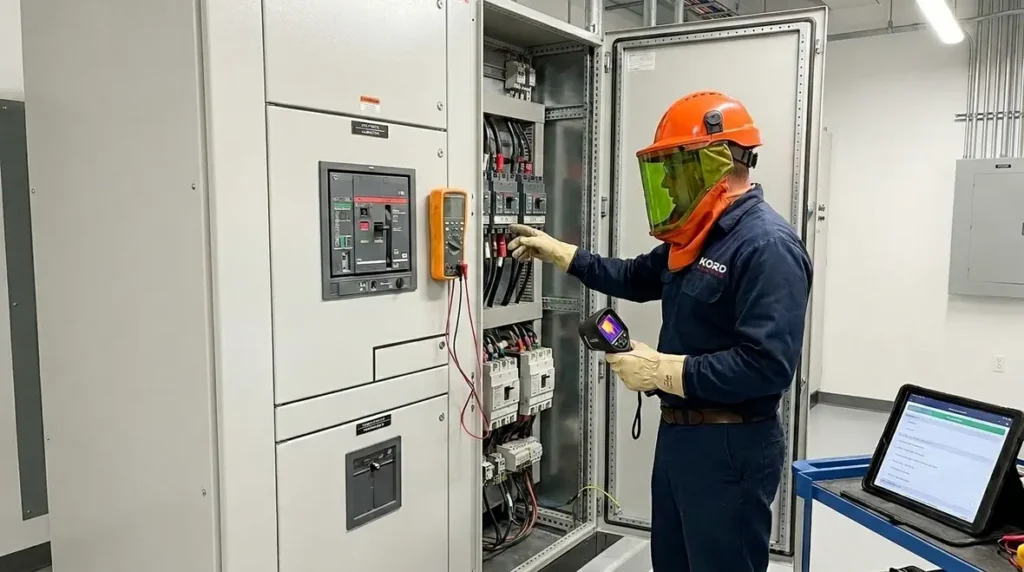
We also check how protection devices coordinate with the transformer. If relays or breaker timing drift from what they should do, a fault can clear too slowly or too fast. Either outcome can damage equipment. That is why our technicians verify settings, inspect wiring connections, and confirm that trip logic functions properly.
Meanwhile, we evaluate the cooling and control side. Controls that lag, fans that cycle too often, or pump systems that do not run when needed can create thermal swings. Over time, those swings can accelerate insulation aging. By addressing these issues during the maintenance window, we protect the transformer and the loads it serves.
Schedule guidance and documentation for major property buildings
Every transformer has its own story: age, load profile, environment, and past repairs. Thus, we tailor the commercial transformer maintenance requirements to each asset. While some tasks repeat on a predictable rhythm, we adjust other steps based on measured conditions and observed trends.
For example, we prioritize oil and thermal condition reviews where applicable, and we increase attention when we detect elevated temperatures or signs of moisture. Likewise, if a facility experiences power disturbances or rapid load shifts, we may tighten the review cadence for protection coordination and switchgear interaction.
Documentation remains a key part of the process. We provide facility teams with test results, condition notes, and recommended next steps. Then we explain the impact in practical terms: what we expect to improve, what risk we reduced, and what could happen if the issue continues. This approach helps others make decisions with confidence, not guesswork.
Using the Kord Electric preventive framework from the start
Our methods connect directly to the preventive maintenance approach we publish at Kord Electric. We align our work with the same disciplined priorities found in our electrical preventive maintenance guidance, including inspection planning, measurement focus, and clear reporting that supports long term reliability. You can review the overview at https://kordelectric.com/electrical-preventive-maintenance/ to see how we structure preventive work.
Importantly, we only target commercial and industrial facilities and major property buildings. That focus matters, because transformer maintenance differs when uptime, code requirements, and system complexity move up a level. We do not try to be everything to everyone. We specialize in the environments where transformer reliability truly affects operations.
And if you are thinking, “We already have an electrician,” we respect that. However, the difference often comes down to depth, documentation, and consistency. A transformer maintenance program requires repeatable measurements, trend tracking, and coordinated system checks. Our expert service staff brings that routine, and our technicians explain the findings so facility teams can act fast.
FAQ about transformer maintenance for commercial buildings
For facilities that want to connect transformer inspections with a broader reliability plan, Kord Electric also supports structured electrical preventive maintenance across panels, switchgear, and distribution equipment. That way, commercial transformer maintenance requirements stay aligned with overall electrical health instead of becoming a one time task.
If your building operates in Los Angeles County or the surrounding areas, you can also explore how our broader Los Angeles County electrical services support panel upgrades, troubleshooting, and system improvements that work alongside disciplined transformer care.
Final word: keep power dependable with Kord Electric
Transformer issues do not announce themselves, and downtime does not fit into your budget. So we help commercial and industrial facilities follow commercial transformer maintenance requirements that prevent slow damage from becoming sudden failure. Our technicians and expert service staff handle inspections, condition reviews, system coordination, and clear documentation so your team can act with confidence. If you want a preventive plan built for your load and environment, contact Kord Electric today and schedule a maintenance consultation. We will bring calm, clarity, and real work to your electrical reliability.
When you are ready to move from “we will get to it someday” to a structured plan, our team can connect transformer maintenance with broader electrical preventive maintenance, power quality analysis, and commercial service support. That way, your facility’s transformers, panels, and distribution stay aligned under one coordinated strategy instead of scattered across separate projects.
To see how we formalize this approach for other buildings, you can review our electrical preventive maintenance service overview and then connect it with a transformer focused plan tailored to your facility. From there, our technicians handle the field work while our expert service staff keeps reports and action items clear for your internal team.