
Electrical Systems for Buildings: Components, Design & Maintenance in Plain English
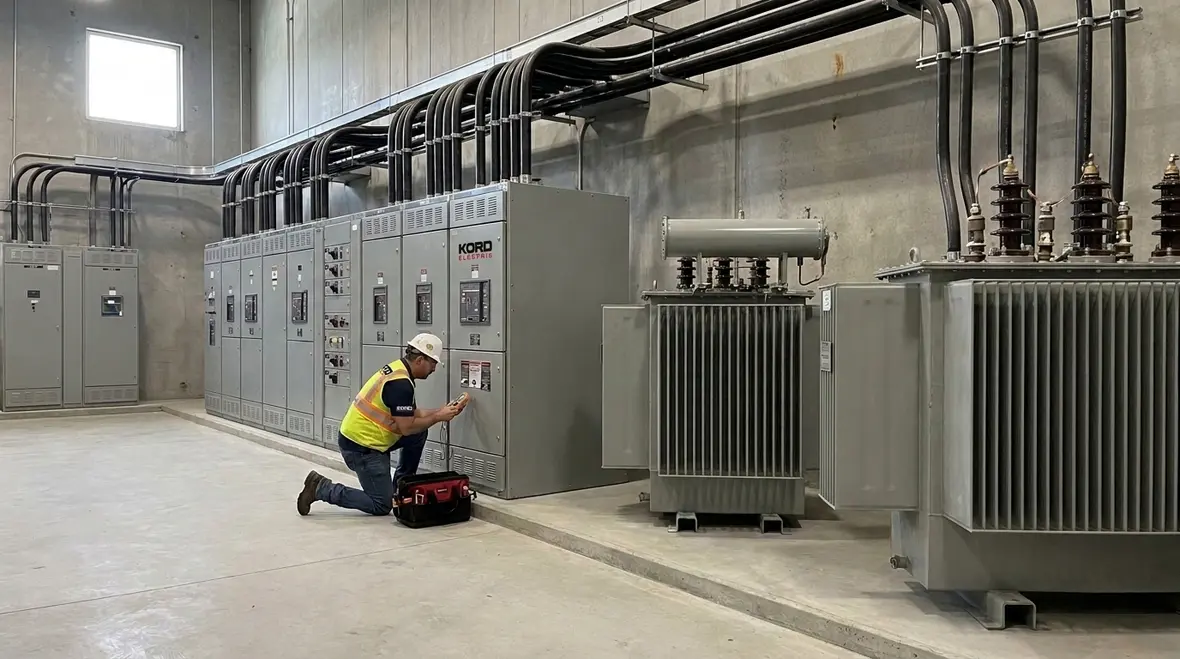
Electrical Systems for Buildings: Components, Design & Maintenance is not just a topic for engineers in windowless rooms. At Kord Electric, we focus on commercial and industrial facilities, and major property buildings, because these sites run on steady power and safe design. In the early planning phase, we map how electricity moves through the building, then we verify protection, grounding, and controls. After installation, we maintain the system so it stays reliable through demand spikes, upgrades, and aging equipment. We make it clear for owners and facility managers, because when your downtime costs money, vague explanations cost even more. And yes, we know that power outages always show up right before a presentation. Our job is to keep that from happening.
How commercial electrical loads shape system choices
In commercial and industrial buildings, electrical planning starts with the loads that actually matter. We look at lighting, HVAC, elevators, motors, kitchen and laundry equipment, process loads, data rooms, and any specialized machinery. Then we consider how those loads change across the day. For example, morning startup on a chiller or a production line creates a different demand profile than steady office usage. As a result, the design must handle both normal operation and unusual events like simultaneous equipment start up.
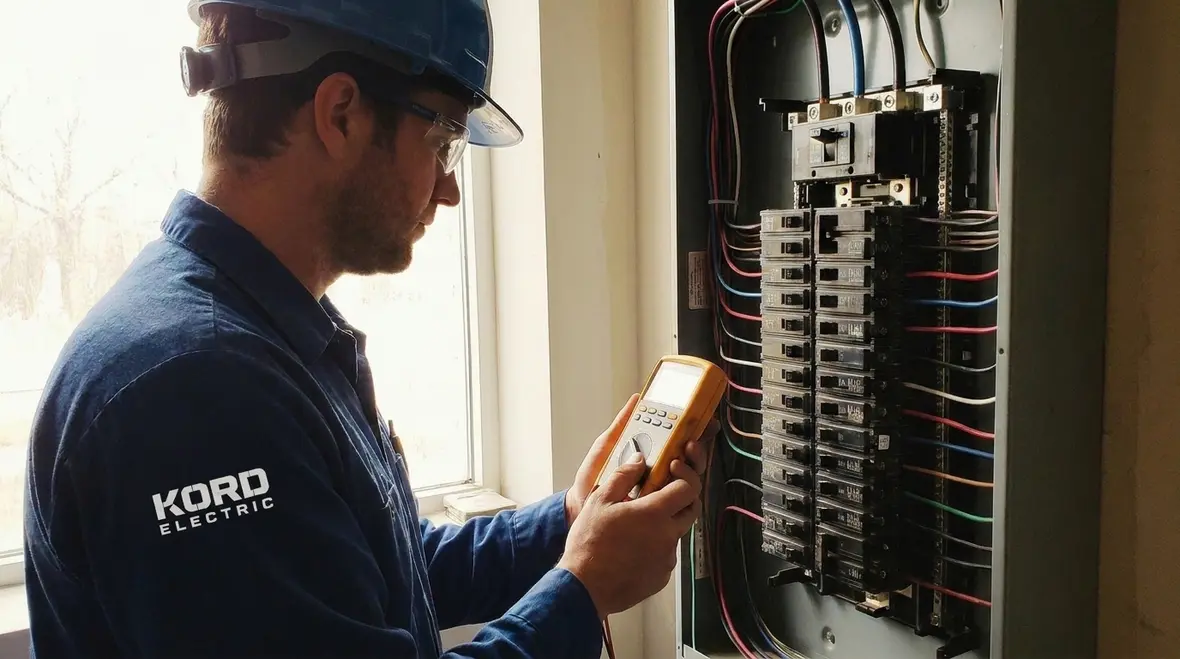
To make this practical, our expert service staff often walks facility teams through load schedules using real operating data when available. If you only guess, the system still has to pay the bill, and your electrical equipment does not negotiate. We size conductors, breakers, switchgear, transformers, and feeders based on calculated current, voltage drop, and operating conditions. At the same time, we plan for future growth so the building does not become trapped in a too small electrical backbone.
Power distribution design that keeps operations steady
Once load data is clear, we focus on distribution. Electric power rarely travels one straight line from the utility to every outlet. Instead, it moves through service equipment, transformers, switchgear or panelboards, and then out to branch circuits and critical feeders. Therefore, good design reduces stress on components and supports faster troubleshooting when something changes.
Our technicians explain the “why” behind distribution choices. They show how protective devices coordinate so a fault clears at the right level instead of shutting down the whole building. We also help owners understand topology options, including main and distribution switchboards, selective coordination, and the way bus systems share load. When businesses use multiple tenants or multiple floors, we plan zoning so a problem in one area does not interrupt the rest. In short, we build for continuity, because modern buildings run on uptime.
And if someone jokes that electricity should “just work,” we smile. Electricity does work. People ignore maintenance schedules, and that is where the comedy starts.
Essential components in Electrical Systems for Buildings: Components, Design & Maintenance
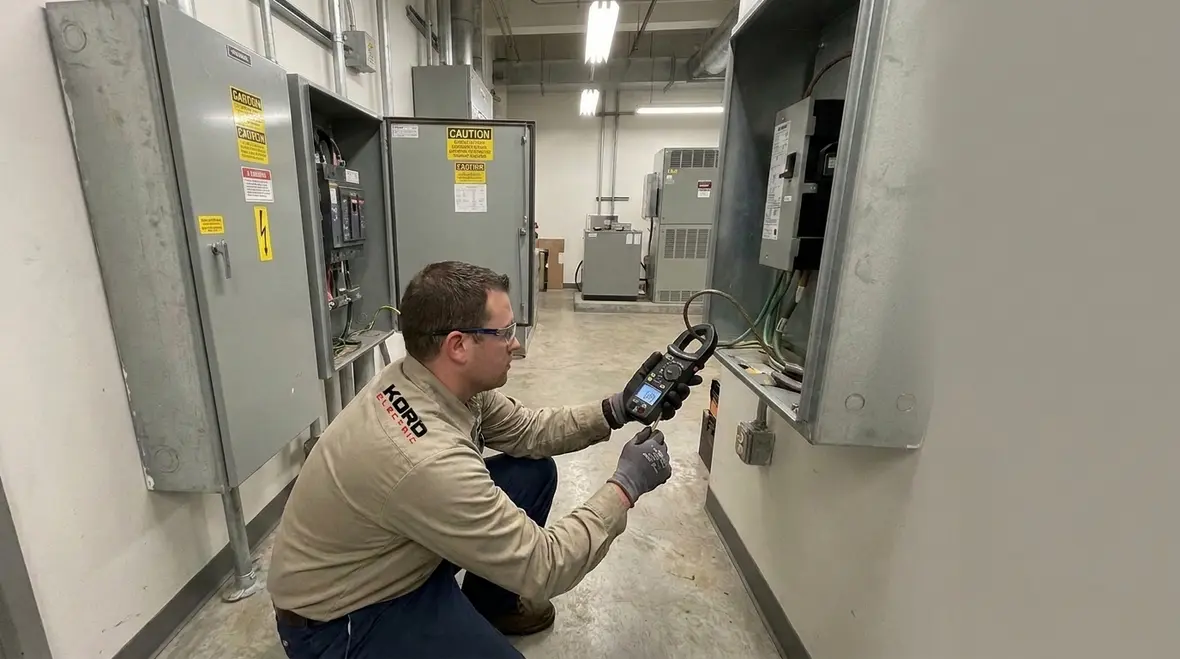
Every reliable installation depends on real components doing their real jobs. Within Electrical Systems for Buildings: Components, Design & Maintenance, we pay attention to the equipment that commonly determines reliability and safety outcomes in commercial and industrial environments.
- Service entrance equipment that receives utility power and routes it safely into the building.
- Transformers that step voltage to the level the facility needs for distribution and motors.
- Switchgear and switchboards that distribute power and provide protective switching.
- Panelboards and distribution panels that break power into manageable branches.
- Motor control centers for pumps, fans, conveyors, and production equipment.
- Backup and standby systems where continuity matters for life safety, IT, and critical operations.
- Grounding and bonding systems that stabilize fault current paths and reduce shock risk.
- Wiring and raceways that protect conductors in mechanical and harsh environments.
Then we verify the system as a whole. Component selection matters, yet coordination is what truly makes protection reliable. For example, a breaker can trip, but it must trip at the correct point in the sequence. Our team uses testing and review steps that help ensure protective devices behave the way the design intends. That is the difference between “installed” and “engineered to perform.”

Protection, grounding, and safety practices that prevent costly failures
Safety does not happen by accident. In commercial and industrial facilities, electrical faults can lead to downtime, damaged equipment, fire risk, and complicated repairs. That is why we focus on protection layers and consistent grounding practices.
First, we address protective device settings and coordination. If overcurrent protection is misaligned, the wrong device clears first. As a result, maintenance crews waste time chasing faults while equipment sits offline. Next, we verify grounding and bonding to limit touch voltage and stabilize system behavior during faults. We also evaluate insulation condition and identify hot spots that can develop into failures under load.
Our technicians explain safety in a way facility teams can act on. For instance, we show how ground fault protection works for relevant circuits, and we help customers understand when arc flash hazards require additional planning. We also highlight why regular inspections matter. In the real world, connections loosen over time. Terminals heat up, insulation ages, and dust or moisture can invade enclosures. Therefore, preventive checks reduce the odds that the next problem arrives when you least want it.
And yes, we do tell jokes on site. When a safety inspection feels like a winter morning chore, someone will eventually ask if we can “skip it.” We can, but the building will not skip the consequences.

Maintenance plans that keep power quality and equipment health strong
Even a well designed system needs ongoing attention. Maintenance is not just a checklist. It is a strategy to protect performance, reduce nuisance trips, and prevent hidden damage in bus connections, terminations, and control equipment.
At Kord Electric, we build maintenance plans around how the facility actually runs. We schedule work to avoid peak production windows and coordinate with operations so downtime stays minimal. Then we run assessments that look beyond surface issues. We review load trends, inspect panels and switchgear, and check signs of overheating or corrosion. We also test key areas where problems begin, such as connections and protective device performance.
Because many commercial systems face power quality issues, we help customers understand harmonics and their impact on motors, drives, and sensitive controls. When power quality drifts, equipment can run hotter, last less time, and misbehave. Therefore, we treat power quality as a maintenance topic, not a surprise problem. Our technicians explain findings in plain language and recommend next steps so owners can plan budgets with confidence.
If you want a building to act like a reliable employee, we help you manage it like one. You do not wait until the employee breaks to schedule training. You prevent issues before they cost you a week of lost work.
Upgrades and expansions without disrupting the whole facility
Commercial and industrial facilities change. Tenants move. Production lines evolve. Data and automation increase. Therefore, upgrades and expansions require careful electrical integration, especially when the building already has an operating load schedule.
When we plan upgrades, we first evaluate existing equipment capacity, condition, and protection settings. Then we map where new feeders and controls connect while minimizing impact to current operation. If the building needs new equipment, we consider load balancing and conductor sizing to avoid overloading existing infrastructure. We also verify coordination so new protective devices do not unintentionally change trip behavior across the site.
Our expert service staff supports customers by explaining the process step by step. They discuss how we isolate work areas, manage commissioning, and verify performance after updates. As a result, the upgrade feels controlled instead of chaotic. And if you have ever watched an upgrade timeline slip because “the electrical system was more complicated than expected,” you already know why this matters. We work to remove surprises before they arrive.
Electrical systems for modern buildings: designing for resilience and growth
Resilience means the electrical system can handle stress without collapsing into downtime. In major property buildings and industrial complexes, that includes planning for maintenance windows, load growth, and system redundancy where needed. We design so the facility can keep critical operations running while the team performs work elsewhere.
We also align design with the real operational priorities of each site. Some facilities need strong uptime for life safety functions and communications. Others need stable power for process equipment. Therefore, we consider critical loads, transfer options, and how protection supports safe operation during abnormal conditions. Growth matters too. We create pathways for additional circuits and future capacity so expansions do not force expensive rebuilds.
This approach supports long term performance and helps owners avoid last minute projects. In other words, we turn electrical planning into a business advantage. Not every building invests in that. Some buildings just wing it, like improvisational comedy. It can be funny for five minutes. It is not funny when it becomes a fire drill.
If you want to connect these ideas with broader strategies for commercial properties, you can also explore Kord Electric resources such as our guide to modern electrical systems for commercial buildings, which pairs design decisions with technology and long term reliability.
Frequently asked questions about Electrical Systems for Buildings: Components, Design & Maintenance
Ready for a stronger electrical foundation?
If your facility needs dependable power distribution, safer protection, and upgrades that work with real operations, Kord Electric is ready. Our technicians and expert service staff review your loads, evaluate existing equipment, and plan maintenance or improvements that support uptime. We focus on commercial and industrial sites and major property buildings, so the solutions fit your world, not a generic one. Contact us to schedule an assessment and get a clear path forward. Let’s build reliability you can count on, even when life gets loud.
For facilities across Southern California, including complex campuses and high demand sites, our dedicated Los Angeles County electrical services team provides design, upgrades, and maintenance support that align with your long term operational goals.
If you are planning major improvements or coordinating multiple projects, you can also connect this guide with Kord Electric’s specialized resources on commercial electrical systems for modern buildings, where we explore how components, design decisions, and maintenance programs come together across an entire property.


