

Energy Monitoring for Commercial Electrical Systems
At Kord Electric, we install Energy monitoring for electrical systems that helps commercial and industrial facilities see what is really happening inside their power. Others guess. We measure. And once the data starts rolling in, the entire electrical operation stops feeling like a mystery novel where everyone says “It just failed” and nobody knows why.
In this article, our experienced technicians explain how energy monitoring supports complex electrical systems, helps teams control risk, and gives facilities a calm, clear view of performance. Then, when something drifts out of spec, we do not shrug. We respond with evidence. Like a good seatbelt, it feels boring right up until the moment you need it.
Why energy monitoring matters in commercial and industrial buildings
Commercial and industrial sites run on schedules, peak loads, and equipment that behaves differently at different times. Therefore, complex electrical systems often hide small issues until they grow expensive. With Energy monitoring for electrical systems, we capture power quality, load patterns, and operating trends in real time or near real time.
As a result, facility teams can connect operational decisions to electrical impact. For example, adding a shift change, increasing production, or starting HVAC demand may look normal on the surface, yet it can quietly raise harmonic distortion or overload specific panels. Additionally, without measured data, teams rely on invoices, gut feelings, and the occasional “the bill went up again.” Monitoring replaces that chaos with signals they can act on.
Our expert service staff walks clients through what the readings mean, in plain language. They explain it like a coach breaking down film, not like a textbook trying to win a poetry contest. And yes, we remind people that electricity is not moody, it is just complicated.
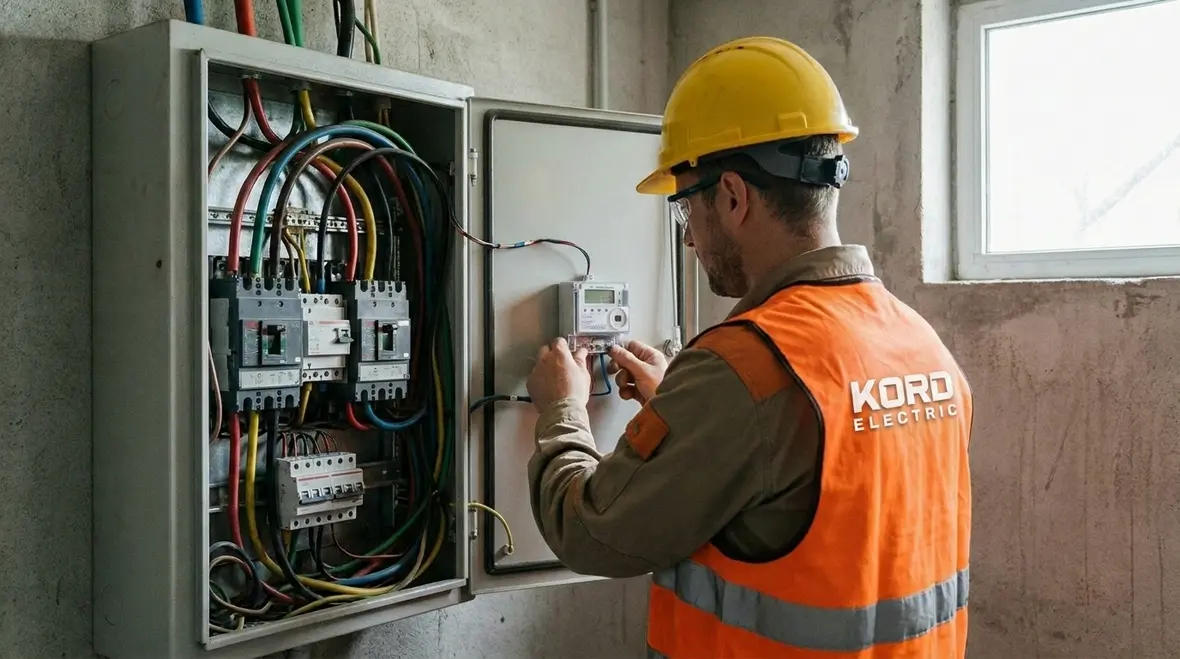
What we track to protect reliability and reduce surprises
Complex electrical systems do not only deal with “how much power.” They deal with how that power behaves. So we track variables that show stress before it becomes a shutdown. Typically, our approach includes:
- Electrical load trends on feeders and critical circuits, so teams see ramp rates and base load changes
- Voltage, current, and power factor to confirm equipment runs within safe bands
- Harmonics and waveform indicators to detect conditions that shorten motor and transformer life
- Energy usage by time period, so leaders understand where demand comes from
- Event logging for alarms, sags, swells, and interruptions that correlate with equipment performance
Because the system records more than one number at a time, others can identify cause and effect. When a pump starts drawing higher current, the monitoring context helps explain whether it is load related, voltage related, or simply a maintenance issue. Moreover, teams can compare similar operating cycles, such as weekday versus weekend operation, without relying on memory. Our technicians then review the patterns and explain what action makes sense next.
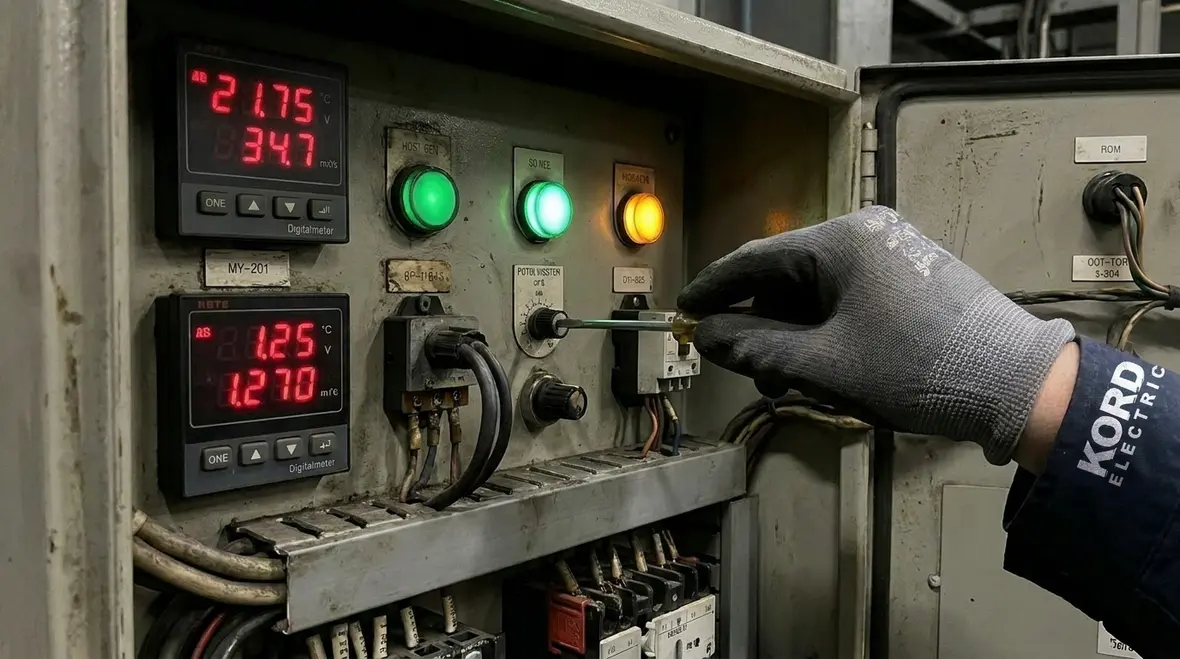
How energy monitoring improves power quality in real time
Power quality issues rarely announce themselves with a trumpet. Instead, they show up as nuisance trips, overheating, and premature component wear. Consequently, Energy monitoring for electrical systems helps detect harmonic distortion, abnormal voltage behavior, and unstable loads that can stress sensitive electronics.
We help clients connect monitoring results to equipment risk. For instance, VFDs, UPS systems, and large motor loads often create complex electrical interactions. When harmonics increase, transformers and motors may run hotter than expected, even though the nameplate ratings look fine. At the same time, poor power factor can raise current draw, which increases losses in conductors and connections.
In practice, we support a calmer workflow. When the monitoring system flags a power quality event, our expert service staff explains what changed, when it started, and where it appears in the electrical one line. Then we help facilities decide if they need corrective maintenance, tuning, or a configuration review. We do not chase ghosts, we chase measurements. Like Batman, but with fewer gadgets and more spreadsheets.
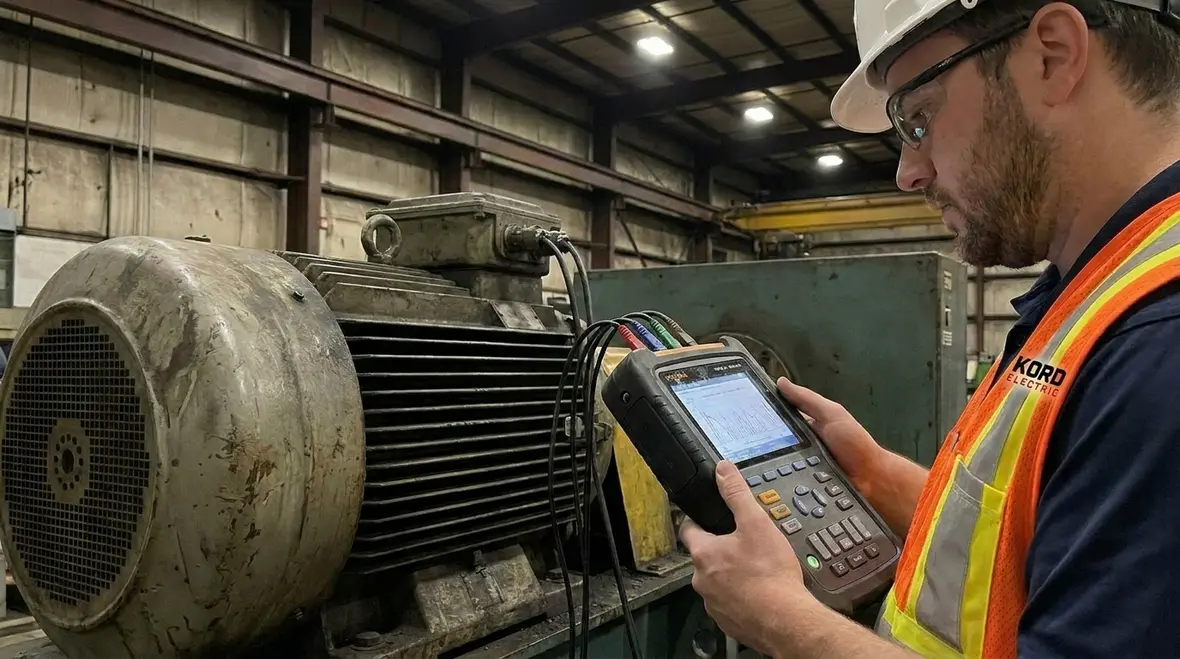
Lower operating cost through smarter load and demand management
Cost control in complex buildings comes from timing and targeting. Therefore, monitoring supports demand management by showing how load shifts across the day. Instead of reacting after a billing surprise, teams can plan operations based on actual electrical behavior.
We commonly help commercial and industrial facilities reduce waste by identifying:
- Overloaded panels or feeders that run hot during certain processes
- Equipment that draws power outside planned operation windows
- Simultaneous loads that drive demand spikes, such as HVAC plus production plus auxiliary systems
- Underperforming motors and compressors, hinted by current and load trend drift
Then, when leadership asks for a practical plan, we provide one. Our technicians help interpret the monitoring data and translate it into actions that align with operations, not just theory. For example, a production team might adjust sequencing, while maintenance tightens alignment and insulation checks. Additionally, facilities can evaluate improvement options with real baseline data, so proposals do not rely on “maybe it will help.” It either helps or it does not, and monitoring lets the site learn faster.
And yes, we know that “demand management” sounds like something you only say in a boardroom. Still, when bills drop and systems stay stable, it becomes the most exciting conversation in the building.
Support maintenance planning with trends, not guesswork
Complex electrical systems need maintenance that targets the right part at the right time. Monitoring improves that by providing trend data. Therefore, instead of waiting for failure or using calendar-based checks alone, facility teams can plan work around actual electrical conditions.
Our expert service staff uses the monitoring output to support maintenance priorities such as:
- Identifying feeders or connections with rising losses that may signal loose terminations or aging components
- Spotting abnormal motor load patterns that suggest misalignment, bearing wear, or mechanical drag
- Detecting changes in transformer loading that can guide inspection schedules
- Verifying that corrective actions worked after repairs or equipment upgrades
Because monitoring creates a history, facilities can compare “before and after” outcomes. As a result, stakeholders avoid the classic problem where everyone argues about what changed. Monitoring provides a shared reference point.
We also help teams connect electrical trends to operational events. If a critical line changes performance after a process update, the data helps confirm whether the electrical system responds consistently. And when something stops behaving as expected, we can support faster root cause analysis. In that sense, monitoring acts like a diagnostic flashlight, except it does not run out of battery.
Integrate monitoring with safety, compliance, and decision making
Complex facilities often manage risk across multiple tenants, processes, and critical loads. Monitoring supports safe operations by creating visibility that helps teams respond quickly to abnormal conditions. Consequently, it also strengthens decision making around upgrades and compliance.
At Kord Electric, we focus on commercial and industrial facilities and major property buildings. We design monitoring so it fits how these sites operate. Therefore, the output supports facility leaders, electricians, and maintenance planners with clear dashboards and practical reports, not confusing noise.
Our technicians explain the results so teams can act, including what triggers alarms, how to interpret thresholds, and how to review events after an incident. Moreover, when monitoring shows a recurring issue, we help teams decide if the next step is targeted maintenance, better coordination, or an upgrade plan.
In short, monitoring supports operational discipline. It helps teams avoid reactive maintenance, reduce downtime risk, and justify improvements with measurable evidence. That is how electrical reliability stops being a hope and becomes a managed outcome.
For many facilities, pairing continuous monitoring with structured electrical preventive maintenance services and well planned upgrades turns Energy monitoring for electrical systems into a long term reliability strategy rather than a one time project.
How energy monitoring supports broader commercial electrical strategies
Energy monitoring does not live in a vacuum. It plays best with other improvements that commercial and industrial sites already care about, like panel upgrades, voltage stability, and long term system renewal. When facilities gather data on load, power quality, and events, they can align those insights with larger projects and decisions.
For example, facilities exploring future rewiring or major infrastructure upgrades can use monitoring trends to prioritize which sections of the system deserve investment first, instead of replacing everything on instinct. The same is true when planning lighting retrofits, commercial EV charging, or expansion work that will add new equipment to existing panels. Monitoring clarifies which parts of the system have headroom and which are already carrying more stress than they should.
In many cases, Energy monitoring for electrical systems becomes the quiet backbone of an ongoing reliability plan. It feeds data into maintenance programs, supports compliance documentation, and helps justify improvements that might otherwise feel optional. Over time, leaders stop asking “Do we really need this upgrade?” and start asking “What does the monitoring say about the risk if we delay it?” That shift in mindset is where long term stability really begins.
If your facility operates in Los Angeles County or the surrounding region, integrating monitoring with comprehensive Los Angeles County electrical services ensures that every insight from your system has a clear path to action.
FAQ: Energy monitoring for electrical systems
Conclusion: Let’s make the electrical system easier to manage
If you manage a commercial or industrial facility, you already know that electrical issues rarely announce themselves early. Energy monitoring changes that. With Energy monitoring for electrical systems, we give your team real data on load, power quality, and events, so decisions stay grounded in facts. Our technicians and expert service staff explain everything clearly and help you turn findings into action. Contact Kord Electric today to discuss monitoring for your building and keep reliability steady, costs controlled, and surprises off the schedule.
Whether you are planning targeted upgrades, exploring future EV charging, or building a long term maintenance roadmap, pairing monitoring with the right commercial services ensures every insight can be turned into a safer, more efficient system.
For facilities that want both clear data and dependable follow through, integrating Energy monitoring for electrical systems with dedicated commercial and industrial service offerings creates a complete strategy for reliability, safety, and cost control.


