
Facility Electrical Load Management for Commercial Sites
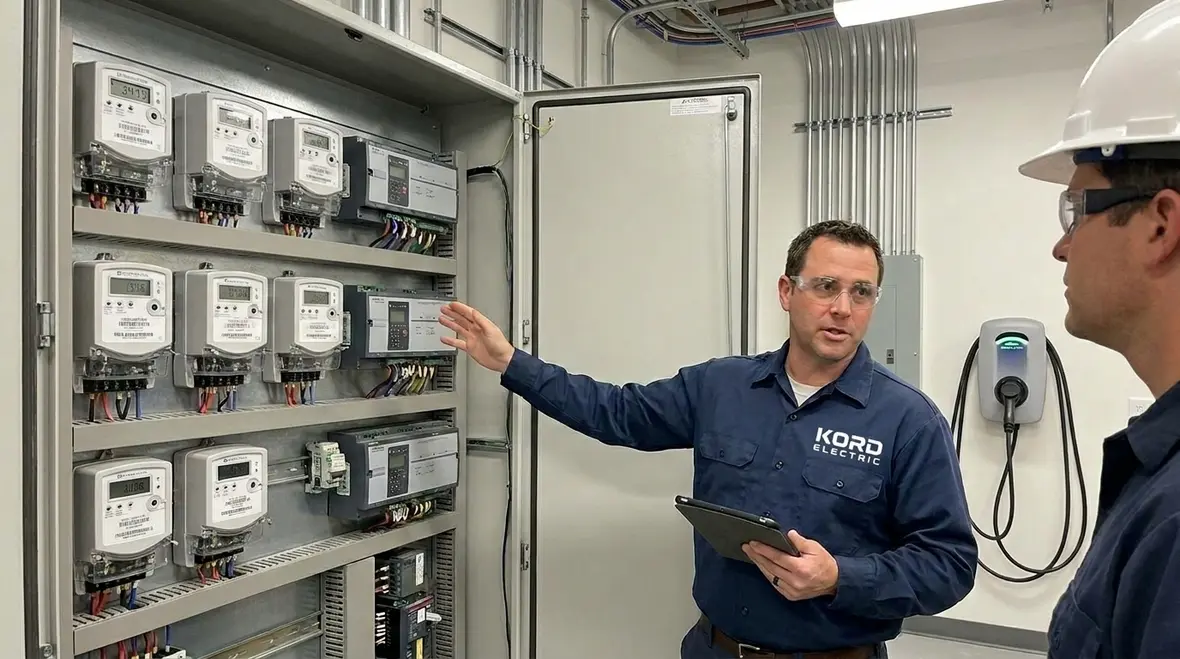
At Kord Electric, we start with facility electrical load management strategies that keep commercial and industrial power systems stable while also protecting budgets. First, our team reviews how your building actually uses electricity across the day, then we plan smart controls that shift demand to off peak windows and prevent overloaded circuits. Next, we tune the system so key equipment keeps running smoothly, even when the rest of the site is busy. In other words, we treat load like traffic, not like a mystery novel that somehow ends with smoke. And yes, we have technicians who explain the “why” in plain language, because nobody wants a 30 minute meeting that ends with the phrase, “Trust the process.”
What smart load management really changes for commercial operators
Smart load management is not a gimmick that looks good on a slide deck. It is a control approach that measures electrical demand, predicts near term needs, and then distributes power in a planned way. As a result, commercial operators can cut wasted consumption and lower the risk of demand spikes. These spikes often trigger higher utility charges, or they force costly upgrades when the true issue is poor timing, not insufficient power.
In practice, others set equipment to run on fixed schedules and hope the building behaves. We take a more grounded approach. We use sensing and monitoring to understand when loads rise, how HVAC cycles affect demand, and how tenant operations or production schedules line up. Then, we align controls so non critical loads start, stop, or ramp in safer windows. The building still works, but it works with less financial friction.
To be clear, smart load management also supports reliability. When the facility keeps demand within planned limits, protection devices trip less often, and the system avoids stress. That means fewer interruptions and fewer calls that begin with, “Hey, something feels off.”

How it reduces operational costs without cutting comfort
Commercial facilities pay for electricity in more than one way. Utility rates often include demand components, and those demand peaks can be expensive. Also, poorly managed power can raise maintenance costs, because equipment runs harder or more often than needed. So, we focus on cost drivers that show up on invoices and in work orders.
First, we reduce peak demand charges by coordinating large loads. For example, instead of letting multiple systems ramp at the same time, we stagger their start or limit their growth rate. This keeps total draw under contract limits. Next, we smooth load patterns so the electrical system operates closer to its best efficiency range. Then, we avoid unnecessary upgrades that happen when people assume “bigger gear” is the only path.
And we do not sacrifice comfort. For HVAC, refrigeration, process equipment, and lighting, our technicians help define acceptable operating bands and control priorities. So, cooling and safety loads keep performance. Meanwhile, flexible loads shift first. It is like managing a busy kitchen: the tickets for the main dishes still print on time, but we prevent every burner from lighting up at once.
Demand peaks, utility rates, and the hidden cost of “business as usual”
Many facilities run on schedules built years ago. Those schedules did not know about new equipment, after hours activities, or updated tenant usage patterns. As the building changes, the electrical demand pattern drifts. Eventually, a demand peak lands during a utility billing interval and costs rise, even though overall energy use did not grow much.
Here is where facility electrical load management strategies pay off. We monitor real usage and then adjust control logic so the facility avoids predictable peak windows. For instance, we can coordinate chiller staging, manage motor start behavior, and manage charging loads when vehicles are present on site. Additionally, we can set priority rules so critical systems keep power while flexible loads pause briefly.
When the facility stops “stacking” high draw equipment events, the demand curve becomes more stable. Utilities usually like stability, and so do budgets. Also, fewer peak events often means fewer protective shutdowns, which protects both operations and staff time.
Integration with EV charging and the power you already paid for
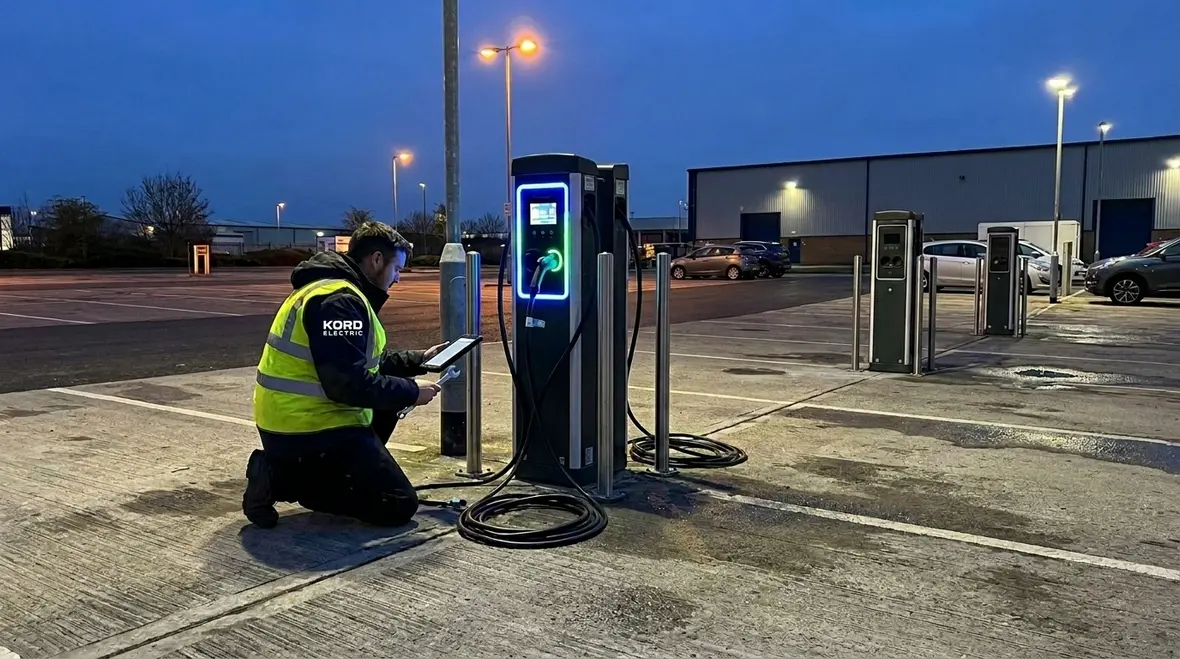
Large sites increasingly add EV charging, and that introduces new demand. The question is not whether charging should exist. The question is whether it should be added in a way that strains the service upgrade plan. Kord Electric handles EV charger installation with load awareness so the facility can grow without surprise costs.
We design charging approaches based on your site capacity, panel layout, and expected usage patterns. Then, we integrate controls so the charging system fits within your electrical limits. In many real projects, that means scheduling and smart allocation, not just pulling power and hoping for the best. If you want a clear example of how we think through EV charger installation, you can review our EV charging installation work here: EV Charger Installation.
In addition, our expert service staff explains the plan at each step. They describe what gets monitored, how chargers coordinate with other loads, and what operators can expect during peak hours. That matters, because the people who manage the building deserve transparency, not a black box with LEDs.
Monitoring, controls, and technician based clarity that teams actually trust
Smart load management relies on measurement and control. We use monitoring to track demand trends, and we apply controls that respond to those trends in a practical way. Yet the technology only works if the site team understands it. That is why our technicians walk operators through the system in plain terms, including what settings do and what they do not do.
For example, we explain how priority layers work so teams know which loads run first and which loads wait. We also cover how alarms should be handled, so staff do not treat every alert like a fire drill from an action movie. Sometimes we include short training sessions that cover the daily realities of facility operations. Then, we provide clear documentation for the next person, because turnover happens and life moves on.
Also, we tune the system. We do not set controls and disappear. We review outcomes after changes, confirm that control decisions match the facility’s real behavior, and adjust where needed. That is how smart load management stays smart.
A simple path to smarter power for major properties
Big commercial and industrial facilities need a process that is steady, not experimental. We typically move through steps that reduce risk and keep schedules intact.
- Site review: We inspect panels, feeders, equipment loads, and any existing control systems.
- Load profiling: We measure demand patterns and identify when peaks occur.
- Strategy design: We build facility electrical load management strategies around your utility limits and operational priorities.
- Integration: We coordinate with electrical distribution and equipment controls, including charging systems where relevant.
- Commissioning: We test response behavior so controls work under real conditions.
- Training and support: Our expert service staff explains operation and helps your team respond calmly to alerts.
And yes, the steps feel slower than “quick installs,” but the results tend to last longer. We know a facility manager has a lot to run already, so we focus on a plan that does not create new problems while solving the old ones.
Related electrical strategies for long-term facility reliability
Facility electrical load management strategies work even better when they sit inside a broader reliability plan. For many commercial and industrial properties, that includes structured maintenance and periodic system reviews that keep equipment healthy while the load profile evolves.
If your site has already seen a few expansions or tenant shifts, pairing smart load management with a focused preventive program can uncover hidden issues before they show up as downtime. For facilities that want that deeper protection, Kord Electric also delivers dedicated Electrical Preventive Maintenance services built for commercial, industrial, and government environments.
That combination—monitoring, control, and planned maintenance—helps large properties move away from fire drills and toward calm, predictable electrical performance.
FAQ
Ready to cut peak demand and protect your budget?
Kord Electric helps commercial and industrial facilities reduce costs with smart load management that fits how your building actually runs. We assess electrical demand, design safe control strategies, and integrate new loads like EV charging without guessing your capacity. Our technicians explain the plan clearly, commission with real testing, and support your team after go live. If you want a facility power approach that stays calm during busy hours, contact Kord Electric today and let us map your next steps.
If your facility is also considering EV charging or other upgrades alongside load management, you can learn more about our dedicated EV Charger Installation services, designed specifically for commercial and industrial properties that need safe, scalable infrastructure.
For sites that want an even more structured approach to reliability beyond control strategies alone, pairing load management with our Electrical Preventive Maintenance programs gives major properties a steady roadmap for safer, more predictable power year after year.


