Electrical Infrastructure Reliability Audit
At Kord Electric, we run a electrical infrastructure reliability assessment that treats power like a business asset, not a mystery box. We conduct a comprehensive electrical infrastructure reliability audit to uncover hidden weak points in commercial and industrial facilities before they turn into outages, downtime, and expensive repairs. Others may glance at a panel and call it “good.” We do not. Instead, our technicians follow a calm, methodical process that maps how electricity moves through your building, then tests whether the system can handle real-world loads, aging, and future growth.
What does a comprehensive reliability audit actually include?
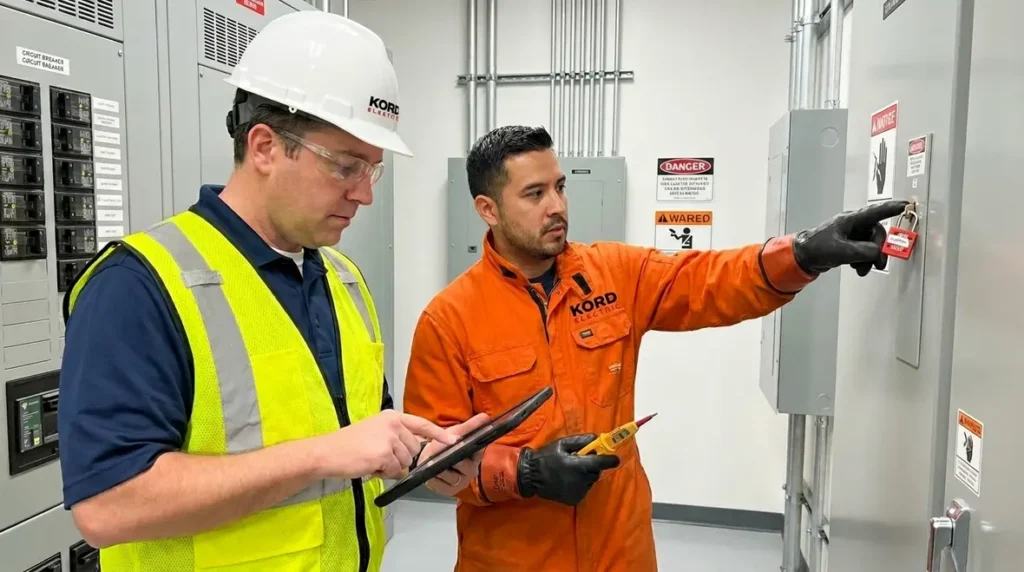
In plain terms, we look for the causes of failures, not just the symptoms. First, our team gathers system details from drawings, one line diagrams, equipment schedules, and past maintenance records. Then we compare what is written against what is truly installed and operating. After that, we conduct on site checks and measurements across key sections of the distribution chain.
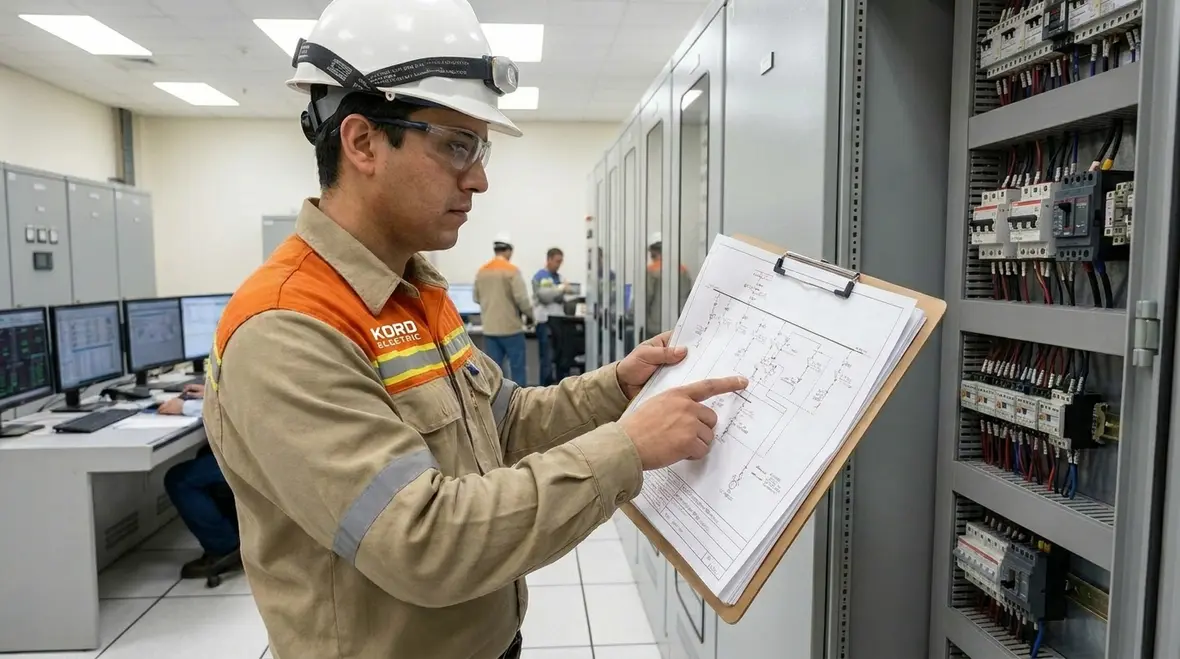
Meanwhile, our expert service staff explains each step as we go. For example, if we find a feeder that shows signs of overheating, we do not just say “replace it.” We explain why the thermal signature matters, how load current affects conductor aging, and what failure mode the measurement suggests. It is like fixing a leaky faucet, except the water is electricity and it is trying to cause a small drama in your production line.
- Load profiling and demand trends to understand stress levels over time
- Visual inspections of switchgear, transformers, busbars, and terminations
- Protective device checks to confirm settings match real operating needs
- Grounding and bonding evaluation to reduce fault risk
For facilities already working to get ahead of hidden issues, this kind of structured review pairs naturally with broader efforts to uncover unseen hazards. In fact, many property teams who start with a reliability audit later build on those findings with targeted projects inspired by insights similar to those shared in Kord Electric’s discussion of hidden electrical risks in commercial buildings, where the focus is on problems that rarely show themselves until it is too late.
How we inspect power distribution without guesswork
To keep your facility running, we focus on the parts that usually fail first. However, “usually” does not pay utility bills. So we verify. Our technicians review the entire path: utility intake, service equipment, main switchboards, distribution panels, feeders, and the loads that ride on them. Additionally, we watch for where small issues pile up into major risk.
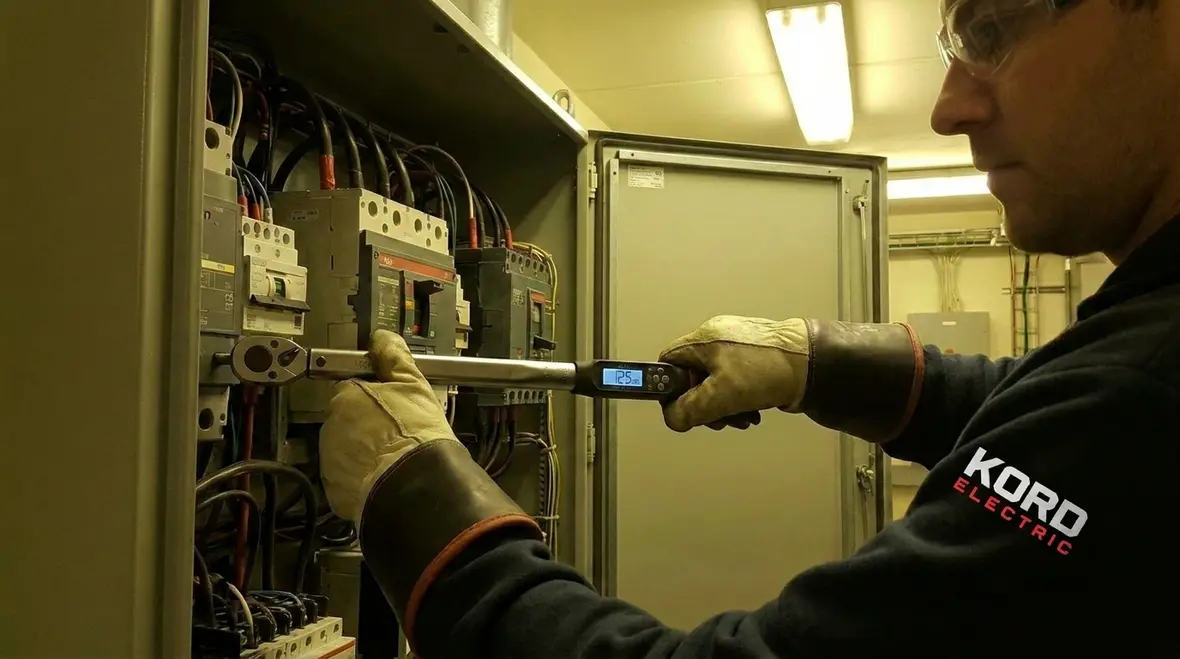
For instance, connections can loosen over time due to thermal cycling. Similarly, moisture, contamination, and corrosion can creep into enclosures. And even if the equipment still powers lights and motors, it may be doing so in a way that shortens life. When our team finds something that needs attention, we translate the technical finding into business impact, like “this may increase outage probability during peak production hours.”
- Termination torque and mechanical condition checks
- Insulation condition indicators and signs of aging
- Busbar and breaker condition review for hotspots and discoloration
- Sequencing and loading review to spot imbalance or abnormal draw
This deeper look at distribution often uncovers the kind of voltage instability and circuit stress that show up in real-world operations as nuisance trips, overheating, or equipment malfunctions. When that happens, our reliability audit findings naturally connect with corrective strategies similar to those used when resolving voltage fluctuations in commercial and industrial facilities, so your team is not just spotting problems but actively restoring stability at the source.
Why thermal and electrical testing changes outcomes
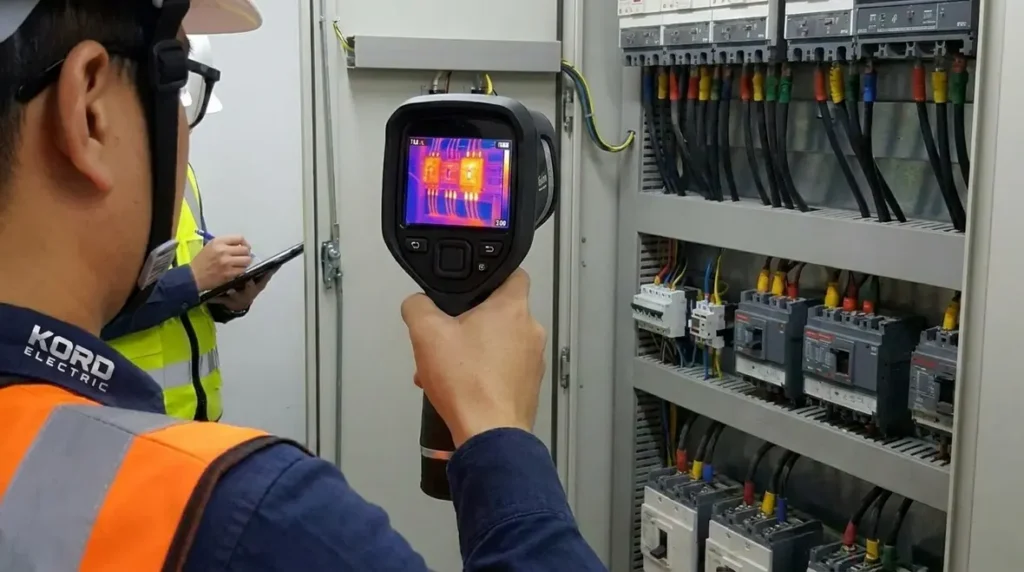
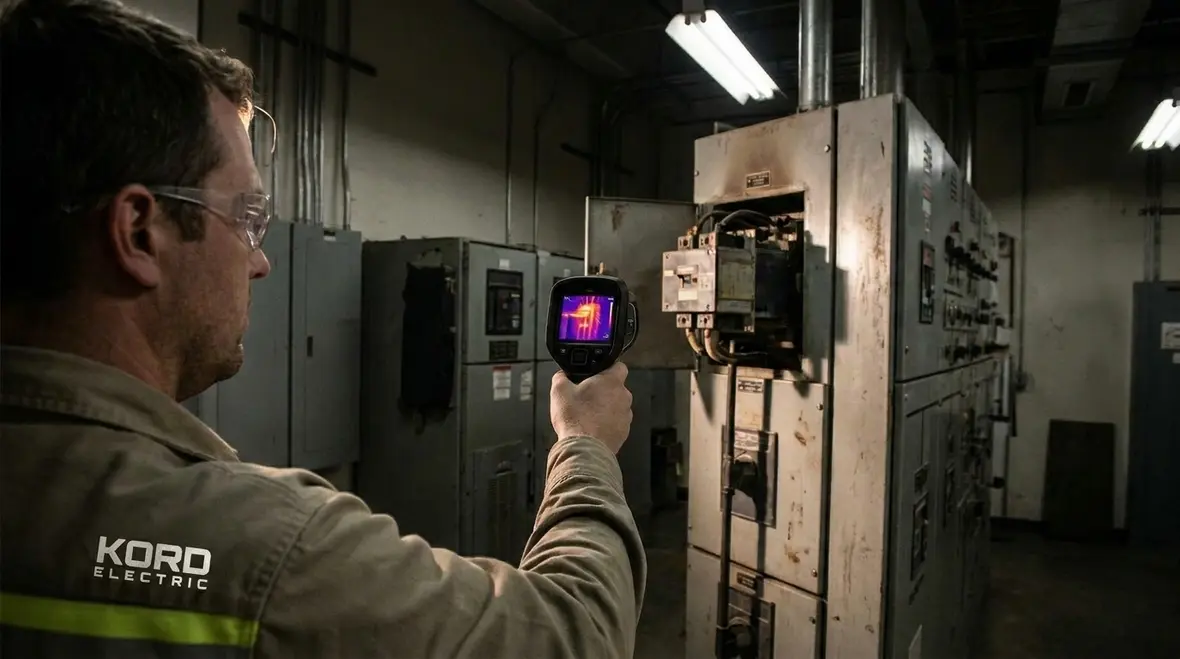
Because electrical infrastructure reliability assessment work should be measurable, we use practical testing that captures what your eyes cannot. We measure temperature patterns, evaluate insulation health, and assess how equipment responds under operating conditions. As a result, we can separate “cosmetic aging” from “near term failure risk.”
Some folks treat maintenance like a seasonal haircut. We treat it like preventative medicine. And yes, sometimes the results are uncomfortable. But discomfort now beats emergency downtime later, especially when your facility schedule does not pause for a surprise outage.
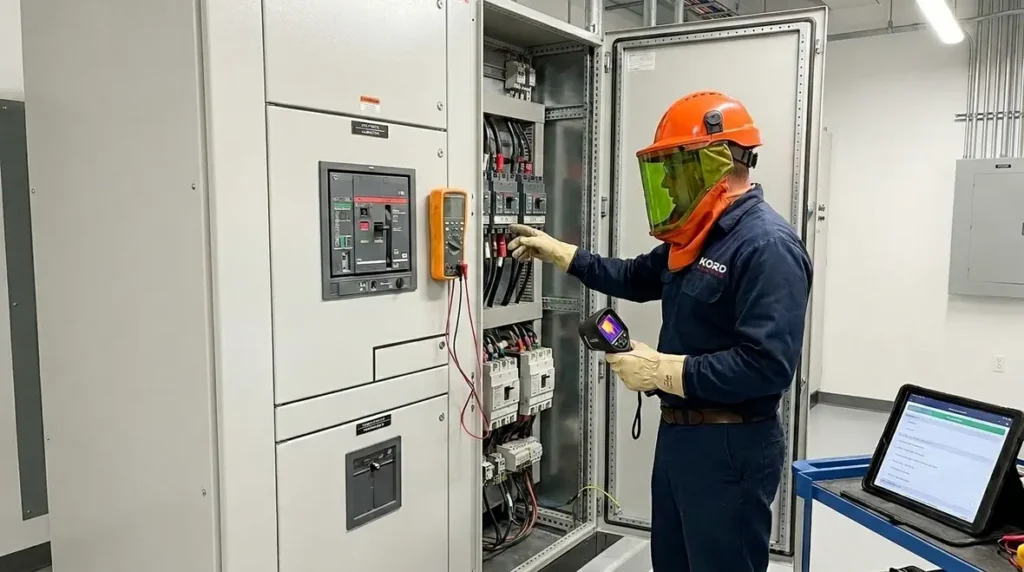
Our technicians may apply diagnostic methods such as:
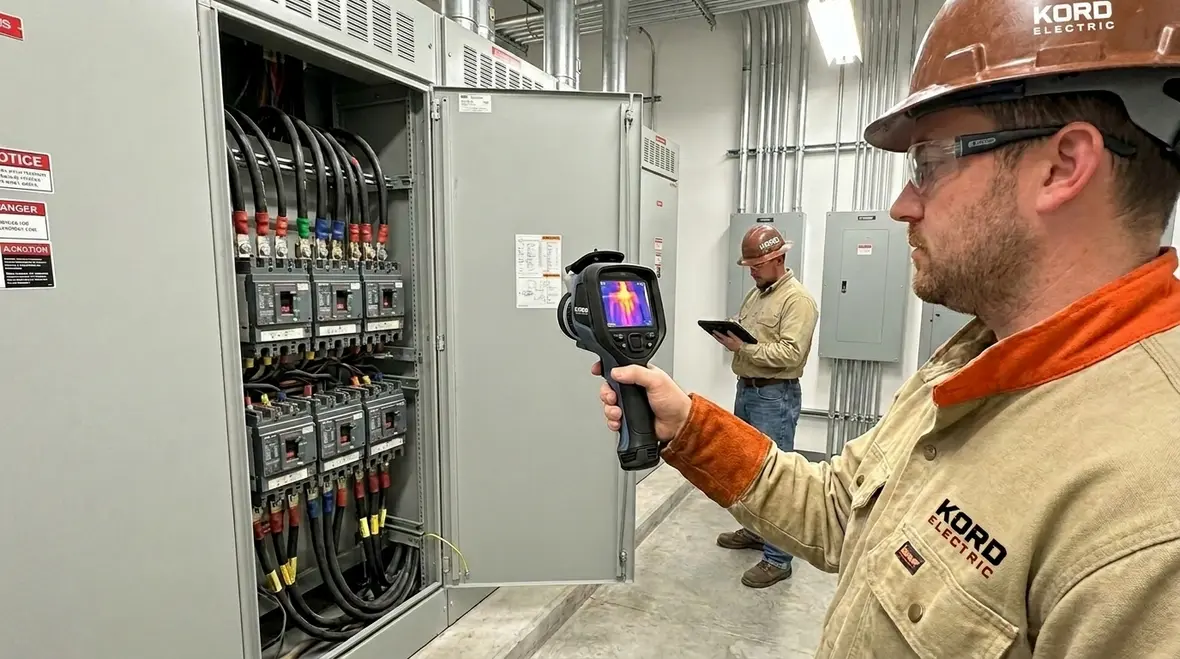
- Infrared thermal imaging to spot abnormal heat at terminations and load points
- Electrical measurements that support insulation and conductor integrity evaluation
- Phase balance checks to reduce stress on transformers and motors
- Protective device operation verification where needed
Then we document every finding with clear notes, photos where applicable, and a risk view that management can act on. In other words, you get more than data. You get a plan.
That plan can also feed into long term preventive programs, especially when paired with structured electrical preventive maintenance. When our reliability testing lines up with a scheduled maintenance strategy, facilities can not only catch issues before failure but also align inspections with compliance requirements and broader reliability goals.
Making reliability actionable for facility managers
Once the findings are in, we help your organization move from “we noticed something” to “we fixed the right thing in the right order.” To do that, we organize results around risk, urgency, and operational impact. And because Kord Electric only serves commercial and industrial facilities and major property buildings, we tailor recommendations to real operational constraints like production windows, tenant turnover, and high use periods.
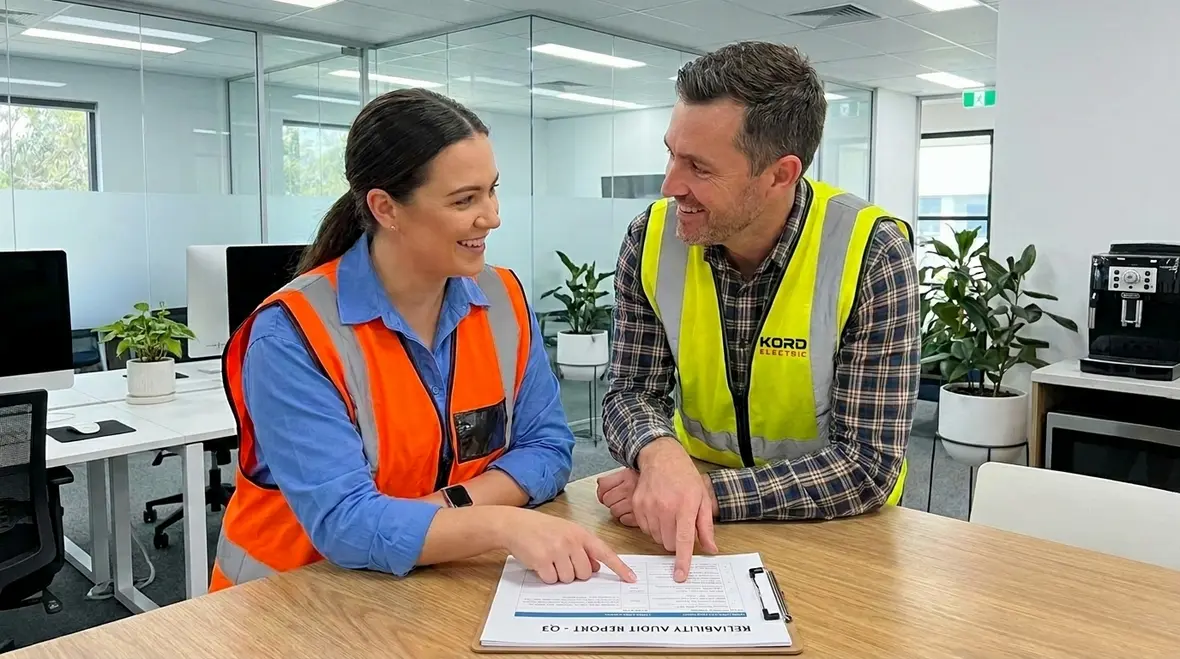
Our expert service staff also explains tradeoffs. For example, replacing a component now may reduce near term failure likelihood. Yet sometimes the best move is targeted repair plus tighter monitoring. We show you what changes when you choose each option. That way, the decision is not based on gut feeling or a “maybe it will last” strategy.
Two lane approach we recommend for most C I facilities
| Reliability fixes | Operational improvements |
|
Targeted repair of identified heat or connection issues Corrective actions for protective device coordination Grounding and bonding updates where readings show risk Equipment refurbishment or replacement planning |
Load balancing adjustments to reduce stress Maintenance scheduling aligned to demand patterns Monitoring recommendations for early warnings Documentation updates to support future work |
Many facility managers also use the results to shape broader upgrade strategies. For example, if the audit reveals that aging conductors, overloaded panels, or outdated distribution paths are limiting reliability, that often becomes the starting point for discussing structured rewiring plans along the lines of Kord Electric’s rewiring cost guidance for commercial electrical systems. The goal is always the same: prioritize the fixes that move the needle on safety, uptime, and long term performance.
Planning the next steps: repairs, upgrades, and monitoring
After we complete the electrical infrastructure reliability assessment, we produce a roadmap your team can use. We prioritize items that affect safety, system stability, and uptime first. Then we sequence the rest based on what can be handled during planned downtime and what must wait for larger upgrades.
At this stage, we also look at your growth plans. If you plan to add equipment, expand production, or support new tenants, the original design may not match future demand. Therefore, we review capacity margins and distribution limitations. That way, upgrades support long term reliability rather than becoming another “band aid with good intentions.”
When monitoring makes sense, we recommend practical steps that improve visibility. Instead of relying on “it feels fine,” you get better signals about condition changes. And when your maintenance team has better signals, they act early, not late. That is how commercial facilities avoid the classic outage story that starts with “we didn’t think it would happen.”
In many cases, we also align these next steps with other building priorities such as Title 24 lighting compliance, emergency power readiness, or planned lighting and EV infrastructure upgrades. That way, your investment in reliability fits alongside other capital projects rather than fighting for budget and schedule.
Common failure points we uncover in real facilities
Every building has its own personality, but electrical systems often share the same weak habits. For instance, aging terminations show up as heat patterns. Moisture intrusion damages insulation over time. Incorrect protective settings can delay fault clearing, which then increases damage severity. Additionally, poor phase balance can quietly wear down motors and transformers.
We also commonly see documentation gaps. If a facility has “as built” drawings that no longer match what is installed, troubleshooting becomes slower and risk rises. So we update what we can, and we make sure your team has clear reference information for future service. In the end, reliability improves because everyone works with the same truth, not versions of reality that argue like office sitcoms.
- Loose or degraded connections at switchgear, panels, and bus interfaces
- Transformer stress from load imbalance or abnormal demand profiles
- Protective device coordination issues affecting fault clearing performance
- Grounding and bonding problems that increase fault and safety risk
These weak points often overlap with the hidden electrical problems that Kord Electric calls out in their broader discussions of commercial building risk: overloaded circuits quietly running hot, aging panels that no one has opened in years, or improvised modifications that seemed harmless at the time. A structured reliability audit simply shines a brighter light on those same issues, adds measured data, and turns them into a prioritized action list instead of a collection of “someday” concerns.
FAQ: Electrical reliability audits for commercial and industrial sites
Ready to reduce outage risk with a real plan?
Kord Electric helps commercial and industrial facilities protect uptime with a thorough electrical infrastructure reliability assessment and clear next steps. Our technicians and expert service staff explain findings in plain language, then guide repairs, upgrades, and monitoring so your system performs with confidence. If you want fewer surprises and better power reliability during peak demand, call us to schedule an on site audit and get a roadmap your team can actually use. Let us handle the serious parts, while you get back to running the business.
If your facility is already thinking beyond the next outage and toward structured resilience, this is also the perfect time to look at complementary services such as electrical preventive maintenance programs for commercial and industrial sites, which keep your system aligned with the findings of the audit over time instead of letting risks quietly rebuild in the background.
And when audit results point toward larger upgrades, expansions, or code-driven changes, our team can connect the dots between reliability, compliance, and new infrastructure needs—whether that means planning for commercial and industrial EV charger installation, modern lighting, or long term capacity improvements that support the next decade of growth.