Fire Pump Controller Electrical Requirements Guide
In this business, a dependable fire pump controller electrical requirements plan is not optional. At Kord Electric, we help commercial and industrial facilities and major property buildings meet the electrical and life safety expectations that keep pumps ready when they must perform. The basics matter early, including correct power feeds, proper grounding, safe wiring routes, and clear protections against faults. And yes, we still see controllers installed like it is a “good enough” home remodel. That approach lasts right up until the moment it fails. Others in the industry describe it as Murphy’s Law with a wiring diagram. We prefer to call it preventable risk.
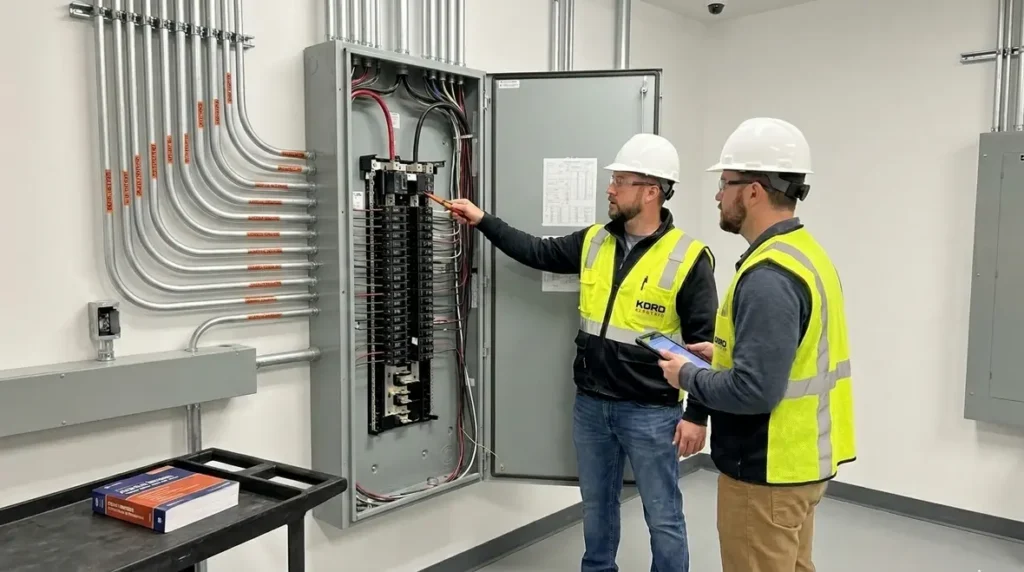
Fire pump controller electrical requirements overview for facility teams
Facility leaders and electrical supervisors need a clean picture of what the controller expects before any panel work starts. First, the controller depends on stable power, correct voltage, and safe distribution methods so the pump can start on command. Then it requires wiring practices that protect signals, monitoring, and alarms. Finally, it needs protective devices and control circuit design that prevents a single fault from taking down the system.
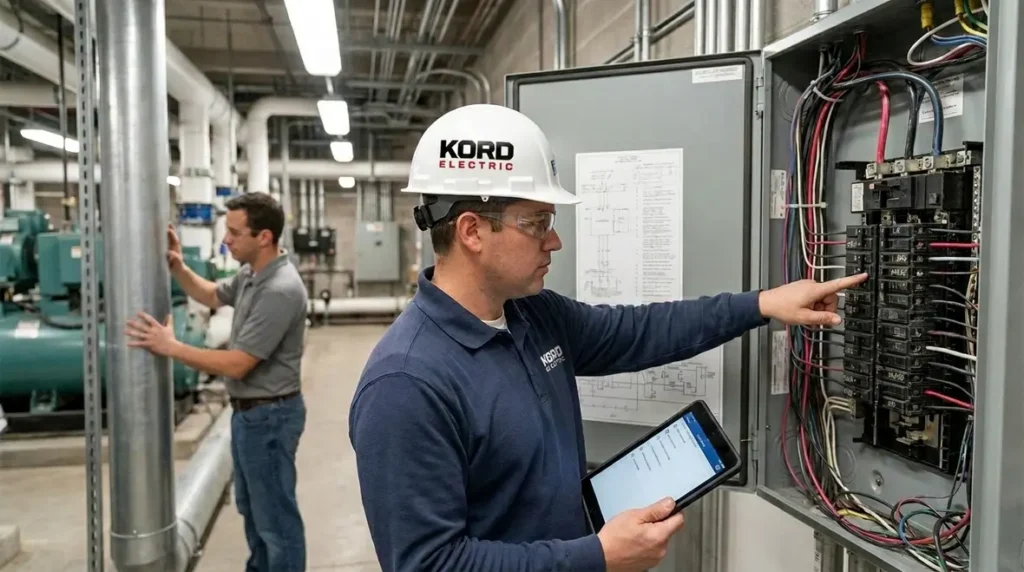
In plain terms, the electrical side of a controller is where safety either holds or slips. Therefore, we take time to review the site conditions, the pump listing information, and the job drawings. After that, our technicians or expert service staff explain the path of power and the logic of control circuits, so your team understands how status signals and interlocks behave. This is not a “trust us” moment. It is a “verify, document, and move forward” moment.
How safety standards shape wiring, power, and control circuits
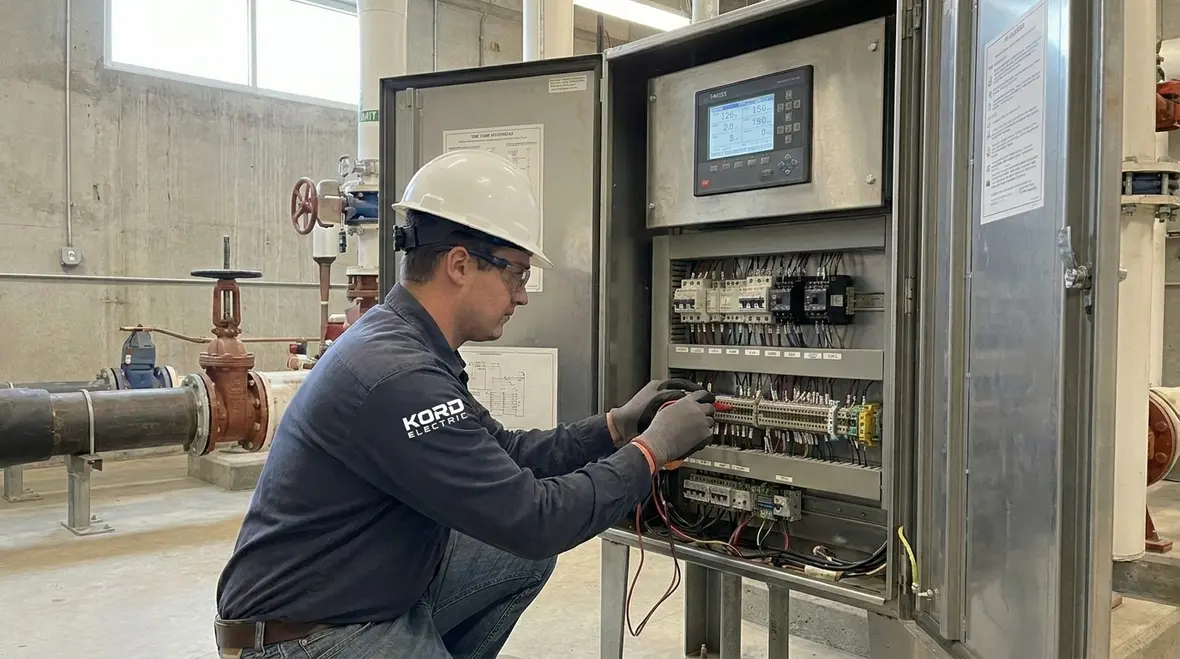
Compliance does not live in a binder. It lives inside the wiring and the panel layout. We work with the electrical and life safety expectations commonly discussed across fire pump guidance, including practical requirements emphasized by resources such as firepumps.org. While every project varies, the same safety outcomes repeat: reduce shock hazard, keep control signals reliable, and maintain the ability to start and run the pump under fire conditions.
To keep this grounded, we focus on a few job realities. First, the controller must receive power from the required source and the system must maintain that power as intended during an alarm or fire scenario. Second, the control circuitry must remain supervised and correctly arranged so that faults do not mask pump readiness. Third, wiring separation and routing matter because electrical noise and damage can create nuisance trips or false indications.
Our expert service staff then walks facility teams through what “acceptable” looks like in the field. They show which conductors carry power versus which carry signals, where segregation practices apply, and why terminations and labeling matter. In other words, we turn the technical rules into something a real plant manager can audit without sweating through their shirt. For a deeper dive on how electrical and fire protection work together across your building, you can also explore Kord Electric’s coverage of the National Electrical Code and related fire protection topics in their code-focused resources.
Proper grounding and bonding for dependable controller behavior
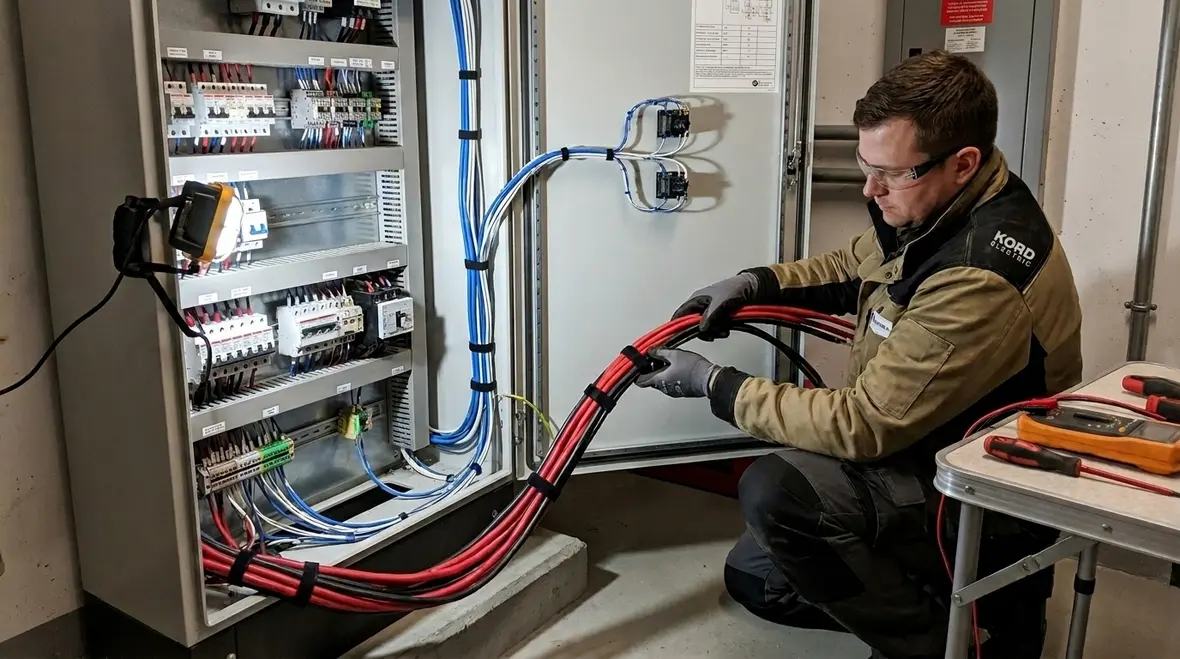
Grounding and bonding form the quiet backbone of safe operation. If grounding is wrong, you can get nuisance alarms, erratic controller resets, and worst case, unsafe voltage exposure. Therefore, we review how the controller enclosure, disconnects, and bonding points connect to the facility grounding system. Then we check that the conductor sizes and connection methods match the design and the equipment instructions.
We also confirm that the bonding approach supports both safety and performance. For example, equipment enclosures must not rely on paint layers, incidental contact, or “we tightened it once” thinking. Instead, we ensure the bond path is stable and durable. And because facilities hate surprises, we document the verification steps so your team has a record, not a mystery.
When our technicians complete the work, they explain how a ground fault or a wiring issue would present on a typical controller. That explanation helps others on the maintenance side spot early warning signs. It is like giving the building a smoke detector and an instruction manual, not just a detector that beeps until someone guesses what happened.
Wiring routes, separation, and protection from physical damage
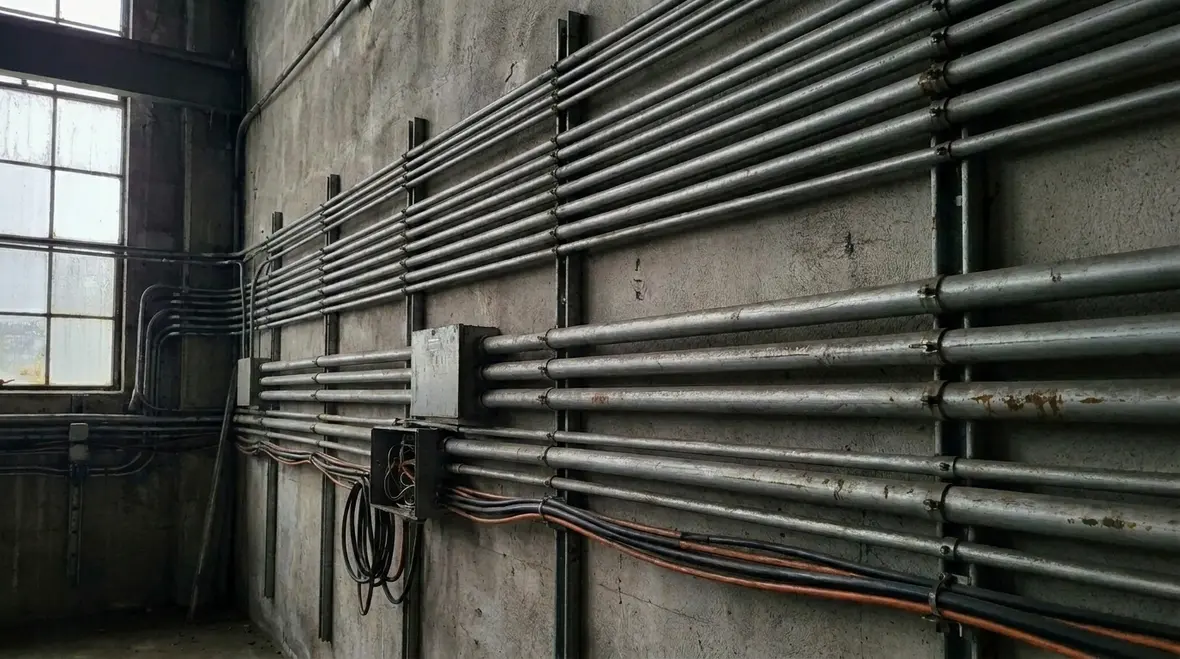
Electrical safety fails in the field where stress, vibration, and routine traffic happen. So we treat wiring routes and physical protection as a core part of the fire pump controller electrical requirements plan. We examine cable routing paths, conduit support, and where the system might take hits from moving equipment or accidental impacts.
Then we address segregation. Power conductors and control or detection related signal conductors should follow an approach that reduces coupling and interference. Even if the controller works during startup tests, noise and cross talk can disrupt monitoring later. Therefore, we apply route planning that respects separation practices and the project drawings.
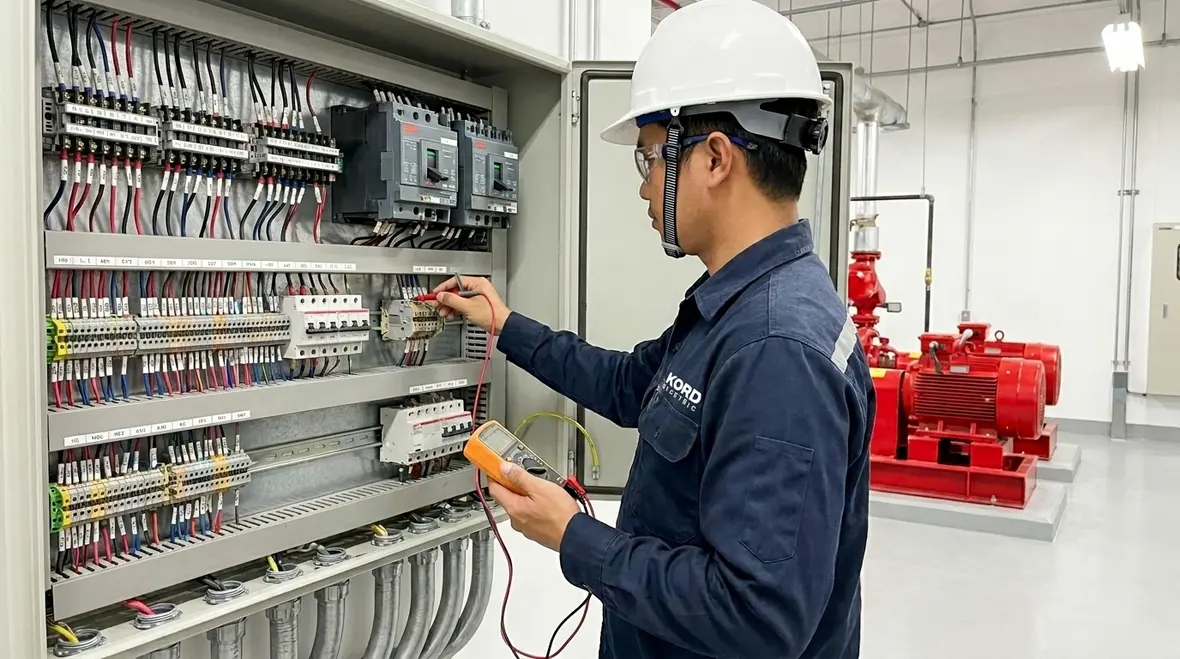
Our team also verifies overcurrent protection and circuit integrity. That means we confirm conductor sizing, breaker or fuse selection, and whether devices protect the controller as designed. After that, we check terminations for tightness and correctness. This is the unglamorous part of the job. Yet it is the part that keeps the controller calm when the rest of the building gets loud.
Sometimes a facility asks, “Can we run it the fastest way?” We respond in a soothing baritone: you can, but fast is not the same as safe. And in life safety systems, safe wins every time. Pop culture taught us heroes jump off buildings. Electrical safety teaches us controllers should not.
Commissioning, testing, and what “ready” actually means
After installation, we do not stop at energizing. Commissioning proves the controller meets the intended sequence of operation and safety behavior. That includes checking control input wiring, verifying status feedback, and confirming that protective devices operate correctly without masking faults.
We then coordinate functional testing with the facility’s operations plan. In a commercial or industrial environment, downtime can be expensive, and fire pump testing must be handled thoughtfully. Therefore, we plan the test windows, we verify procedures with your team, and we ensure the controller responds as expected to start and monitoring signals.
Once testing completes, our expert service staff reviews results and provides clear documentation. We also help maintenance teams understand how to interpret controller indications, so they can act quickly if a supervisory condition occurs. The goal is simple: your team should know what to do before the alarm tone becomes the only language the building speaks.
When we hand off, we also recommend sensible upkeep steps. We do not sell fear. We sell readiness, so the system performs when a real event happens, not when a training schedule says “maybe today.” For many facilities, that readiness also connects to broader electrical maintenance planning, where structured inspections and testing keep critical equipment healthy year after year.
Common mistakes we prevent at commercial and industrial sites
Because Kord Electric serves commercial and industrial facilities and major property buildings, we see the same patterns again and again. First, teams sometimes underplan the electrical pathway. They choose equipment locations without confirming conduit lengths, access needs, and how the power source will feed the controller safely.
Second, facilities sometimes treat labeling as optional. Yet incorrect labeling and unclear terminal identification slow down troubleshooting and can lead to wrong actions later. Third, some projects rely on “standard practice” without confirming the specific controller listing information and the project drawings.
Another recurring issue involves workmanship at terminations. Loose connections, inconsistent torque, or mismatched conductor types can create heat and intermittent faults. Meanwhile, improper bonding can create shock hazards or false monitoring.
To prevent these mistakes, our technicians follow a disciplined process. They verify design intent, apply correct installation methods, and document the checks that matter. Then they explain what they found and what they changed. That transparency helps others on site avoid repeat problems and make future maintenance quicker. It turns a future outage into a present-day fix, which is the best kind of magic trick.
For facilities that want this discipline applied beyond the fire pump room, Kord Electric’s commercial and industrial electrical maintenance plans and electrical preventive maintenance services help extend the same level of care across panels, switchgear, and other critical equipment.
FAQ: fire pump controller electrical requirements and safety basics
Typical checklist item
Bonding and grounding verification
What it protects against
Shock risk, unstable control behavior, false indications
Wrapping it up: next steps with Kord Electric
If your facility runs a fire pump controller, you deserve electrical work that holds up under pressure. Kord Electric focuses on commercial and industrial facilities and major property buildings, and our technicians explain every step so your team understands how safety and control logic connect. If you need an inspection, a controller electrical requirements review, or commissioning support, contact us. We will assess your project, prevent avoidable mistakes, and help your system stay ready, every day, not just during testing.
Call Kord Electric today and schedule a site-focused review with our expert service staff. If you want to extend that same discipline across the rest of your electrical infrastructure, explore Kord Electric’s Electrical Preventive Maintenance services and broader Commercial and Industrial Electrical Maintenance Plans to keep panels, switchgear, and distribution equipment aligned with your fire pump controller’s reliability expectations.
For facilities that want to go even further, pairing controller-focused work with structured maintenance programs helps close the loop between installation, inspection, and long-term performance. That way, your fire pump, your controller, and the electrical backbone feeding them all share the same standard: calm, predictable operation when the building needs it most.