GFCI Requirements California Commercial Buildings
For commercial sites in California, the gfci requirements california commercial buildings are not “nice to have.” They protect people from shock when a fault happens, and in many cases they also prevent fires caused by ground faults. At Kord Electric, we help building owners, property managers, and facility teams stay aligned with the latest rules for workplaces, retail, offices, warehouses, and large multi tenant sites. In this guide, our team explains what typically triggers GFCI use, where devices must go, and how inspections usually spot mistakes. And yes, we have heard every joke about electricity being like Wi Fi, “when it wants to work, it works.” But electrical safety does not run on vibes. It runs on code, testing, and good installation.
Where California expects GFCI protection in commercial spaces
Third party inspectors do not care how busy the building feels. They care that protection matches the scenario. As a result, gfci requirements california commercial buildings usually show up in places where people may touch water, where electrical equipment sits near grounded surfaces, or where the risk of a fault is higher. Our expert service staff explains this clearly during walk throughs, because the goal is not to hand over a punch list. The goal is to keep your occupants safe and your facility running smoothly.
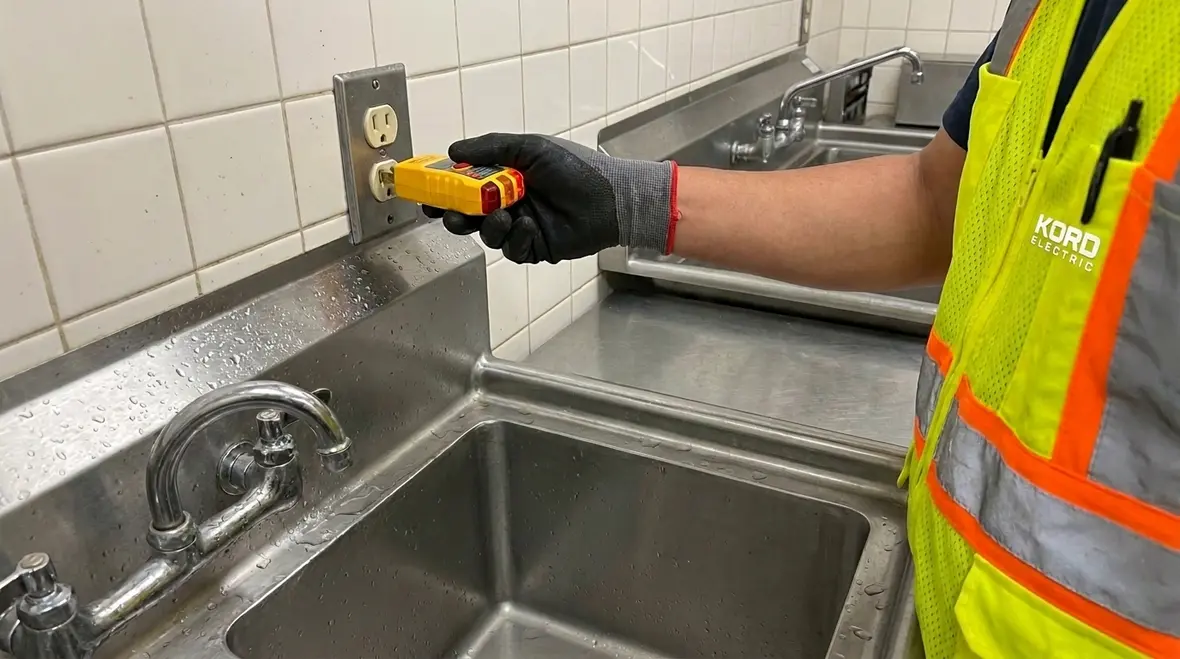
In practice, we see common need areas such as receptacles in wet or damp locations, power outlets near sinks, outdoor receptacles, and receptacles that serve equipment used near water. Additionally, some installations that feed equipment located in areas with splash risk fall under these expectations. The exact triggers can change based on how the space is used, so others should avoid “it looks similar” shortcuts.
When Kord Electric reviews plans, we also watch for how circuits are laid out. Even if the device type looks correct, the placement and circuit use must match the intended design. Otherwise, the GFCI can trip at the wrong time, or it might not protect the right loads. And if you are thinking “we will just reset it,” that is like using a bandage as a bridge. It might help today, but it does not solve the problem.

Common device types and how protection actually works
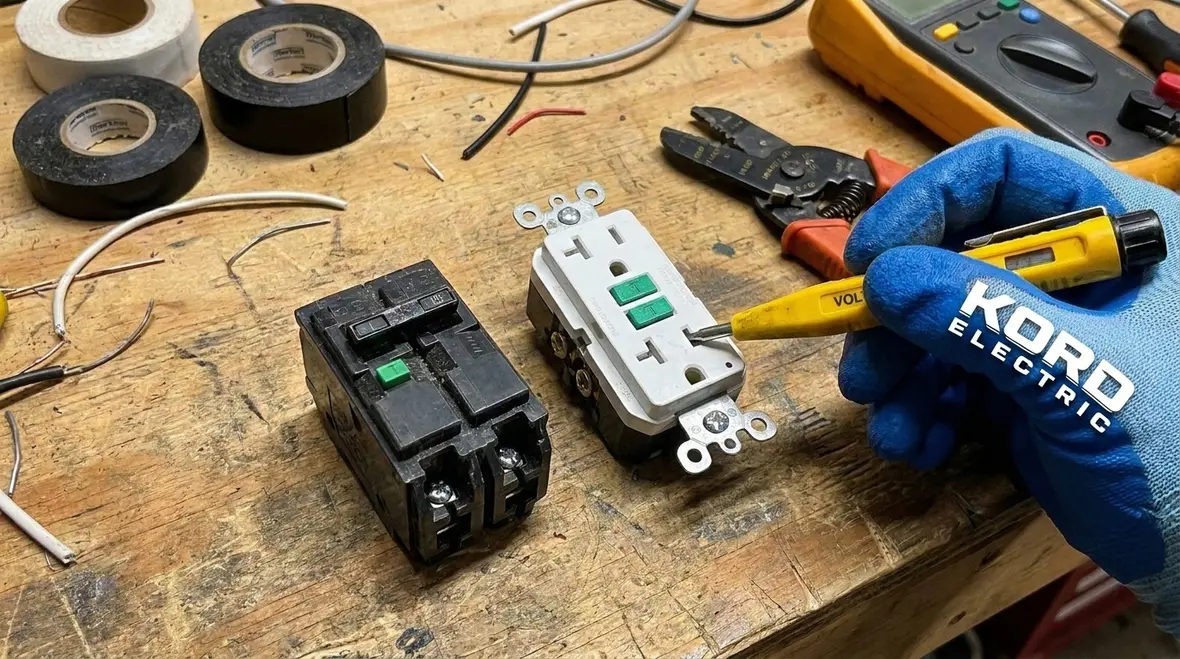
GFCI protection can come in different forms, and our technicians clarify which one fits a commercial setup. Some projects use GFCI receptacles, which provide protection at the outlet itself. Other projects use GFCI breakers, which protect an entire circuit. In some cases, contractors use upstream protection devices when the design calls for it. In each case, the key idea stays the same: when the current does not return on the grounded path as expected, the device interrupts power quickly.
However, businesses often run into trouble when they pick a device type that does not match the circuit scheme. For example, one tenant may add equipment later, another may change wiring for process needs, and soon the original intent gets lost. That is why our team takes time to document circuits, label loads clearly, and confirm downstream wiring. We also test after installation, because a device that never trips under a fault test is like a smoke alarm with the battery removed.
Rules that tie to wet locations, outdoor use, and splash risk
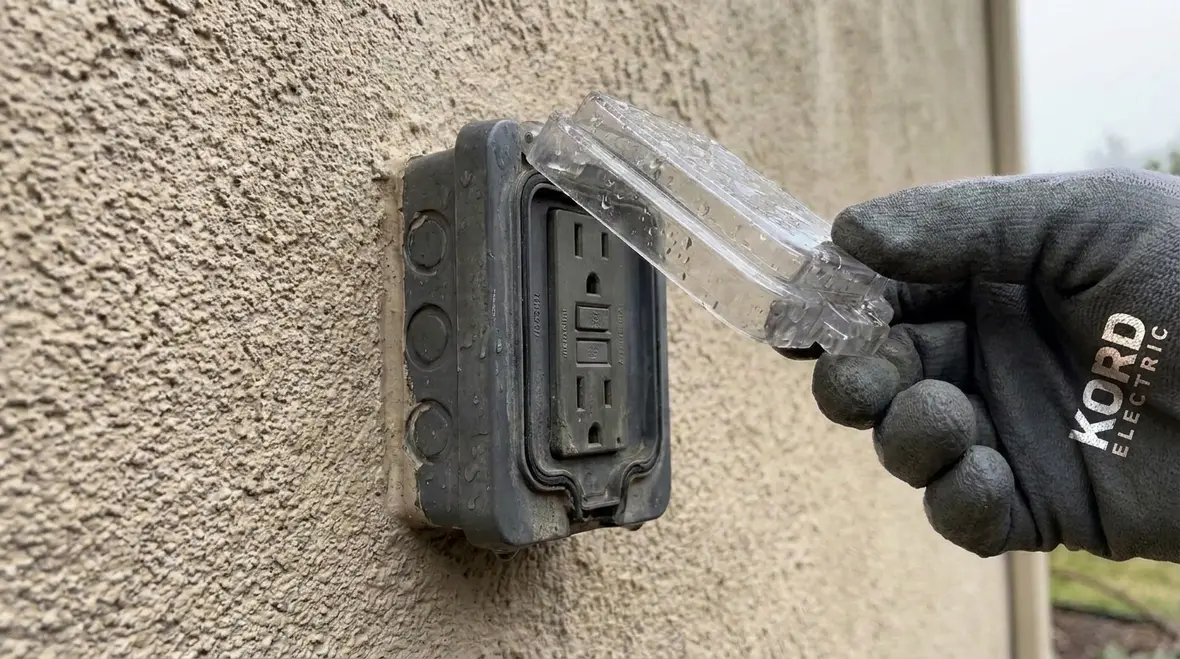
California commercial buildings often include places where water and electricity meet in everyday life. For that reason, we pay close attention to wet and damp areas, including sinks, dishwash areas, utility rooms, and exterior locations where rain or irrigation can reach. Likewise, we focus on splash risk. A mop sink does not care that the breaker is “the same as last time.” The location rules are strict because the consequences are real.
As we explain to property teams, outdoor receptacles and receptacles in areas exposed to weather typically need ground fault protection. Similarly, indoor areas that serve washing tasks or connect to equipment that can wet the environment often require it. Transitioning from “we think this is close” to “we know it matches” saves time at the inspection stage.
In many facilities, people forget that humidity and condensation count as moisture exposure. Therefore, technicians look beyond the obvious puddles. We also check physical mounting, device ratings, and whether the outlet location matches how the space operates daily.
How to interpret code updates for commercial and industrial buildings
Electrical rules keep moving, and commercial properties feel those changes in the real world. That means Kord Electric does not treat codes like old family recipes that still work even after the stove changes. We reference and apply guidance from our own code focused resource, including our commercial building electrical code overview at kordelectric.com/kord-electric-blog/electrical-codes-commercial-buildings/. Then we translate it for facility managers who need a clear answer, not a textbook debate.
When we interpret updates, we check how sections apply to the occupancy type, the environment, and the circuit design. Instead of only listing where GFCI goes, we also explain why it goes there. That matters because a business can use the explanation to guide future tenant improvements, equipment additions, and remodel work. And when those changes happen without planning, problems often show up as repeated nuisance trips, failed inspections, or safety gaps that become a liability.
Our technicians also remind clients that field conditions can change. If a warehouse bay becomes a service bay, or an office suite converts to a break room with sink installation, the safety approach must update too. In other words, you do not freeze a risk assessment on day one and call it done.
Inspection readiness: wiring, labeling, and testing that inspectors notice
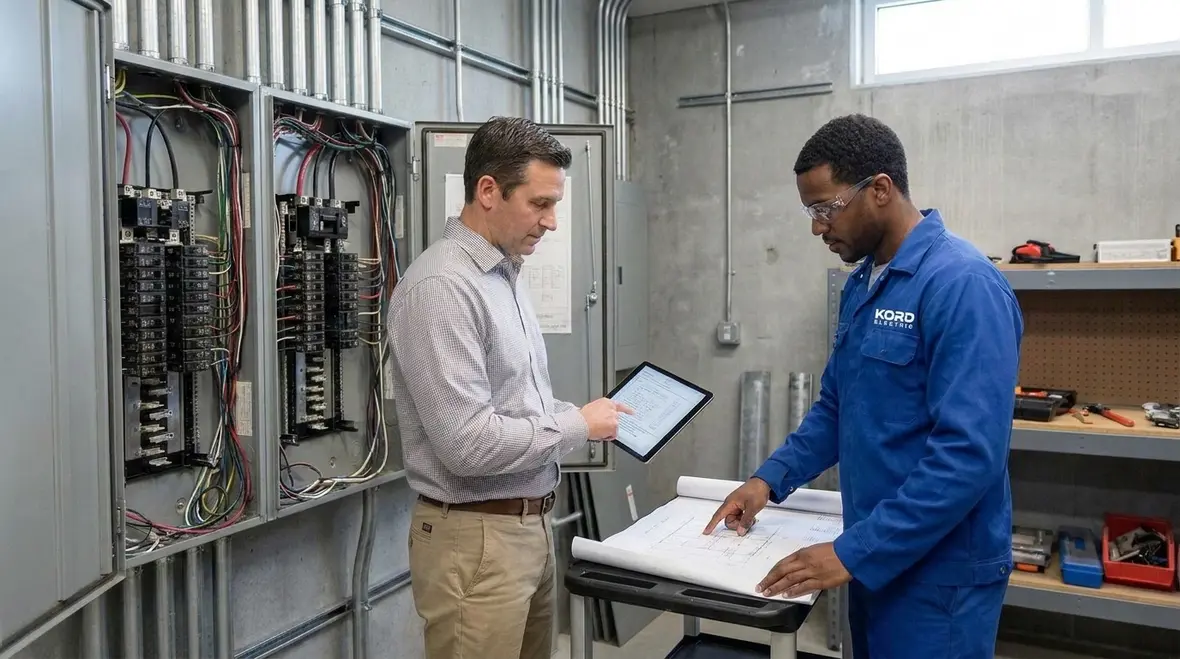
Inspections focus on evidence. Therefore, we prepare commercial projects with testing and documentation that make the job easy for everyone involved. Our service team verifies proper device selection, correct wiring, and the intended protection scope. Then we test functionality and confirm that the correct circuit gets interrupted under a ground fault condition.
We also recommend clear labeling. If multiple circuits exist for several bays, labeling helps reduce “guess work” during follow up repairs and tenant service calls. As a result, technicians do not have to trace wiring like they are solving a mystery from a late night crime show. And the rest of the facility team benefits too, because they can report the right breaker and the right outlet without frustration.
Finally, we make sure the install looks professional. That means proper device mounting, no loose connections, and good workmanship. Inspectors notice sloppy work. We do too. It is not about perfectionism. It is about durability, safe heat dissipation, and reduced failure over time.
Typical mistakes that cause failed checks in commercial facilities
Most failures come from a handful of predictable issues, and our expert staff sees them again and again in larger properties. One common mistake involves missing protection where moisture exposure exists, even when the area seems “lightly wet.” Another mistake involves using devices with the wrong rating for the environment. Yet another failure comes from wiring errors that prevent the GFCI from detecting ground fault current.
Some teams also assume that if a GFCI exists nearby, it protects everything. That assumption can fail when a circuit feeds only part of an area, or when wiring routes do not match the plan. Therefore, our technicians confirm circuit paths during install and during renovations. If a tenant remodel changes loads, we revisit GFCI coverage so the facility does not rely on luck.
Lastly, we see delays in testing. Some crews “install and move on,” then later discover the device does not operate as expected. In that moment, everyone rushes. We reduce that stress by testing before the job ends, because schedule pressure should never push safety to the back row.
Dual column quick checklist for fast field review
Check now
- Moisture exposure and splash zones near sinks, wash areas, and outdoor points
- Device type match for the circuit scheme and intended protection scope
- Correct ratings for the location environment
- Proper wiring and termination quality
- Labels for circuit and outlet identification
Do not assume
- Nearby GFCI equals full area protection
- Existing wiring still matches today’s use
- “We reset it last time” solves the cause
- Plan drawings alone guarantee correct field conditions
- Tenant changes do not affect safety requirements
FAQ about GFCI protection in California commercial buildings
Call Kord Electric for a site specific safety review
If you manage a commercial or industrial property, you already know that inspections love surprises. Kord Electric helps you prevent them with careful GFCI coverage review, correct device selection, clean workmanship, and reliable testing. Our technicians explain what applies to your actual spaces, so you can make fast decisions without guessing. If you want a clear plan for today’s code expectations and tomorrow’s tenant changes, contact us for an on site assessment. We will help keep your building safe, compliant, and running like it means it.
For multi site portfolios and larger facilities in the region, our team also coordinates with maintenance staff to standardize labeling, testing routines, and upgrade priorities. That approach makes it easier to line up GFCI coverage with broader Los Angeles County commercial electrical services planning, so upgrades roll in as part of a bigger reliability and safety roadmap instead of as last minute fixes.