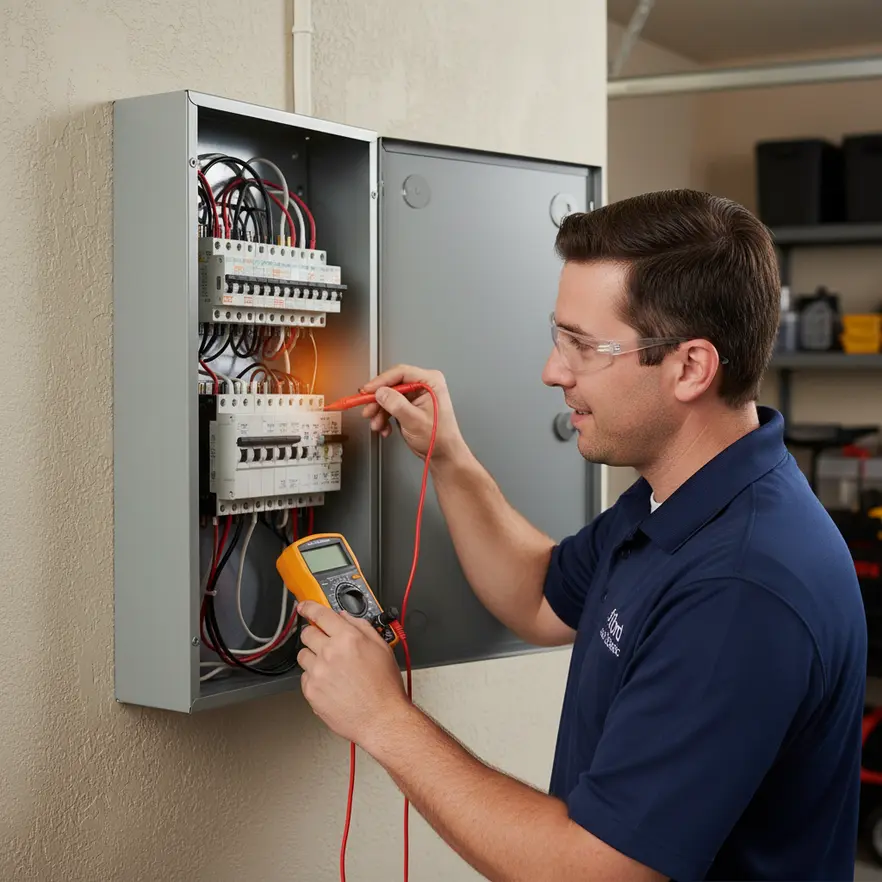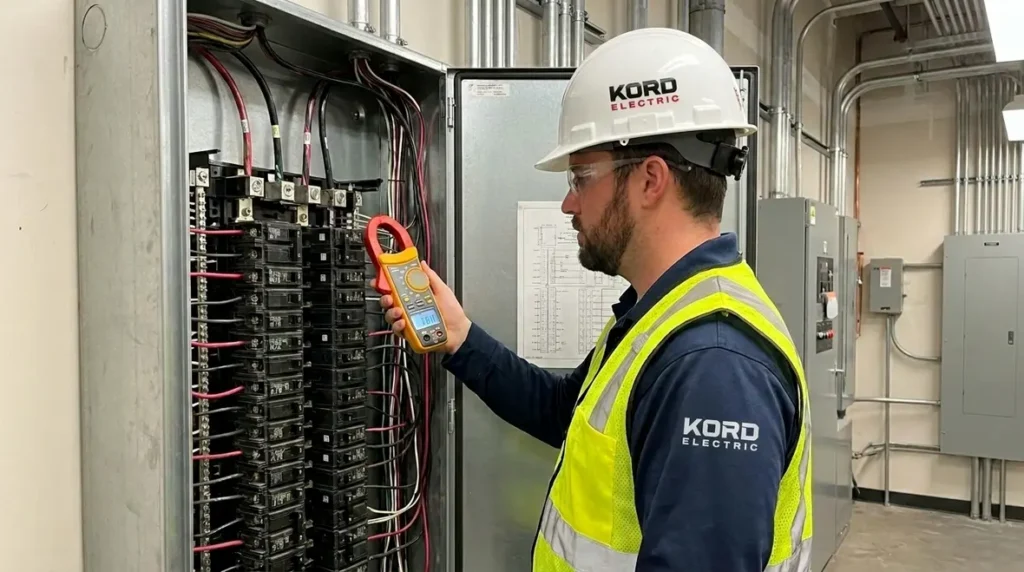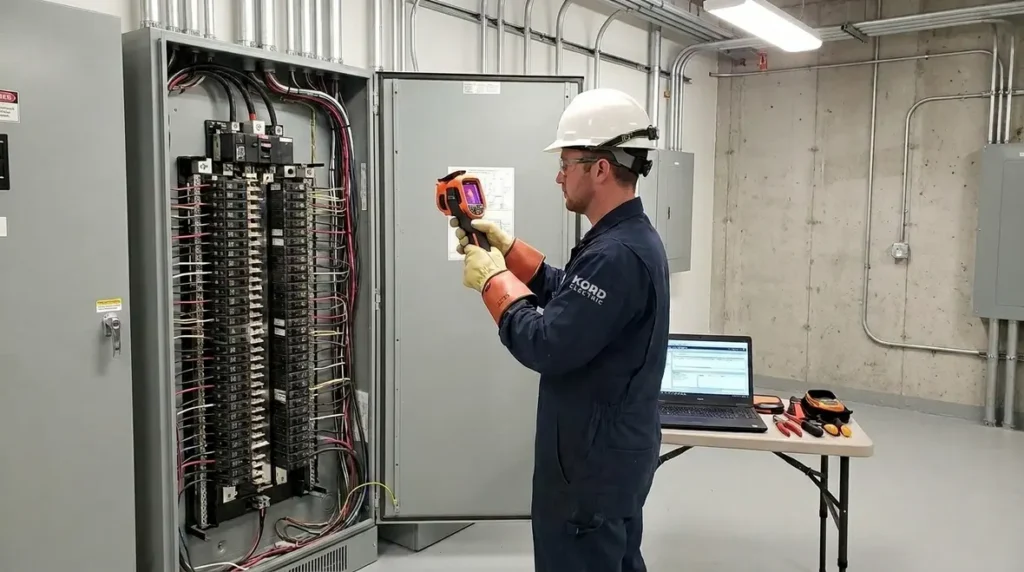
NEC Requirements for Commercial Electrical Installations
Nec requirements commercial electrical installations: the first calm step into safer power
Kord Electric helps commercial and industrial facilities, along with major property buildings, stay code compliant and ready for real-world demand. To do that, we focus on nec requirements commercial electrical installations from the start, because delays, failed inspections, or unsafe wiring never “mysteriously fix themselves.” Our team follows the same mindset our expert service staff uses on site: plan carefully, install cleanly, and verify early. And yes, electricians already have enough jokes about breakers tripping, but safety is not something we leave to luck.
In this article, we explain how the NEC shapes commercial electrical design and installation, what inspectors typically look for, and how our technicians guide owners and general contractors through the details, so the project moves forward without drama.
How the NEC organizes commercial electrical work
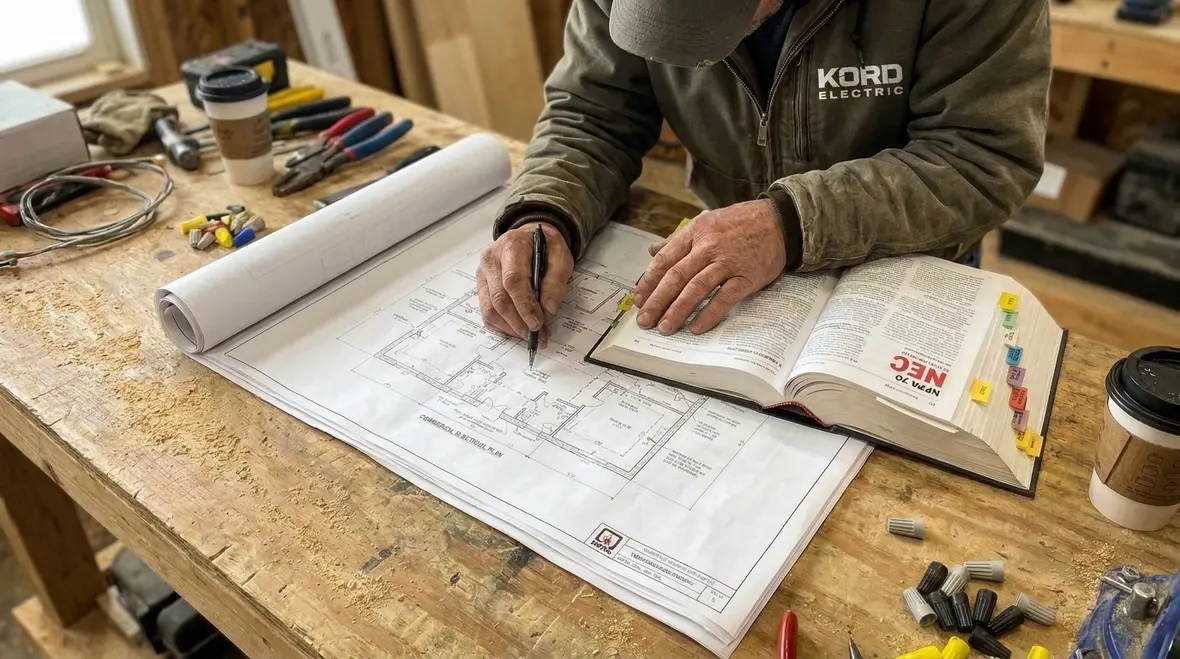
Commercial projects can feel like a maze, especially when multiple trades share the same space and the schedule keeps tightening. However, the NEC gives a clear framework. First, it divides topics by electrical purpose, such as wiring methods, equipment, grounding and bonding, overcurrent protection, and special systems. Then it pairs those rules with conditions like building type, occupancy, and voltage.
At Kord Electric, our technicians treat this structure as a project map. They do not simply “install and hope.” Instead, they connect each decision to a specific NEC requirement, so the installation supports safe operation long after turnover. Furthermore, we align our documentation with what inspectors expect, because good paperwork can save hours when questions pop up.
To put it plainly, the NEC helps keep electrical systems predictable. And in commercial and industrial facilities, predictability is the difference between a smooth day and a call at the worst possible time, like when the coffee is cold and the lights decide to take a day off.
Service and feeder rules that control the whole building
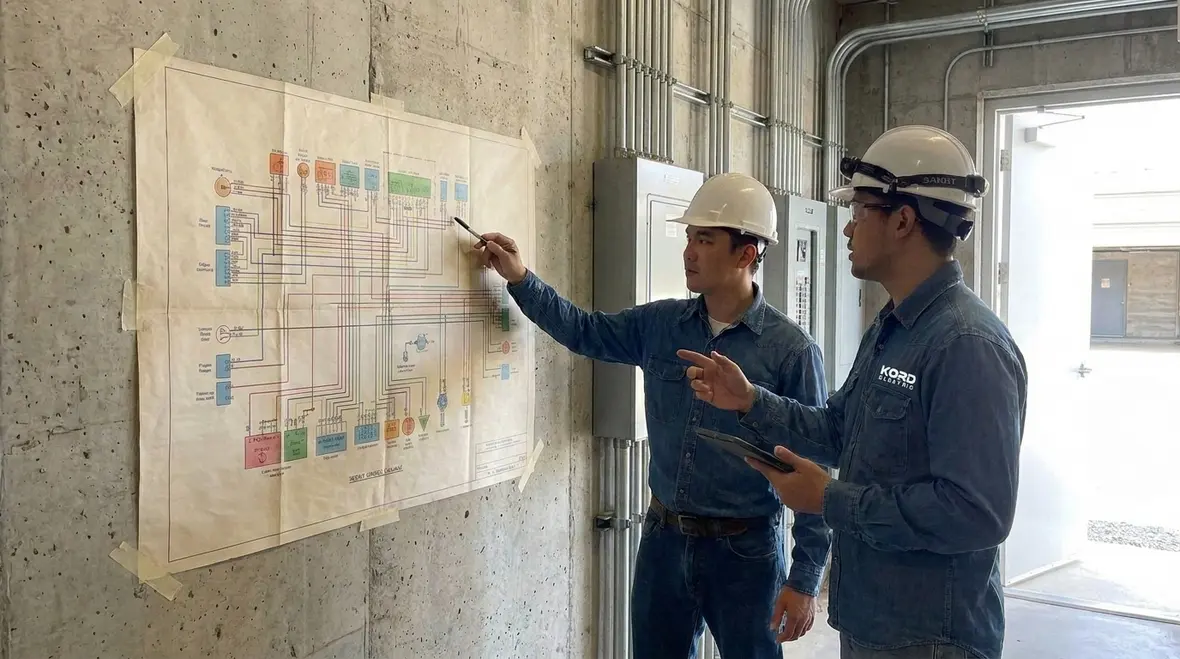
In commercial and industrial settings, service and feeder systems carry the responsibility for how power enters and distributes across the property. As a result, inspectors usually pay extra attention here. The NEC requires proper sizing, correct overcurrent protection, and safe installation practices that match the wiring method.
Our expert service staff walks owners and project teams through the practical impact of those rules. For example, the service disconnect location, required markings, and the ability to access equipment matter because crews need safe working clearances during maintenance. Moreover, feeders must follow the correct installation and protection requirements so they handle load demands without overheating or presenting shock hazards.
When we review designs, we focus on load assumptions and conductor selection. Then we verify that the installation plan matches the final field conditions. This is where many projects stumble: the drawing says one thing, but the actual routing, support spacing, or labeling gets treated like optional trivia. In our world, it is not optional, because code compliance and safe performance depend on details.
Branch circuits, panels, and labeling that inspectors expect
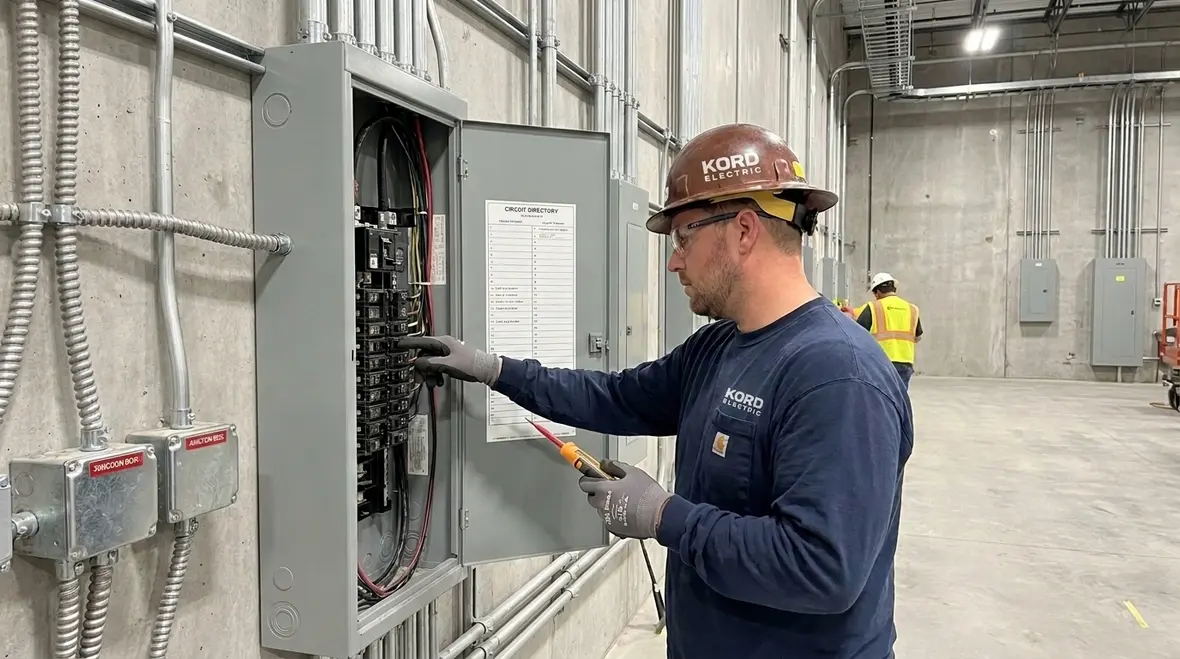
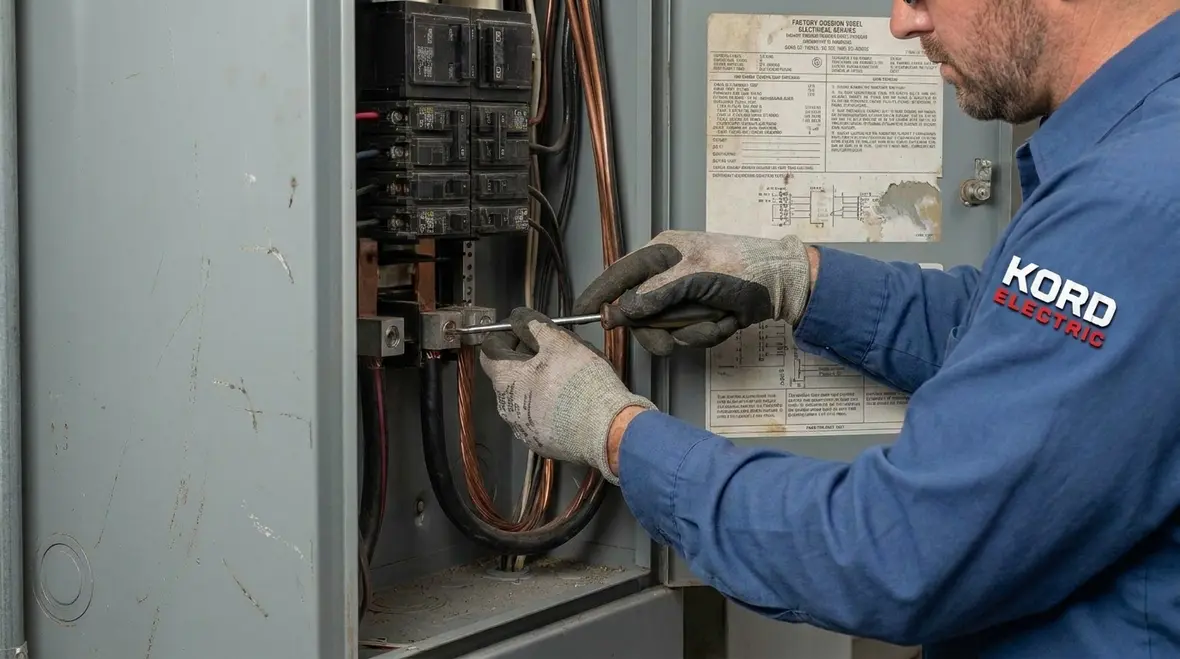
Branch circuits and distribution panels often decide whether a building feels organized or chaotic. Therefore, the NEC pushes for clear circuit design, proper overcurrent protection, and labeling that helps technicians identify what feeds what. If a panel does not communicate its own story, troubleshooting turns into guesswork.
Kord Electric supports compliance by following NEC-aligned installation steps and confirming that the final layout matches the intended circuit directory. Our technicians also verify that panelboards and disconnects remain accessible and properly supported. In addition, we check that wiring methods used in the field reflect the intended environment, such as areas exposed to moisture, mechanical damage, or other conditions.
And let us be honest, nobody wants to open a panel like it is a surprise birthday party. Yet, that is what happens when labeling is incomplete. We build systems so the next person who works on the equipment can find the right circuit quickly and safely.
Grounding, bonding, and bonding jumpers that prevent shock
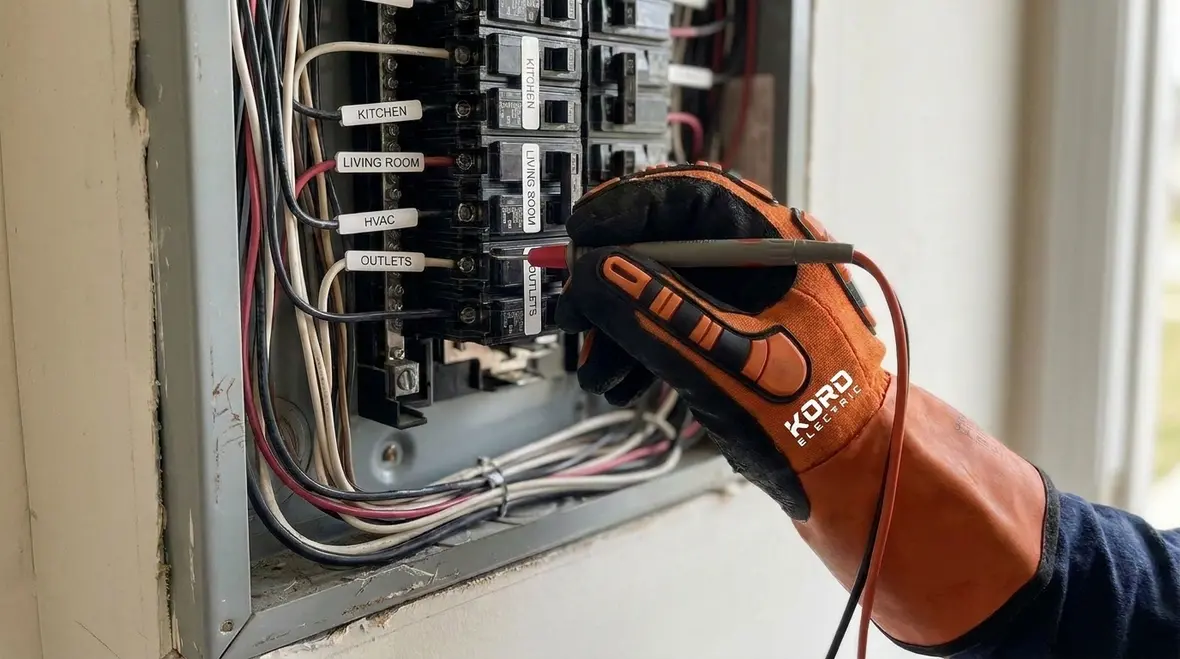
Grounding and bonding rules form a safety backbone for commercial and industrial electrical systems. Instead of treating grounding as a checkbox, we treat it as the way the system manages fault current and stabilizes voltage under abnormal conditions. If grounding and bonding do not connect as required, the electrical system becomes more dangerous, and inspections become more painful.
The NEC addresses how equipment grounding conductors connect, how bonding jumpers must be installed where metal parts require bonding, and how different wiring systems maintain correct continuity. Our technicians verify that grounding paths remain intact and that connections are made with the right method and at the right locations.
We also consider how bonding interacts with raceways, enclosures, and electrical equipment, because commercial facilities often include many metal components and shared infrastructures. Then we ensure the installation provides safe fault clearing and supports proper system performance. In short, grounding and bonding help protect people, equipment, and the building’s electrical integrity.
Wiring methods, raceways, and the “real world” environment
Commercial buildings rarely match the tidy assumptions of a textbook. Therefore, the NEC focuses on wiring methods and how installers protect conductors in real conditions. Our expert service staff coordinates installation details around physical hazards, temperature, moisture, corrosive atmospheres, and routing constraints.
When we install or retrofit, we choose wiring methods based on the environment and the equipment’s needs. Then we route conductors through appropriate raceways or cable systems, using proper supports and secure terminations. As a result, the wiring stays protected, the system operates safely, and it remains serviceable.
This also supports long-term reliability. Many failures come from “small” issues like insufficient mechanical protection, improper fill, loose connections, or damaged insulation during installation. We prevent those issues early by using a disciplined approach in the field, not just a clean spec on paper.
Where NEC compliance shows up during inspections
Inspections rarely focus on one random detail. Instead, inspectors look for patterns: correct equipment ratings, proper overcurrent protection, correct grounding continuity, and wiring methods that match the listed conditions. Furthermore, they check labeling, working clearances, and documentation that ties the install to the plan.
Kord Electric prepares for these steps by doing structured checks before the inspector arrives. Then we correct issues quickly, so the inspection does not turn into a “come back next week” situation.
How our technicians keep projects moving
We know schedules matter, especially for commercial and industrial facilities where downtime can cost real money. So our technicians verify key requirements during installation, not after work is complete. That includes continuity checks, equipment readiness, and confirmation of proper terminations.
Meanwhile, our team communicates with the property stakeholders so they understand what we are doing and why. Nobody enjoys surprises, unless it is a movie twist. Electrical work is not a movie. It is a system that has to perform every day.
Special systems and code focus areas in commercial buildings
Commercial and industrial properties often include special systems and higher critical loads. As a result, the NEC places additional focus on parts of the installation that affect life safety, essential operations, and system stability. Depending on the facility, this may include emergency power needs, life safety circuit rules, and requirements for equipment that supports reliable performance.
Our approach stays grounded and practical. First, we identify which portions of the system the building needs to keep running during abnormal events. Then we match those portions with code expectations for installation and protection. After that, we verify the system is wired and labeled so it functions as intended, not as a hope-and-pray plan.
If you have ever seen a backup system fail because the supporting details were ignored, you already understand why this matters. Commercial work cannot rely on “close enough.” The NEC expects precision, and so do we.
If you are planning upgrades around emergency power and critical systems, you can also explore how business continuity and emergency power design tie into facility reliability in our broader Kord Electric blog resources. These projects often connect back to the same disciplined approach we apply when we interpret nec requirements commercial electrical installations for complex facilities.
For building managers who want to see how code-focused planning shows up in other systems, resources like our commercial EV charging infrastructure planning insights and troubleshooting guides on the Kord Electric blog demonstrate the same pattern: align equipment choices and layouts with safety, uptime, and inspection expectations from the start, not at the last minute.
Facility teams operating across multiple buildings in Southern California often pair these code-focused upgrades with regional support. In many cases, that includes working with dedicated Los Angeles County electrical services that understand local inspection practices, commercial timelines, and how NEC requirements play out in day-to-day operations.
FAQ: NEC requirements for commercial electrical installations
Closing CTA: Let Kord Electric handle the code, you handle the building
If you are building new, upgrading, or retrofitting a commercial or industrial facility, do not leave compliance to luck. Kord Electric and our expert service staff follow the nec requirements commercial electrical installations mindset from design support through installation verification, so systems perform safely and inspections go smoother. Reach out today for a code-focused review, a plan check, or field support tailored to your project schedule. Let us make the electrical work feel less like a maze and more like a map.
As you plan your next project, you can also review related guidance in the Kord Electric blog, including resources on electrical troubleshooting for facilities, smart building planning, and commercial power redundancy. These same principles carry through our dedicated regional offerings, from focused project support to broader service coverage that keeps your commercial systems aligned with code and ready for everyday operations.
For projects that require deeper code analysis or help navigating complex plan sets, our team can connect NEC interpretations directly to construction documents and field conditions. That way, commercial electrical installations stay aligned with both the letter and the intent of the code, while your operations team gets equipment that is easier to own, maintain, and expand.
When you are ready to move from “code questions” to “code-ready installations,” our commercial electrical services and regional support teams are here to help you coordinate scope, schedule, and inspections so your next project feels controlled instead of chaotic.