Grounding and Bonding for Commercial Electrical Safety
Why Grounding and Bonding Matter for Commercial Electrical Safety
At Kord Electric, we treat grounding and bonding as more than a code checkbox. In our experience, when these systems work correctly, they help keep electrical equipment stable, reduce shock risk, and protect staff during faults. We have watched owners lose sleep over nuisance trips, lingering voltage, and equipment damage that could have been prevented with proper grounding and bonding design and installation. And yes, when people skip it, electricity does not politely follow the rules. It just shows up, like a pop quiz you did not study for.
In this article, we explain why grounding and bonding matter for electrical safety in commercial and industrial facilities, and we do it with the kind of clarity our technicians and expert service staff bring to every site visit. After all, you should never feel like your electrical system is speaking a different language.
What the Electrical System Needs to Do During a Fault
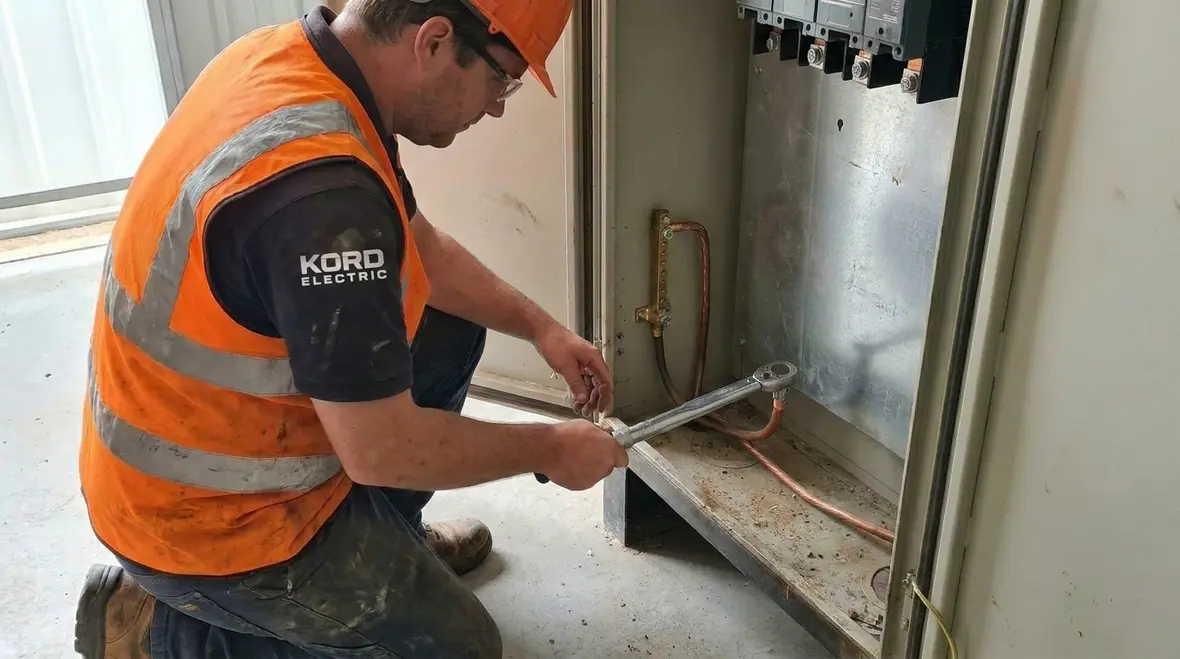
If a fault happens, the goal is simple: move dangerous energy away from people and toward paths the system can handle. Grounding and bonding support that goal by controlling what happens to current during abnormal conditions. When a fault occurs, voltage can rise where it should not. Then, the equipment and the surrounding conductive parts can become energized. That is when safety becomes a real problem, not a concept.
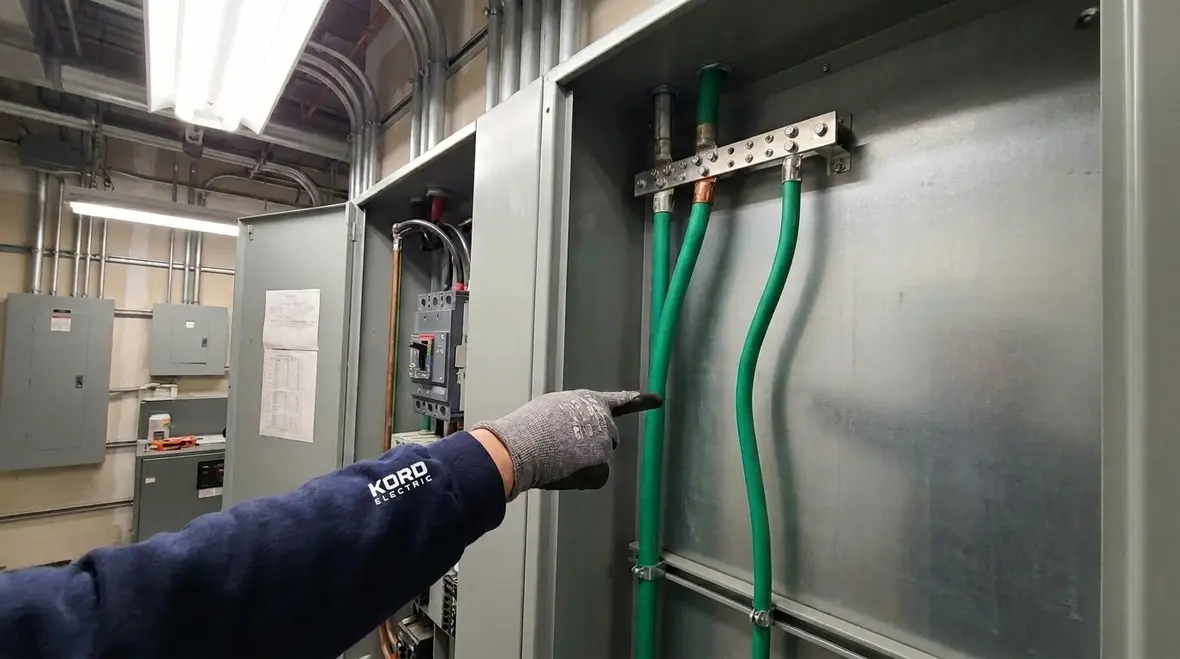
So, we help facility managers understand the difference in plain terms. Grounding connects electrical systems to earth in a controlled way. Bonding ties conductive parts together so they stay at the same electrical potential. Therefore, the fault current has a more reliable route, and exposed metal surfaces are less likely to become hazardous.
Our technicians typically explain it like this: imagine you are trying to route traffic during a storm. If roads are unclear, the cars scatter. If roads are planned, traffic moves where it should. In the same way, the electrical system needs predictable paths when things go wrong.
Bonding Keeps Metal Surfaces From Turning Into Hidden Wires
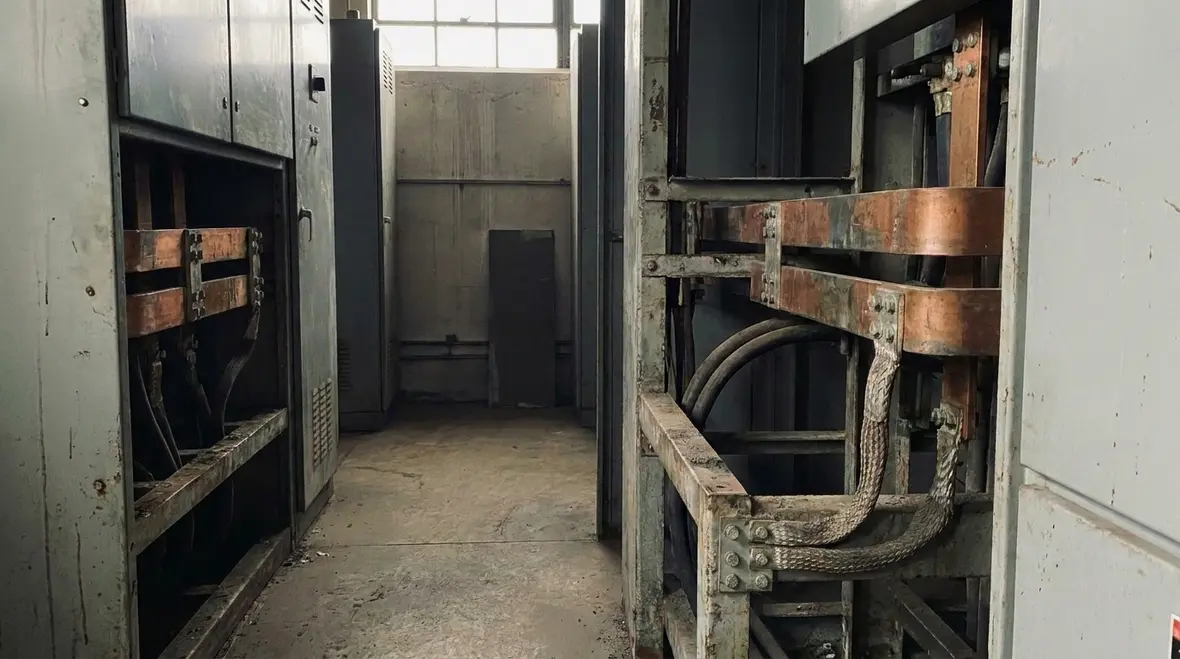
Many people think electrical danger only lives inside panels. However, conductive parts outside the panel can become involved during faults. Metal raceways, enclosures, structural steel, ladders, and even some piping can carry electrical potential if they are not bonded correctly. When that potential rises, a person can become part of the path, especially if they touch two parts at different voltages.
This is where bonding matters most. By connecting parts together intentionally, we reduce the voltage differences that would otherwise appear. As a result, the risk of shock drops and the behavior of protective devices becomes more predictable. Additionally, proper bonding supports effective operation of overcurrent protection, because the system can detect faults based on current flow.
Our expert service staff often tell clients: “Metal wants to be connected.” If you do not give it a safe way to connect, it will find a way anyway, and that way may not be safe for your people or your operations.
Grounding Reduces Damage, Nuisance Trips, and Downtime
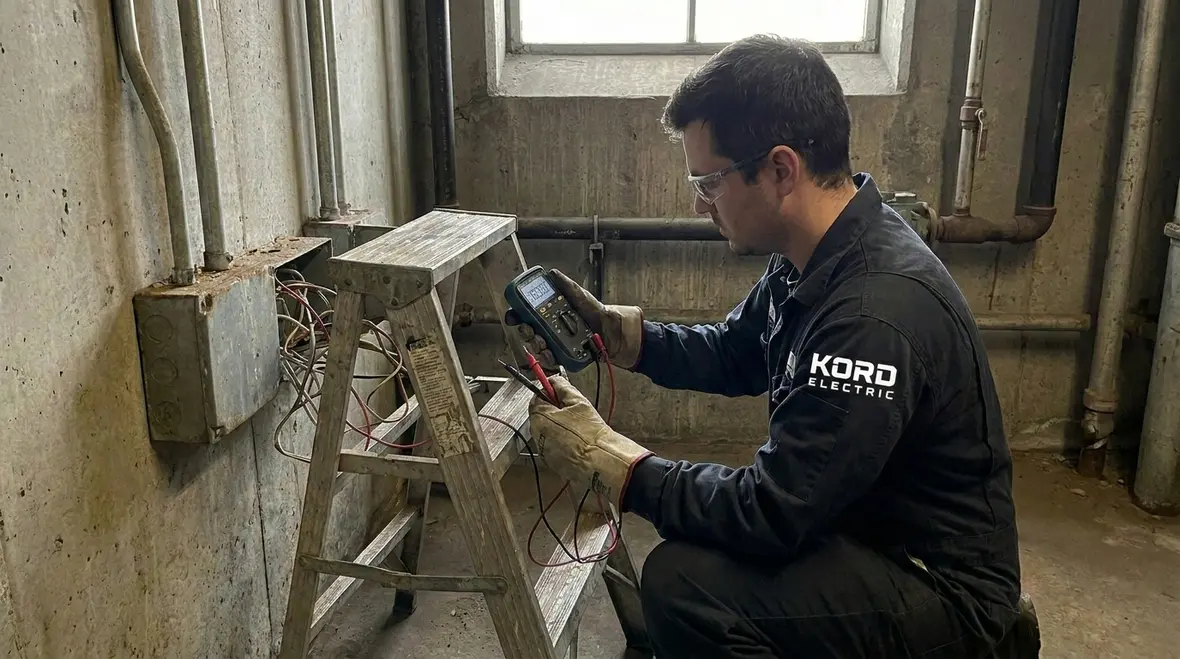
Commercial and industrial facilities cannot treat electrical problems as “we will fix it later” issues. A short fault can take down production lines, shut down controls, or interrupt critical services. Grounding plays a big role in keeping protective devices operating as intended and reducing equipment stress during abnormal events.
When grounding is correct, fault current returns through planned paths instead of wandering through building components. That wandering can lead to arcing, burned connections, and damage that shows up months later. Moreover, some problems look like ghosts: sensors act strange, panels run hot, breakers trip without a clear reason. Often, we find a root cause connected to grounding and bonding performance.
At Kord Electric, we inspect grounding systems with an eye toward real-world outcomes: stable power, safer touch conditions, and fewer surprises. Then, we help owners plan repairs or upgrades that fit operational schedules, not convenience. Because nothing says “fun day” like shutting down a facility for a grounding repair you could have done properly the first time.
Where Mistakes Happen in Commercial and Industrial Buildings
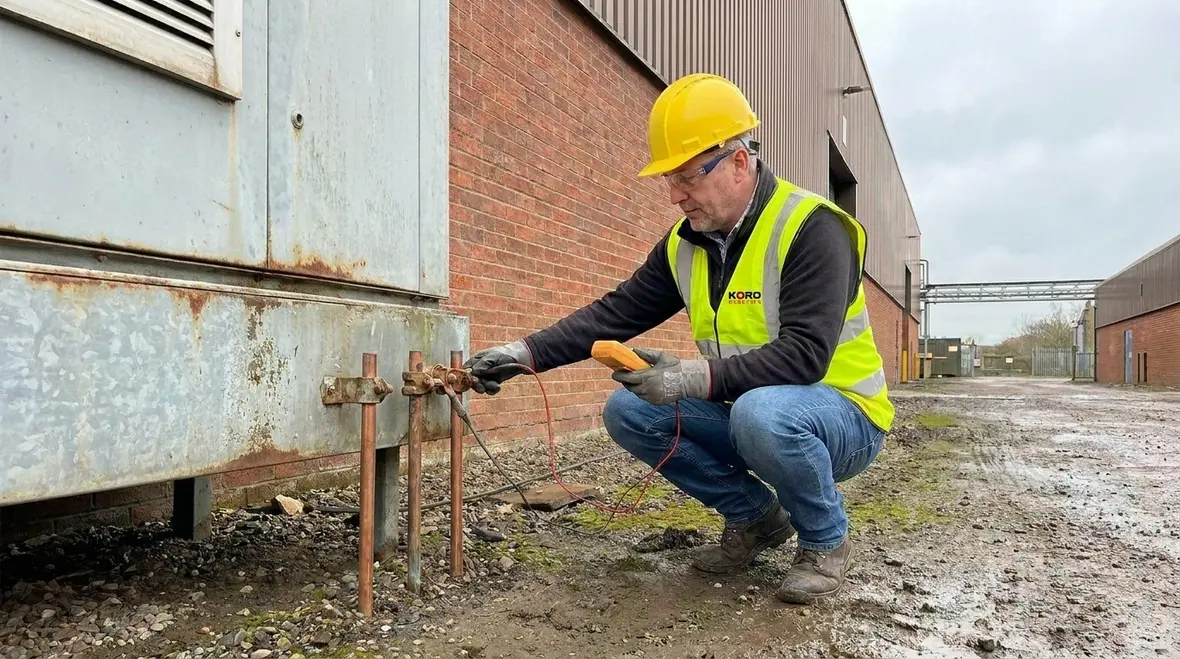
Grounding and bonding failures often show up during changes. People expand a facility, add new equipment, remodel spaces, or upgrade switchgear. At that point, older systems get tied to newer ones, and details can get missed. Therefore, even if the original installation was decent, later work can create gaps, loose connections, or inconsistent connections to metal parts.
Common weak points include improper connections at service equipment, missing bonds across metallic pathways, and corrosion at terminations. Also, crews sometimes assume continuity without verifying it. That is like assuming a generator will run because it “ran last year.” Sure, maybe. Or maybe it will fail when the plant needs it most.
Our technicians focus on the specifics that protect people and equipment. We verify connections, inspect conductors, and check how the system interacts with building materials. Then, we document findings in a way that supports decisions by facilities teams and electrical stakeholders.
How We Approach Inspections and Upgrades
We do not treat grounding and bonding as a one-time task. Instead, we help commercial and industrial facilities keep these systems reliable through targeted inspection and improvement. First, we review the electrical one line, equipment list, and known history of faults or tripping. Next, we evaluate how metal parts are bonded and how grounding paths are maintained across the site.
Then, our expert service staff examine terminations for integrity and check that connections meet the needs of the system. If we identify issues, we recommend corrective actions that support safety and code alignment. Additionally, we coordinate work so we do not create unnecessary downtime for production, warehouses, data rooms, or other critical operations.
We also communicate in a way that facility teams appreciate. We explain what we found, why it matters, and what a practical fix looks like. Because the best safety plan is the one people understand, not the one they only half remember when the alarm goes off.
Related Risks and Maintenance Strategies
Grounding and bonding do not operate in a vacuum. In real facilities, they interact with panel health, switching equipment, aging feeders, and the everyday wear that comes from long operating hours. Subtle grounding and bonding issues can hide inside broader electrical problems: overloaded circuits, loose terminations, and equipment that has quietly outlived its intended service life. When we evaluate a site, we look for those hidden electrical risks in commercial buildings that can build up behind walls and doors while everything appears to run “fine” up front.
That big-picture view is one reason we often connect grounding and bonding reviews with structured electrical preventive maintenance. By pairing equipment inspections, thermal imaging, and testing with a close look at how fault current is supposed to return and how metal paths are actually tied together, facilities get a clearer view of risk. Whether the issue shows up as voltage fluctuations in commercial and industrial facilities, nuisance trips, or unexplained heating, having reliable grounding and bonding in place makes every other repair and upgrade more effective.
For properties where downtime carries real cost, it also helps to think of grounding and bonding as part of a larger electrical reliability strategy. When commercial kitchen electrical upgrades, lighting installation services, data center distribution improvements, or other projects come online, each change affects how faults move and how protective devices respond. Coordinating these efforts under one commercial electrical partner gives you a better chance of catching subtle issues early instead of discovering them in the middle of a busy shift.
FAQ
Conclusion: Let Kord Electric Protect Your Facility Before Trouble Strikes
Electrical safety does not happen by luck. It happens when grounding and bonding work the way the system was designed to work. If your facility has experienced nuisance trips, equipment stress, or any recent upgrades that tied new equipment into old metal paths, it is time for a focused review. At Kord Electric, our technicians and expert service staff will assess risks, explain findings clearly, and help you plan repairs with minimal disruption. From hidden electrical risks in commercial buildings to everyday upgrades like lighting installation services or electrical preventive maintenance, our team supports a safer, more reliable path forward for your operations.
If you are exploring how grounding and bonding fit into broader commercial electrical strategies, you can also connect this review with services like comprehensive electrical preventive maintenance programs or targeted projects such as lighting installation services, commercial kitchen electrical upgrades and wiring, or commercial electrical distribution design for data centers. Aligning these efforts gives your facility a more resilient, code-aligned system that is easier to maintain over time.
When you are ready to move from “we hope it is fine” to “we know where we stand,” scheduling a dedicated grounding and bonding assessment is a smart first step. Kord Electric’s commercial and industrial electrical preventive maintenance services give you structured reporting, priority scheduling, and practical recommendations that match how your facility actually operates.
To explore a broader maintenance strategy that supports grounding and bonding, distribution equipment, and long-term reliability, visit our Electrical Preventive Maintenance service page and see how a structured program can reduce risk before trouble strikes.