How to Upgrade a Commercial Electrical Service Panel
Kord Electric helps commercial buildings plan for the future with a clear, practical approach. In our experience, an aging system rarely “fails all at once.” Instead, it starts with small signs: flickering lighting, nuisance breaker trips, and capacity limits that show up right when a business wants to expand. This is why we explain How to Upgrade a Commercial Electrical Service Panel step by step, before anyone signs off on the next renovation phase. Then we do the work safely, methodically, and with the calm confidence of a team that has already seen every “surprise” wiring trick the building codes can throw at us.
Others may rush. We do not. Our technicians take time to explain what they find, why it matters, and what we recommend next, so facility owners and property managers feel in control. And yes, we promise not to treat your panel like a horror movie prop. We treat it like the backbone it is.
Signs your commercial building is ready for a panel upgrade
When a company adds equipment, upgrades HVAC, installs new lighting, or expands operations, the electrical system often becomes the bottleneck. Therefore, Kord Electric watches for the indicators that the current service panel can no longer keep up. If owners ignore these early clues, the building ends up paying for problems with downtime, emergency calls, and higher repair costs.
Common signs include hot spots around the panel, frequent breaker trips, discoloration on bus bars, loose connections, and a growing number of circuits running beyond design limits. In addition, facilities that rely on critical loads, such as access control systems, communications, or refrigeration, can experience unstable power quality that quietly damages equipment over time.
Our expert service staff also reviews load patterns. For instance, if a property manager reports that issues happen during morning startup or peak production hours, we usually find that the panel cannot manage simultaneous demand. So, we do not guess. We measure, verify, and then propose the right path.
How to plan an upgrade without stopping business
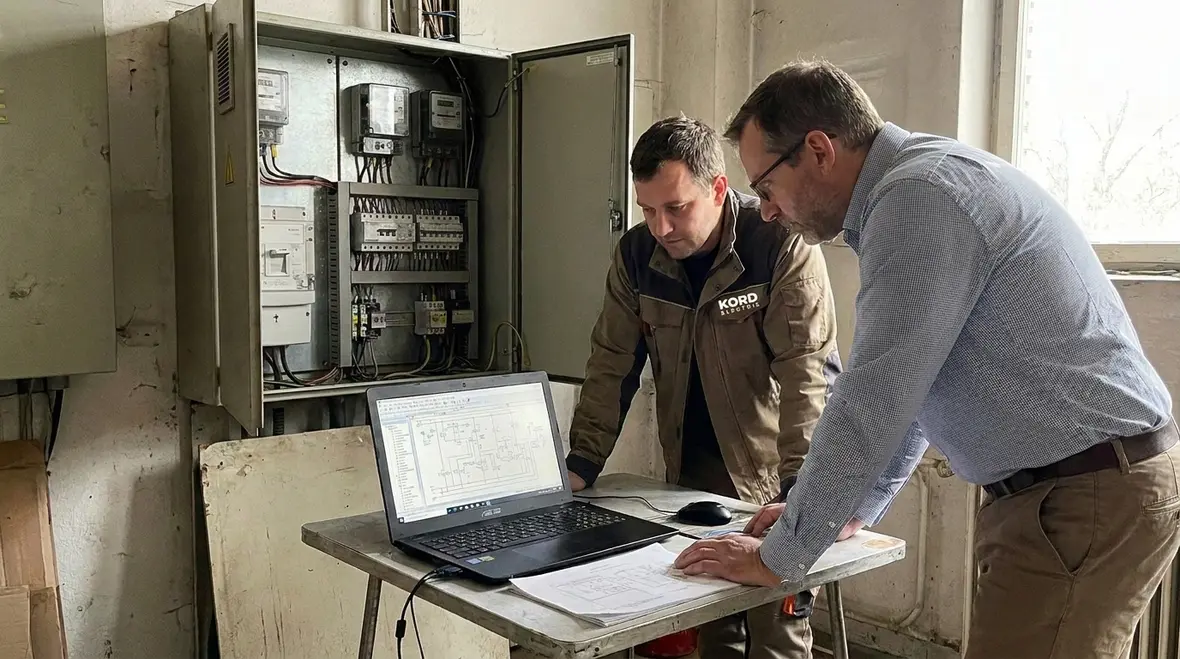
Buildings run on schedules, and commercial operations do not pause for electrical work. For that reason, we plan panel upgrades like a project, not a gamble. First, our technicians coordinate with the facility manager to understand when load demand stays lowest and which circuits must remain active. Then we sequence the work to reduce interruption and protect sensitive equipment.
In many cases, we stage changes by rerouting loads in a controlled way and preparing critical circuits ahead of time. Meanwhile, we communicate clearly about what will be switched, when, and why. That way, teams inside the building do not feel blindsided. Also, we remind everyone that “quick” does not mean “careless.” A careful job actually saves time later, because it prevents rework.
We also handle permitting and compliance steps so the work meets electrical code requirements for commercial and industrial installations. If you manage a major property building, you already know that paperwork matters as much as wiring. We keep both moving smoothly.
What a proper service panel upgrade includes
A solid How to Upgrade a Commercial Electrical Service Panel plan includes more than swapping the front cover and hoping for the best. Kord Electric approaches it like a full system evaluation. That means we assess the existing service conductors, grounding and bonding, available fault protection, labeling, and how the new panel integrates with the building’s distribution.
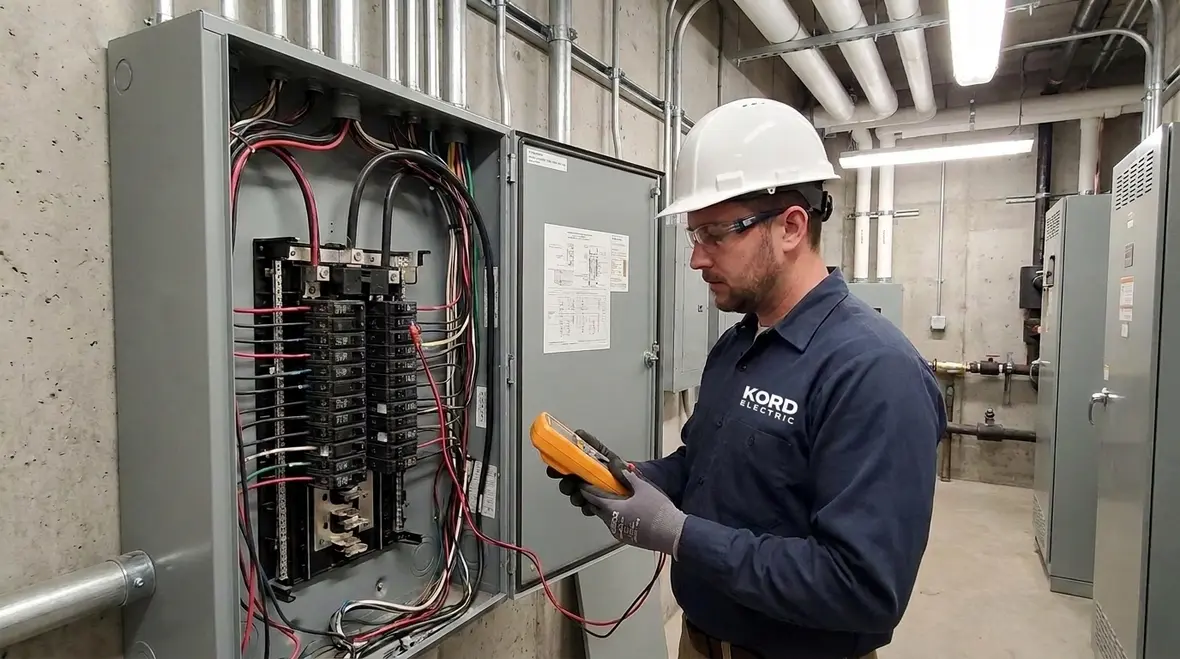
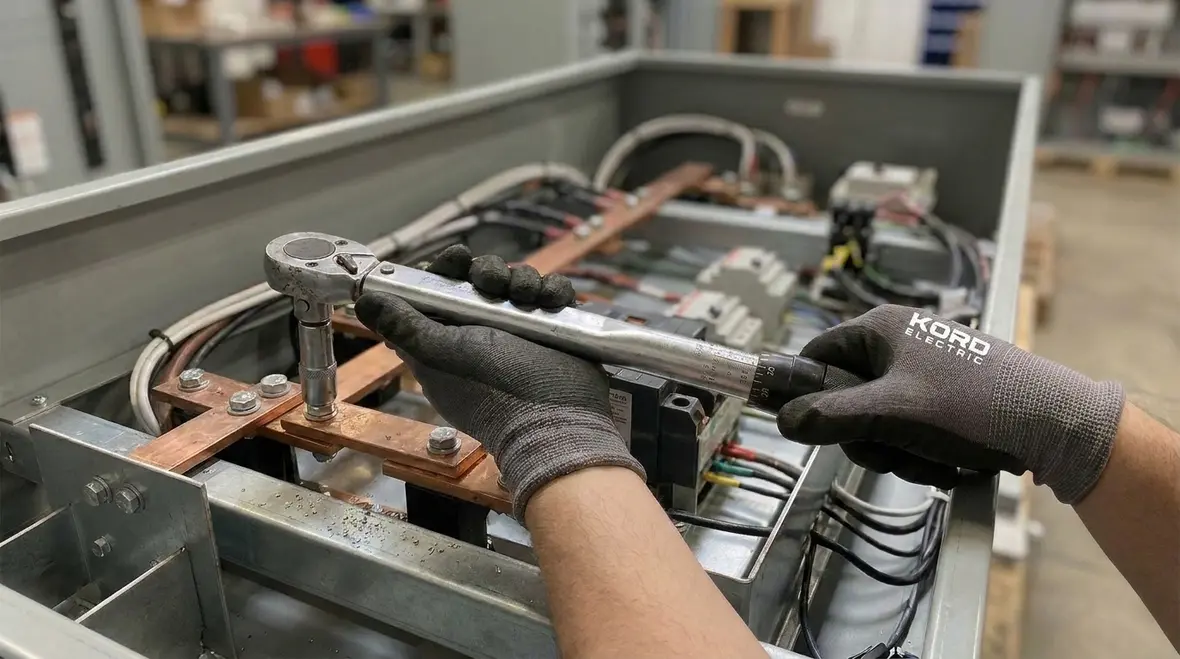
During an upgrade, our technicians verify service size and capacity against the facility’s actual and planned electrical load. Then we confirm that the panelboard configuration supports the circuits needed today and the circuits likely needed later. In addition, we inspect the electrical service equipment surroundings for heat management, physical protection, and safe access for future maintenance.
We also focus on power reliability. Many facility owners hear the word “upgrade” and think only about capacity. However, a good upgrade also improves stability by tightening connections, ensuring proper breaker fit, and verifying that overcurrent protection matches the circuit requirements. If a breaker trips, you want it to trip for the right reason, not because the installation feels like it was assembled during a “close enough” meeting.
Because panels rarely exist in isolation, Kord Electric often connects this work with broader facility strategies. For example, some property teams coordinate service panel upgrades with commercial subpanel installations or wiring changes outlined in guides like our Commercial Subpanel Installation Success Checklist, so distribution changes and main service improvements stay aligned across the building.
Safety checks and code details our expert team never skips
Electrical upgrades in commercial and industrial facilities require a disciplined safety process. Our technicians follow a clear checklist because the cost of missing a detail can be enormous. First, we de-energize parts of the system in a controlled manner and confirm absence of voltage where required. Then we inspect for signs of wear, corrosion, moisture intrusion, or prior modifications that do not meet standards.
Next, we confirm grounding and bonding performance. This step matters because it affects equipment protection and helps ensure that protective devices operate as intended during fault events. We also verify conductor sizing, termination quality, and conductor routing to avoid heat buildup and insulation stress.
Additionally, we check labeling, circuit identification, and panel layout so maintenance teams can troubleshoot faster later. After all, when something fails at 2:00 a.m., you want the correct breaker identified without playing electrician roulette. Our technicians explain what they check and why, in plain business language, not in the kind of jargon that makes people ask if they need subtitles.
These safety checks also tie into broader reliability strategies. Many facilities schedule panel upgrades alongside power reliability reviews or targeted troubleshooting so that critical systems, emergency circuits, and preventive maintenance work all reinforce one another rather than operating as separate, disconnected projects.
Common upgrade options for growing commercial facilities
Growth often forces electrical decisions, and different facilities need different paths. For example, some buildings require a service size increase to add new loads. Others benefit from better distribution, expanded panel capacity, or rearranged circuit allocation to handle demand more evenly. Therefore, we evaluate the entire electrical system, not just the panel front.
In many commercial settings, the right upgrade might involve replacing the existing service panelboard with a higher rated unit, adding additional spaces for future circuits, or updating breakers and busbar configuration to match the facility’s load plan. Sometimes, we incorporate targeted improvements to reduce nuisance trips and improve overall power quality.
Kord Electric also considers the future. If a property plans tenant turnover, new buildouts, or equipment upgrades, we recommend configurations that support those changes. We talk through scenarios with owners so the next phase does not become another emergency. And yes, we keep expectations realistic. Upgrades do not magically summon extra capacity from the void, like a sci fi transformer. They work because we size things correctly and install them properly.
How we explain the upgrade process to facility owners
Our process stays clear because communication stays respectful. We know facility owners and property managers have a lot on their plates, so we explain each phase without burying you in technical fog. Our technicians walk through findings, show what needs attention, and connect the upgrade choices to business outcomes such as capacity, reliability, and reduced downtime.
To keep it grounded, we outline the sequence: evaluation, planning, permitting, staged work, testing, and final closeout. Then we review what changed, what got tested, and how to interpret any key labels or circuit maps. In our experience, this approach helps teams manage future repairs and tenant requests with fewer delays.
Also, we document the work so others in the building can reference it later. That is not just professional. It is practical, like keeping the receipt after a major purchase. When something comes up again, you will thank yourself.
For properties across Los Angeles County and surrounding areas, these explanations often connect with broader planning conversations, whether that means commercial tenant improvements, subpanel additions, or EV charging projects. When everyone understands how the main service panel fits into those plans, decisions stay calmer and far more strategic.
Panel upgrade timeline and what to expect on the job
Every facility differs, yet most upgrades follow a predictable rhythm. First, our technicians complete on site assessment and load review. Then we confirm the service requirements and equipment options that fit the building. After that, we coordinate schedules with facility leadership so the job aligns with operating hours and critical activities.
During the installation phase, we keep the work organized. We prepare the panel area, stage parts, and perform the controlled switching needed to keep critical loads safe. Then we test and verify proper operation. Finally, we label circuits and provide closeout information that helps maintenance teams handle future needs.
In certain commercial buildings, we may install temporary measures to maintain power during transition steps. We explain those decisions clearly up front. That way, the job stays controlled rather than chaotic. If you have ever watched a sitcom where someone “totally forgot” a key detail, you know how that feels. We treat your panel upgrade like the opposite of that plot line.
Dual column: requirements and benefits
What Kord Electric verifies
- Service capacity and load compatibility
- Grounding and bonding performance
- Breaker and termination quality
- Circuit labeling and distribution logic
Why it matters for your building
- Supports expansion without repeated trips or capacity limits
- Improves equipment protection and safe fault response
- Reduces heat risk and supports stable power distribution
- Speeds up maintenance and tenant buildout planning
FAQ
Ready to upgrade with Kord Electric?
Kord Electric helps commercial and industrial facilities plan upgrades that support growth, reduce downtime, and improve power reliability. If your service panel cannot keep up, our technicians explain every step and then execute the work with careful testing and clear documentation. Reach out to us today to schedule an on site evaluation and get a practical upgrade plan tailored to your building and operating schedule. Let’s replace uncertainty with steady power and calm, confident results.
For property teams in the region that want their panel work to align with other upgrades, you can also connect this project with Kord Electric’s broader Los Angeles County electrical services for commercial and industrial facilities, so service panels, subpanels, EV charging, and preventive maintenance all follow the same roadmap instead of competing for attention.
If you are planning deeper capacity changes tied to remodels or long-term growth, consider pairing this guide on How to Upgrade a Commercial Electrical Service Panel with insights from related topics such as tenant improvement wiring, subpanel installations, or commercial EV infrastructure planning. When all of those pieces line up with a well-sized, well-documented main service panel, your building is far better prepared for what comes next.
Whether you need immediate help with nuisance trips or a phased roadmap for expansion, Kord Electric is ready to help you move from reactive repairs to strategic upgrades rooted in real load data and practical field experience.