

Increase Electrical Capacity in Commercial Buildings
How Kord Electric Helps Increase Electrical Capacity in a Commercial Building
Commercial sites do not stay the same. Tenants change, equipment gets upgraded, and sometimes a “small” remodel becomes a full blown power appetite. That is why many facility teams look for a clear way to increase electrical capacity commercial building systems without guessing or risking costly downtime. At Kord Electric, we help owners and property managers plan the electrical path before the lights dim or the breakers start acting like they have a personal grudge.
In this guide, our expert service staff walks through how others should think about electrical load, how we calculate capacity, and how we choose upgrades that fit commercial and industrial facilities. And yes, we explain it in plain language, because nobody wants a spreadsheet that feels like it was written by a wizard.
Start With Load Planning That Actually Matches Reality
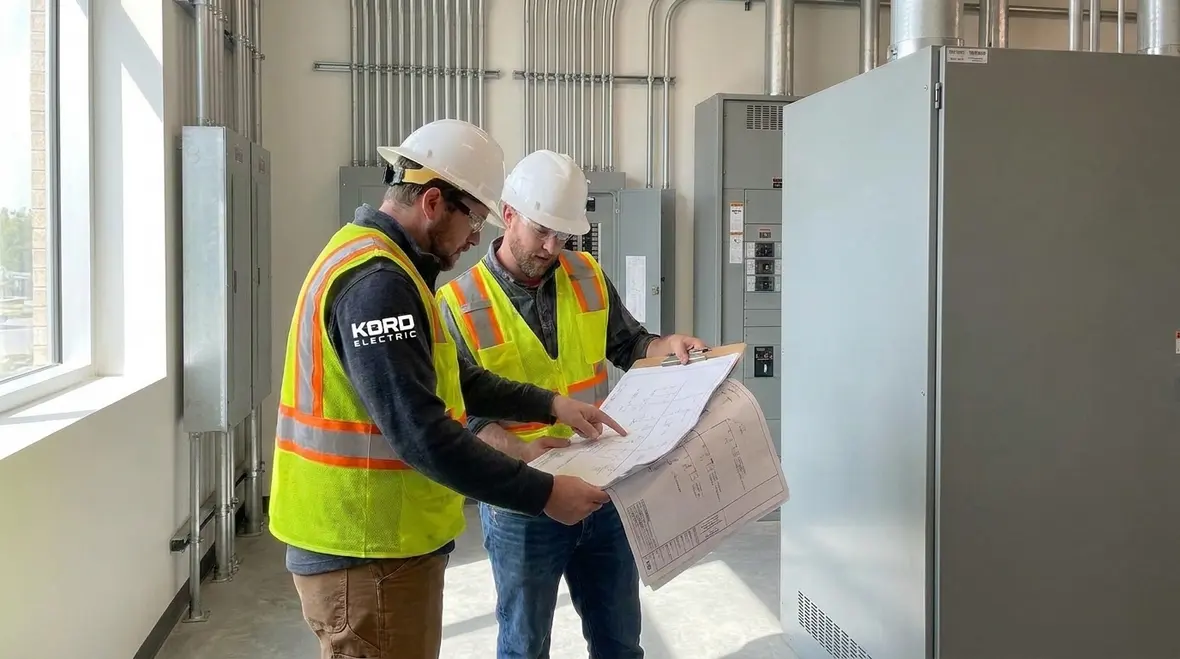
To increase electrical capacity in a commercial building, a team must stop relying on old assumptions. If a space already runs heavy loads, and it adds new ones later, the electrical system needs the correct load picture from day one. Our process starts with what is already installed and what will be added, then we confirm usage patterns through equipment schedules, nameplate data, and operating hours.
From there, we build a load plan that covers more than just “amps.” We account for demand factors, diversity, motor starting, and the ways loads behave when they turn on. Then, we verify what the building can handle today, and what it will need next month, next quarter, and next year.
Our technicians explain the reasoning step by step, and they do not hide the ball. They show teams where the estimates come from, so property leaders can make decisions with confidence instead of hope.

Use Load Calculations to Size Panels, Gear, and Feeders
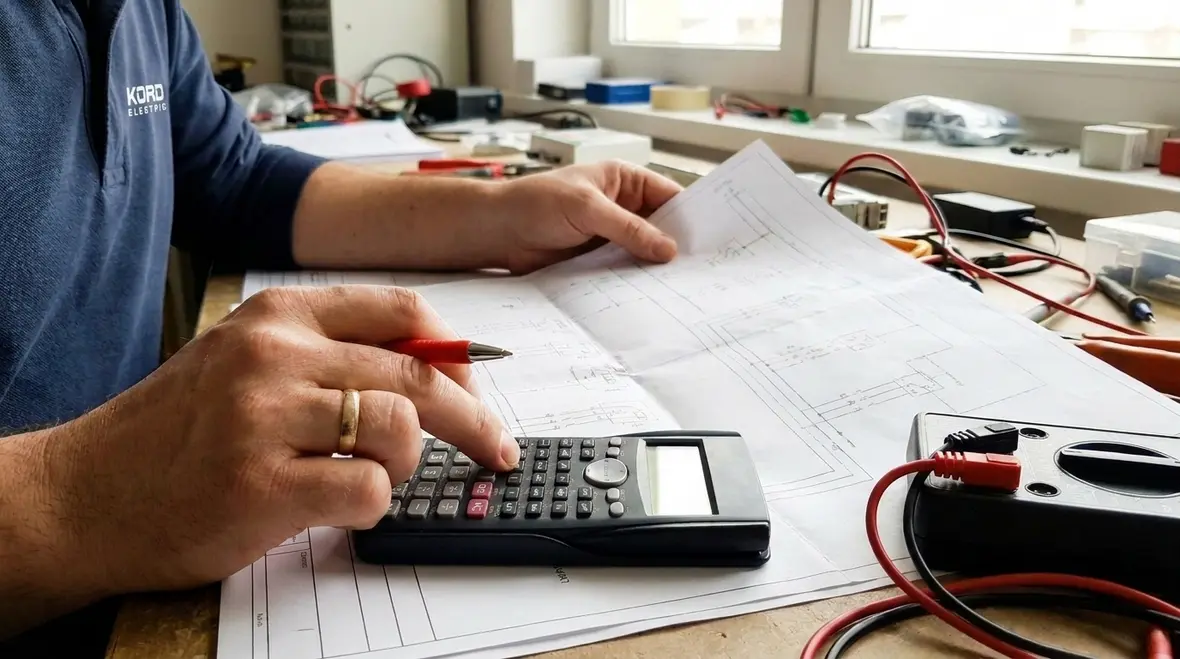
Proper calculations connect the dots between equipment, wiring, voltage drop, and protective devices. If the electrical design is wrong, the rest of the upgrade effort turns into expensive rearranging. That is why we use a structured method aligned with the Electrical Load Calculation Guide approach published by Kord Electric. It focuses on selecting the right load categories, applying demand factors, and determining conductor and equipment sizing with the goal of safe, code compliant performance.
For facility leaders who want to dig deeper into this method, you can also review our dedicated resource here: Electrical Load Calculation Guide. It ties theory to field decisions so upgrades support real world operations, not just ideal conditions on paper.
Here is what our team typically checks while planning a capacity increase:
Service entrance capacity and available utility supply
Transformer size and loading limits
Switchgear and panelboard ratings for future loads
Feeder sizing to handle current and starting surges
Voltage drop so equipment works reliably, not just “on paper”
Grounding and bonding for fault safety
As loads change, the upgrade plan should change too. For example, lighting upgrades might seem small, but in a warehouse or office complex with many floors, even modest changes can shift demand and circuit utilization. Meanwhile motors, HVAC, and process equipment can drive higher peaks, especially during start up. And yes, motor starting currents can feel like a rock concert on the electrical side.
How Kord Electric Assesses Capacity Limits and Upgrade Paths
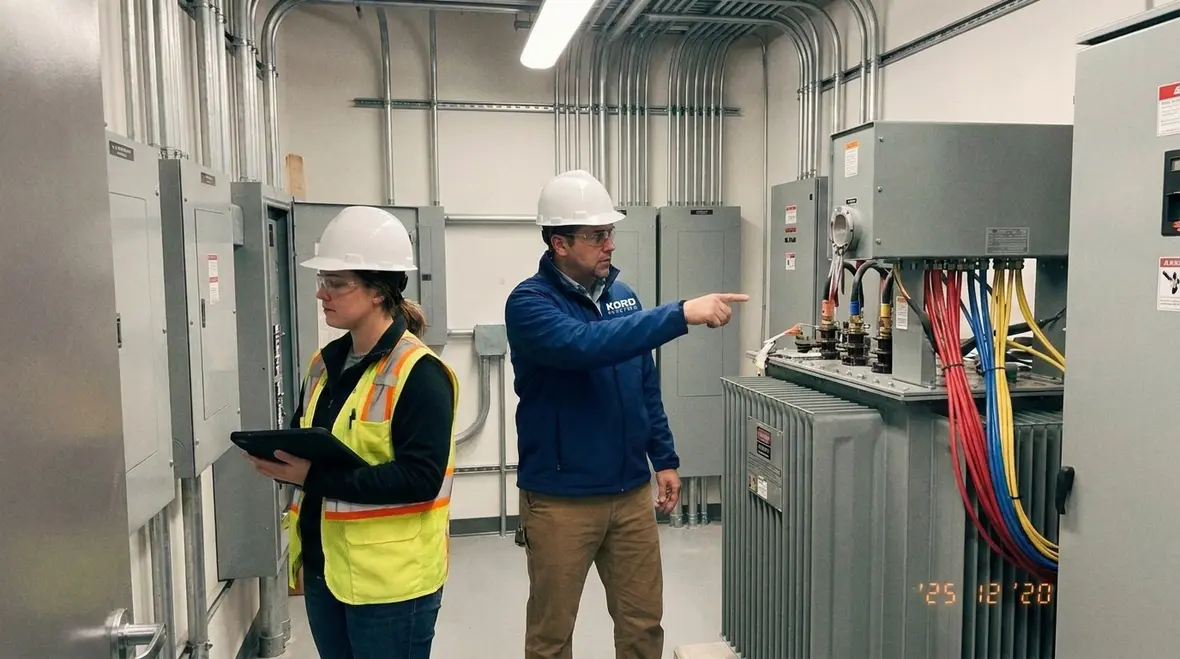
Next, our technicians look for the real bottleneck. Often, it is not where people expect. A building might have spare space in a panel, yet the upstream feeder or transformer reaches its limit first. That is why we evaluate the full electrical chain, from utility interface to final distribution.
After we review existing one line diagrams and test results, we compare the current system rating with the calculated future loads. Then we lay out upgrade options that match the building type. Because Kord Electric targets commercial and industrial facilities and major property buildings, we plan for patterns common to these sites: multi tenant loads, changing uses, and heavy equipment.
Depending on conditions, our recommended path can include:
Adding capacity at the service entrance with new switchgear or upgraded service equipment
Replacing or upsizing the transformer when it limits available power
Adding or rerouting feeders to reduce bottlenecks and balance loads
Upgrading busways or distribution equipment to support higher current
Improving power quality and protective coordination so the system stays stable under load
In practice, we also plan how upgrades happen while the building stays operational. So instead of a shut down that tanks productivity, we often stage work by area and coordinate switching. We do not treat downtime like a side quest. We treat it like a main event, and we plan it carefully.
Plan for Demand, Growth, and Equipment That Hits Hard at Start
If a facility wants to avoid future surprises, it must plan beyond today’s load. The goal is not just to fit new equipment. The goal is to keep the electrical system stable when the building grows or when critical equipment starts up.
That means we consider how loads behave over time. For example, HVAC may draw steady power, while a compressor or pump can create a high starting surge. Likewise, manufacturing or industrial processes may run in cycles, producing peaks that demand a different electrical strategy than average usage alone.
Our technicians explain these details in a calm, direct way, because clarity is how teams avoid guesswork. And when the room gets loud, we still keep it simple. Think of it as power engineering with the volume turned down.
To support growth, we help teams with:
Future load forecasting based on tenant schedules, equipment replacement plans, and expansion goals
Load balancing to reduce uneven phase loading and protect equipment
Coordination of protective devices so faults clear safely without unnecessary trips
Selection of panels and switchgear designed for the building’s long term needs
Clear labeling and documentation so maintenance teams can operate efficiently later
Upgrade the Distribution Without Creating New Problems
Once the plan is set, the work must protect safety and performance. A common mistake is to upgrade only the “easy” parts, like panels, while ignoring upstream limits. Then the facility still trips breakers, overheats connections, or sees voltage issues. So we take a full systems view.
During installation and commissioning, we check for workmanship and function. We verify connections, torque settings, and conductor terminations. Then we confirm that protective devices operate as expected. If the building uses critical equipment, we test how it behaves when loads start and when demand rises.
At Kord Electric, our expert service staff also focuses on how the building will operate day to day. That means we support building teams with clean documentation, practical labels, and guidance on monitoring and maintenance intervals. Because in commercial and industrial facilities, “set it and forget it” can work for coffee machines, but electrical systems deserve better respect.
Also, we keep the project grounded in code requirements and safe practices. We do not chase shortcuts, and we do not treat upgrades like a patch on a patch. We build a stable foundation that supports growth.
Tie Capacity Planning to Your Los Angeles County Electrical Strategy
For commercial and industrial facilities across the region, capacity upgrades rarely happen in isolation. They connect to energy management, troubleshooting, and long term maintenance. That is why many teams fold capacity projects into a broader roadmap that includes smart controls, preventive maintenance, and emergency response plans.
If your building operates in or around Los Angeles County, it can help to align capacity work with regional support that understands local codes, permitting, and utility coordination. Kord Electric’s dedicated Los Angeles County electrical services bring panel upgrades, load calculations, troubleshooting, and long term planning under one roof so your power strategy stays unified instead of scattered.
The result is not just more amps on paper. The result is a commercial building where future tenant improvements, EV charging plans, and process upgrades all share a grounded electrical plan instead of improvised fixes.
Frequently Asked Questions
Ready to Upgrade Power Capacity Without Guesswork
When a facility team needs to increase electrical capacity commercial building performance, the right move is planning first, then upgrading the bottleneck with accurate calculations and safe installation. Kord Electric serves commercial and industrial facilities and major property buildings, and our expert service staff guides owners through the process with clear explanations and practical results. If you want a capacity plan that supports growth and protects operations, contact Kord Electric today. Let us turn electrical uncertainty into a solid system you can trust.
As you evaluate capacity upgrades, it may also be the right moment to align them with other improvements such as EV charging, smart building controls, or electrical troubleshooting. Because each of these projects leans on a strong electrical backbone, approaching them together can help you avoid duplicate outages and redesigns while protecting uptime for tenants and operations.
For facilities that prefer one coordinated partner instead of juggling multiple vendors, Kord Electric links capacity planning with commercial services across panels, lighting, and long term maintenance. That way, every circuit, from the main service down to the last branch, fits into a plan built for the building you have today and the one you are growing into tomorrow.
If your facility operates in Los Angeles County or the surrounding region and you are ready to align power capacity with your growth plans, our regional service team can help you move from ideas and load estimates to real, dependable upgrades in the field.
When you are exploring broader support for panels, switchgear, lighting, and emergency response along with capacity planning, you can also connect this project with Kord Electric’s Los Angeles County electrical services for commercial and industrial properties to keep everything under one reliable umbrella.


