Industrial Electrical Maintenance Checklist Guide
Industrial Reliability Starts With Our Industrial Electrical Maintenance Checklist
At Kord Electric, we treat downtime like a bad rumor in the plant. It spreads fast, and it never sounds good. That is why we use an industrial electrical maintenance checklist as our baseline when we support commercial and industrial facilities and major property buildings. In the first pass, we document conditions, verify protective devices, inspect panels and cabling, test grounding, and confirm control circuits behave as designed. Then we move from paperwork to reality by verifying labels, tightening terminations, and checking insulation health. After that, we coordinate the work around production schedules, so our customers do not lose hours just because electricity decided to act dramatic.
Below, our technicians and expert service staff explain what we look for, why it matters, and how we keep systems stable. And yes, we promise the process is calmer than chasing ghosts through a transformer room at 2 AM.
Why Plants Need Preventive Electrical Maintenance That Actually Prevents

Many facilities wait for symptoms. However, symptoms only show up after wear has already marched in. Over time, vibration, heat cycles, humidity, and dust slowly change the electrical story inside switchgear, MCCs, drives, and distribution boards. As resistance rises, panels run warmer. When connections loosen even slightly, arcing can start quietly, then escalate fast. Therefore, an industrial electrical maintenance approach helps catch problems before they become safety events, unplanned shutdowns, or costly component swaps.
In practical terms, we build a maintenance rhythm around your risk profile. We review your critical loads, typical operating hours, and known trouble spots. Then we plan inspections so they align with production needs. Plus, preventive work reduces repeat failures, because we stop treating each outage like a brand new mystery movie.
If you want to see how this looks in a broader facility program, our dedicated electrical preventive maintenance service page outlines how structured inspections, testing, and documentation work together for long term reliability across commercial and industrial sites.
Step by Step: Our Electrical Preventive Maintenance Workflow
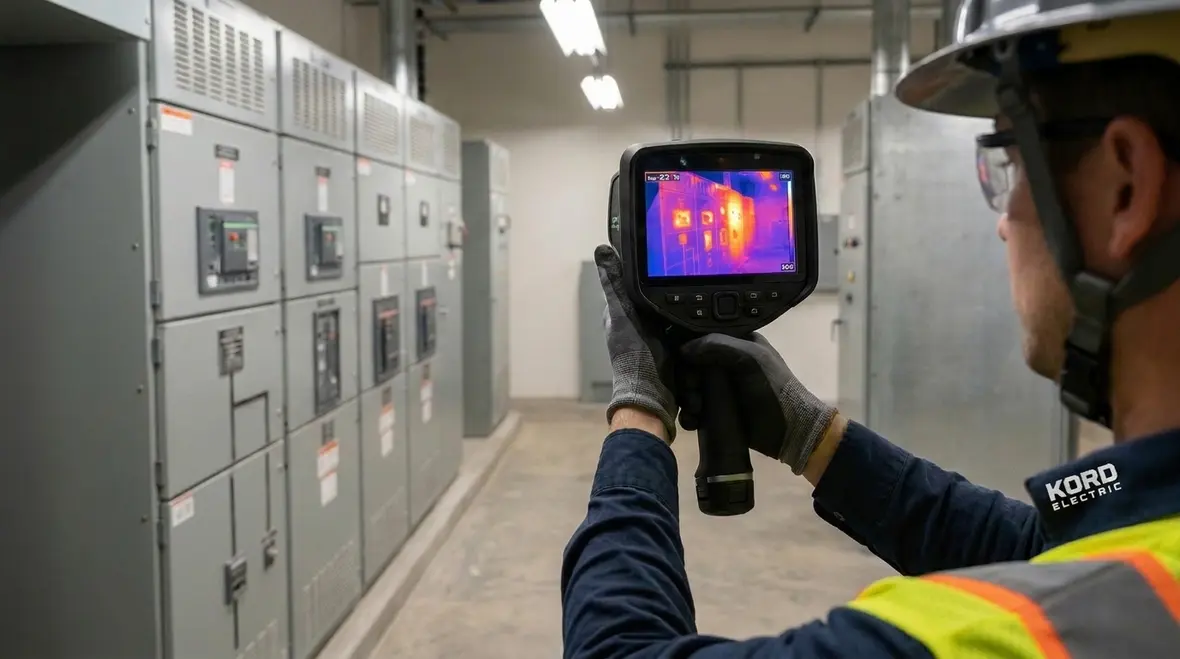
When our team arrives, we do not start with guesswork. We follow a repeatable workflow that supports manufacturing plants, process areas, warehouses, and major building systems tied to continuous operations.
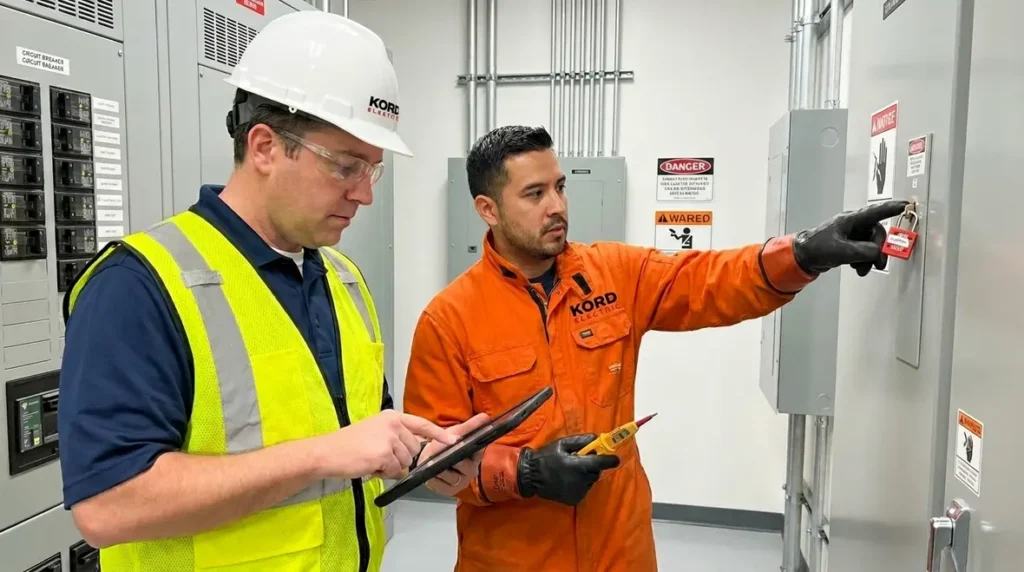
- Confirm system scope: We map the electrical assets you rely on, including feeders, distribution, motor control, and control power circuits.
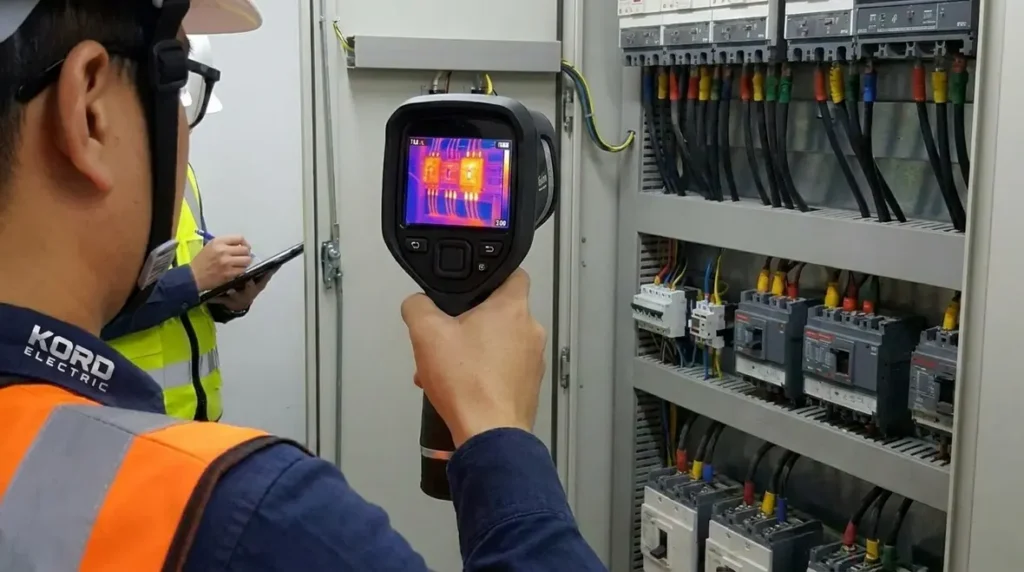
- Inspect visual conditions: We check for overheating marks, discoloration, corrosion, loose hardware, and signs of moisture intrusion.
- Verify labeling and documentation: We cross check panel schedules and field IDs. If labeling is wrong, maintenance becomes a scavenger hunt.
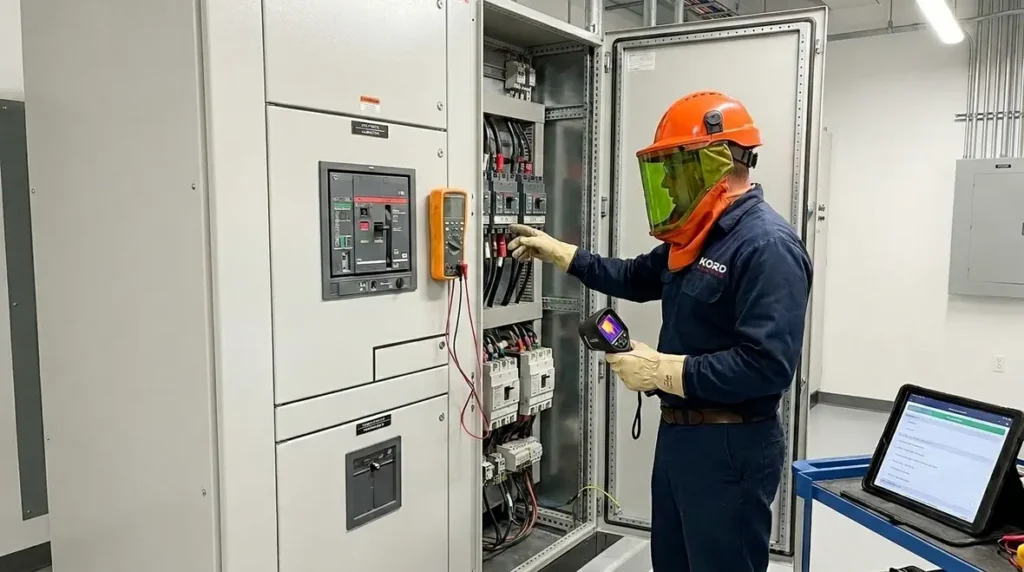
- Test protective devices: We evaluate breaker performance, trip settings, and coordination behavior so fault clearing stays reliable.
- Assess insulation and conductor health: We inspect for insulation breakdown risk and abnormal conditions in cabling and terminations.
- Confirm grounding and bonding: We measure and verify ground continuity where equipment safety depends on it.
- Address controls and interlocks: We test contactor logic, status signals, and safety interlocks tied to process protection.
- Report findings clearly: We deliver action items with priorities, so plant leadership knows what to fix first and why.
And if you think this sounds like a checklist, you are right. However, the difference is that we treat the checklist as a living system. We use what we find to adjust future intervals, so the program grows smarter each season.
For organizations building a wider strategy, it often makes sense to pair this industrial electrical maintenance checklist with structured planning like the programs we describe in our commercial and industrial electrical maintenance plans, so inspections, testing, and documentation all stay in sync as your facility evolves.
Panels, Switchgear, and MCCs: What We Inspect First
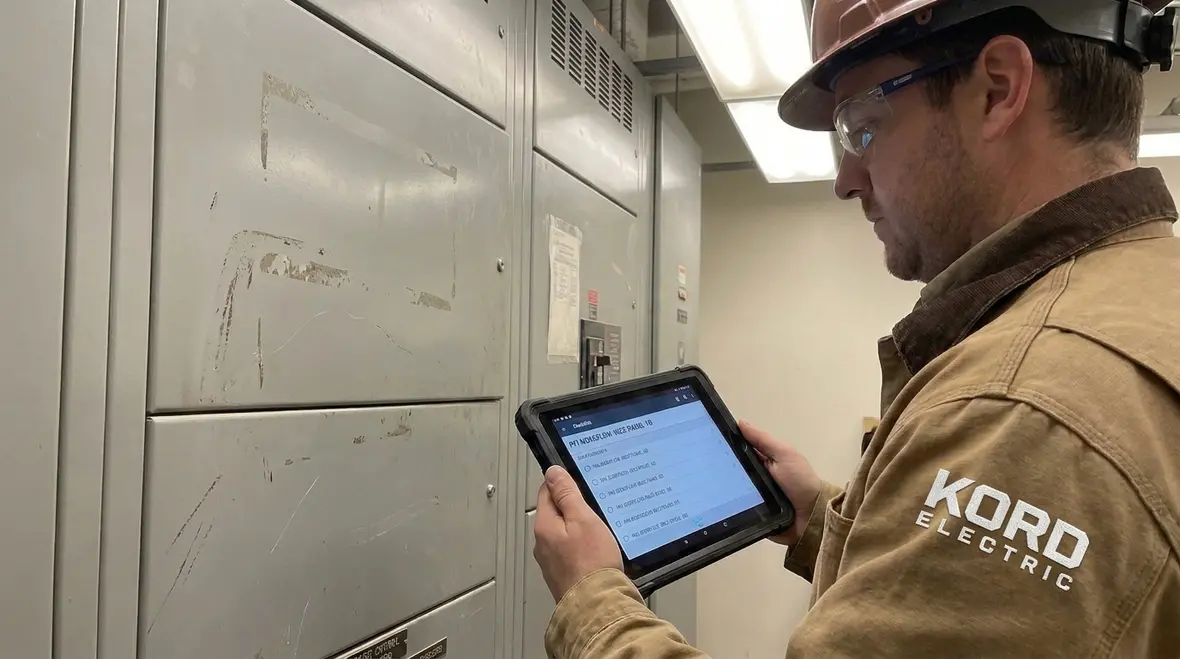
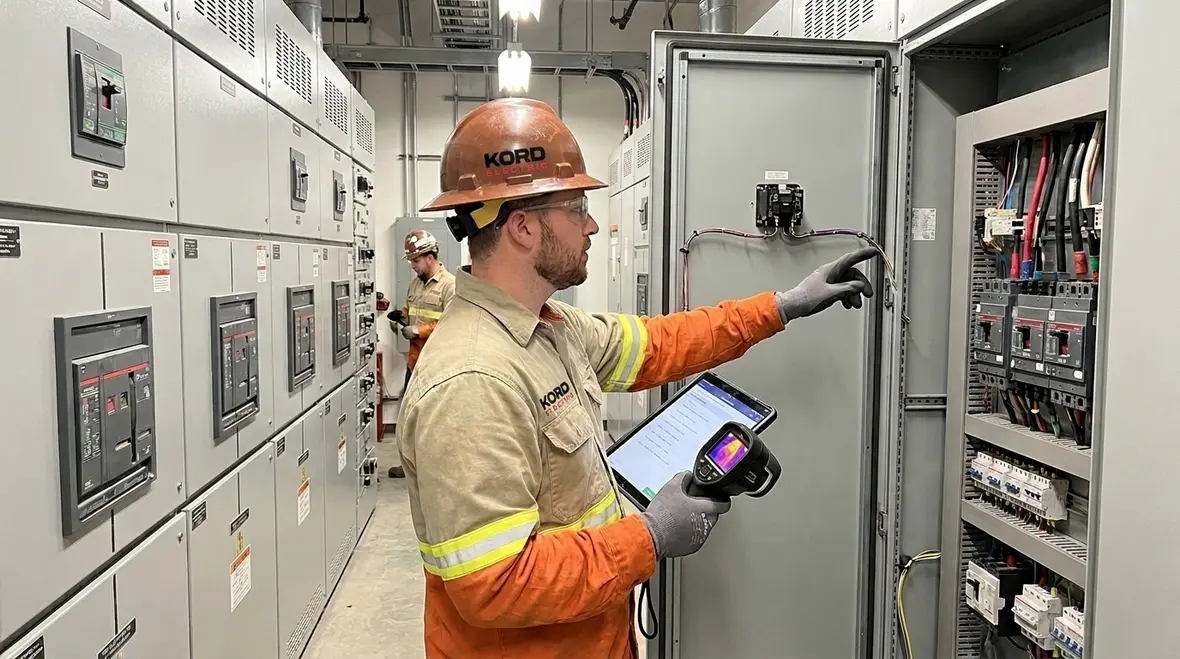
In industrial settings, the panel room can feel like a control center. Yet it also hides the most common failure patterns. So we start with switchgear, distribution boards, and MCCs, because these locations manage power flow for almost everything else.
First, we examine busbars, lugs, and termination points. Heat often leaves clues long before anything fails. Then we check the tightness of connections and look for signs of arcing, soot, or abnormal wear. Next, we review ventilation paths and filter conditions, especially where cabinets sit near dust sources. After that, we inspect door interlocks, panel gaskets, and barrier integrity, because protection ratings matter.
For MCCs and motor feeders, we also focus on control devices that keep production running. We check contactor condition, terminal wear, and relay behavior. Furthermore, we verify that control voltages remain stable under load. In other words, we do not just look at power. We confirm the control logic that tells motors when to start, stop, and accelerate still behaves correctly.
These early checks support broader efforts like electrical system troubleshooting for factories and structured preventive maintenance, because they make sure the backbone equipment is healthy before you chase downstream symptoms.
Grounding, Harmonics, and Motor Loads: The Hidden Troubles
Even plants with solid equipment can run into electrical stress. That stress can come from grounding paths, harmonics from drives, and the way motors draw current during start and load changes. Therefore, we evaluate the full environment around the load.
Grounding and bonding protect people and equipment. When those connections deteriorate, fault current paths can become unreliable. So we measure continuity and check bonding points, and we ensure that ground hardware matches the design intent. Meanwhile, harmonics can overheat neutrals, transformers, and capacitor banks. If you notice recurring nuisance trips or warm transformer tanks, harmonics may be the culprit wearing a fake mustache.
We also look at motor loading patterns. Over time, motors can drift out of their ideal operating profile, and driven loads may change. As a result, protective devices can trip more often or equipment can run hotter. Then, we verify settings for overload protection and confirm that protective elements match the plant’s actual operating conditions. Our goal stays simple: stable protection, predictable operation, fewer surprises.
When needed, we connect these findings with targeted upgrades or broader planning, such as commercial electrical load capacity assessments or preventive maintenance programs, so the plant’s protection and capacity match the way you really run today, not how the prints looked ten years ago.
How Our Technicians Communicate Findings Without the Jargon
We understand that plant leaders need answers, not a textbook. So our technicians and expert service staff explain results in plain business language. First, we provide a clear summary of what we found. Then we connect each issue to a practical impact, like increased heat, higher risk of arcing, or control instability that can disrupt a line.
Next, we discuss recommended actions in priority order. Some items must be handled quickly, while others can follow a scheduled cycle. Additionally, we help you align the work with shutdown windows and staffing limits. We can also coordinate with your operations team to reduce disruption, because a maintenance job that blocks production is not maintenance. It is performance art.
Finally, we review trends across visits. If a breaker trips more often over time, or if insulation readings shift gradually, we do not treat it as a one off. We track patterns, and we help you choose the best next step. That is how preventive maintenance becomes more than a task. It becomes risk reduction with momentum.
This same communication style carries through other services we provide, from Los Angeles County electrical services to focused troubleshooting and energy management projects, so your teams are never left decoding technical jargon alone.
Data, Documentation, and Dual Column Priorities for Maintenance Work
Good maintenance programs depend on good records. Therefore, we maintain documentation that supports planning, compliance, and faster troubleshooting when something changes. We also make the data usable. Instead of burying details in long forms, we structure findings so your team can act quickly.
Below is an example of how we organize priorities for commercial and industrial facilities and major property buildings. This style helps your leadership see what matters and what can wait.
| Priority focus | What we target |
| High risk | Loose terminations, signs of overheating, grounding issues, damaged insulation, control failures, protective device concerns |
| Medium risk | Ventilation and cabinet condition, labeling gaps, minor corrosion, accessory wear, harmonics related concerns |
| Low risk | Cosmetic issues, non critical documentation updates, preventive checks scheduled for the next cycle |
And when you want to scale, we can help build a maintenance calendar aligned with your production plan, seasonal environmental changes, and equipment loading. That keeps work efficient and helps reduce repeated downtime.
FAQ: Industrial Electrical Maintenance for Manufacturing Plants
Industrial Reliability Checklist Results: What We Deliver
When we complete preventive electrical maintenance work, your teams get more than a finished ticket. We deliver outcomes you can feel on the floor. You get reduced risk of electrical faults, better protection behavior, improved clarity in documentation, and a maintenance approach that stays consistent across visits. Just as important, we help your staff understand what we found and what it means, so you can plan repairs without guesswork.
And if your plant already has a maintenance program, we do not replace it blindly. Instead, we align with your existing structure and strengthen the areas that matter most: critical equipment, repeat failure patterns, and system health indicators. In other words, we help your reliability program mature.
For facilities that want a broader, long term structure around these results, you can pair this industrial electrical maintenance checklist with Kord Electric’s preventive maintenance offerings and related services, so inspections, troubleshooting, and upgrades all support the same reliability goals across your Los Angeles County facilities and beyond.
Ready to Stabilize Your Electrical System With Kord Electric?
If you want fewer unplanned shutdowns and a maintenance process your team can trust, we are ready. Kord Electric supports commercial and industrial facilities and major property buildings with preventive electrical maintenance, clear reporting, and expert technicians who explain findings without the runaround. Contact us to review your current schedule and identify where upgrades, testing, or focused inspections can reduce risk fast. Let us help you keep power steady, protection reliable, and your operations moving forward.
Whether you are focusing on one production area or an entire campus, our team can align your industrial electrical maintenance checklist with related services like electrical load assessments, troubleshooting, and regional support through our Los Angeles County electrical services, so your system stays ready for what comes next.