Industrial Electrical Panel Load Management Guide
Industrial Electrical Panel Load Management: A Calm Plan for Busy Facilities
At Kord Electric, we know that industrial electrical panel load management is not just a technical task. It is a daily strategy that keeps commercial and industrial facilities running with fewer surprises, steadier power quality, and safer operating conditions. When loads grow, schedules change, or new equipment gets installed, the electrical system often takes the hit first. Therefore, our team helps owners and facility managers plan for real-world demand, not best case assumptions. In fact, we have seen panels behave like “those tenants who never move out” when they should have been updated long ago.
Next, we explain the best practices that help others control panel loads, balance phases, and reduce downtime. And yes, we also make sure the paperwork and measurements make sense, because nobody wants a history lesson from an electrician who only shows up after something goes wrong.
Start With Load Mapping, Not Guesswork
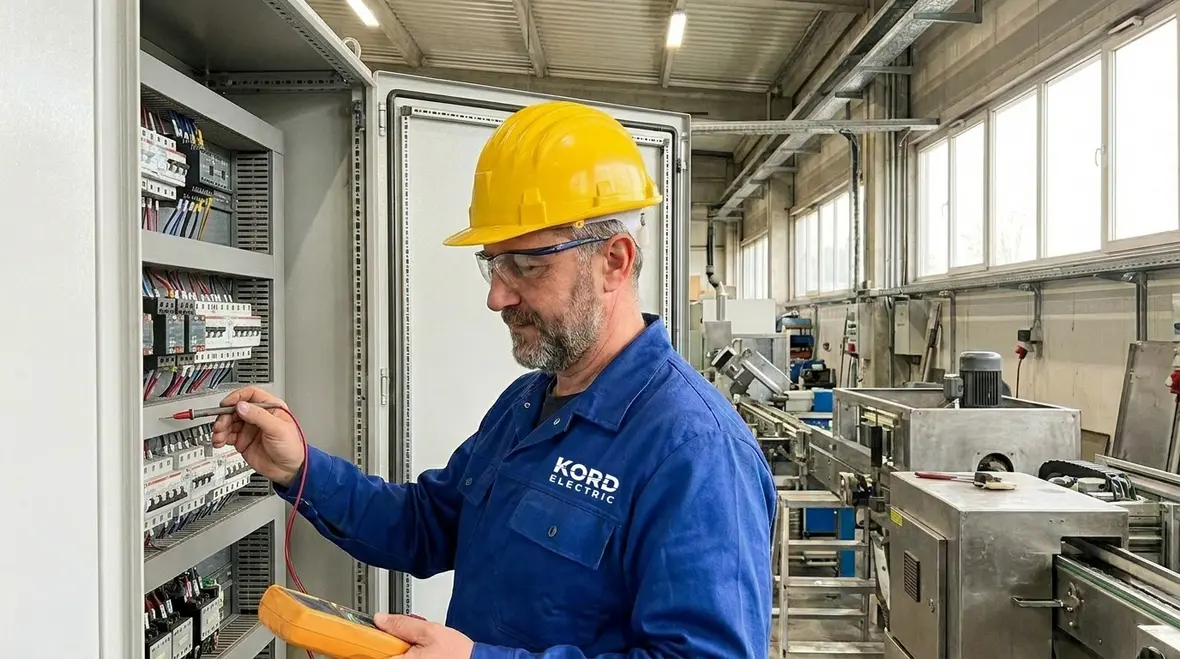
Industrial and commercial buildings do not consume power in a neat, predictable way. Instead, loads shift by shift schedule, seasonal production, and maintenance cycles. So, our approach begins with load mapping, which means we document what equipment draws power, when it runs, and how it behaves under normal and peak conditions. Then we connect those findings to your existing panel layout and breaker schedule.
Our technicians and expert service staff guide facility teams through a clear process. First, we review nameplates, submeter data, and historical utility bills. After that, we measure current draw during representative operating windows, including start up surges that rarely show up in casual estimates. Finally, we translate this into a load profile per panel, per branch circuit, and per phase.
We also make sure the mapping considers common “load troublemakers” like motor starting, HVAC cycling, process equipment, and large plug in systems that never seem to stay put. In short, load mapping turns a vague “it feels overloaded” into a real plan with numbers you can act on.
Balance Phases to Prevent One Side From Carrying the Weight
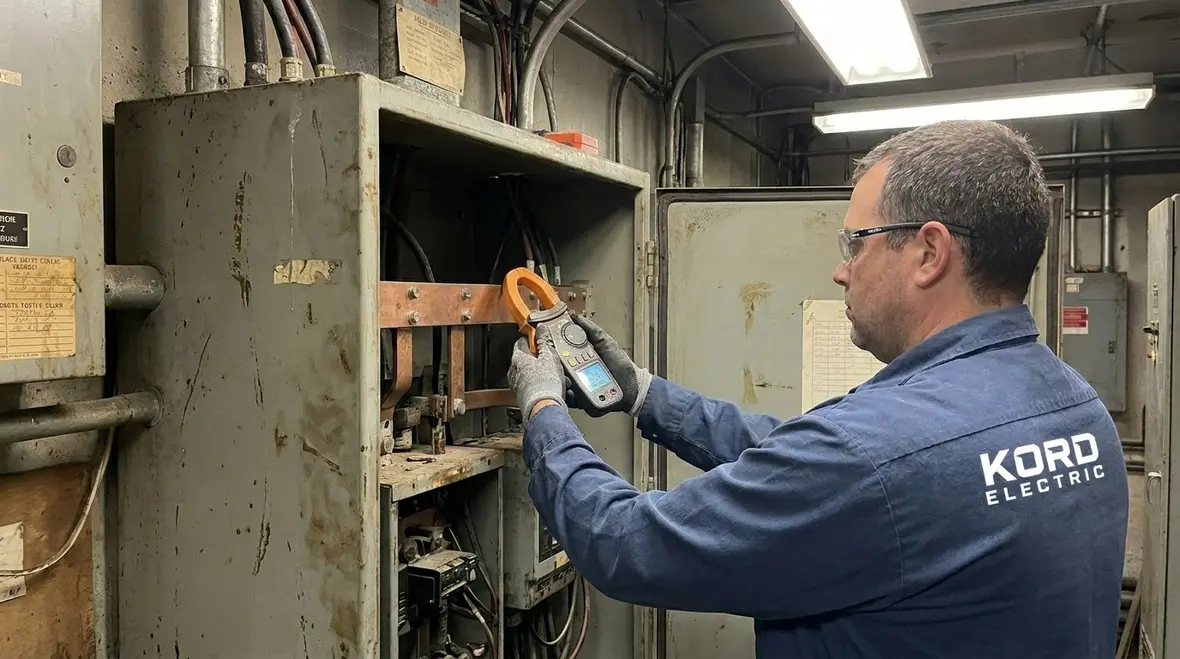
Even when total load stays near the expected range, poor phase balance can raise temperatures and cause nuisance trips. Consequently, one phase may sit heavier than the others, and the panel works harder than the math suggests. Therefore, best practice is to check phase current distribution and then correct it where possible.
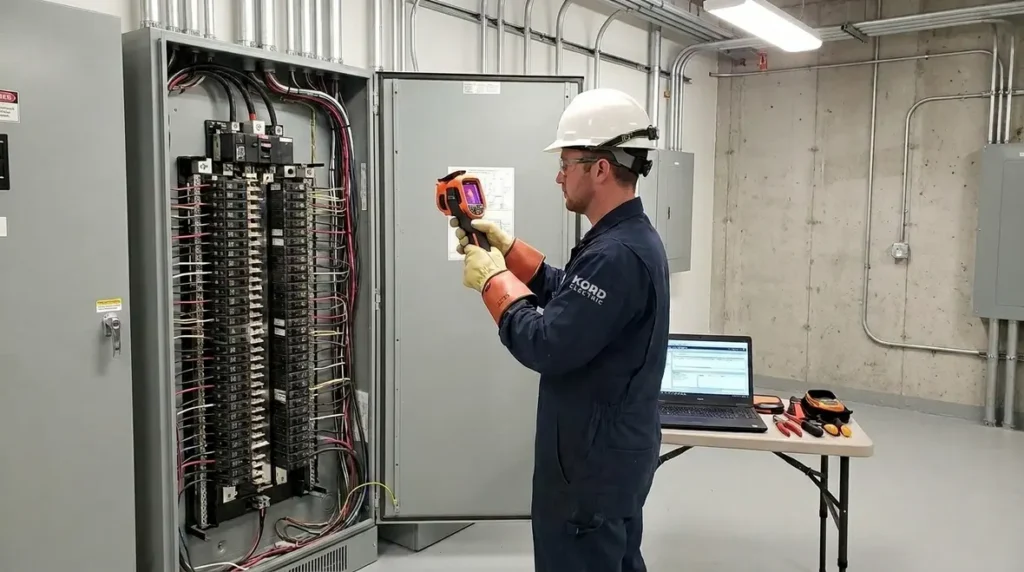
Here is what our expert staff typically evaluates. We look for panels with uneven amperage, recurring breaker trips, and signs of heat such as discoloration at terminations. Then we review circuit assignment for loads that can be moved within the panel or rerouted in the distribution system. Where rerouting is not practical, we recommend a targeted redesign that supports phase balance at the source.
In the field, we often see this issue hidden behind “everything is fine” reports. Yet, when we check the actual phase currents, it becomes obvious that the panel is acting like a seesaw where only one kid shows up. After balancing, the system runs more evenly, and thermal stress drops.
Use Capacity Planning That Accounts for Growth and Surprises
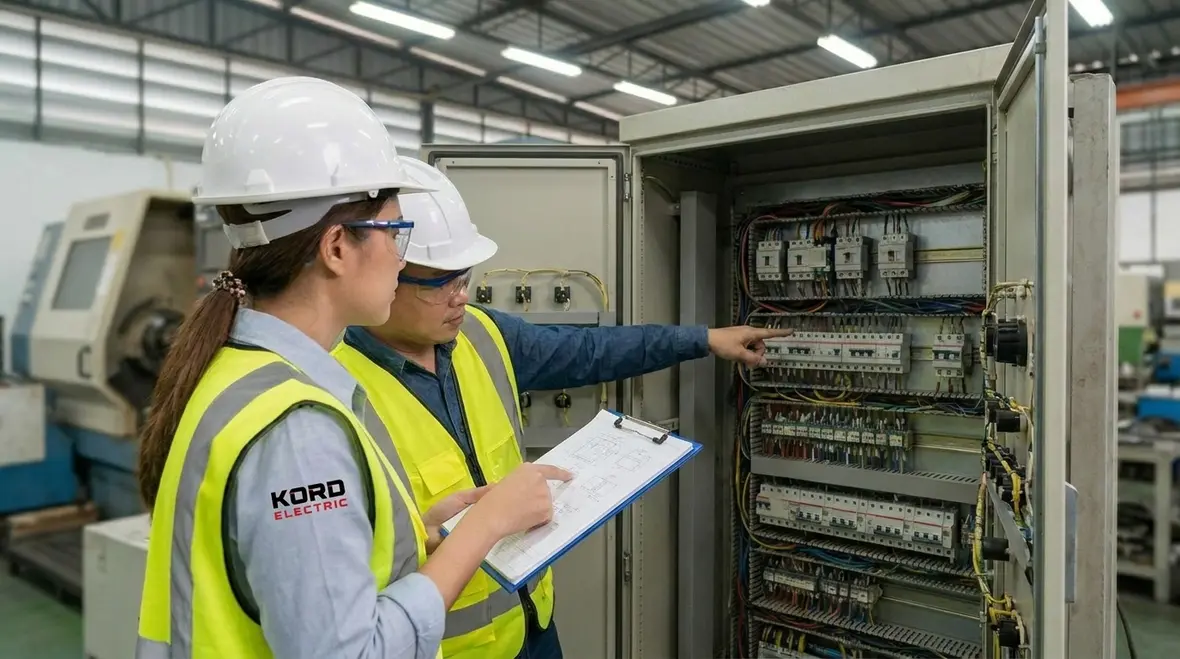
Industrial sites evolve. A new line gets added. A warehouse expands. A facility upgrades controls, lighting, or packaging equipment. However, capacity planning that relies only on today’s load is how panels reach their limits early. So, we recommend designing around both near term needs and realistic growth.
Our team helps others set a workable planning margin based on equipment type, load variability, and the panel’s duty cycle. We also consider how breakers, bus bars, and feeders age over time. Then we compare those factors to your expected load increases and maintenance realities.
When others ask about rewiring or electrical upgrades, we explain what affects cost and disruption in commercial systems, including the factors that influence labor, materials, and outages. For example, the same variables that drive rewiring cost for commercial electrical systems also impact industrial panel work, such as scope, access, and whether downtime is acceptable. Kord Electric includes this kind of practical context so owners can budget and schedule with confidence.
Monitor, Trend, and Verify With Real Measurements
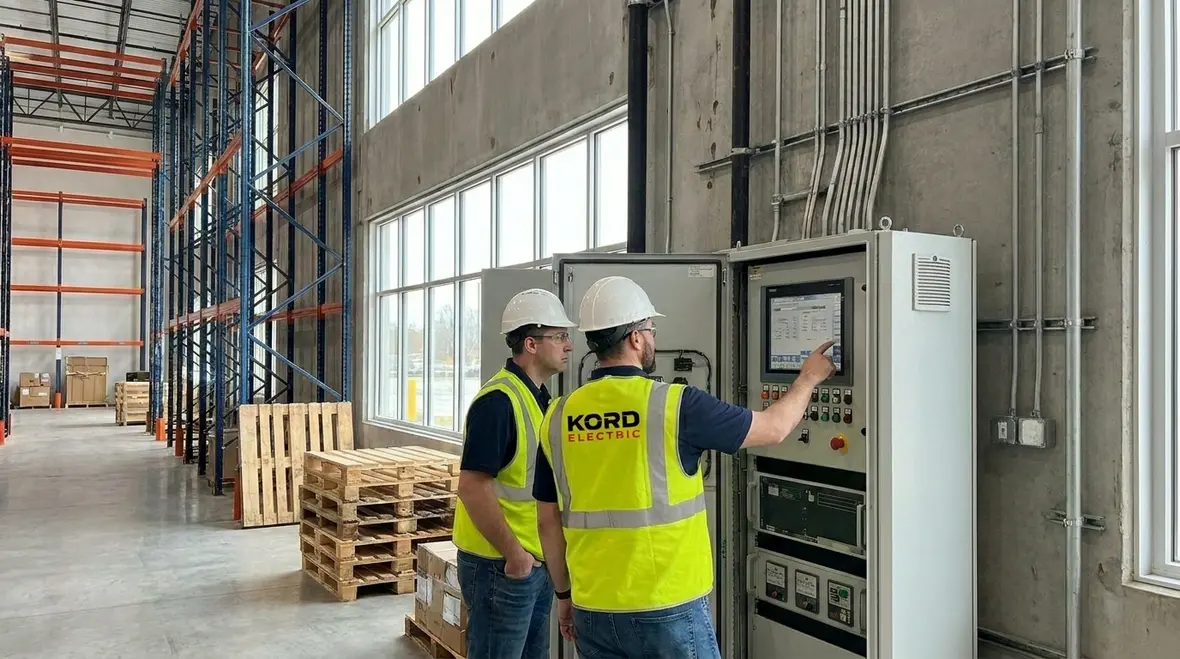
Once a panel load plan exists, it still needs oversight. Loads change quietly, especially when production schedules shift or maintenance habits evolve. Therefore, monitoring and verification matter.
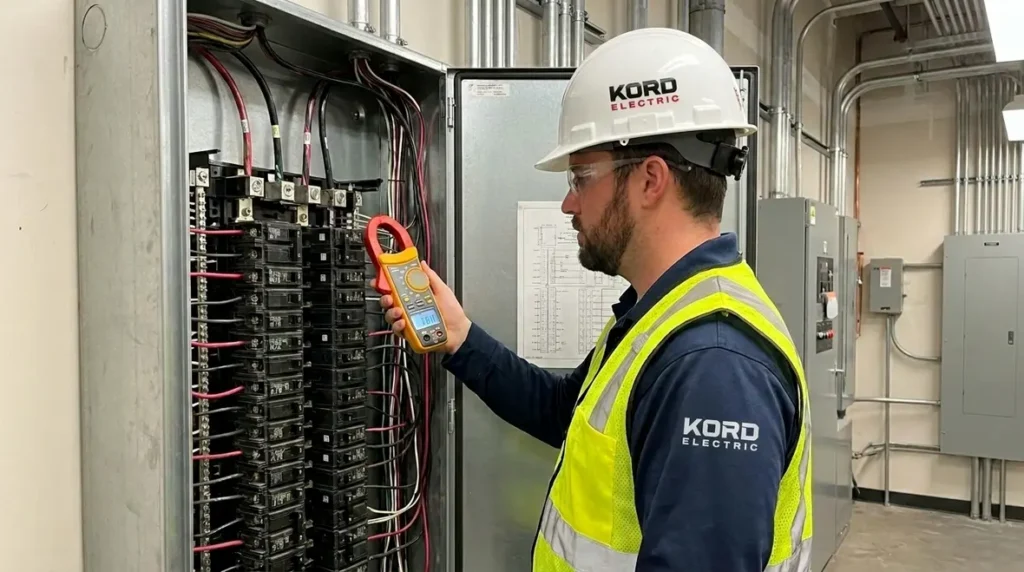
Our technicians use practical checks: we measure current and power factors, inspect terminations, and confirm breaker sizing matches the circuit design. Then, when clients opt for it, we help implement metering that supports trending over time. That way, others do not just react to alarms. Instead, they see patterns early and can plan adjustments before the panel approaches unsafe limits.
We also remind facility teams that “verification” includes more than a quick look. For example, we confirm that labeling remains accurate, that phase mapping stays consistent after any small changes, and that the panel directory reflects actual wiring. Because if the directory lies, the system becomes a mystery novel, and nobody signed up for that during a production shift.
Control Harm, Heat, and Inrush Loads Without Guessing
Industrial electrical panel load management must consider power quality and thermal stress, not just total amps. Harmonics from drives, switching power supplies, and non linear equipment can overheat conductors and reduce system efficiency. Likewise, inrush current from motors and compressors can cause voltage dips and stress breakers.
Accordingly, our expert staff evaluates the full behavior of connected equipment. We look at typical harmonic sources, we review protection settings, and we verify that components align with the actual load characteristics. Then we consider solutions that reduce harm and stabilize performance, such as appropriate filtering, proper grounding practices, and settings that match application needs.
Meanwhile, inrush handling may require better coordination of protection devices and thoughtful breaker selection. For example, we help others match the panel’s protective strategy to motor starting profiles and duty cycles. And yes, we also explain tradeoffs in plain language, because nobody enjoys a surprise shutdown at 2 a.m. like it is a plot twist from a TV drama.
Maintenance Practices That Prevent Small Issues From Becoming Big Incidents
A well managed panel does not stay healthy by accident. It stays healthy through consistent maintenance. So, best practice includes routine inspection of bus bars, breaker connections, and cable terminations. Then we verify torque where required, check for signs of water intrusion or dust buildup, and confirm that panel ventilation pathways remain clear.
Our technicians also recommend a disciplined approach to changes. When others add new equipment, they should not treat it as a separate event. Instead, we plan the change within the panel’s load strategy, phase balance goals, and power quality constraints. That reduces the chance of “temporary” connections that later become permanent problems.
Finally, we encourage proper labeling and documentation. When the next contractor arrives, the panel should explain itself. Clear records reduce troubleshooting time, and that matters when operational continuity is the top priority.
FAQ: Industrial Electrical Panel Load Management
Ready for Smarter Panel Planning With Kord Electric
When others manage electrical demand without a full plan, the facility pays the price through downtime, breaker events, and costly emergency service. At Kord Electric, we help commercial and industrial property teams build a practical approach to industrial electrical panel load management using load mapping, phase balance checks, and verified measurements. If your panels feel “busy” or you plan to add equipment, contact us for an on site assessment and a clear upgrade path. We will keep the lights steady and the surprises small.
For facilities that want a broader strategy around inspections, testing, and documentation, our approach to commercial and industrial electrical maintenance plans pairs well with structured panel load management. Together they create a roadmap that keeps panels, distribution equipment, and critical loads aligned with real world operating conditions.
If your facility is in Southern California and your panels are due for a calm, methodical review, our team can help. Explore our regional capabilities for Los Angeles County electrical services and we will coordinate a site visit that fits your production schedule, not the other way around.