Industrial Electrical Panel Maintenance Guide
Preventing Downtime: How to Know When Industrial Panels Need Care
At Kord Electric, we take industrial electrical panel maintenance seriously because downtime costs real money, real schedules, and real patience. When a commercial or industrial facility’s panels start acting “a little off,” people often wait for the big failure. That is like waiting for smoke to buy a fire extinguisher. It rarely ends well. So, we help plant managers, building engineers, and maintenance teams spot early wear, prevent nuisance trips, and keep power stable. In this guide, we lay out the key signs your industrial panels require maintenance, and we explain what our technicians and expert service staff look for, step by step, on real job sites.
Why power failures start small in commercial and industrial buildings
In large facilities, panels quietly carry the weight of production, HVAC, pumps, conveyors, lighting, and controls. As loads change, heat builds, dust collects, and connections loosen. Therefore, even when everything “still works,” the panel may already be drifting into an unsafe zone. Additionally, a panel that barely trips one day can fail outright the next, because damage compounds over time.
We have seen teams chase symptoms instead of causes. For example, they replace a breaker after a trip, yet the real issue sits deeper in torque, aging insulation, corrosion, or a failing component in the distribution path. So, we train our customers to think like systems engineers, not just firefighters.

In many commercial and industrial facilities, those early warning signs appear alongside other risk factors. For example, aging infrastructure, under-sized distribution equipment, or repeated layout changes can all strain panels behind the scenes. If your building is already facing rewiring conversations or broader infrastructure planning, pairing those upgrades with a disciplined panel maintenance strategy helps you get more value from every investment and reduces the chance of hidden risks building up in the background.
That is why a growing number of facility managers connect their panel care planning with broader electrical risk reviews and infrastructure assessments. When you coordinate these efforts together, you catch more issues in one cycle, minimize repeated shutdowns, and keep your operations team focused on production instead of chasing scattered problems floor by floor.
Signs your industrial panels require maintenance before they interrupt operations
When you want industrial electrical panel maintenance done before a breakdown, watch for patterns. Not every warning is dramatic. In fact, most are subtle, which is exactly why they get ignored.
- Frequent breaker trips that start mild and then become more common, even when loads stay steady
- Hot spots you can feel near enclosures, lugs, bus bars, or breaker terminals
- Burning smells or discoloration inside the cabinet, especially near high current sections
- Flickering lights or unstable voltages in parts of the building
- Unusual noise such as buzzing, crackling, or arcing sounds
- Visible corrosion, moisture trails, dust buildup, or loose covers
- Growing “nuisance alarms” from monitoring devices tied to the same panel
Now, let us add a real world note: if the issue appears only after a shift change, equipment start up, or seasonal load swings, the panel probably struggles to handle thermal cycling. And yes, thermal cycling is basically the panel’s way of saying “I am tired.”
Sometimes those signs surface alongside broader system complaints: unexplained voltage dips on sensitive equipment, controls that seem to reset at random, or repeated alarms from building management systems. When these symptoms line up with visible panel wear, they point toward deeper issues that go well beyond a single breaker swap. That is when a structured inspection becomes your best tool for preventing the next outage.
What a skilled technician checks during panel inspections
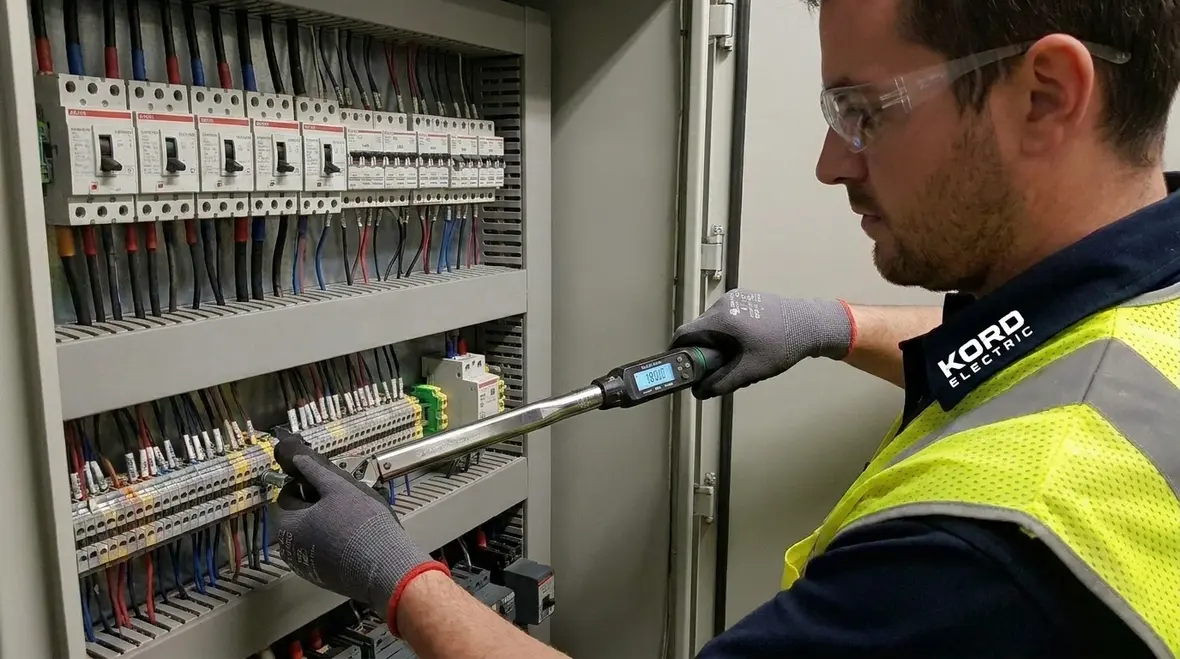
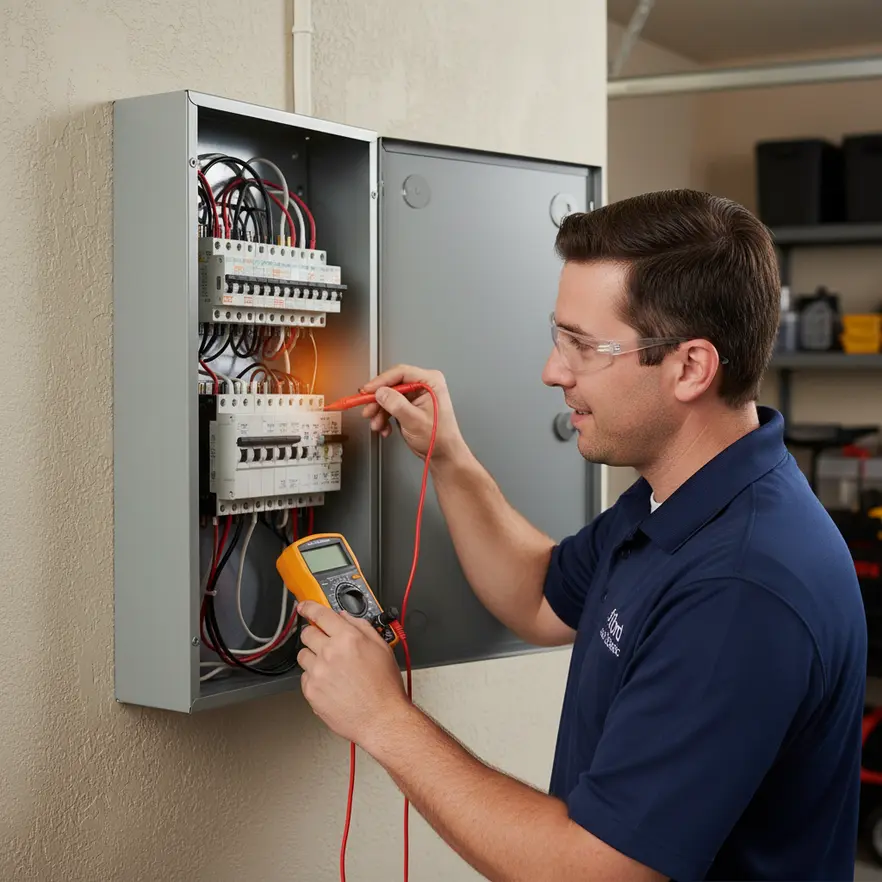
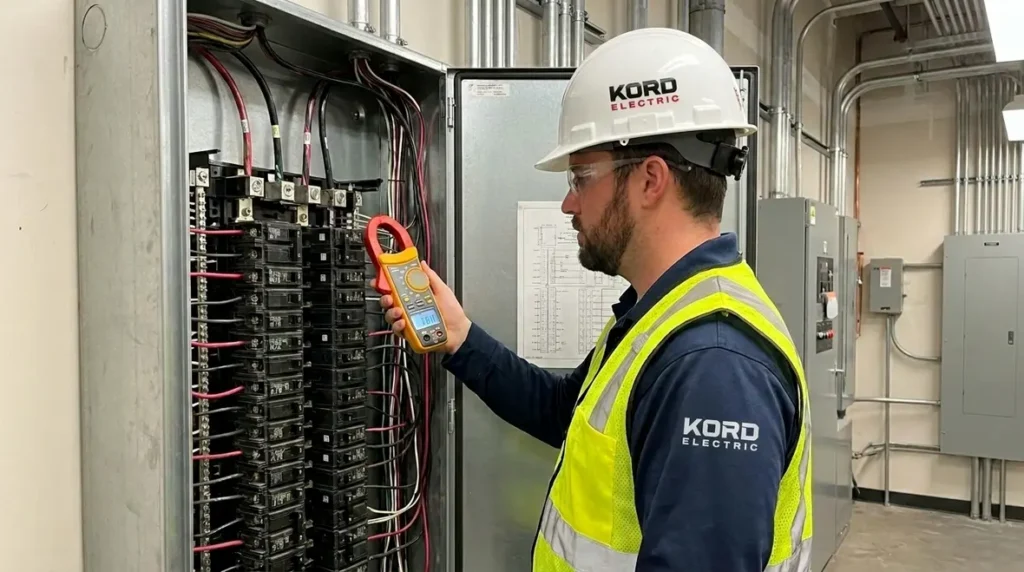
Our technicians and expert service staff use a structured approach. First, we review the facility’s operating profile, recent events, and any maintenance history. Then we inspect the cabinet physically and test where needed. As a result, we do not rely on guesswork.
Typical checks include:
- Torque verification on critical connections, because loose terminations create heat and resistance
- Visual inspection for heat marks, oxidized conductors, cracked insulation, and water intrusion
- Bus bar condition review to detect signs of overheating and material fatigue
- Breaker and contact condition evaluation, including wear patterns that lead to early trips
- Grounding and bonding checks to ensure fault paths work the way design intends
- Control wiring and relays review, since nuisance trips often start in sensing and logic
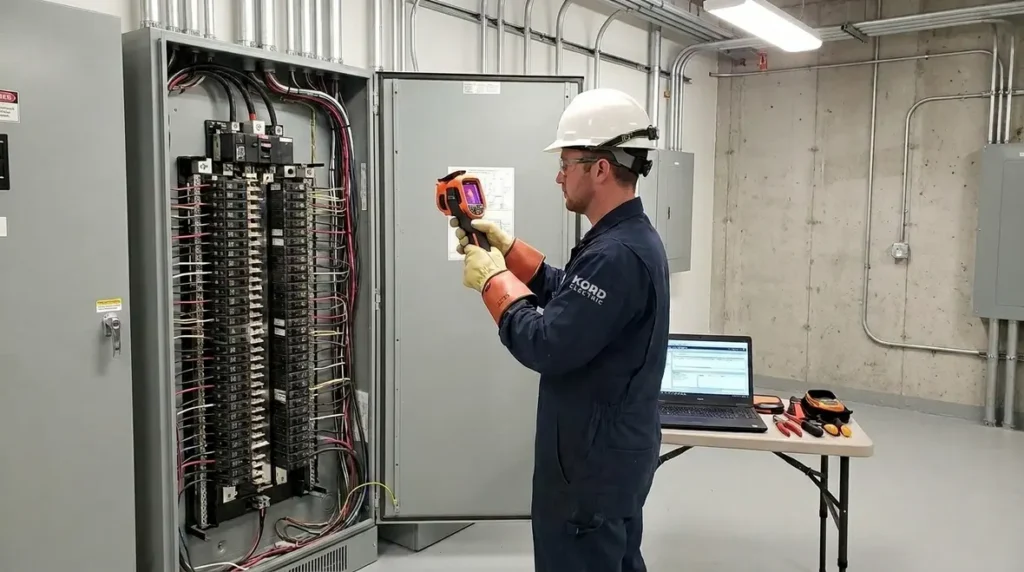
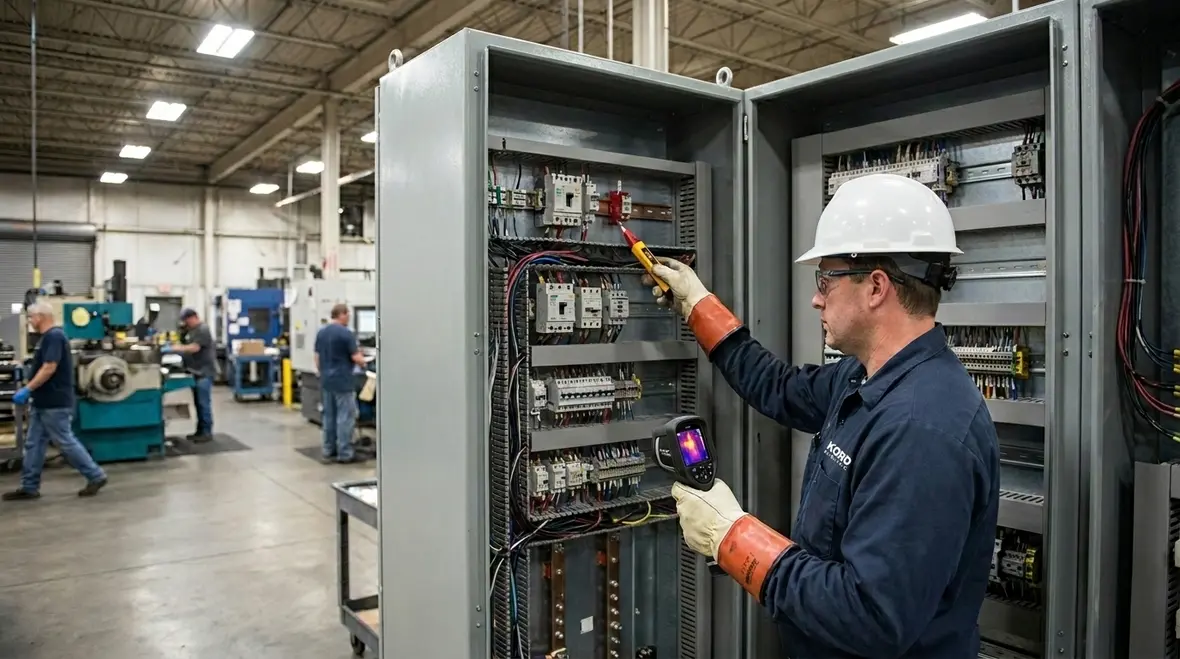
Depending on the site, we also recommend targeted testing to confirm what the eye suggests. For instance, a panel might look fine until a thermal scan reveals a stubborn hot spot at a specific lug. And if you are thinking “we will just wait,” remember: waiting is how small problems graduate to expensive problems.
In many facilities, that inspection also includes a quick reality check against current code expectations and operational goals. When a panel is feeding high priority life safety loads, critical production lines, or increasingly complex automation systems, our team flags areas where upgrades, rewiring, or modern protective devices could reduce risk and downtime over the long term. It is not just about passing an inspection. It is about making the entire electrical backbone easier to manage, easier to expand, and easier to keep online when schedules tighten.
Thermal, vibration, and corrosion: the three troublemakers
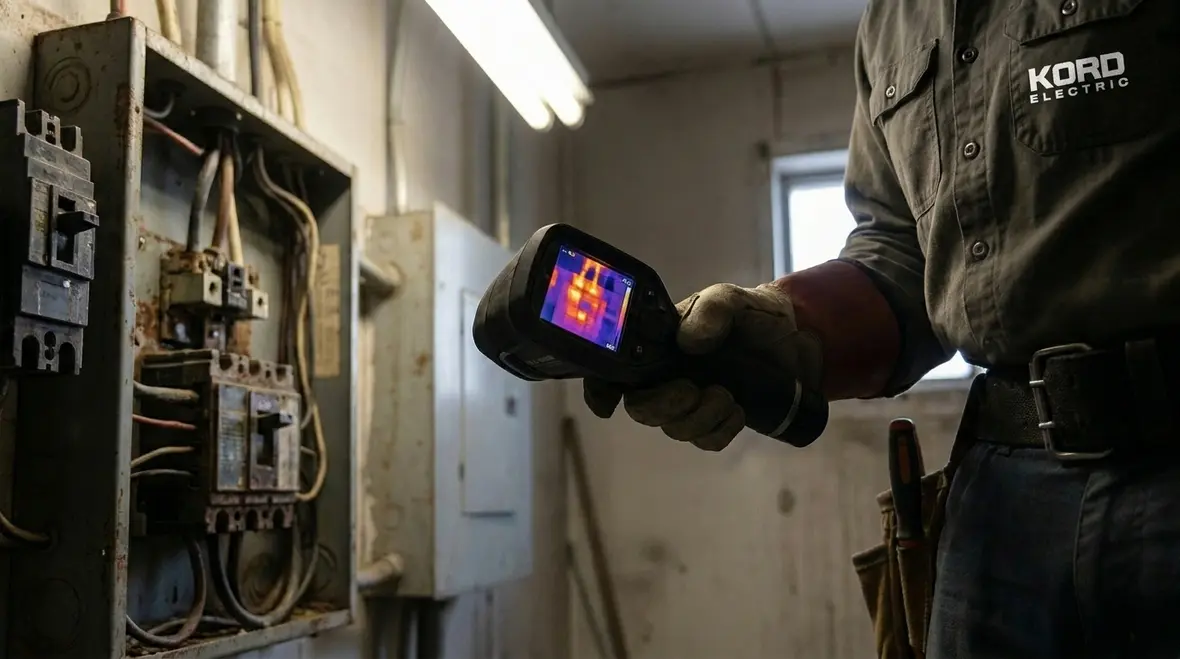
If you want to understand why panels degrade, focus on the usual culprits. Temperature stress, mechanical forces, and moisture contaminate the system over time. Consequently, the panel loses performance long before it fully fails.
- Thermal stress: Heat expands metal and can loosen connections. Then, cool down contracts everything, and repeated cycling makes that problem worse.
- Vibration: In industrial environments, motors and rotating equipment shake cabinets. Over time, micro movement can degrade contact quality.
- Corrosion and moisture: Humidity, cleaning chemicals, and condensation attack surfaces and insulation. Even small water intrusion can become a big risk when it reaches terminals.
Therefore, our service teams pay attention to how the cabinet sits within the facility. Is it near washdown zones, loading docks, or areas with frequent airborne dust? Is the enclosure sealed correctly? Those details shape the right maintenance cadence.
We also help customers align cleaning practices with electrical safety. For example, a “quick blast of compressed air” can scatter dust deeper into sensitive sections if done carelessly. In other words, it solves one problem and creates another. Like seasoning a meal with glitter. Fun idea, bad outcome.
By addressing these three troublemakers early, facilities can stretch the life of existing panels while planning for smarter long term upgrades. Thermal imaging, vibration awareness, and simple moisture control steps all work together to keep distribution gear stable. Combined with thoughtful maintenance planning, those moves give you more room to time major projects such as full rewiring, panel replacements, or service capacity increases on your own terms instead of reacting under pressure.
How preventative work reduces downtime and protects equipment
Preventative steps work because they interrupt the failure chain. Instead of waiting for a fault event, we address the conditions that cause failure: heat, poor connections, worn components, and unsafe operating states. Additionally, we help facilities avoid the hidden costs of downtime, including lost production, emergency staffing, and rush parts ordering.
When we plan industrial electrical panel maintenance, we also think about continuity. We coordinate work windows, confirm load impacts, and keep the process clear for operations staff. That matters for commercial and industrial facilities where every hour counts.
Here is what preventative care typically achieves:
- Fewer unexpected trips because connections and components run within safe limits
- More stable voltages across sensitive loads, including controls and drives
- Lower risk of arcing from degraded insulation or loose terminals
- Longer equipment life for breakers, switchgear, and downstream devices
- Better compliance readiness for inspections and internal audits
In many facilities, it also improves the maintenance team’s confidence. They stop feeling like they are guessing what will break next and start tracking real conditions. That calm, steady approach is what we aim to bring to every project.
Preventative work also creates a cleaner handoff between electrical maintenance and other capital projects. When panel condition, loading, and risk levels are clearly documented, it becomes much easier to plan targeted upgrades like selective rewiring, new distribution equipment, or expanded capacity for future machinery. Instead of discovering surprises halfway through a project, your team starts with realistic expectations and fewer late stage change orders.
Maintenance intervals: how we decide the right schedule
There is no universal calendar that fits every commercial or industrial building. Therefore, Kord Electric evaluates risk, usage, and environment. We look at how often the panel serves heavy starting loads, whether the site faces washdown or high dust, and how many times panels have had trips or alarms.
Our expert service staff typically guides customers toward intervals based on factors like:
- Years in service and whether the facility upgrades keep pace with load changes
- Load profile, especially large motor starts, frequent cycling, or variable production
- Environmental exposure such as moisture, chemicals, or excessive airborne particulates
- Observed symptoms including heat marks, nuisance trips, or instability complaints
- Criticality of the loads fed by the panel, since life safety and process safety never play “wait and see”
Then we document findings in a practical way so operations and facilities teams can act with clarity. Think of it as a roadmap, not a mystery novel. Nobody wants to read a thriller at 2 a.m. while production stops.
For many commercial and industrial properties, this roadmap also ties into broader electrical planning. When panel inspection notes indicate that loads are rapidly growing or equipment is nearing its useful life, leadership can weigh options like strategic rewiring, panel replacement, or service upgrades before an emergency forces the issue. That planning approach keeps maintenance intervals predictable and aligns your electrical strategy with real-world production goals.
FAQ: Industrial panel maintenance for featured snippet needs
Call Kord Electric when you see the early warning signs
If your industrial panels show hot spots, recurring trips, or any sign of corrosion or arcing risk, do not gamble with uptime. Contact Kord Electric and let our technicians and expert service staff inspect your panels with a clear, practical plan for industrial electrical panel maintenance. We work with commercial and industrial facilities to reduce downtime, protect equipment, and support reliable operations. Act early, and you keep your production schedule intact. Call us now to schedule an inspection and get peace of mind.
If you are already weighing larger improvements such as electrical panel inspections, targeted rewiring, or upgrades to support future expansion, our team can help you align that work with your maintenance strategy. Connecting these projects under one coordinated plan means fewer surprises, fewer shutdowns, and a stronger electrical backbone for every department that depends on clean, reliable power.
From routine panel care to full system upgrades, Kord Electric’s commercial and industrial specialists understand the pressures your building faces every day. When you are ready to pair disciplined industrial electrical panel maintenance with smart long term planning, reach out and let us build a service plan around your facility’s actual loads, environment, and growth goals.