Industrial Electrical Panel Upgrade Warning Signs
Industrial Electrical Panel Upgrade: How Kord Electric Spots Trouble Early
At Kord Electric, we perform an industrial electrical panel upgrade when your facility’s electrical system shows stress that you can’t always see. Others may call it “just a flicker” or “a breaker that trips sometimes,” but our technicians know that electrical problems rarely stay small. Instead, they grow quietly, then one day they show up as downtime, overheating, or a sudden shutdown that nobody scheduled. And just like a sitcom character who keeps ignoring the warning light, the panel keeps working until it doesn’t.
In this article, we explain the clearest signs your panel needs attention, why the upgrade matters for commercial and industrial facilities, and what our expert service staff checks during a proper assessment. We keep it practical, calm, and business focused, because your power system should feel reliable, not like a coin toss.
Signs Your Industrial Electrical Panel Needs Attention Now
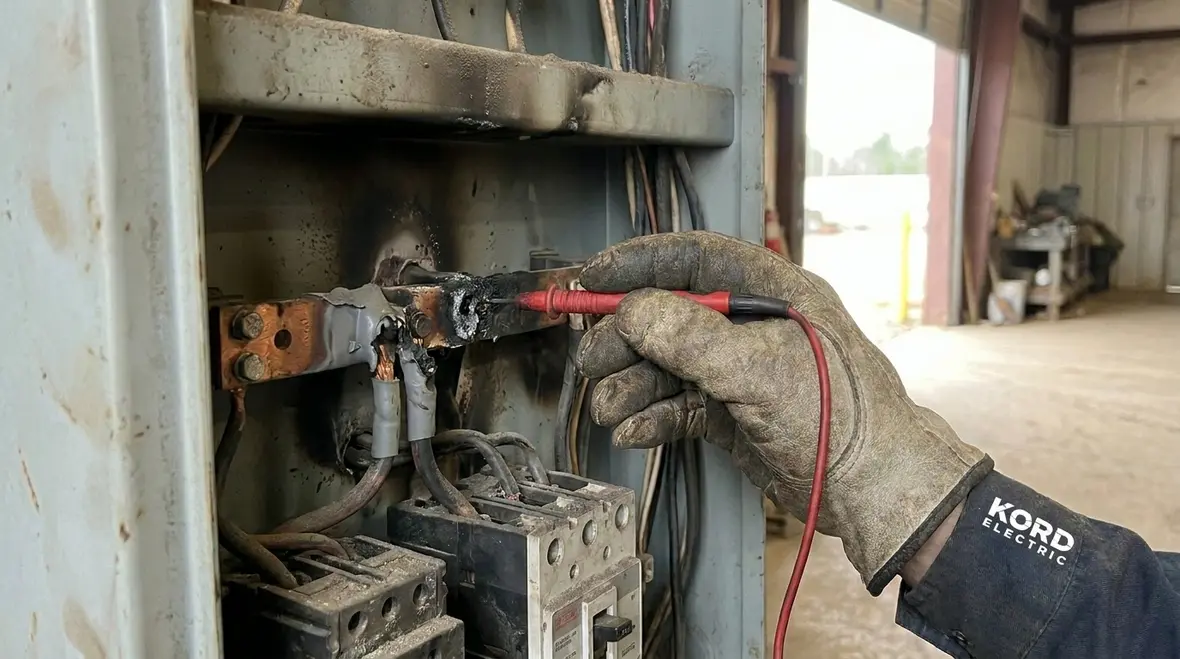
When a panel needs an industrial electrical panel upgrade, it often sends signals that facility managers can notice. First, you might hear unusual sounds. If you notice buzzing, crackling, or popping at the panel, that can point to loose connections, failing components, or arcing. Then again, some people only notice after the lights act up, motors slow down, or production pauses.
Next, watch for repetitive breaker trips. Frequent tripping usually means one of two things: the panel cannot handle the load the way it should, or a fault exists in wiring or terminals. Either way, we treat repeat trips as a “pay now or pay more later” situation.
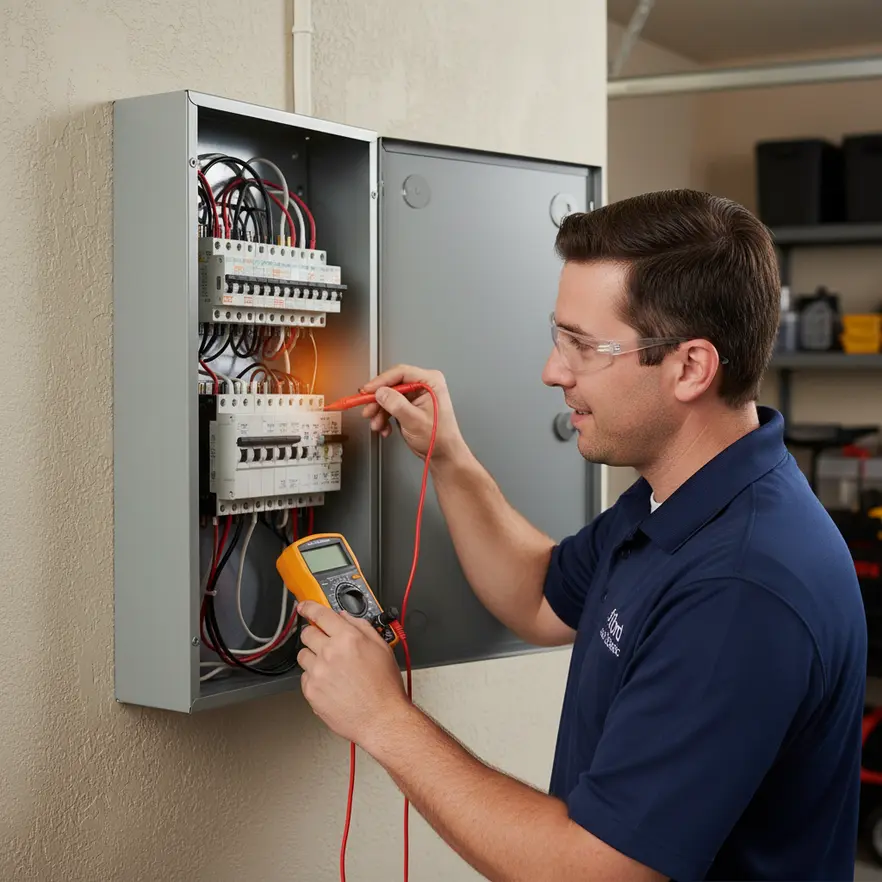
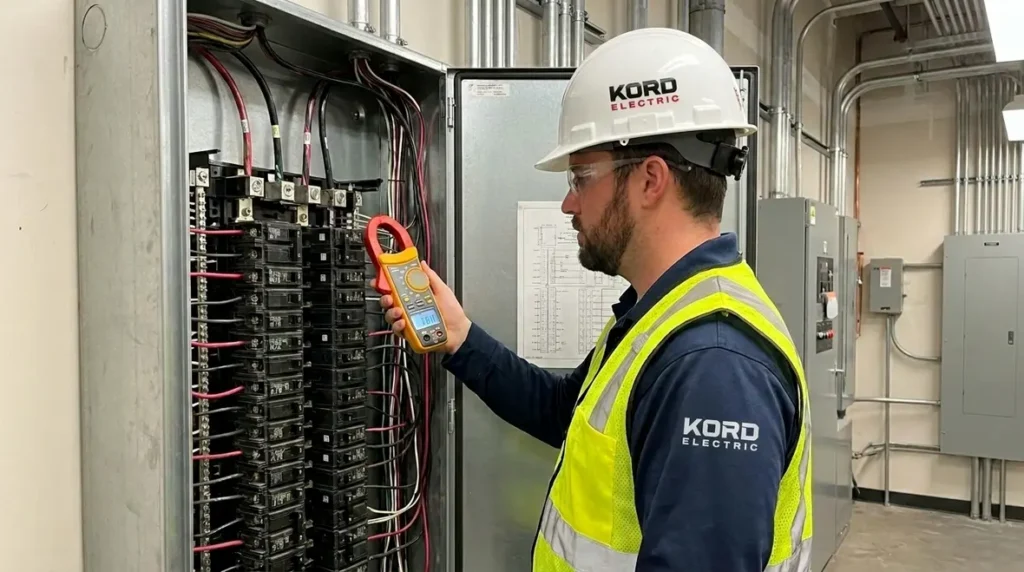
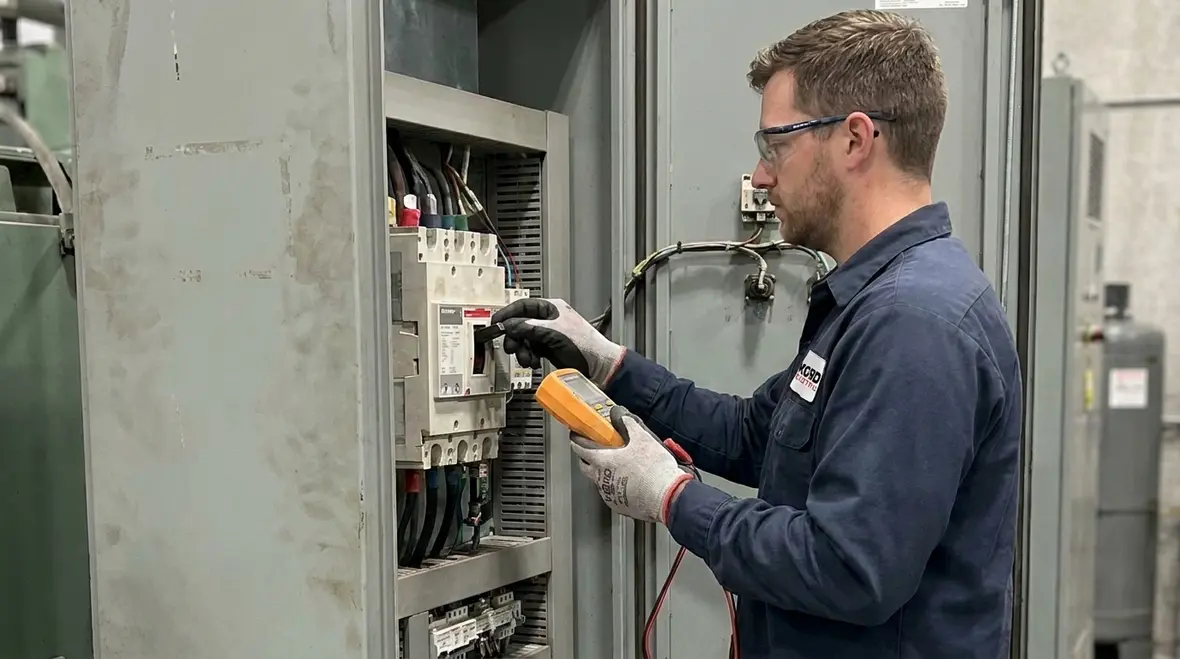
Finally, look for visual clues. Discoloration, scorch marks, melted insulation, or a panel that feels warmer than the surrounding enclosure are red flags. Our expert service staff does not guess. They measure, inspect, and document, so you can make a confident upgrade decision for your commercial and industrial property.
Overheating and Hot Spots: The Danger You Can Smell
Heat is the quiet alarm bell. If you smell burning plastic or notice a panel area that stays hot even when the facility is not under heavy demand, that often means resistance has increased at a connection. Over time, that heat can damage bus bars, tighten torque settings less effectively, and create a cycle where the panel gets worse while you assume it is “normal.”
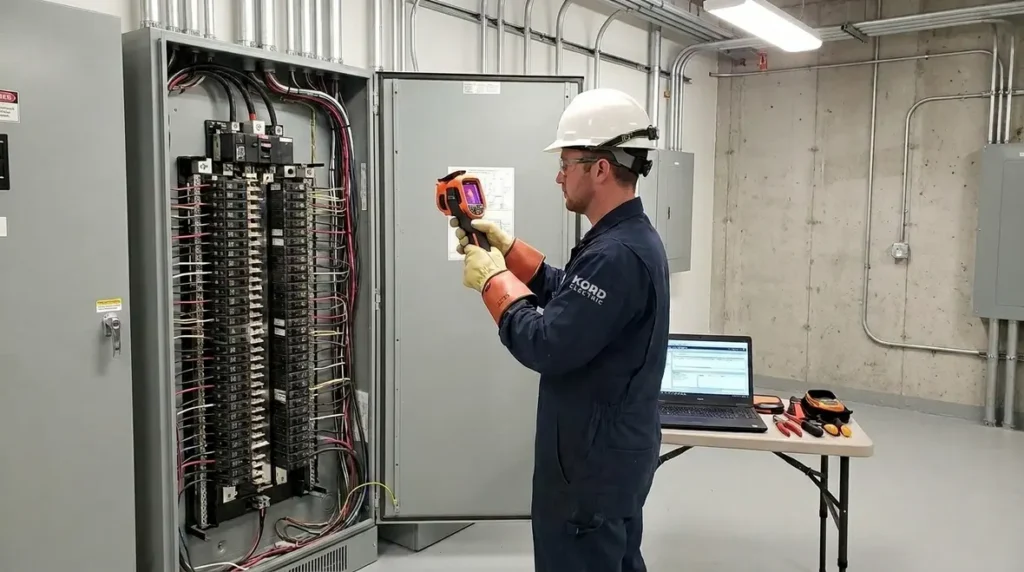
We also rely on more than your nose. Our technicians check temperature patterns and load conditions to find where heat concentrates. Because when the issue concentrates, the fix needs to target the connection points and breaker interfaces, not just a general “reset and hope.”
And yes, the panel can look fine from the hallway. Still, internal hot spots can exist behind the cover. That is why we perform a thorough review before recommending any industrial electrical panel upgrade.
When Your Facility’s Load Has Outgrown the Panel
Many commercial and industrial buildings change over the years. Equipment gets added, production lines expand, and HVAC systems get upgraded. Even a new tenant can shift electrical demand. Eventually, an older panel may no longer match the real load profile of the property.
If your power quality worsens after equipment changes, your panel might struggle with harmonics, voltage drops, or overloads. You may see dimming lights at peak times, reduced motor performance, or sensitive controls resetting. These symptoms can look like “other problems,” but the panel often plays the main role.
Our expert service staff evaluates the facility’s actual usage and compares it to what the panel can safely support. Then we discuss options that improve capacity and reliability. In many cases, a targeted industrial electrical panel upgrade prevents a chain reaction of failures across downstream equipment. For facilities that want to stay ahead of these issues, pairing panel upgrades with a structured commercial and industrial electrical preventive maintenance program creates a long term reliability plan that keeps systems stable instead of reactive.
Loose Connections, Corrosion, and Wear That Build Over Time
Electrical panels do not age in a neat, predictable way. Instead, they wear based on heat cycles, vibration, humidity, and how often the system handles high current. Loose connections can develop from thermal expansion and contraction. Corrosion can appear if moisture gets inside the enclosure. Wear can show up at bus bar interfaces, breakers, and terminal points.
When these issues build, resistance rises, and heat follows. So overheating and poor performance usually share the same root causes. That is why our technicians inspect components beyond the obvious. They look for signs that indicate an installation has changed, a component has fatigued, or a protective device no longer performs at the expected standard.
We also check for proper labeling and wiring integrity, because in a commercial and industrial environment, quick troubleshooting depends on clarity. If your panel is hard to understand, even the best service team becomes slower. And slower service means more downtime. Nobody wants that, unless your downtime budget is secretly infinite, which it never is.
Breaker Failures, Nuisance Trips, and Protection That Does Not Protect
Protection systems should protect. That means breakers trip when they detect real faults, not because the system feels moody that day. If you experience nuisance tripping, you may see breakers trip during normal startup sequences, cycling, or moderate load changes.
However, nuisance trips can mask deeper issues, such as aged breaker mechanisms, loose terminals, mismatched components, or incorrect coordination settings. In addition, a panel that lacks modern protective features may not respond correctly to current types, load surges, or ground fault conditions.
Our expert service staff reviews breaker performance and coordination. Then we recommend an industrial electrical panel upgrade when safety margins and protection capability no longer match your facility’s needs. The goal stays simple: fewer disruptions, better protection, and reliable operation across critical equipment.
Power Quality Problems That Spread Through Your Building
Even if the panel stays “mostly working,” power quality issues can harm sensitive equipment. A panel can contribute to voltage instability, poor grounding behavior, and inconsistent distribution. Over time, these factors can lead to control system resets, motor stress, or shortened component life.
Facility teams often notice the effects first. Servers reboot. HVAC controls behave oddly. Process equipment runs less smoothly. When the electrical panel contributes to the problem, the fix requires more than a quick reset or a new cable pulled somewhere else.
We use a practical approach. Our technicians evaluate the distribution path and identify where the panel causes instability. Then we align the upgrade with your electrical design needs. For many commercial and industrial sites, that means improving how the panel distributes power, how it manages protective functions, and how it supports future loads. For a broader view of hidden issues behind walls and equipment, you can explore Kord Electric’s insights on hidden electrical risks in commercial buildings, which often tie directly back to overloaded or aging panels.
And if someone says, “It’s probably fine,” our technicians gently let them know that “fine” is not a maintenance plan.
How We Plan an Industrial Panel Upgrade for Commercial and Industrial Sites
We do not treat upgrades like a random swap of parts. Instead, we follow a process that respects your schedule and your risk profile. First, our technicians perform a site assessment focused on safety, system condition, and performance. Then they review the panel’s current configuration, capacity limits, and protective setup.
Next, we discuss your operational priorities. Some facilities can handle short intervals of limited operations. Others require strict continuity. Therefore, we plan staging and install steps to reduce disruption. After that, we confirm wiring, torque settings, and labeling standards so future service becomes easier, not harder.
Finally, we verify the results with testing. We validate performance so the industrial electrical panel upgrade delivers the reliability you expect from a serious commercial and industrial operation. And yes, we document what we find and what we change, because detailed records help you plan future maintenance with confidence.
FAQ About Industrial Electrical Panel Upgrades
Ready for a Safer, More Reliable Panel?
If you suspect your panel is running hotter than it should, tripping breakers too often, or struggling to keep up with facility load changes, we recommend a professional assessment. Kord Electric serves commercial and industrial facilities and major property buildings, and our technicians explain findings in plain language so you can decide with clarity.
For facilities planning broader upgrades around aging infrastructure, Kord Electric also offers guidance on large scale projects such as whole building rewiring. Their rewiring cost guide for commercial electrical systems helps property leaders connect panel decisions with long term investment planning, rather than treating every project as a one off repair.
If your facility is ready to move beyond single repairs into a structured reliability strategy, explore Kord Electric’s dedicated electrical preventive maintenance services for commercial and industrial properties. Integrating an industrial electrical panel upgrade with ongoing maintenance gives your team a clear roadmap for protecting equipment, limiting unplanned outages, and keeping operations calm even when demand climbs.
Contact us today to schedule an inspection and discuss an industrial electrical panel upgrade that supports dependable operations, fewer disruptions, and calmer days for your team. Let us handle the electrical stress before it becomes downtime.