
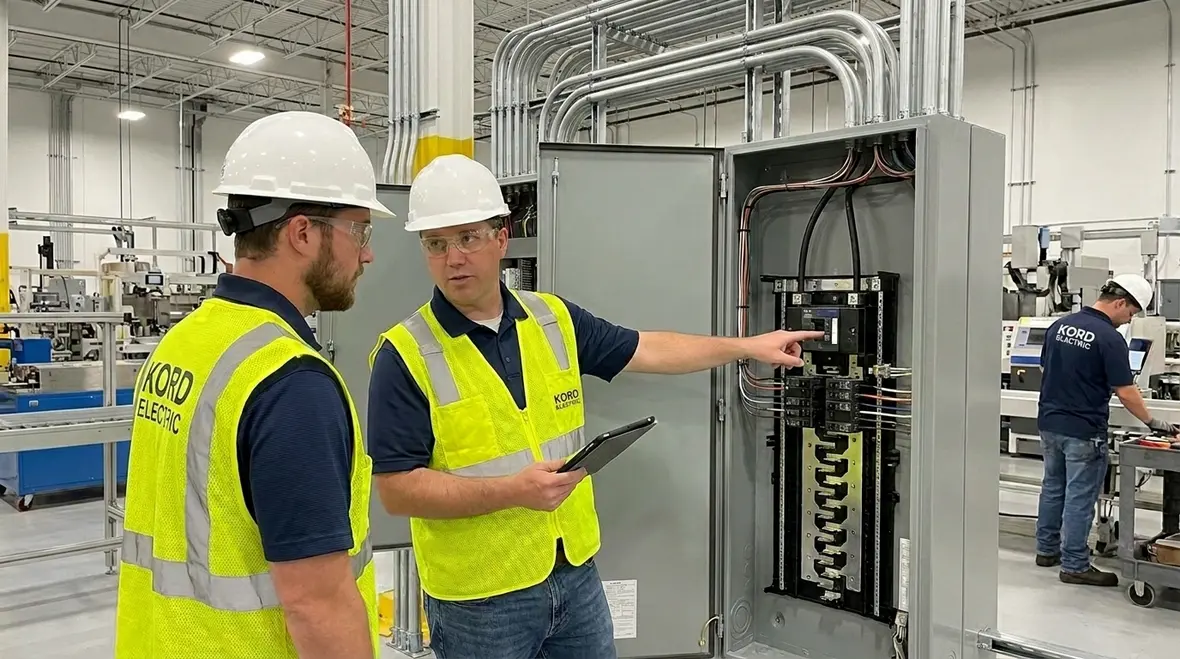
Industrial Electrical Wiring Upgrades Planning Guide
Kord Electric helps commercial and industrial facilities plan and execute industrial electrical wiring upgrades that keep production steady, safety high, and downtime low. When a manufacturing site faces aging panels, expanding lines, or new automation, we treat electrical upgrades like a full program, not a last minute repair. Our team guides major projects from planning to energization, and our technicians explain each step in plain language so facility leaders can make confident decisions. Yes, electrical planning can feel like reading a manual written by robots, but we break it down so humans run the plant, not the other way around.
What does a major electrical upgrade planning process look like?
Others may start with parts and end with surprises. At Kord Electric, we start with outcomes and then build the path to get there. First, we review the facility’s operating profile: shift schedule, peak loads, motor duty cycles, and the exact moments when the plant needs power most. Next, we study existing systems, including switchgear, feeders, grounding, and protective devices. Then we map the gaps between what the facility can do today and what it must do after expansions, new equipment, or code updates.
After that, we build a staged plan. This matters because manufacturing does not pause for a spreadsheet. So we identify which upgrades can happen while circuits stay live, where we need planned shutdown windows, and how to keep critical loads running. Finally, we document everything so the commissioning phase goes smoothly. Our expert service staff explains the logic behind each decision, and they do it patiently, like the calm voice in a training video that somehow still manages to feel helpful.
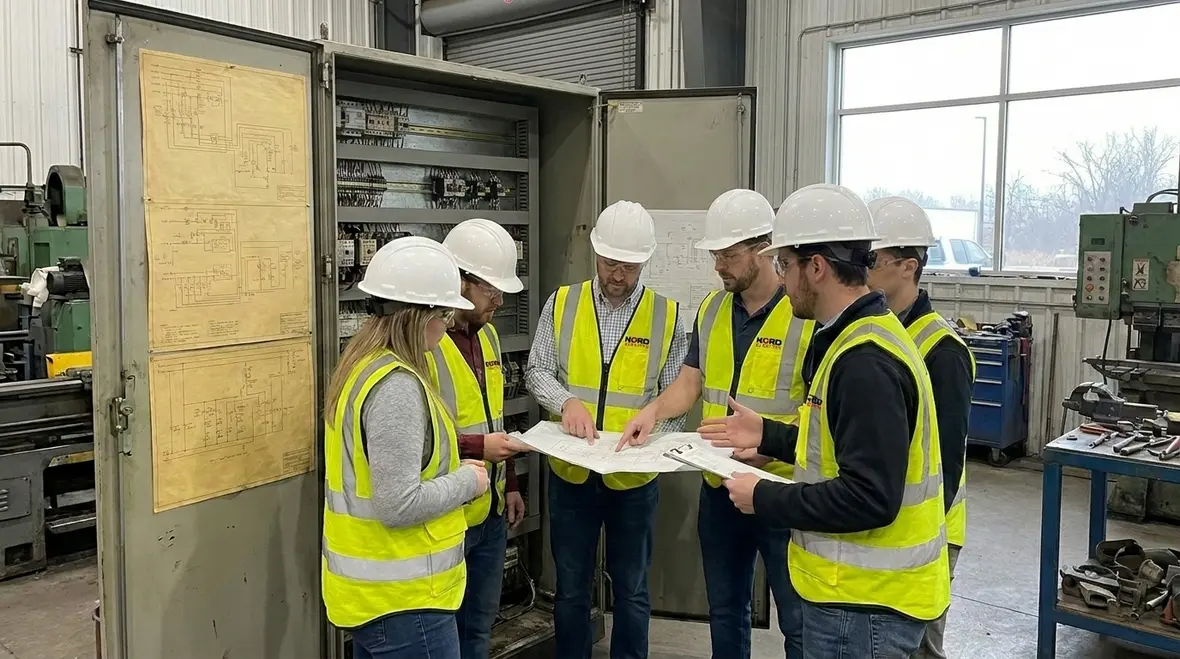
Electrical load assessment and future capacity planning
In manufacturing, power demand never sits still. Therefore we treat load assessment as a living model, not a one time snapshot. We gather data from utility bills, nameplates, and equipment specs, and then we confirm it with field measurements. After that, we forecast future capacity based on planned production changes, new lines, HVAC upgrades, welding stations, compressors, and any electrification projects.
We also evaluate power quality. Harmonics, voltage dips, and imbalances can quietly damage drives, control systems, and sensitive automation. Consequently, our planning includes how new circuits will impact existing transformers and feeders. If a facility adds machinery without considering short circuit strength and protective coordination, it can create problems that show up months later, when everyone is busy and no one wants to troubleshoot. And that is when the plant discovers that “temporary” fixes have an amazing ability to last forever.
Our technicians explain the results in practical terms, such as what capacity margin means for reliability and what power quality steps prevent nuisance trips. Then we align the design with the real operating targets the facility leadership sets.
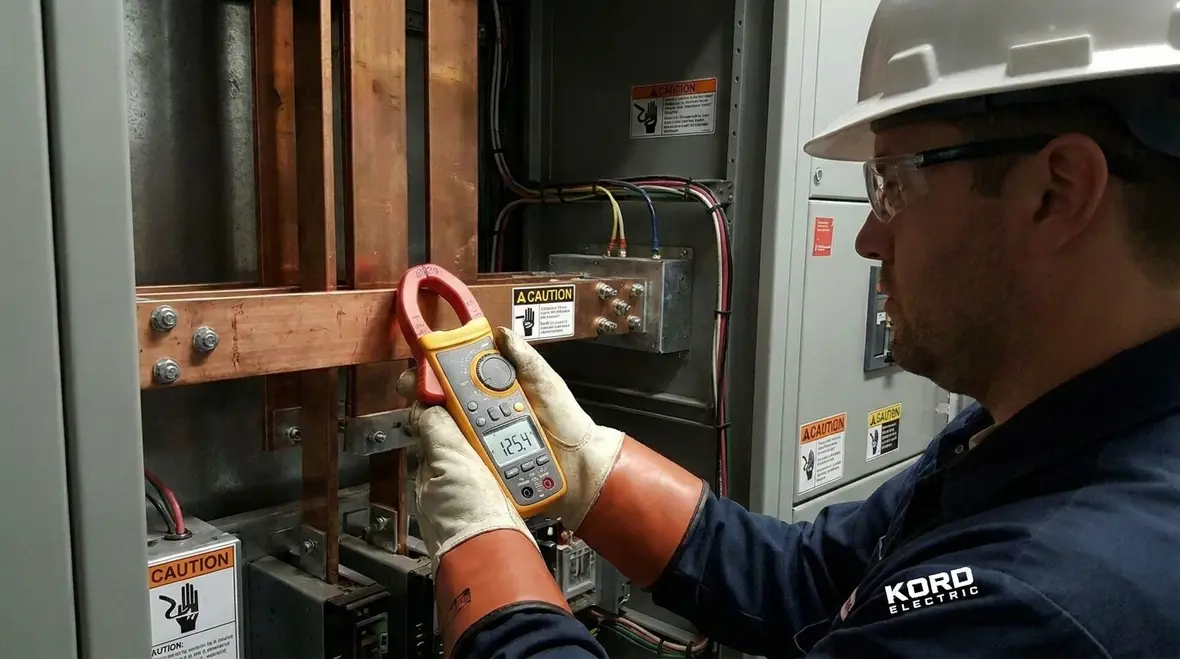
How we design safe feeders, panels, and distribution layouts
Once the load model is ready, we move into physical design. We plan feeder routes, panel locations, and distribution architecture with a focus on safety and maintainability. We evaluate cable sizing, conductor type, voltage drop, and thermal ratings. We also consider how upgrades affect labeling, access, and future expansion pathways so the next project does not start with demolition.
At Kord Electric, we pay attention to details that keep crews safe during construction and operations. That includes proper segregation, routing that avoids hot zones, and installation methods that support long term performance. We also design grounding and bonding with the same seriousness because it supports fault clearing and stable control behavior.
To keep work organized, we often use a staged distribution approach. For example, we may add new sections of distribution and then migrate loads one area at a time. This helps facilities keep running while we complete the most disruptive portions of the project. Our expert service staff walks operators through what will happen during each migration so the process feels controlled, not chaotic.
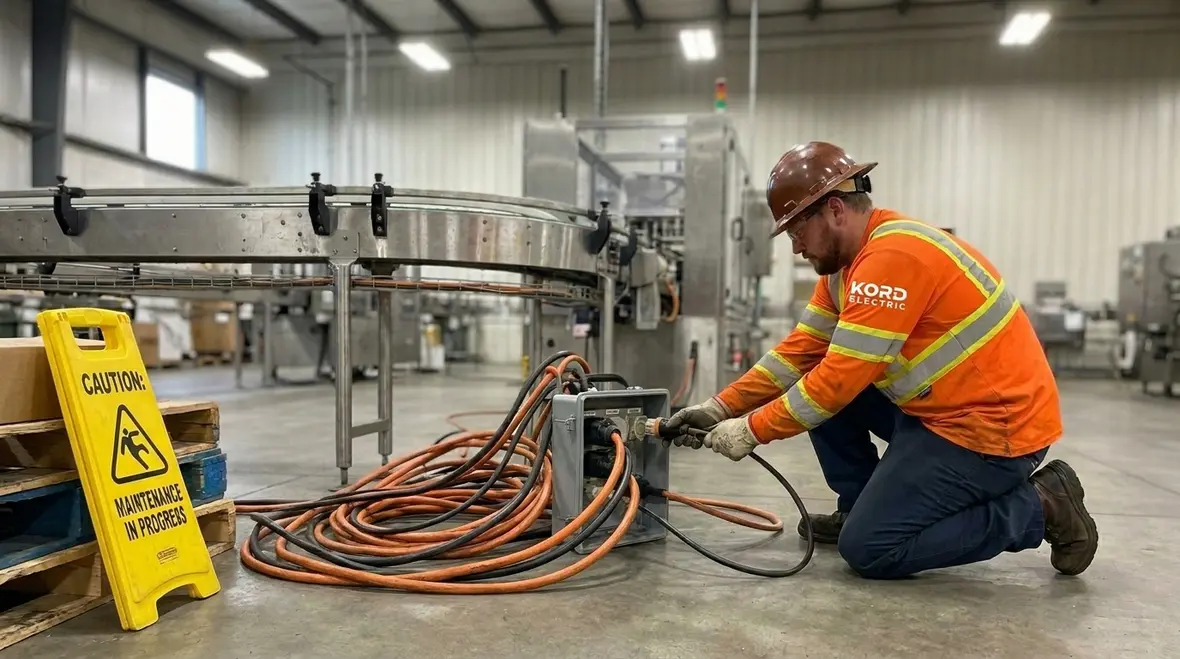
Staging upgrades to reduce downtime and protect operations
Major electrical work can overwhelm a site if it is scheduled like a generic construction job. Therefore we build an outage strategy that matches the plant’s production rhythm. We review shift patterns, critical equipment lists, and typical failure points. Then we schedule shutdown windows around low demand periods, planned maintenance days, or production changes where downtime has less impact.
We also coordinate with other trades. Mechanical and controls teams often need their own installation timing, and our planning prevents rework caused by conflicting schedules. Moreover, we ensure that temporary configurations do not become permanent, because plants deserve reliability, not living on borrowed time.
When possible, we implement parallel paths. That means we can transfer loads safely while we test and verify newly installed sections. Then we perform commissioning steps in a logical sequence, from insulation resistance checks to protective device verification and functional testing. Throughout this process, our technicians explain what we test, why we test it, and what good results look like, so facility teams understand the “why” and not just the “what.”
Protective coordination, codes, and commissioning steps that hold up in real life
Electrical upgrades fail for two reasons: design misses and verification gaps. So we address both. We review protective device settings and coordination across breakers, fuses, and relays. We align trip curves and time delays so faults clear fast on the correct equipment, without unnecessarily shutting down healthy sections. This protects motors, drives, transformers, and the staff trying to keep things running.
We also design for code compliance and safe installation practices that commercial and industrial facilities require. Then we verify performance through commissioning, not hope. Commissioning typically includes tests for wiring integrity, phase rotation checks, continuity and insulation verification, and verification of proper labeling and documentation.
Finally, we confirm operational readiness. That means we test under realistic conditions where possible and we confirm that protective devices behave as designed. Our expert service staff then explains results and any adjustments needed. This is where projects get calm, because clear documentation and verified performance reduce confusion during ramp up.
Budgeting and project management for major electrical wiring upgrades
Budgeting is where many upgrade plans go sideways, usually because assumptions hide in plain sight. So we lay out scope clearly and estimate each phase, from design and procurement to installation and testing. We also plan for lead times on switchgear, transformers, breakers, bus duct, and specialty items. When equipment lead times stretch, we adjust the schedule without cutting the safety steps.
Additionally, we manage risk. We track constraints like equipment rooms, conduit pathways, shutdown limits, and inspection windows. We coordinate with facility leadership on what work can happen while the line stays live, and what must wait for the planned outage. As a result, the project stays controlled even when the plant gets busy.
To keep stakeholders aligned, we maintain an organized communication flow. We share progress updates, confirm next steps, and explain how decisions affect reliability. And yes, we keep the tone professional and steady because facility managers have enough stress without a project team speaking in riddles.
For many sites, industrial electrical wiring upgrades include upgrading aging feeders, adding distribution sections, and improving protective coordination. We handle these elements as part of a single system so the whole facility benefits, not just one corner of it.
If you are building a long term strategy around reliability and uptime, explore how structured maintenance programs support these upgrade efforts through Kord Electric’s dedicated Electrical Preventive Maintenance services. These programs help ensure that every upgrade remains effective, documented, and tuned for real world operating conditions across commercial and industrial facilities.
Frequently asked questions about planning manufacturing electrical upgrades
Conclusion and next steps with Kord Electric
When a manufacturing facility needs major electrical upgrades, we help you plan like a pro and build like a team that respects uptime. Kord Electric designs staged projects, verifies protection, and supports commissioning so the system performs on day one and on day one hundred. If you want a clear plan for industrial electrical wiring upgrades and distribution changes, contact us for an assessment. We will map the scope, outline the timeline, and explain each step with calm, practical clarity. Let’s keep your plant running and your future upgrades easier.
If your site is preparing for broader infrastructure changes, you can also explore related services like EV Charger Installation for commercial and industrial facilities. Coordinating EV infrastructure with core wiring and distribution upgrades helps you build a future ready system instead of piecing together one project at a time.


