Reliable Backup Power and Generator Maintenance
Keep Your Business Backup Power Ready: What We Check First
When a blackout shows up, we do not want your backup system to “think about it” like a loading screen from the old internet. In our experience at Kord Electric, the reliability of any business backup starts with a simple, repeatable rhythm. First, we confirm the emergency generator maintenance plan is scheduled and documented. Next, our technicians verify fuel quality and level, then inspect batteries and charge systems. After that, we test the transfer switch so it moves power the way it is supposed to, not the way it feels like it might. Finally, we log the results and create a fix list before small issues become expensive surprises.
Third person is right for this guide, but the mindset is ours: we treat backup power like mission critical equipment, because in commercial and industrial facilities, it is. And yes, we have seen a generator “pass” a test by accident. Like a magician who forgot the card trick. That is why we follow a real process, not luck.
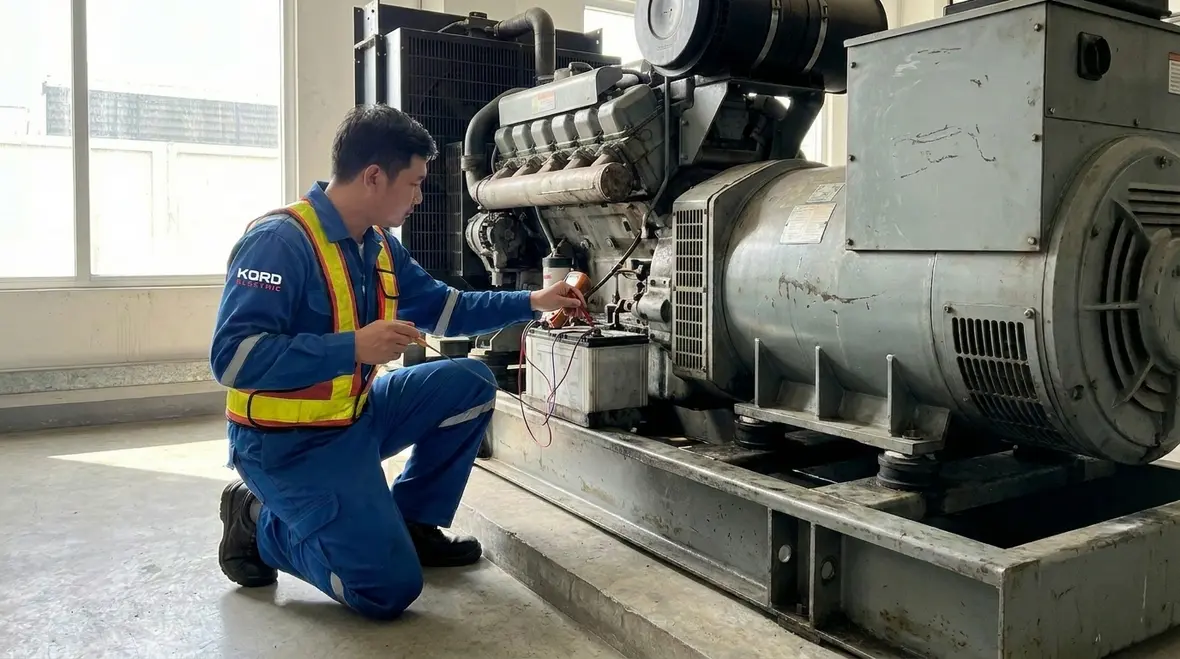
For facilities that have already wrestled with surprise outages, our approach to backup power ties directly into how we diagnose emergency power failures in commercial buildings. The same disciplined mindset applies: understand the failure paths, verify each backup component, then document a path forward instead of hoping the next outage behaves better than the last one.
How We Build Reliability Into Backup Power Systems
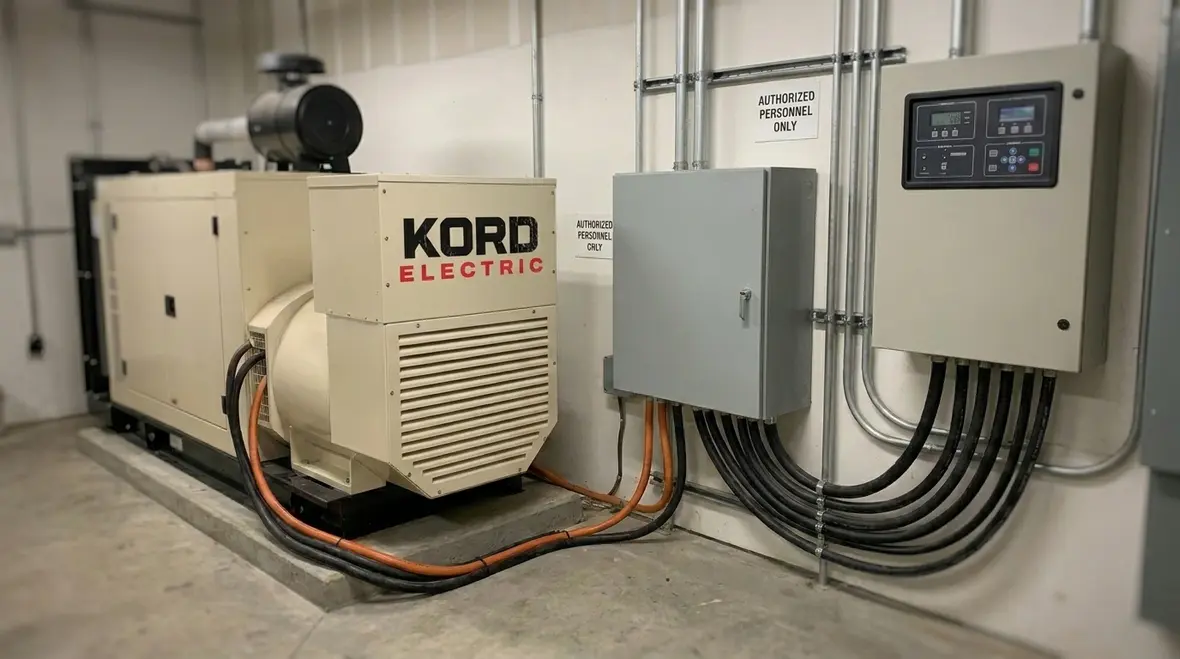
Reliability does not happen by hoping. It happens by design, inspection, and the kind of maintenance that catches wear before it becomes failure. Kord Electric approaches backup power as a system, not a single machine. The generator, the transfer switch, controls, wiring, monitoring, and fuel all work as one team. When one part drifts, the whole operation suffers.
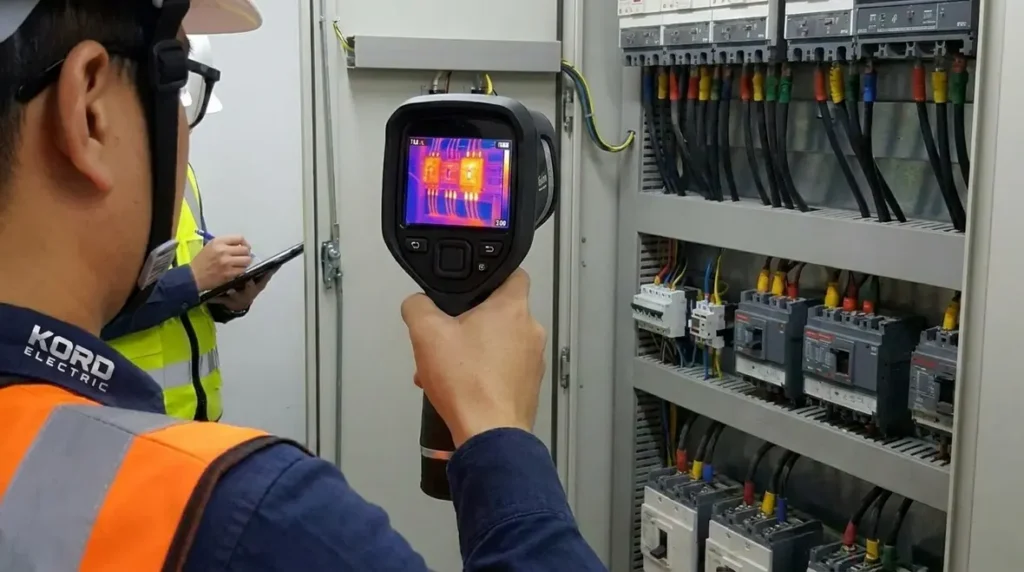
We focus on early detection. Our experienced service staff review operating history, compare test data, and look for patterns that indicate stress. For example, starting delays, unusual exhaust behavior, or repeated alarms often signal that the system is compensating rather than operating normally. Therefore, we address root causes, not just symptoms.
Additionally, many facilities rely on remote monitoring. While that helps, it can also hide slow changes if nobody verifies the physical equipment. So we use monitoring data as a guide, then confirm conditions on site. In commercial and industrial buildings, that combination usually prevents the kind of “it worked last time” problem that management hears right before it gets blamed.
The same thinking shows up across our broader maintenance work. For properties that want a structured, building-wide approach, our electrical preventive maintenance programs extend this system mindset from generators and transfer switches to distribution gear, panels, and life safety circuits.
Planned Maintenance Steps That Prevent Outages
Every commercial backup system needs a plan that fits its usage and risk. Some properties run their generators frequently due to seasonal cycling. Others sit quietly most of the year, which can be worse because components still age even when they rest. We help others choose schedules that match real operating conditions, then we stick to the schedule like it is payroll.
Here are the core steps our technicians emphasize for maintaining reliability:
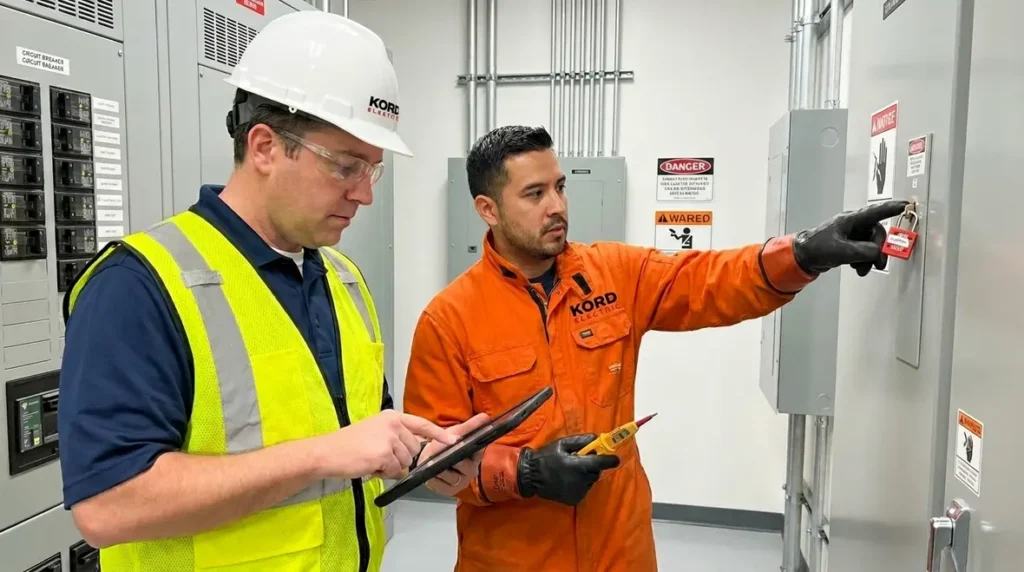
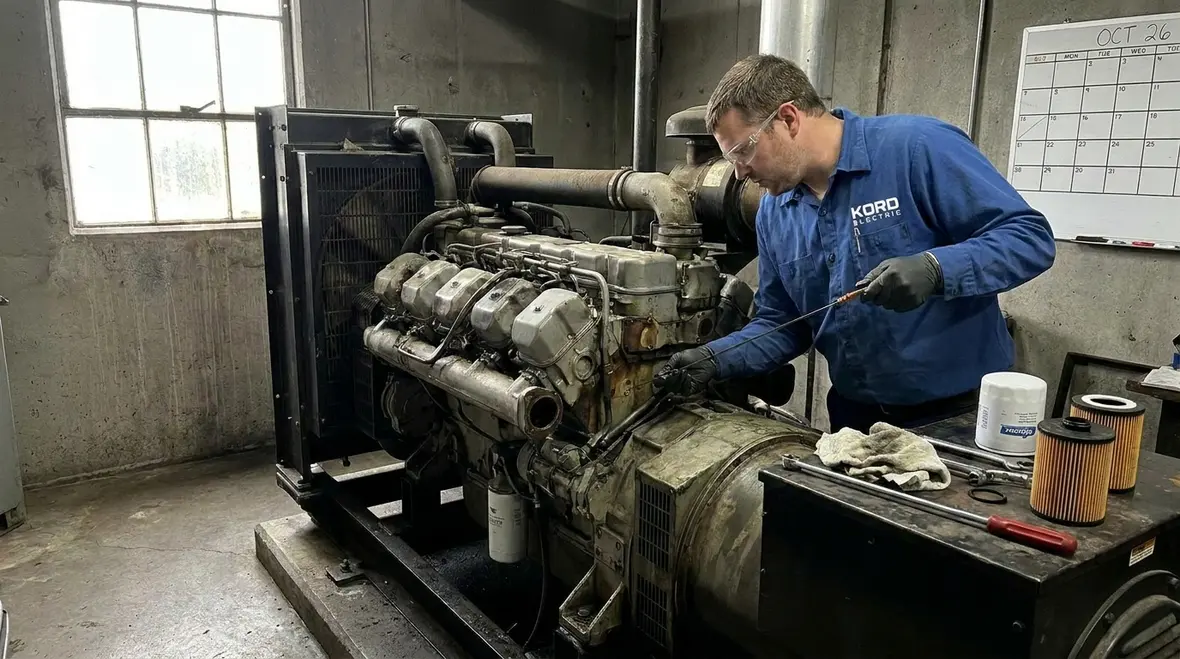
- Engine inspection and service: We check oil condition, filter condition, coolant levels, and belts or hoses where applicable. We also verify correct operating temperature ranges.
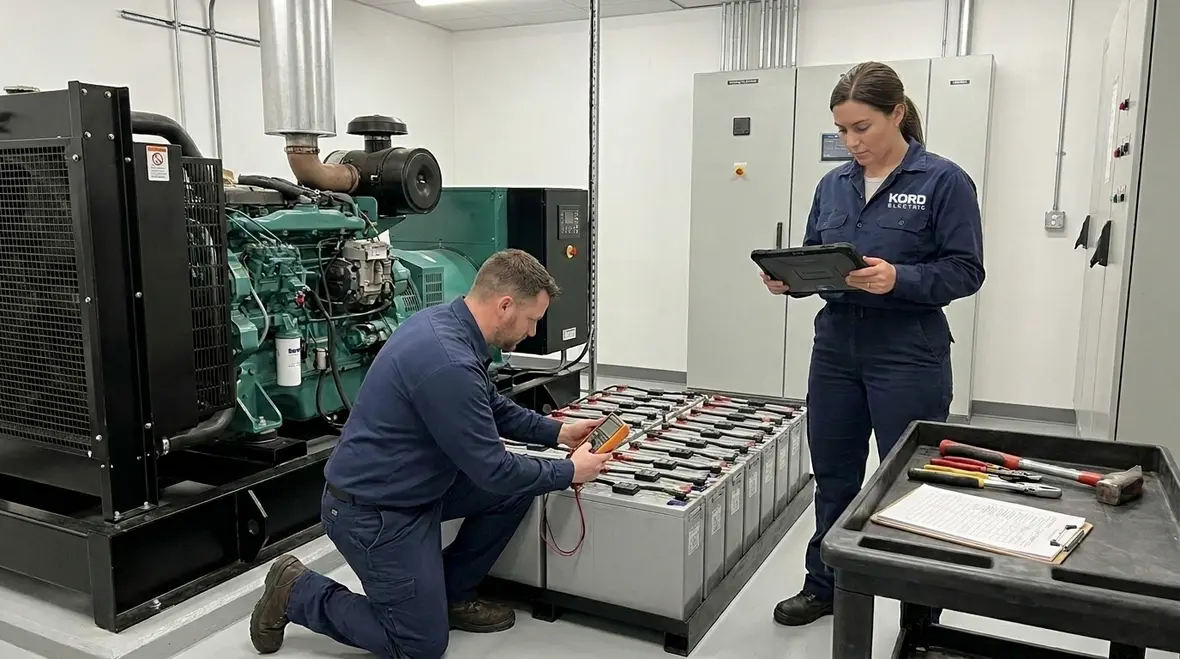
- Battery testing and charging checks: Batteries fail quietly. We test capacity and charging performance, then we replace before performance drops.
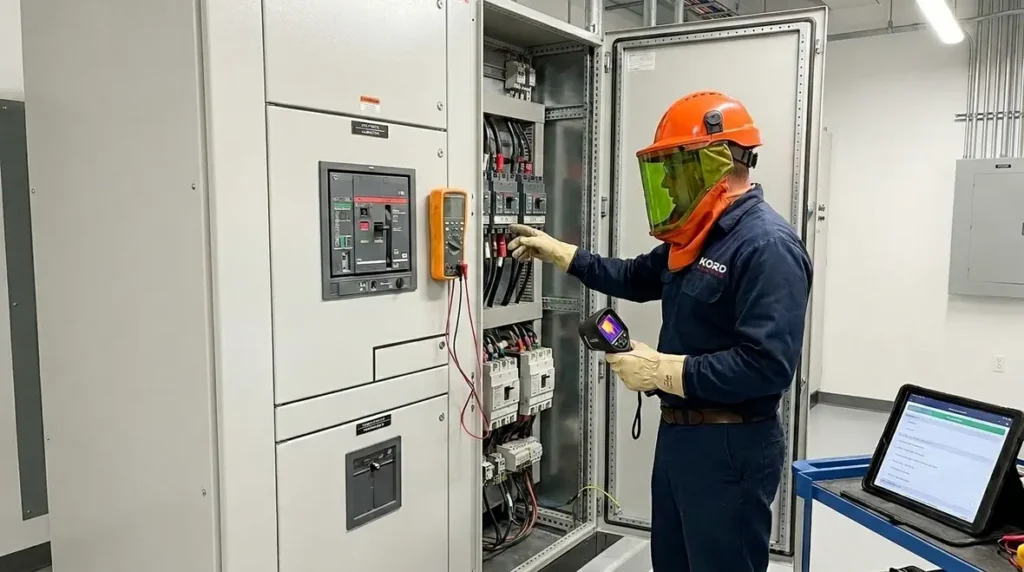
- Transfer switch verification: We test that the ATS operates on demand, switches load cleanly, and returns properly. We also inspect contact condition and control logic.
- Fuel system management: We confirm fuel quality, look at storage conditions, and verify delivery components. We address contamination risks and aging.
- Load bank or load testing: We test under controlled load conditions so the generator proves it can carry real demand. Yes, “idle testing” can be misleading.
And because commercial and industrial environments demand uptime, we plan outages for maintenance around facility schedules. We coordinate with facility managers, operations leads, and building controls staff. That reduces disruption and keeps everyone focused on the real goal: dependable power when the grid does not cooperate.
For facilities with data rooms, process controls, or full data centers onsite, those same principles align with what we use in our data center electrical maintenance checklist. Coordinated testing and clear reporting make it easier for teams to understand how their standby systems behave under real demand, not just in theory.
Fuel, Batteries, and the Stuff Nobody Wants to Talk About
In practice, fuel and batteries cause more “near misses” than most people expect. They do not look dramatic until the moment they matter. Then it is too late to negotiate with chemistry.
For fuel, we treat storage like a safety system. We verify tank levels and check for issues such as water intrusion, sediment, or degraded fuel. Over time, fuel can lose stability, and additives may not last as long as people assume. Therefore, our technicians review fuel maintenance steps and recommend corrective actions when needed. We also consider consumption patterns so the system does not sit with stale fuel while pretending everything is fine.
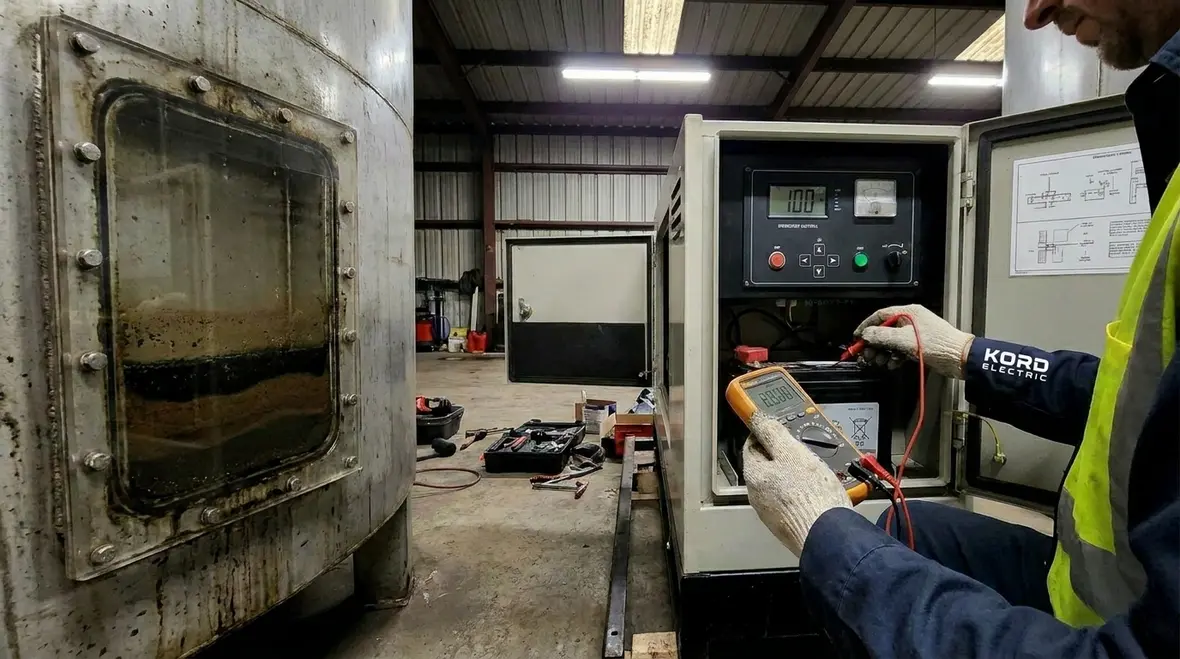
Batteries also deserve attention. A generator can be mechanically perfect and still fail if the start power cannot spin the engine reliably. We test battery health, examine connections for corrosion, and confirm that charging equipment performs within expected ranges. After that, we verify that the controls respond correctly to start and stop commands.
At Kord Electric, we also pay attention to the “in between” items: cable routing, terminations, and control panels. Small loosening can create big alarms, and alarms can create big headaches. If a facility runs critical processes, that is not a fun trade. It is a business risk.
We also look at how these quiet risk points interact with the rest of the electrical system. For example, if fuel and battery issues combine with weak labeling or unclear panel schedules, even a simple alarm response can turn into a scavenger hunt. That is why we connect our generator work with broader improvements, including the electrical panel labeling best practices we recommend for commercial and industrial facilities.
Testing and Load Verification That Stays Honest
Businesses sometimes run tests that sound good on paper and fail in real-world demand. That is why we build testing around load and performance, not just startups. A start is only the first chapter. What matters is whether the generator supports the facility when the switch truly transfers.
We confirm test conditions before any load verification begins. We consider the facility’s critical loads, electrical configuration, and safety requirements. Then, when we conduct load bank testing or equivalent verification, we observe behavior across the operating window.
During testing, our technicians track key performance indicators like voltage regulation, frequency stability, exhaust temperature behavior, and engine response. We also watch for instability in the transfer sequence. If a transfer switch transitions at the wrong moment or in the wrong way, sensitive equipment can see trouble even if the generator “started.” That is why we verify the entire sequence, not just the engine.
After testing, we deliver clear results. We explain what we found, what it means for reliability, and what should happen next. Our experienced service staff take time to explain in plain terms, because facility teams already carry enough pressure. The goal is confidence, not mystery.
Documentation, Monitoring, and Training for Operations Teams
Even the best equipment will underperform if the facility team does not know how to respond. Therefore, Kord Electric helps commercial and industrial clients set up maintenance documentation and operational awareness. We review test logs, service history, alarms, and control settings so the next shift does not start from zero.
Monitoring systems can alert staff, yet alerts only help if someone acts on them. We recommend practical workflows: who receives alarms, how they escalate, and what the immediate checks should be. When a control panel throws a warning, we want your team to know what to do in the first minutes, not after the third email chain.
Training matters too. Our technicians walk through safe response steps, basic reading of control indicators, and how to interpret common alarms. We keep it business casual and clear, with just enough humor to stop fear from taking over. Think of it like a fire drill, but for the equipment that keeps production alive.
In the end, well-run backup power systems need a partnership between service teams and facility operations. That shared ownership improves uptime and reduces downtime surprises.
Emergency Readiness Plan for Major Properties
Commercial and industrial facilities often operate like clockwork until a blackout interrupts the rhythm. Then the emergency response plan becomes the difference between controlled recovery and frantic decision making. Kord Electric supports readiness planning around actual equipment behavior, not generic checklists.
We help others align backup generator operation with site priorities. That includes confirming which loads must transfer, verifying that critical circuits stay powered, and reviewing shutdown or start sequencing where needed. We also coordinate with building systems teams so controls communication stays clear and consistent.
Additionally, we recommend that facilities keep maintenance records and contact information accessible. When an event happens, teams do not want to search for documents while the building runs on adrenaline. If the facility uses remote monitoring, we confirm that alert paths work and that the right people can act quickly.
Pop quiz from the world of reliability: if the plan exists but nobody can find it, does it really exist? Exactly. That is why we encourage practical readiness, not paperwork theater.
For facilities with especially tight uptime requirements, we often connect emergency readiness planning with higher level system reviews, similar to how we approach data center electrical requirements for uptime. The idea is the same: align backup behavior with real priorities, then build training, documentation, and emergency generator maintenance tips that keep everyone ready.
FAQ
Choose Kord Electric for Dependable Backup Power
Reliability is not a slogan for Kord Electric. We serve commercial and industrial facilities that cannot afford surprises, and we maintain emergency generator systems with a steady, documented process. Our experienced service staff inspect the full backup power chain, test performance under realistic demand, and explain results in plain language. If you want a generator that performs when the grid goes quiet, contact us now. We will help you build a maintenance plan that protects uptime, protects people, and protects your budget.
If your facility is ready to move beyond basic testing and into a structured program that keeps generators, transfer switches, and distribution gear aligned, explore our electrical preventive maintenance services. For sites that have already felt the pain of outages, pairing these services with the insights from our article on emergency power failures in commercial buildings will give you a clear roadmap from “we hope it holds” to “we know what it will do.”
Kord Electric supports a full range of commercial and industrial electrical needs, including generator and ATS inspections as part of our Electrical Preventive Maintenance service. If you are ready to tighten up your emergency generator maintenance tips, improve transfer reliability, and integrate backup power into a calm, documented strategy, our team is ready to help.