Industrial Lighting Energy Efficiency Audit Guide
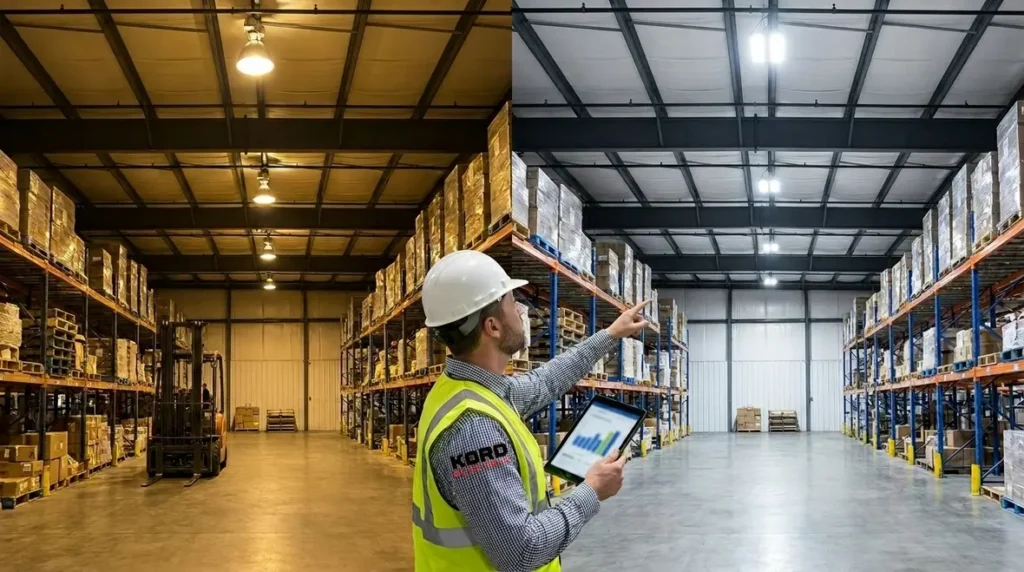
At Kord Electric, we start with an industrial lighting energy efficiency audit that helps our team pinpoint where energy leaks hide in plain sight. We walk industrial facilities and major property buildings with a calm plan, not a frantic checklist. Next, our expert service staff explains what we find, why it matters, and what upgrade steps make the biggest difference. Then we set clear priorities so facility managers can act without guessing. In other words, we replace “hope-based lighting decisions” with a plan grounded in real field data. And if you have ever watched a lights-out movie scene and wondered, “Why does that always work?” Well, lighting upgrades usually do too, just with fewer dramatic entrances.
Why energy efficient lighting matters for industrial facilities
Industrial spaces run on schedules, productivity, and safety. Lighting plays a direct role in all three. When the lighting system wastes power, it drives up utility bills, adds heat to fixtures, and can shorten equipment life. As a result, operators feel the squeeze in both cost and comfort. Meanwhile, outdated controls can keep lights on longer than needed, even when parts of the building sit idle.
Moreover, inefficient lighting can increase maintenance work. If lamps burn out early or ballasts fail, staff must replace parts more often. Then downtime shows up where nobody wants it: on the factory floor, in storage bays, or along loading areas. We keep the focus on commercial and industrial facilities, and we build upgrades around how these spaces actually operate, not how a brochure thinks they operate.
To be clear, better lighting does not just mean brighter. It means smarter. It means lighting that matches use patterns and meets visual needs without turning your electrical system into a space heater.
How we audit industrial lighting energy use, step by step
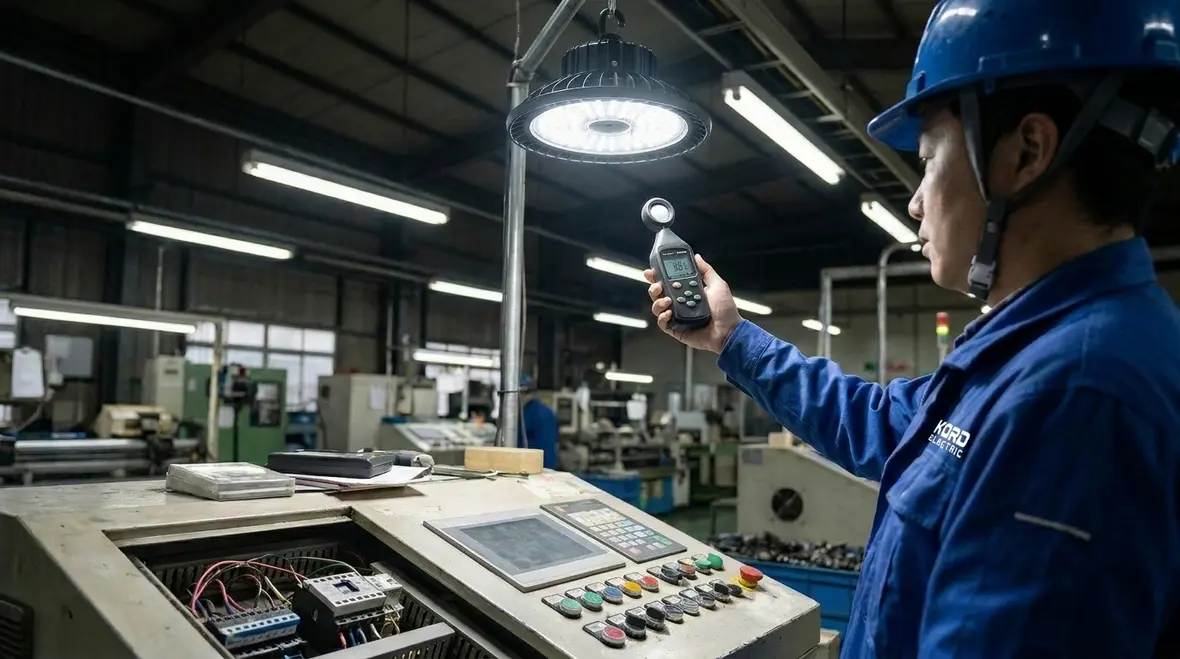
Our process starts with what matters most: measurements and observations. First, our technicians review the current lighting layout, fixture types, lamp life, and control components. Next, we gather electrical data like load patterns and circuit behavior so we can see how power flows across the building. Then we evaluate lighting output in key areas, because “energy use” alone does not tell the whole story.
After that, we test how lighting behaves during real operating conditions. For example, we look at shift schedules, occupancy patterns, and daylight contributions near windows or skylights. If the building has motion sensors, time clocks, photocells, or building automation tie-ins, we check how those devices perform in the field. Sometimes controls work on paper, and sometimes they behave like a sleepy intern. We identify both.
Finally, we compare the existing system to practical upgrade options, including LED fixtures, driver and optics improvements, and control upgrades. Because every facility has different risk tolerance and shutdown windows, we focus on phased approaches that keep operations moving.
Connecting audits with broader electrical reliability
Lighting rarely lives on an island. The same circuits that serve your task lighting may share panels with process equipment, HVAC, or even data systems. That is why we treat the industrial lighting energy efficiency audit as part of a bigger electrical reliability story, not just a bulb swap. When needed, we coordinate findings with broader infrastructure planning, similar to how we approach complex power systems in our data center electrical infrastructure essentials work for commercial and industrial clients.
What equipment data we collect during the facility walk
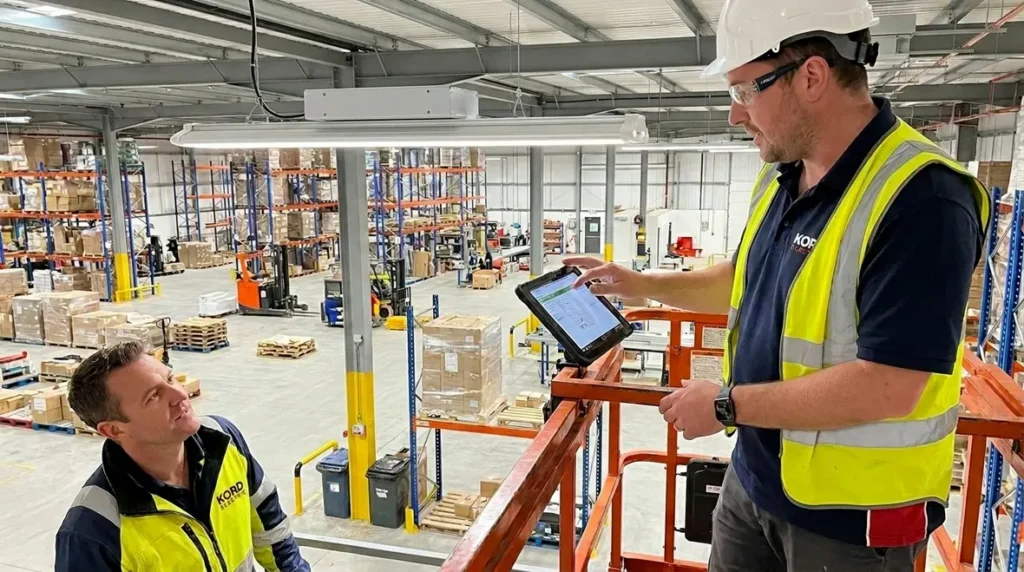
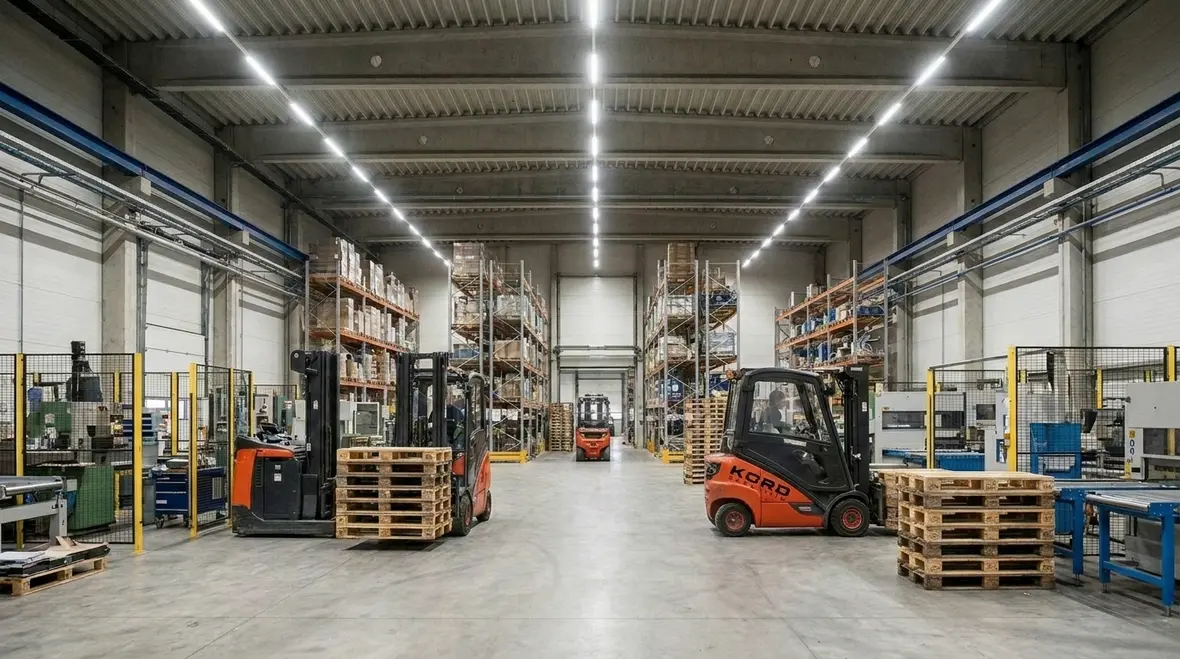
During the walk-through, our service staff captures details that help us predict performance and cost. We do not just take photos and move on. We verify fixture condition, ballast or driver types, and whether controls serve the way the space uses energy. We also log replacement history when available, because repeated failures can point to wiring issues, voltage problems, or mismatch between fixture design and application.
In addition, we assess reflectance conditions in the space. Surfaces, coatings, and dust levels influence how well light spreads. Therefore, an upgrade can look good on a test bench and fall short in a high-dust environment unless we account for maintenance cycles and optics choices.
We also check emergency lighting and egress lighting requirements. These parts of a system demand careful planning so we avoid compliance gaps and keep safety dependable.
And yes, we ask questions. Not to be nosy, but to understand how the facility truly runs. If an area stays empty during certain hours, then the lighting plan should reflect that reality.
Translating raw data into practical decisions
Collecting data is only half the story. We organize it so facility managers can see clear links between fixture types, maintenance history, and energy waste. Instead of handing over a pile of notes, we translate those details into decisions like “which fixtures go first,” “where controls will have the most impact,” and “what sequence keeps operations protected while upgrades roll out.
Lighting controls and controls tuning that cut waste fast
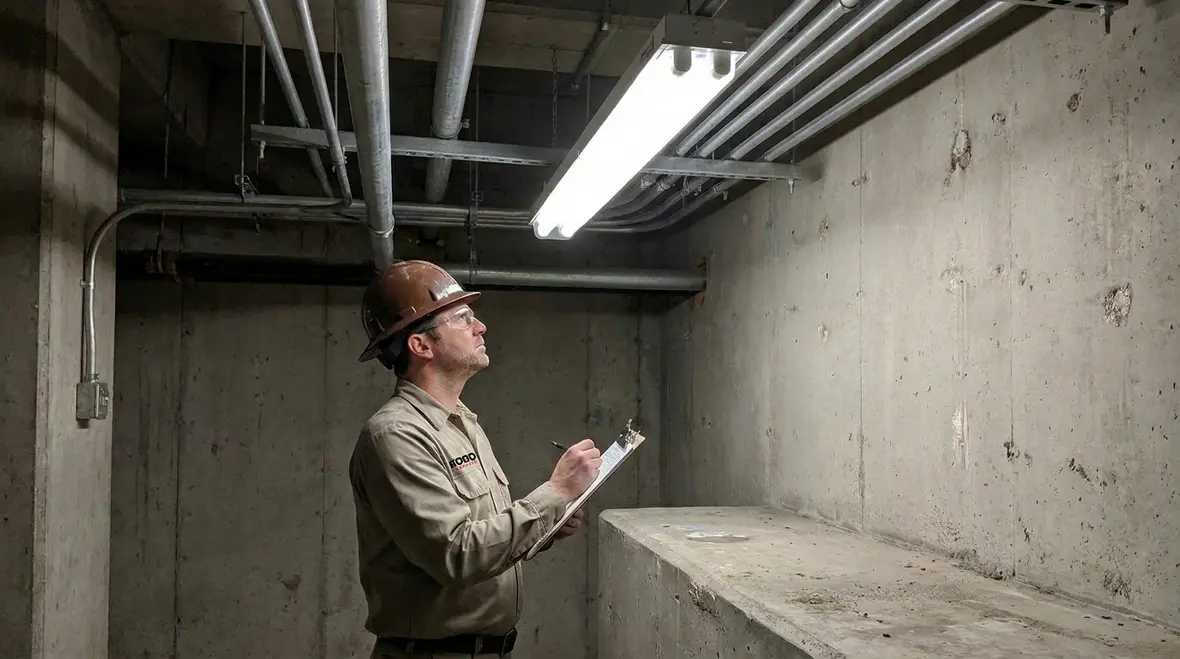
Upgrading fixtures saves energy, but controls often protect that savings. When controls miss the mark, lights can run longer than they should. That is why we look closely at dimming strategies, occupancy sensing placement, and time schedules. We also confirm that control zones align with how people and vehicles move through the space.
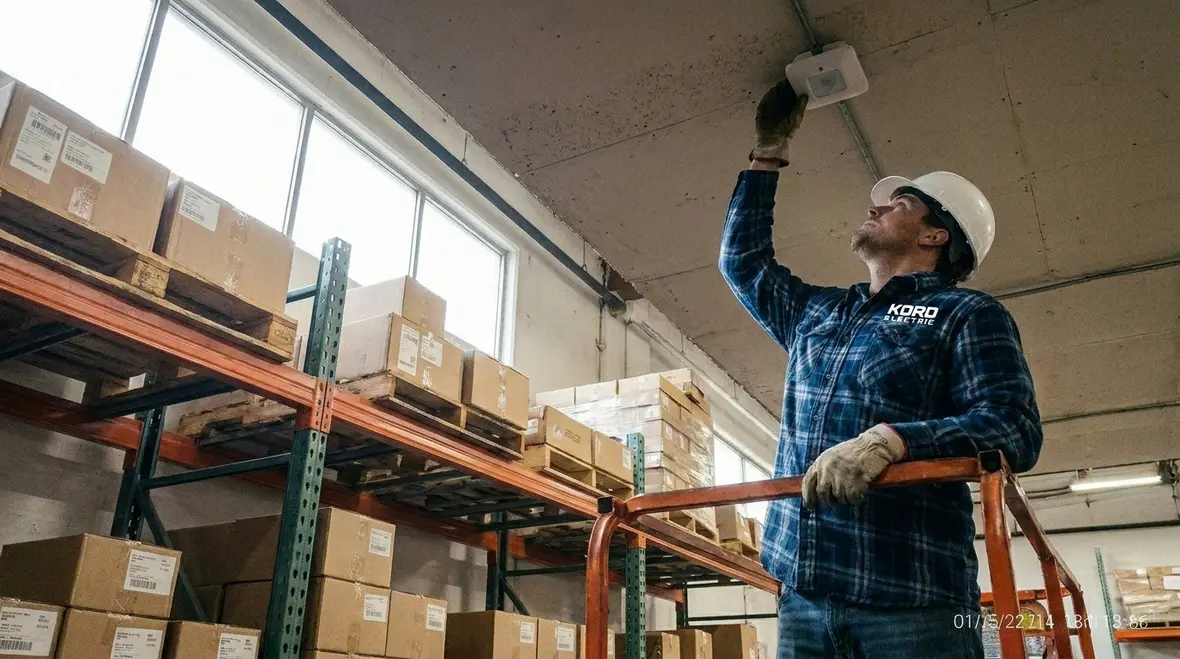
For industrial environments, we often recommend upgrades that support task needs while still reducing overall runtime. For instance, in warehouses and storage areas, properly zoned occupancy controls can avoid lighting empty aisles. In offices and support areas, daylight harvesting can reduce power draw near windows when sunlight helps. Meanwhile, dimming can keep lighting stable during shifts without pushing the system to full output all day.
Just like a DJ mixes tracks, controls tuning needs the right settings. If a sensor sees motion too quickly, lights may bounce on and off. If it waits too long, workers feel the drop in visibility and complain. Our technicians help facility teams choose settings that match the building’s rhythm, so comfort and savings arrive together.
Examples of fast-return control improvements
In many industrial and major property buildings, some of the fastest returns come from simple adjustments uncovered during an industrial lighting energy efficiency audit. That can include tightening up schedule settings on time clocks, correcting mis-aimed occupancy sensors that stare at open dock doors instead of work zones, and grouping fixtures so that lightly used areas do not stay at full brightness all shift long. These changes rarely require major construction, yet they trim waste that has quietly built up over years.
LED upgrades: picking the right fixtures for real work
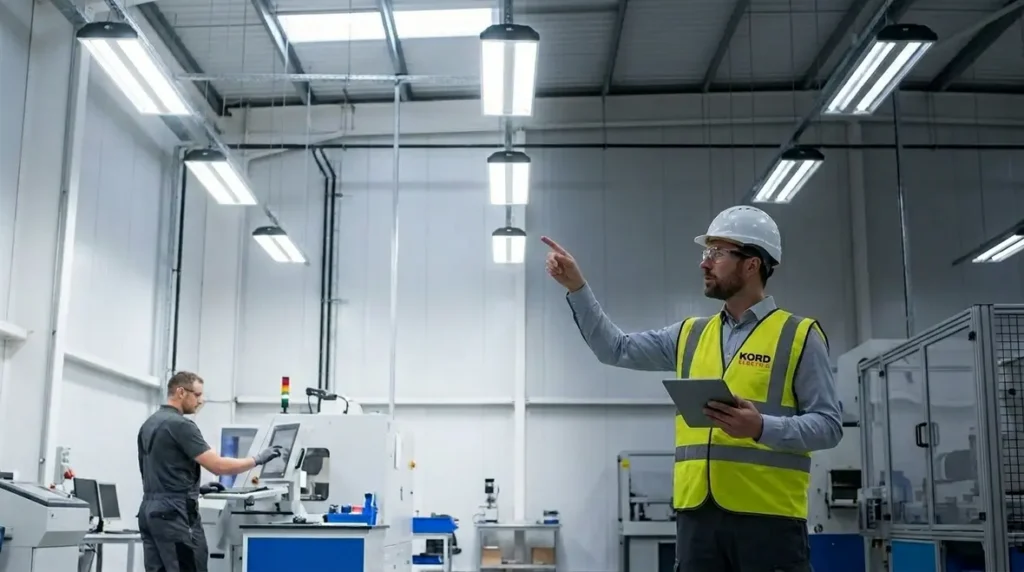
LED upgrades can deliver big gains, but the “right fixture” depends on the application. We help commercial and industrial clients select products based on beam spread, mounting height, glare control, and environmental factors. Then we align the optics with the tasks performed in each area, like assembly, packaging, inspection, or staging.
In addition, we address how heat affects performance. Many industrial spaces run hot, and fixture design impacts how long drivers and components stay reliable. We also consider how dust, moisture, and vibration influence enclosure needs and cleaning schedules.
Then we look at service life in terms that matter to operations. If the facility can only shut down certain areas during short windows, we plan fixture swaps in a way that avoids long disruptions. Our team typically helps coordinate with facility leadership so work stays safe and orderly.
And for those who love a good metaphor, LED is like trading an old, smoky flashlight for a modern light source. It stays steady, lasts longer, and it does not drain energy like it is trying to power a whole concert.
Matching LED upgrades with future plans
When we recommend fixtures, we do it with an eye on the future. If a facility expects to add automation, new lines, or expanded storage, we factor that into the industrial lighting energy efficiency audit results. That way, lighting upgrades can support growth instead of turning into another retrofit three years down the road.
Project planning and ROI that works for facility teams
After we finish the industrial lighting energy efficiency audit, we translate findings into an upgrade plan that can survive real budgets. First, we outline recommended measures and group them by priority. Then we estimate energy savings and align them with expected costs. We also include practical notes on installation impacts, like access constraints and the order of operations.
Next, we present options that match how industrial sites make decisions. Some facilities want to start with the largest energy loads first. Others focus on compliance readiness, safety impacts, or phased upgrades that minimize shutdown risk. Either way, we keep the guidance clear and actionable.
To make planning easier, we highlight where quick wins exist, such as control adjustments and lighting circuit optimization. Then we move to larger fixture and system changes. This approach helps teams capture benefits sooner, build confidence, and keep the project moving.
Most importantly, our technicians explain the logic behind each recommendation. We do not hide the why behind technical jargon. We speak in plain terms, then we back it up with the audit data.
Using ROI to build leadership buy-in
Lighting upgrades compete with many other capital priorities. That is why our reports connect the dots between reduced utility costs, fewer emergency repairs, and better working conditions. When leadership sees how an industrial lighting energy efficiency audit supports reliability goals they already care about, buy-in becomes much easier.
Dual review of utility costs and lighting performance
To keep the upgrade plan grounded, Kord Electric runs a dual review that connects electrical performance with lighting outcomes. In one column, we track energy drivers like connected load, runtime, and control behavior. In the other, we assess lighting quality by looking at coverage, glare risk, and task suitability. As a result, the facility team sees savings and performance together, not as two separate conversations.
From audit to long-term electrical strategy
For many commercial and industrial properties, lighting audits are a practical starting point for a broader electrical strategy. Once teams see how much control they can regain over lighting loads, it often sparks interest in tuning other systems with similar discipline. That could include service upgrades, critical power review, or even deeper infrastructure planning for specialized spaces like server rooms and data centers.
Frequently asked questions about industrial lighting audits
Ready to tighten up your lighting costs without dimming operations?
If your facility lighting feels stuck in the past, Kord Electric can help you move forward with a practical industrial lighting energy efficiency audit and a clear upgrade path. Our technicians and expert service staff explain findings step by step, so leadership can make confident decisions. Then we plan improvements that protect safety, support tasks, and reduce energy waste in commercial and industrial facilities. Contact us today, and let us turn your lighting system into a smarter, calmer work partner.
If you are already thinking beyond lighting and into broader power reliability, explore how we approach complex systems in our Data Center Electrical Infrastructure Essentials article, or connect with our team about comprehensive industrial electrical upgrades that keep your facilities ready for what comes next.
For facility managers ready to turn audit findings into action, our industrial and commercial electrical services are designed to take projects from concept through safe, code-compliant installation. Whether you are coordinating a single-building lighting retrofit or a multi-site program, our team helps align scope, schedule, and budget so your energy efficiency goals stay realistic and achievable.
When you are ready to move from “we should do something about those lights” to an actual, staged plan, Kord Electric is here to help you map it out, execute it safely, and keep your operation running with fewer surprises along the way.