Industrial Lighting Retrofit ROI for Safety and Efficiency
Industrial Lighting Retrofit ROI That Improves Safety and Efficiency
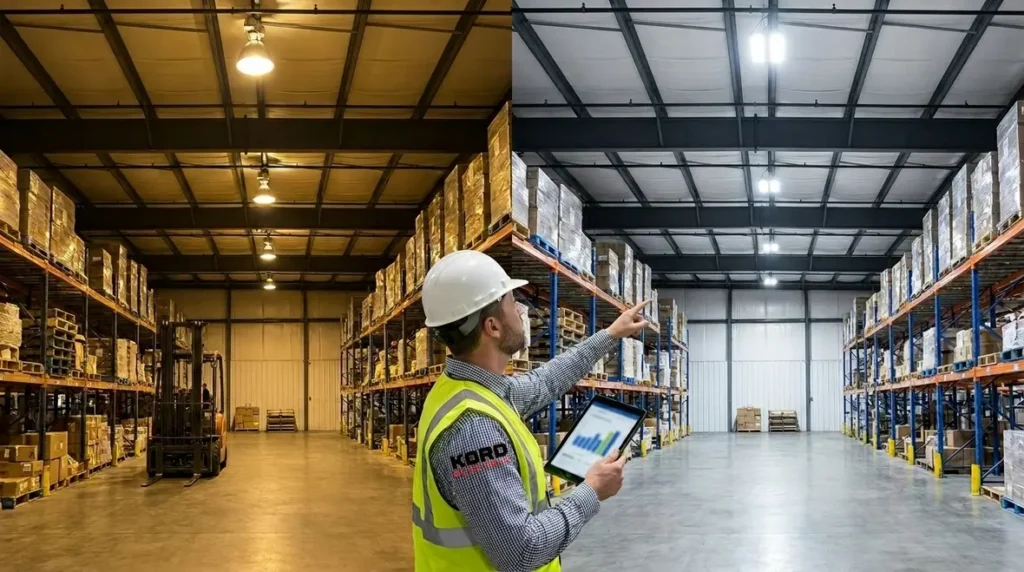
At Kord Electric, we have seen how industrial lighting retrofit ROI can shift a facility from “we hope this keeps working” to “we know what this costs and what it saves.” In many commercial and industrial spaces, the right retrofit reduces energy spend, improves visibility for safer operations, and extends the life of lighting assets. And yes, fewer burned-out lamps means fewer late-night calls. Our team guides those decisions with clear numbers, practical site visits, and expert explanations you can understand the first time. While other contractors may sell fixtures, we help others plan a lighting system that performs under real working conditions.
Here’s the part most people skip: the financial impact is not only in the electric bill. It also shows up in safety outcomes, maintenance labor, downtime, and even how smoothly shifts run. Therefore, we focus on the full picture, not just the purchase price of new fixtures.
Why industrial lighting upgrades create real, measurable financial gains
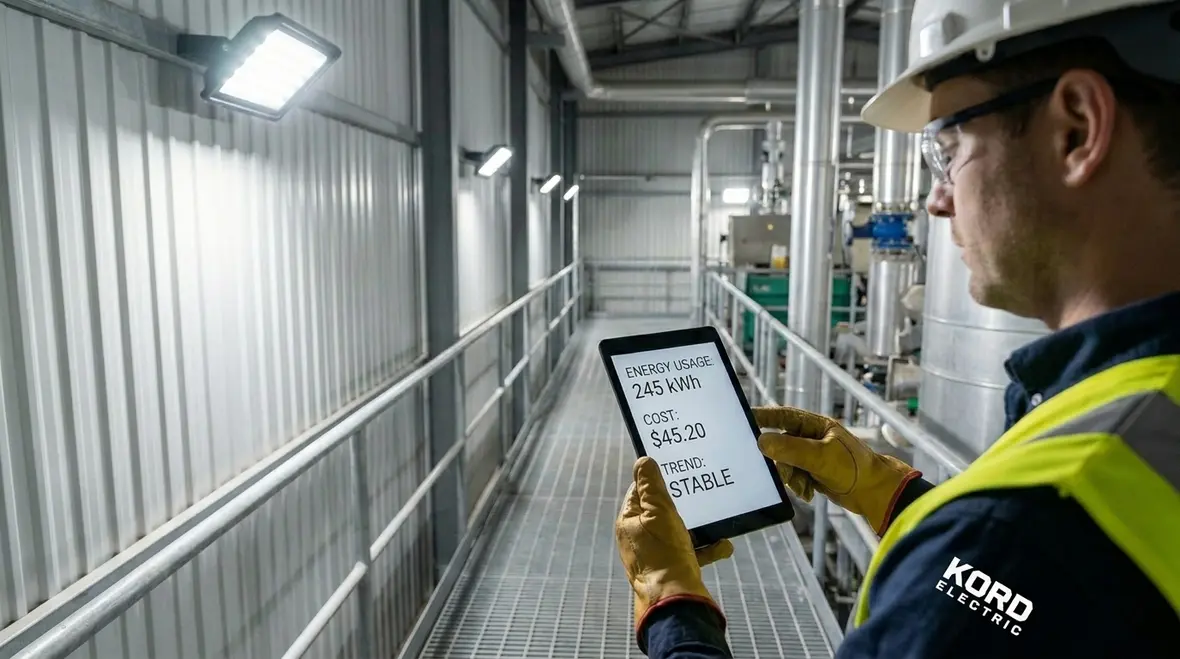
When industrial spaces invest in lighting, they usually start with brightness. However, the smarter goal is consistent light where people work, where machinery runs, and where hazards hide. Over time, outdated lighting creates a slow drain on budgets. Dim areas force workers to compensate. Meanwhile, operators often replace lamps more frequently. As a result, labor costs rise and maintenance planning gets messy.
In our experience at Kord Electric, the industrial lighting retrofit ROI improves because modern systems reduce energy use and cut maintenance needs. Yet we do not stop there. We also evaluate controls, lumen maintenance, and fixture performance in dust, vibration, and temperature swings. Those details matter because a “bright” upgrade on paper can underperform in the real world. Our technicians and expert service staff explain what changes on site, what they measure, and why it affects your monthly costs.
To make it tangible, think of lighting like HVAC for vision. If it fails, the whole facility feels it. And nobody wants to run a plant like it is living in a spotlight from a bad theater show.
Safety improvements that cut risk and costs
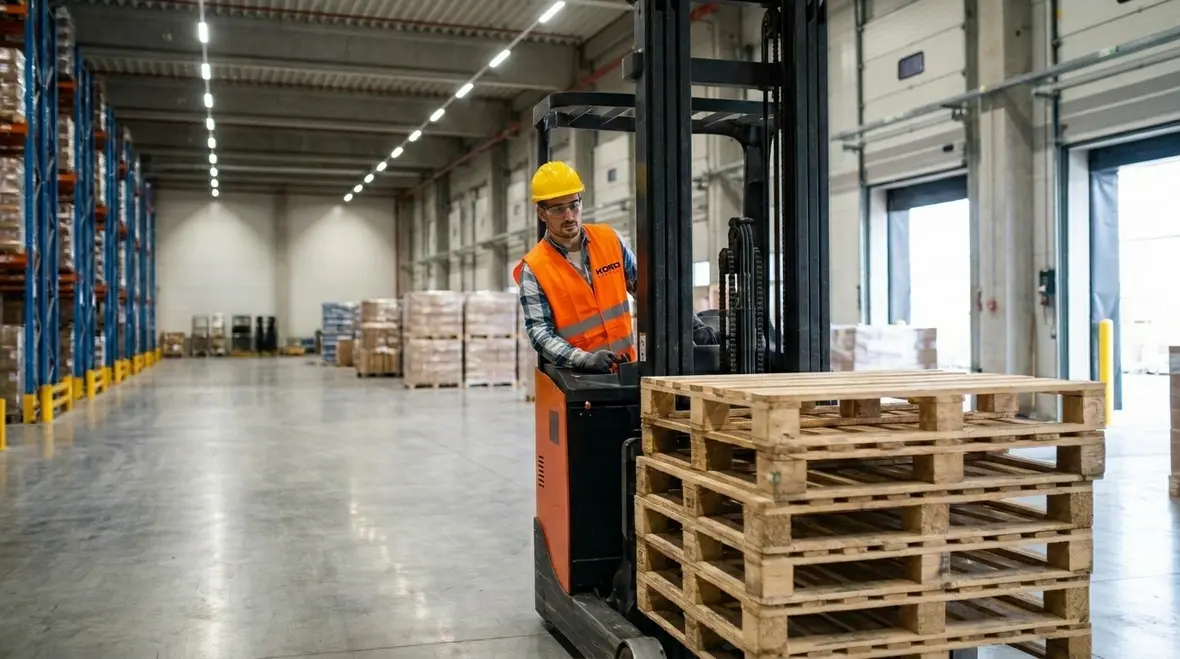
Safety is not a feel good poster. It ties directly to cost. Poor lighting increases slips, trips, misreads, and errors around forklifts, conveyors, loading docks, and stairs. Then incidents cost time, insurance, investigations, and sometimes downtime. Therefore, the right lighting level supports safer movement and better task visibility.
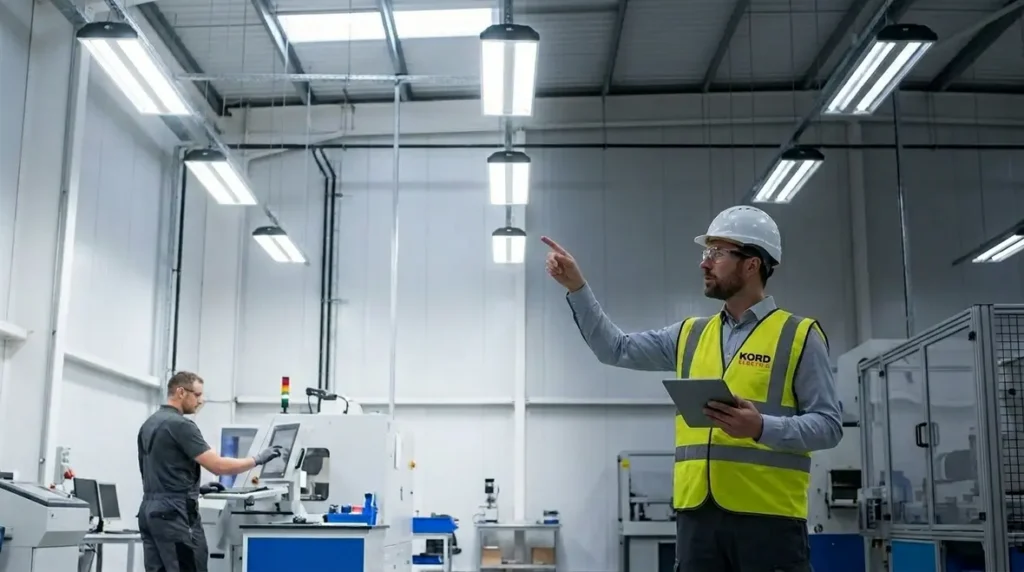
During assessments, our team looks at key zones such as access ways, workstations, and outdoor approaches. We also consider glare and color rendering. Good color clarity helps workers identify labels, check equipment indicators, and confirm product conditions. Meanwhile, reduced glare supports comfort and focus across long shifts. When light quality improves, operations stabilize, and supervisors spend less time dealing with avoidable mistakes.
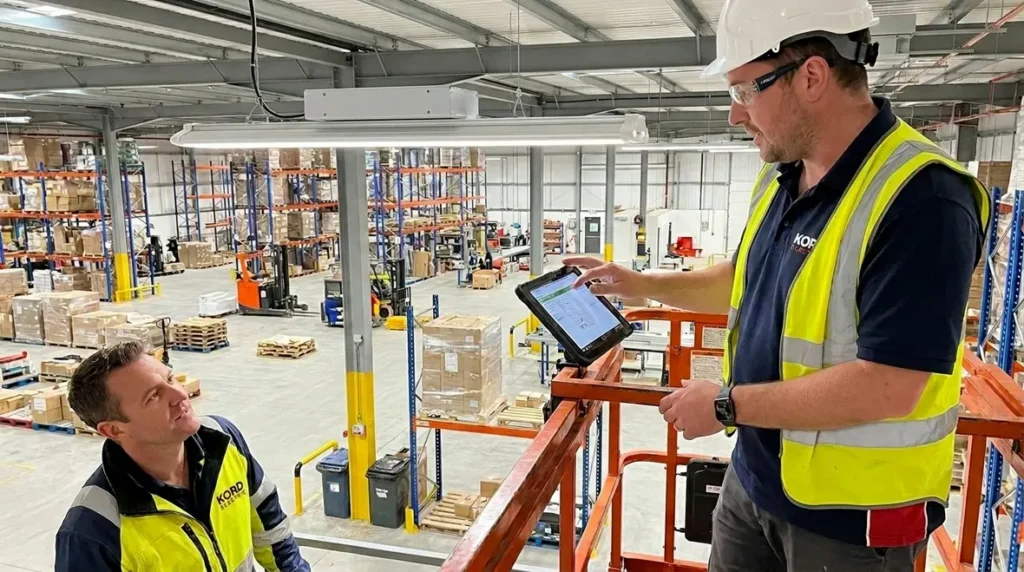
Our technicians explain these safety links in plain terms. For instance, they show how a photometric plan maps to real locations on your floor. That way, others can connect “better light” to “fewer interruptions and safer outcomes.” It is like turning on the lights before the problem walks in wearing a hard hat.
Maintenance and downtime: the often forgotten money leak
Old lighting systems fail in ways that do not always show up on the electric bill. Lumen drop happens slowly. Ballasts wear out. Drivers drift. In some facilities, technicians can only access fixtures during shutdown windows. Then each repair becomes a coordination event across safety permits, work crews, and production schedules.
Modern industrial lighting retrofit ROI improves when maintenance effort drops. That often comes from longer fixture life, better thermal design, and more reliable components. Additionally, controls can reduce runtime during non peak periods. As a result, lights do not burn at full intensity when the space does not need it.
At Kord Electric, we also help commercial and industrial facilities plan the implementation process. We schedule work so production keeps moving as much as possible. We explain the sequence, what gets isolated, and how we protect your operations. Our service staff does not treat this like a quick swap and goodbye. Instead, we run it like a project that respects uptime, safety rules, and real constraints.
Yes, downtime is expensive. But it also tends to be avoidable when the lighting plan fits your facility workflow.

Energy savings: the part everyone notices first
Electricity costs rise, and in many facilities, lighting is one of the most controllable line items. Replacing aging systems with energy efficient fixtures can cut usage significantly. Yet the best results come from matching the retrofit to your duty cycle. Lights that stay on at full output during idle hours will not deliver maximum savings.
Therefore, we evaluate controls such as occupancy sensors, daylight harvesting where possible, and time schedules aligned to shift patterns. In many industrial settings, the retrofit delivers better performance when the facility uses these controls rather than treating lighting like an always on switch.
Our technicians then validate outcomes after installation. We walk through expected reductions and how they relate to your actual operating schedules. Because what matters is not only “watts saved” but how those savings reflect the way your team works. And if anyone asks for a simple answer, we provide one. We just make sure it is accurate, not inspirational.
Controls, layout, and compliance that protect long term performance
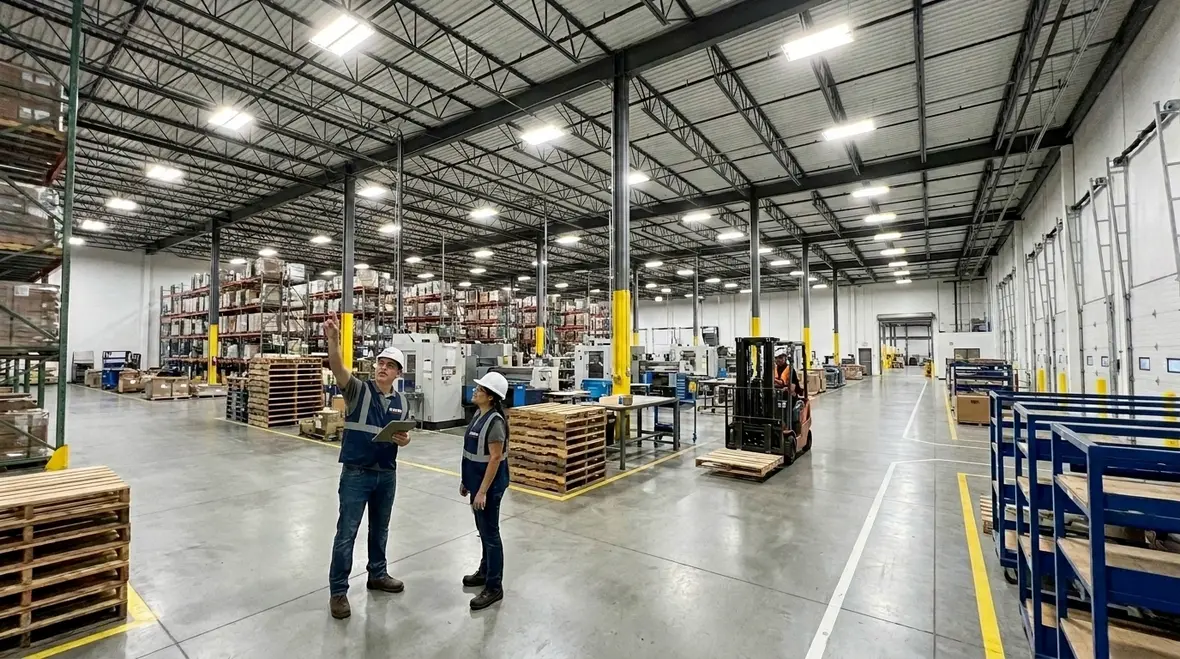
Lighting upgrades can look straightforward, but long term success depends on design choices. We consider fixture placement, mounting height, beam spread, and the need to avoid dark corridors and overlit hot spots. We also account for reflectance in ceilings and walls, since that influences how light spreads across surfaces.
Controls add another layer of value. Dimming features can reduce energy while maintaining usable light levels. Additionally, step dimming supports transitions during shift changes. We also consider maintenance access so future servicing stays practical. Finally, we align systems with the needs of commercial and industrial facilities and major property buildings, not with one size fits all assumptions.
In other words, the retrofit should keep working when your site conditions change. Our expert service staff explains the logic behind these choices, and they show how each design element supports performance goals. If you are wondering whether controls will behave well in real operations, we help you plan for it early instead of guessing later.
For facilities focused on compliance and long-term resilience, integrating lighting with broader electrical preventive maintenance programs can further strengthen industrial lighting retrofit ROI and keep systems aligned with evolving codes.
How we guide the retrofit process and support your decision
At Kord Electric, we approach lighting retrofits as a decision support project, not a product drop. First, we review your current system, operating schedules, and lighting distribution. Then we assess risk areas where poor lighting affects safety and productivity. Next, we help others model and understand industrial lighting retrofit ROI using practical inputs, so budgets and leadership can make confident choices.
During installation, we manage work sequencing to protect uptime. We also communicate with your team so the upgrade stays smooth and predictable. After completion, we verify results and explain the operation of controls. That matters because even a great system can disappoint if it is not used correctly.
And yes, we answer questions. A lot of questions. Some people ask about glare, some ask about maintenance access, and some ask if the lighting will “feel different” on day one. Our technicians respond with clear explanations, and we keep the process calm, thorough, and professional.
For facilities planning broader modernization, we often coordinate lighting work alongside lighting installation services and other electrical upgrades, so projects stay aligned and you capture the full benefit of each improvement.
FAQ
What to ask your team before signing a retrofit contract
If you want a retrofit that truly supports financial results, ask how the plan matches your facility. Specifically, confirm how they evaluate light levels, glare, task needs, and control strategies. Also ask whether they account for your maintenance access and production windows. A contractor who only discusses fixture specs might miss the operational details that drive industrial lighting retrofit ROI.
Then request clarity on measurement and verification. You should know what will change after installation and how you will confirm performance. Finally, ask about ongoing support. Others do not always plan for the next question, but lighting systems do evolve with operations. When the facility changes shift patterns, you want a team that can help adjust schedules and expectations.
At Kord Electric, we encourage these questions. We believe better answers lead to better outcomes, and nobody wins when the retrofit feels like a surprise party nobody asked for.
Ready to improve safety, cut energy use, and protect uptime?
If your commercial or industrial facility still runs on outdated lighting, it is time to plan a retrofit that pays you back and supports safer operations. Kord Electric works with others to evaluate current conditions, design the right upgrade, and explain each step through clear guidance from our technicians and expert service staff. Contact us today to discuss your lighting goals and schedule an assessment. Let us help you turn your lighting into an asset, not an ongoing expense.
If you are also considering broader electrical reliability improvements, explore how our dedicated lighting installation services and industrial electrical expertise can support your next project from planning through long term maintenance.