Industrial Electrical Surge Protection Solutions
At Kord Electric, we design and install advanced industrial electrical surge protection that helps keep sensitive assets safe in commercial and industrial facilities. Because when lightning, switching events, or utility surges hit, the damage can look “quiet” at first, then show up as failed drives, damaged control boards, and shortened component life. Meanwhile, downtime and repair costs stack up like late invoices.
Still, we do not just sell devices and leave. We send our technicians and expert service staff into the field, explain what they find in plain language, and guide you toward protection that matches your load, your wiring, and your risks. After all, even a smart plant can’t run well when the electronics are taking surprise punches.
Why surges wreck industrial systems, and how we stop it
Surges do not behave like steady power. They arrive fast, with high voltage energy, often in bursts. Furthermore, industrial sites see more disturbance than typical buildings because equipment switches frequently. Motors start and stop. VFDs ramp power. Welders and compressors create sharp transients. And then the utility network or a nearby strike adds its own chaos.
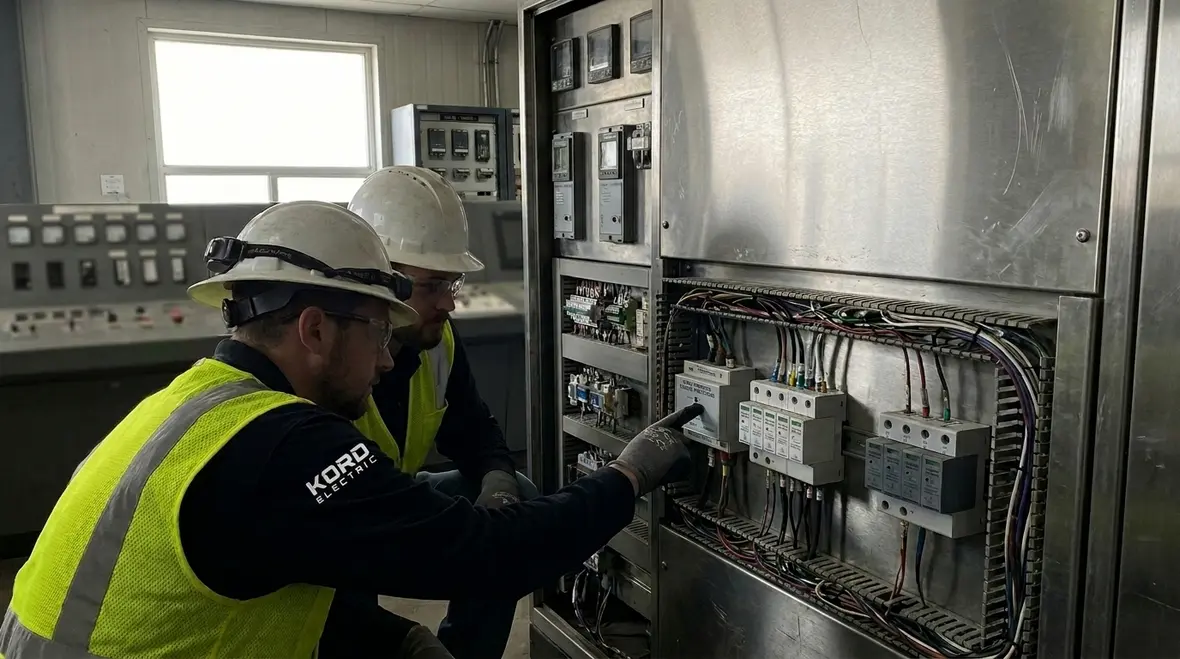
When industrial electrical surge protection is missing or weak, the energy finds the easiest path. That path often runs through sensitive parts like PLCs, HMI screens, sensors, network switches, and power supplies. As a result, you may not lose everything at once. Instead, components degrade in stages. Then, months later, you get “mysterious” trips, intermittent faults, or a control panel that works until it doesn’t.
In many cases, Kord Electric focuses on the whole story: where surges enter, how power travels, and how equipment connects. We treat protection as a system, not a single gadget. Because a single layer without coordination is like bringing one umbrella to a hurricane and calling it a weather plan. It is helpful. It is also not enough.
How layered protection keeps downtime low
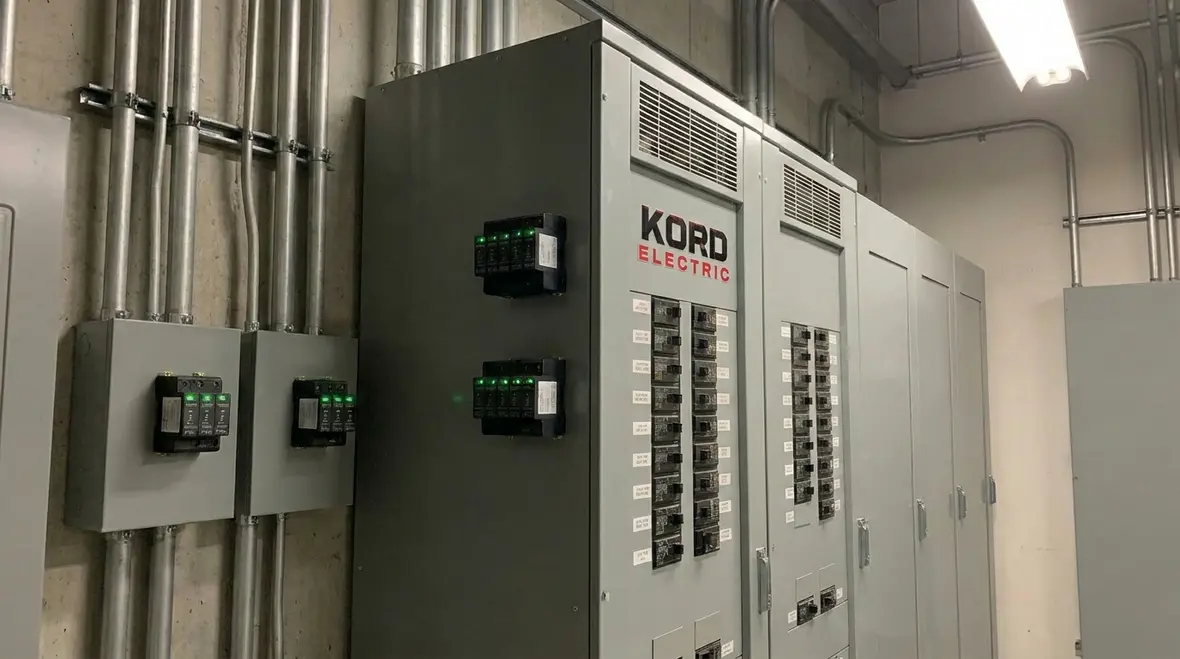
Industrial sites need layered defense. That means we coordinate protection levels across the building so surge energy does not overwhelm one device and travel onward. For example, we may use protection at the service entrance, then additional protection at subpanels and distribution points serving sensitive loads.
Our technicians explain the logic during installation and follow-up. They walk through how energy splits between phases and how it routes through grounding and bonding. Moreover, they describe why coordination matters: if devices are not matched, one layer may clamp too early or too late, causing stress to move downstream.
In practice, layered protection helps reduce the surge voltage seen by equipment. It also improves repeatability, so you get protection that performs during the next event, not just the first time you tested it. Naturally, this supports reliability for the long run, especially for facilities where production cannot pause and staff do not have time for trial-and-error troubleshooting.
Connecting surge protection with long-term maintenance
When we design layered surge protection, we also look ahead to how it will be maintained over years of operation. For many facilities, pairing coordinated surge devices with a structured electrical maintenance program helps keep performance consistent as equipment ages and loads change. Kord Electric’s commercial and industrial electrical maintenance plans fit naturally with surge strategies because they emphasize inspection, documentation, and follow-through instead of one-time installs.
What we inspect on commercial and industrial panels
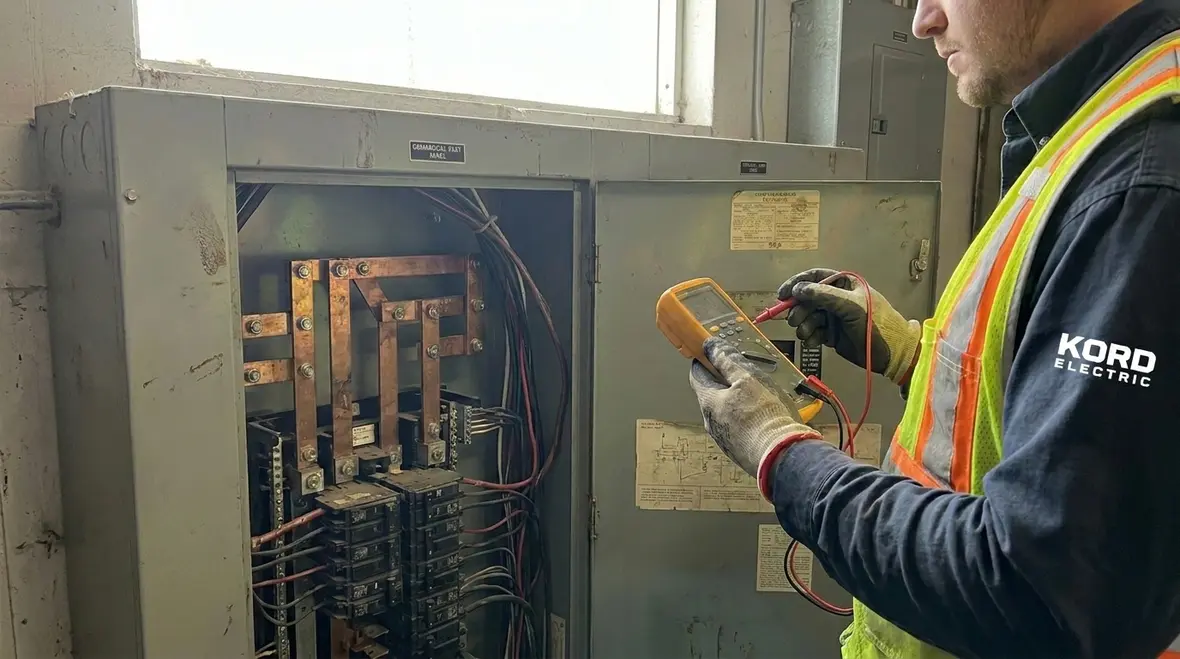
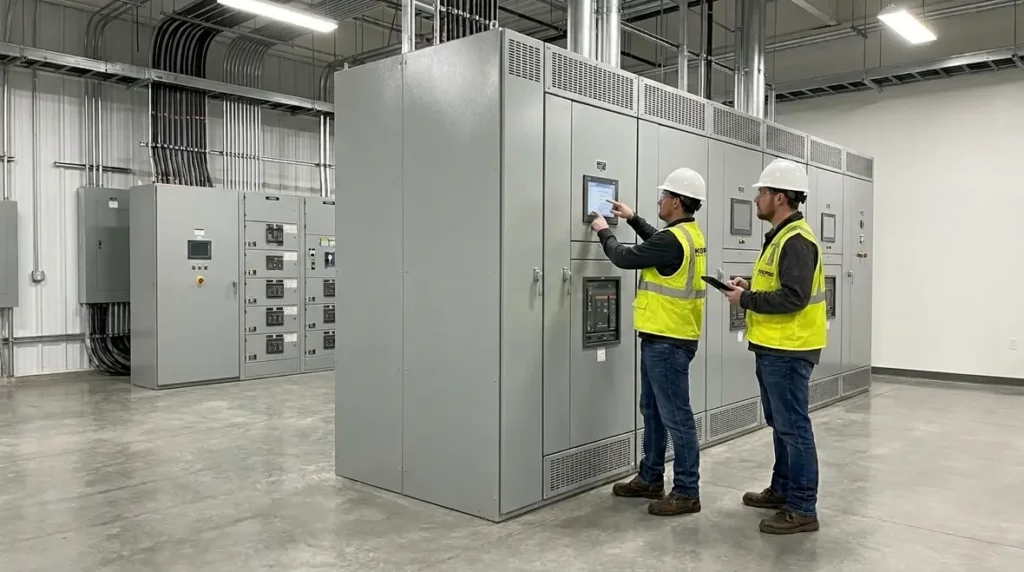
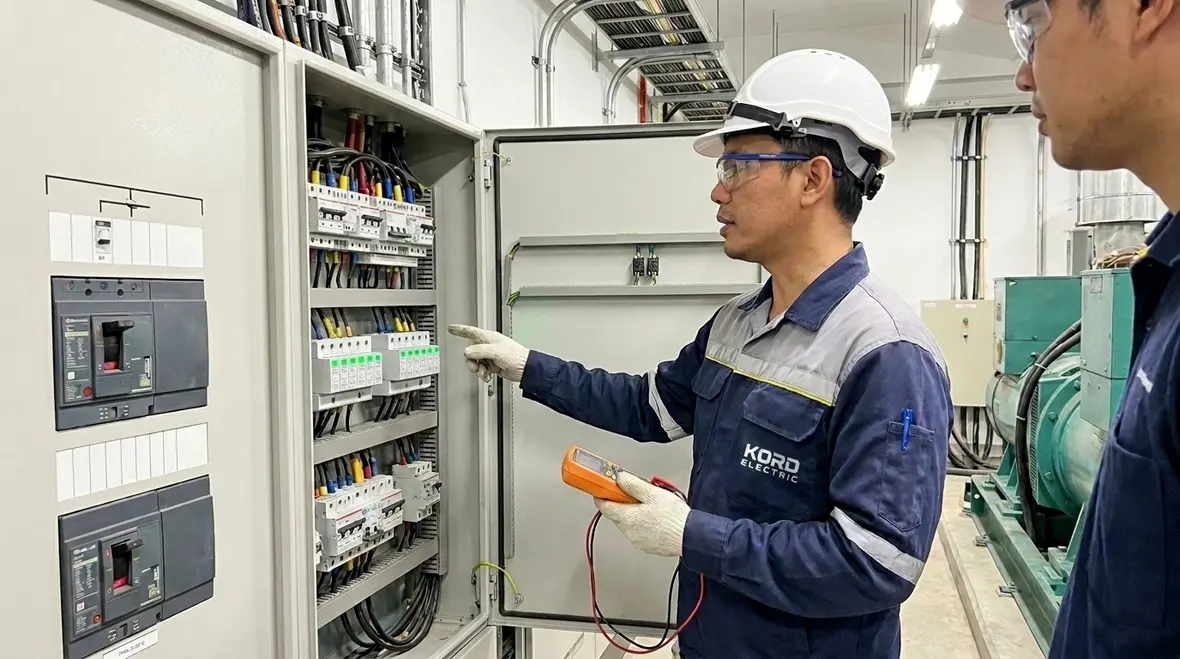
Before we recommend any industrial electrical surge protection plan, we inspect how your facility distributes power. That includes panels, bus configurations, protective devices, conductor sizing, and the grounding path. Then we check the details that most people skip, because those details decide whether the protection system actually works during real events.
Our team also reviews existing wiring practices and equipment connections. We look for loose terminations, missing bonding, inadequate grounding paths, and equipment that sits far from a properly designed reference ground. Additionally, we examine the upstream environment: the utility interface, transfer switches, and whether the building uses transformers or switchgear that changes surge behavior.
Here is the calm truth. Surge protection cannot “fix” bad grounding. It can only protect within the limits of the installation. So, when our expert service staff finds issues, we address them directly as part of the project plan, then we document what changed and why.
From inspection findings to practical upgrades
Once inspections are complete, we translate technical findings into clear recommendations. Sometimes that means relocating surge devices closer to critical loads. Other times it means tightening terminations, correcting conductor routing, or upgrading protective devices so they coordinate properly with your new industrial electrical surge protection. The goal stays the same: a system that behaves predictably when the next surge hits.
Maintenance plans that keep protection effective over time
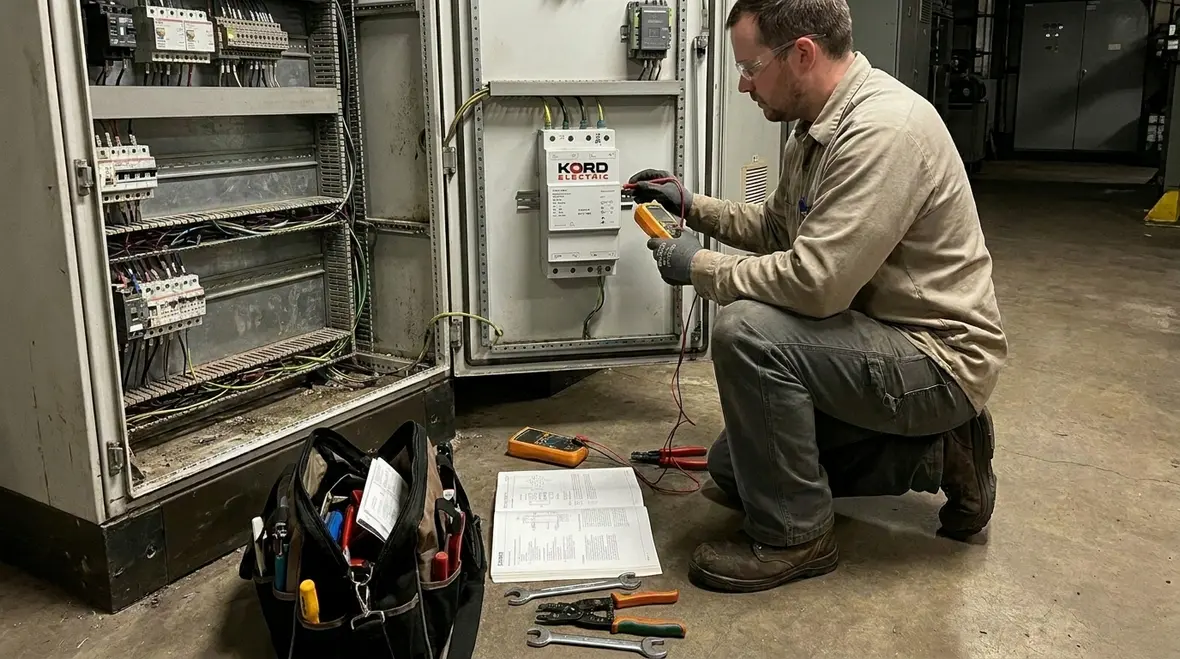
Surge devices are not magic forever. Over time, repeated events can stress components, and inspections confirm whether the installed protection still meets the expected performance. That is why we align with maintenance planning for commercial and industrial electrical systems.
On commercial and industrial electrical maintenance plans, Kord Electric lays out a structured approach that supports reliability and reduces surprise failures. We use scheduled visits and documentation so your facility does not depend on “hope” and a quick reset during a breakdown. If you want a deeper dive into how those plans work, our commercial and industrial electrical maintenance plans article walks through the strategy step by step.
At a practical level, maintenance can include visual checks, operational verification, and reviewing the condition of connected panels and components. We also confirm that the system remains coordinated and that any upgrades to equipment do not outgrow the original protection strategy.
In other words, we help you avoid the classic plot twist: surge protection installed years ago, never checked, then a surge hits and everyone acts shocked. Like finding out your smoke detector batteries expired after the house has already started to smell like a problem.
Why inspections still matter after installation day
Even the best industrial electrical surge protection can drift from its original design intent if other changes happen around it. New machinery, added panels, control upgrades, or generator installations all alter the way surge energy moves through your building. Periodic maintenance visits let us recalibrate the plan so protection remains aligned with the real-world system you are running today, not the version that existed five years ago.
Grounding and bonding: the part everyone underestimates
Strong grounding and bonding help surge energy move safely into the earth without turning your building wiring into the path of least resistance. Additionally, bonding keeps metallic parts at a similar reference potential, which reduces voltage differences that can stress equipment.
When our technicians design industrial electrical surge protection, they consider how current flows during surge events. They review grounding electrode systems, verify conductor sizing, and check connections that can loosen through vibration or installation settling. Then they confirm that bonding points connect correctly across relevant equipment and enclosures.
We also account for facility realities. Some sites have long conduit runs. Others have multiple service points. Still others add new gear over the years, changing where sensitive circuits connect. Therefore, we treat grounding and bonding as ongoing infrastructure, not a one-time checkbox.
For property managers and site leads, the goal is clear. We want protection that works during the next event, not a plan that looks great on paper but fails in real conditions.
How better grounding supports surge protection and power quality
Good grounding and bonding not only help surge energy exit the system, they also support voltage stability, breaker performance, and overall power quality. Facilities that have battled nuisance trips or unexplained equipment resets often discover that correcting grounding issues and tightening up bonding paths dramatically improves both surge behavior and day-to-day reliability.
Choosing the right solution for your building’s risk level
Each commercial or industrial facility faces a different surge risk profile. So we help clients match protection choices to their equipment and operating needs. We consider factors like proximity to utility switching activity, lightning exposure, electrical load patterns, and the types of equipment you rely on daily.
Our expert service staff also considers what you cannot afford to lose. If you run process control systems, you need protection that supports the control layer. If your facility depends on networked equipment, you need coordinated strategies that protect power inputs without creating new failure paths. If you use large motor loads and VFDs, the surge profile changes, and we treat coordination accordingly.
Furthermore, we help facility teams plan upgrades in a sensible order. Instead of replacing everything at once, we focus on high-impact points where surges enter and where sensitive loads connect. Then we document the approach so it stays understandable for future staff. That way, you do not have to reinvent the plan every time someone new starts the job. And we have all seen how that goes. It usually involves a lot of “Wait, who changed this panel?”
Aligning surge protection with other electrical improvements
Surge protection works best when it complements your broader electrical strategy. If you are planning major upgrades, such as lighting modernization or targeted power quality corrections, our team can coordinate industrial electrical surge protection with those projects. For example, facilities addressing voltage fluctuations in commercial and industrial facilities often find that a combined approach to power quality and surge mitigation delivers stronger results than tackling either issue alone.
FAQ: Industrial surge protection for commercial and industrial facilities
Final call: protect assets before the next event hits
If you manage a commercial or industrial facility, you cannot afford “maybe it will be fine” electrical risk. Kord Electric helps you install and maintain industrial electrical surge protection designed for your distribution system, grounding setup, and sensitive equipment. Our technicians and expert service staff explain the findings and guide the next steps without the confusing jargon. Contact us today to review your current electrical layout and build a practical protection plan that supports uptime and reduces expensive surprises.
As you plan the next steps for your facility, remember that surge protection is one piece of a broader reliability strategy. Many clients combine it with structured maintenance and targeted upgrades to lighting, panels, and specialty systems. If you are considering larger improvements, Kord Electric’s dedicated services for complex facilities, including solutions for issues like voltage fluctuations in commercial and industrial facilities, can be integrated into the same roadmap so your protection, power quality, and infrastructure upgrades all pull in the same direction.
When you are ready to move from “we hope nothing goes wrong” to “we have a plan,” our team is here to map out the details. From surge studies and panel inspections to coordinated industrial electrical surge protection and long-term maintenance, Kord Electric builds solutions that match the real demands of commercial and industrial sites—not just the drawings on paper.
If your building is also preparing for other upgrades, such as modern lighting or EV infrastructure, our commercial-focused service lines can be combined with your surge project so crews handle everything in a coordinated way. Explore options like our lighting installation services for commercial and industrial facilities to improve efficiency and visibility while we strengthen your protection against the next big surge.