Commercial Lighting Control System Integration
How Kord Electric Elevates Facility Performance With Commercial Lighting Control System Integration
At Kord Electric, we begin with a simple truth: lighting affects comfort, safety, and energy use, and it does it every single day. That is why our commercial lighting control system integration enters the project early, usually in the same planning meeting where teams discuss occupancy, equipment loads, and building schedules. When we coordinate controls with the facility’s real workflows, the lighting stops acting like it is in a movie montage where everything is always on full blast.
Others might swap fixtures and call it a day, but our approach connects dimming, zoning, scheduling, and sensing into one reliable control strategy. Then our technicians explain the plan in plain language, so building teams know what is happening, why it is happening, and how to keep it running smoothly. And yes, we do it without turning the discussion into a science fair.
Lighting controls that actually run a building, not just the lights
In most commercial and industrial spaces, lighting performance fails for predictable reasons. First, lights stay on longer than they should. Next, zones operate the same way even when occupancy patterns differ. Finally, systems miss maintenance cues, so performance gradually drifts, like a thermostat that decided it hates mornings.
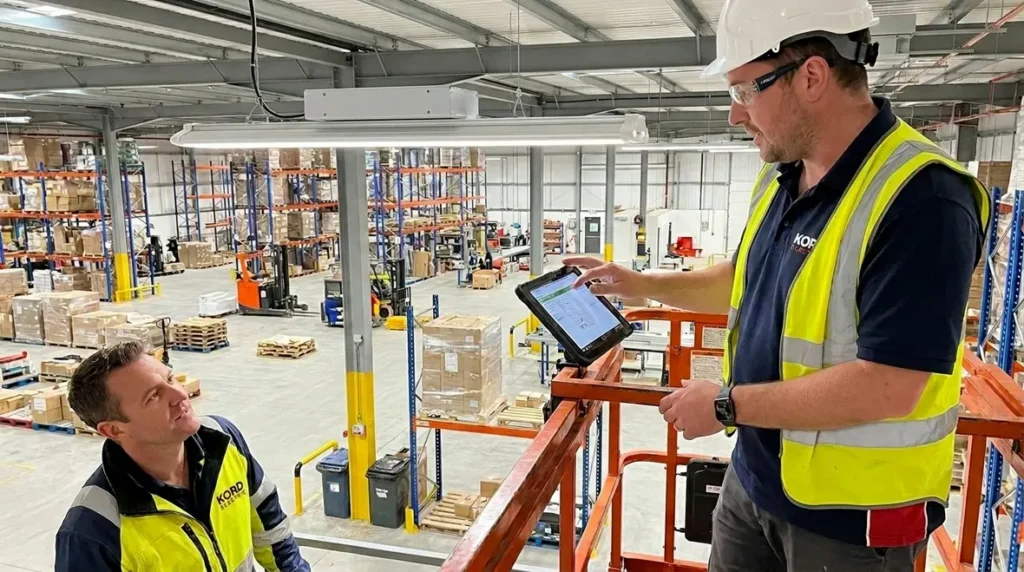
To prevent that, we help facilities map lighting to how people and equipment move through the building. From there, we design integration around three practical layers. We align zones with real areas of use, such as warehouse aisles, corridors, offices, and loading zones. We use schedules that match actual shift patterns, including weekends and staggered operations. Then we add sensing so the system dims or turns off lights when spaces sit idle.
Because controls work best when they match daily life, our expert service staff walks clients through the logic. We show which areas respond to motion or daylight, and we explain what each setting does. This way, facility managers do not need to “guess and hope” like they are reading a fortune cookie made of electrical diagrams.
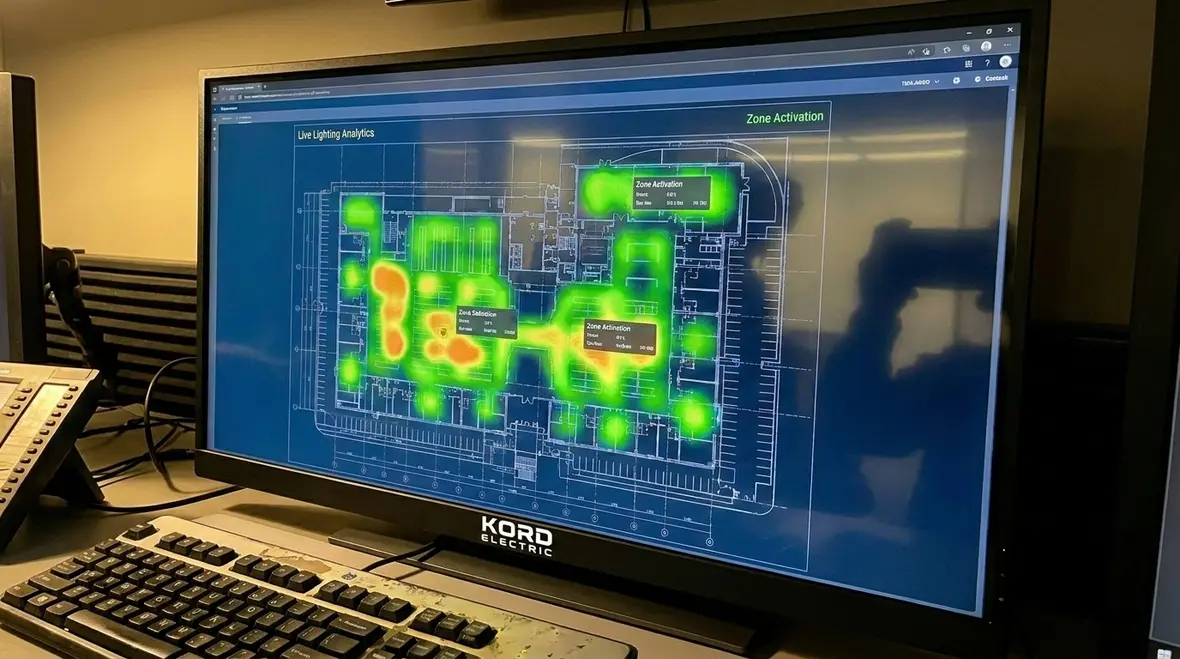
Designing zones for real workflows in commercial and industrial spaces
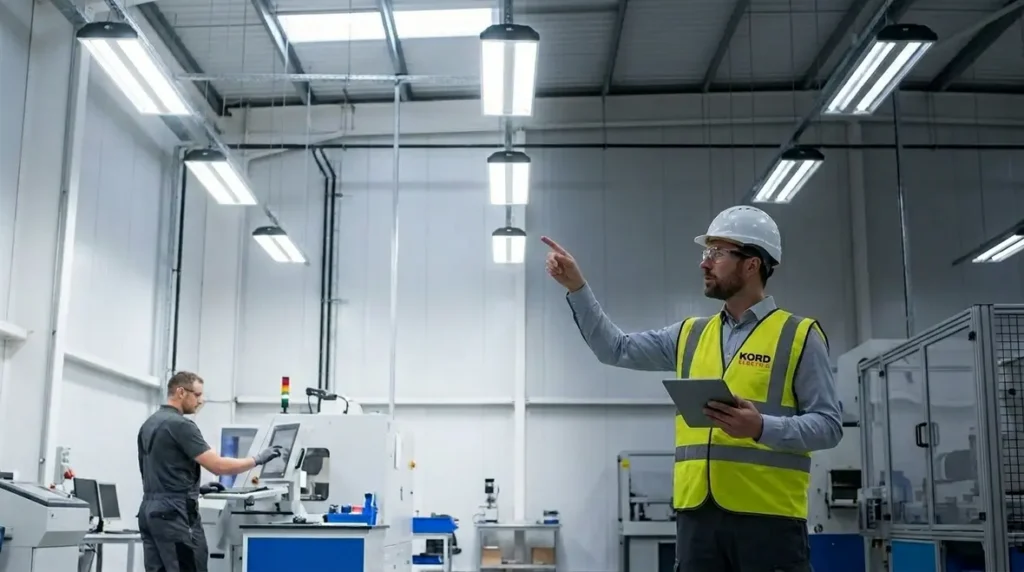
Strong lighting control integration starts with zoning that respects how a facility functions. A big office floor and a production area are not the same animal, and a warehouse with narrow aisles has its own rules. Our technicians evaluate activity patterns, lighting layout, ceiling heights, and obstructions. Then we propose zones that support consistent user experience while avoiding needless energy waste.
When zones are too large, the system has to compromise. A conference room might stay too bright because the lights also serve a hallway. Alternatively, the hallway becomes too dim because someone thinks “it is all one space.” By contrast, careful zoning allows local control, and that control keeps brightness aligned with task needs.
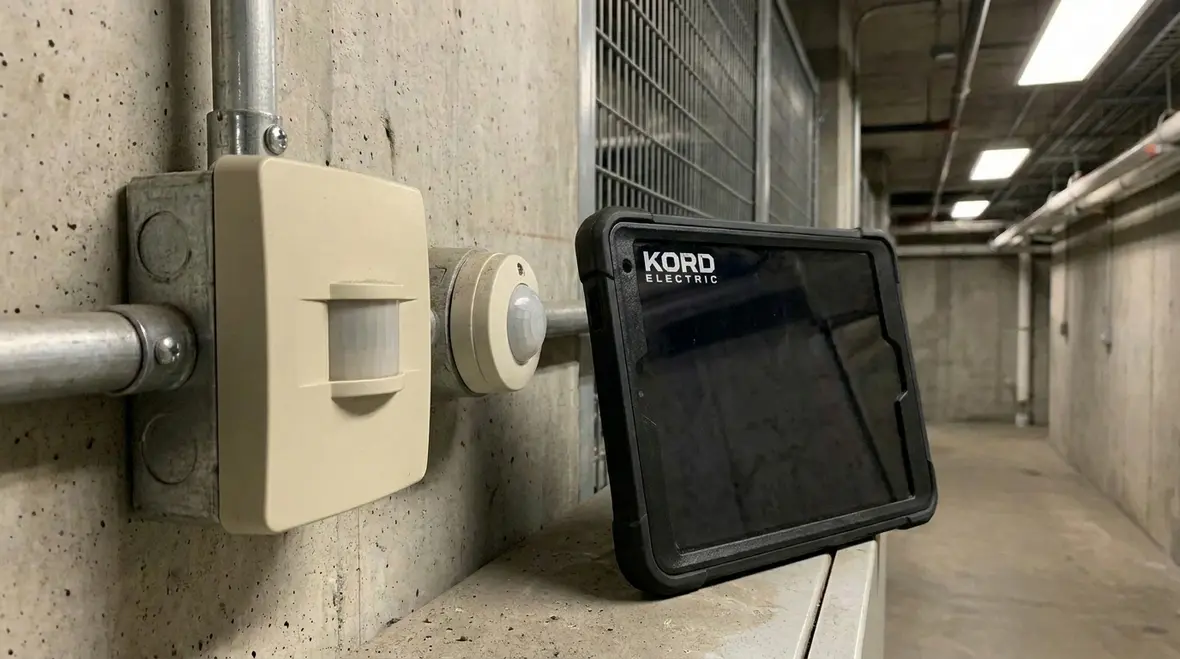
We also coordinate control with the lighting type and installation approach. For example, dimming behavior varies across technologies, and sensors perform differently depending on mounting location. Therefore, our team confirms placements during planning, then validates performance during commissioning. If the controls do not match the lighting layout, we adjust before the building begins normal operations.

How sensors and schedules cut energy without causing headaches
Once the zoning plan is set, the next step is combining sensors, scheduling, and dimming so the system behaves smoothly. Occupancy sensors help during variable traffic hours, and daylight sensing helps when sun level changes across the day. Meanwhile, scheduling handles predictable patterns like shift start times, lunch breaks, and end of shift shutdown.
However, energy savings only matter if people tolerate the experience. Lights that flicker, dim too aggressively, or respond too slowly will generate complaints fast, even if the math looks good on paper. Our technicians tune response curves and time delays so changes feel natural. In practical terms, we prevent the “why did it get darker the moment I walked in” problem.
Then we verify the setup with the building team. We ask operators how the space behaves during real hours, and we adjust settings based on that feedback. In other words, we do not just install controls, we help them earn trust. And trust, in facilities work, is worth more than a stack of glossy brochures.
Commissioning, rewiring decisions, and total cost thinking
Facilities often focus on the visible hardware, but they should also track total installation effort and future maintainability. When lighting controls get layered into an existing build, teams may worry about rewiring scope, downtime, and cost. This is exactly where our planning mindset helps.
Kord Electric stays aligned with practical guidance like the approach outlined in our rewiring cost guide for commercial electrical systems. That guide emphasizes key cost drivers such as labor complexity, circuit availability, panel layout, and the impact of building access constraints. We take those same real world factors and translate them into a control integration plan.
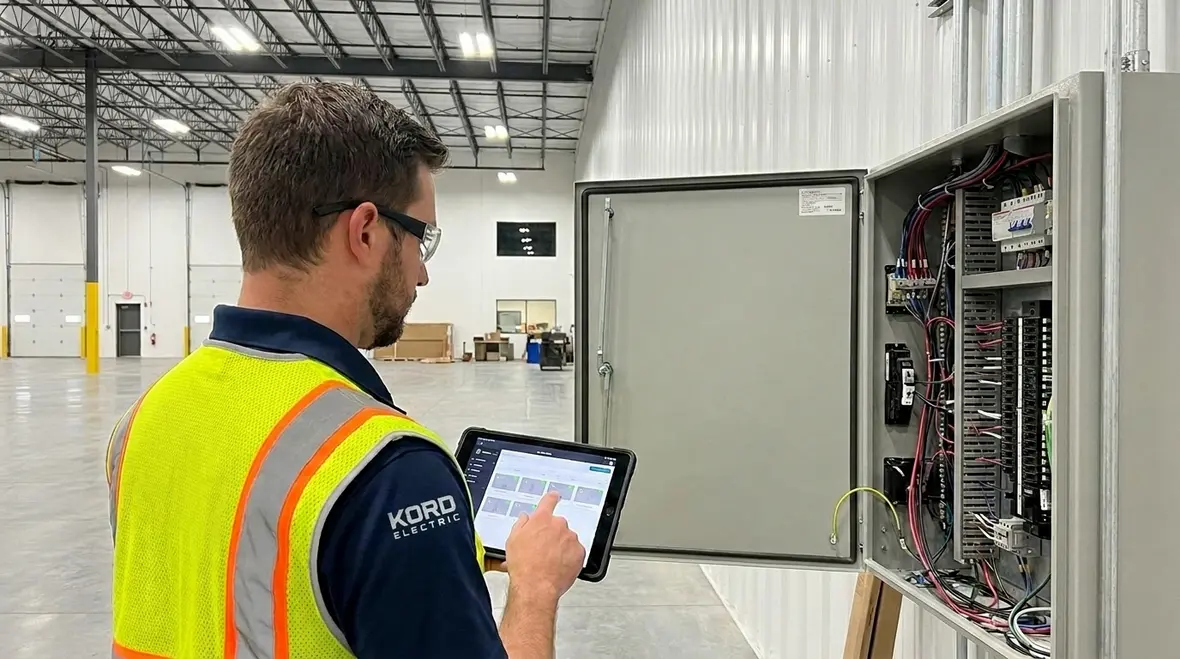
For example, if circuits already exist for zone level control, we work with what is available and keep changes lean. If additional circuit runs are necessary, we plan routing to reduce disruption and maintain code friendly practices. Additionally, we consider whether control wiring can share pathways where appropriate, since that can reduce labor and installation time.
Because every facility has its own electrical history, our technicians evaluate what is in place before recommending next steps. That is how we balance performance targets with budget reality. We do not promise miracles; we promise clarity, controlled costs, and a system that supports operations rather than interrupts them.
Connecting lighting controls to broader electrical upgrades
For many facility teams, lighting controls arrive at the same moment as broader electrical projects. Panel upgrades, feeder changes, and even selective rewiring can all intersect with a commercial lighting control system integration. When that happens, we coordinate scopes so work happens once, not in overlapping waves of disruption.
If your team is evaluating larger system changes, pairing your integration plan with resources like Kord Electric’s commercial lighting upgrade guidance or rewiring cost insights helps keep decisions grounded in both performance and long term value. That way, the control backbone you install today is ready to support tomorrow’s efficiency and code requirements without surprise rework.
Data, reporting, and long term performance for building owners
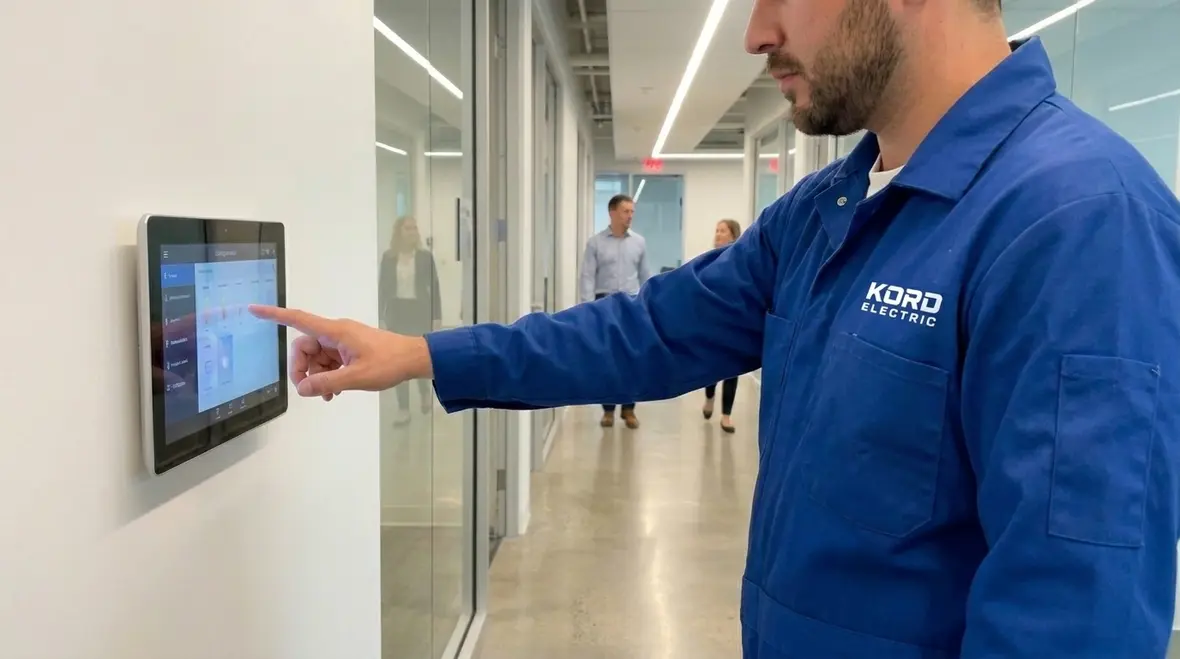
Many building teams want energy savings, but they also need proof. As a result, a good commercial lighting control system integration strategy includes visibility into system behavior. We help facilities understand performance trends, control events, and sensor responses so they can spot issues early.
This matters because lighting systems do not stay perfect forever. Lamps and drivers age. Occupancy patterns shift when staffing changes. Renovations can move obstructions. Therefore, continuous oversight and service routines protect long term savings.
Our expert service staff supports facilities with start up checks and scheduled maintenance recommendations. We also guide teams on how to interpret system settings without turning them into overnight control engineers. If something fails or performance drifts, we diagnose quickly and bring the system back into alignment.
And since commercial and industrial buildings often operate under tight schedules, response time matters. We plan for minimal downtime and we coordinate with facility operations so lighting control updates stay practical. In short, we treat the system like a working part of the building, not like a one time install.
Using reporting to support compliance and incentives
In regions with detailed lighting codes and utility incentive programs, the reporting side of a control system does more than generate graphs. It helps document that automatic shutoff, daylight response, and scheduling strategies are actually working as intended. When inspections or audits arrive, having clear records and a system that responds predictably can make the difference between quick approvals and extended follow up visits.
Our integration work often supports broader lighting installation or code compliance projects, so we pay attention to how data will be used long after commissioning. The goal is simple: keep the building’s lighting controllable, explainable, and ready for the next round of performance or compliance conversations.
Featured lighting control FAQ for commercial and industrial facilities
Frequently asked questions on integration costs and outcomes
Related resources and services for commercial lighting projects
If your facility is evaluating a commercial lighting control system integration as part of a broader upgrade, it can help to review how controls interact with other project costs and requirements. Kord Electric’s rewiring cost guide for commercial electrical systems offers a deeper look at how circuit layout, labor, and access conditions shape the budget side of electrical work, including controls.
For teams focused on new fixtures, retrofits, or full lighting modernization, our dedicated lighting installation services page outlines how Kord Electric supports commercial and industrial lighting projects from initial design through commissioning and code aligned performance. Pairing these services with disciplined control integration keeps your building’s lighting efficient, predictable, and easier to manage year after year.
Ready to bring disciplined control to your facility lighting?
If a building’s lighting feels inconsistent, wastes energy, or frustrates the people who work inside it, Kord Electric can help reset the system. We integrate zoning, sensing, scheduling, and dimming so lighting matches real workflows and stays dependable over time. Our technicians explain each decision in plain terms, and we plan installation steps with your electrical conditions in mind. If you want smarter performance and calmer day to day operations, contact Kord Electric today for a commercial and industrial lighting control assessment.
Whether you are starting with a single warehouse, a multi building campus, or a mixed use property, we align commercial lighting control system integration with your operational goals, code environment, and budget. The result is simple: a lighting system that feels intentional instead of random, and a building that works with your team instead of against it.
To explore how disciplined controls, thoughtful rewiring decisions, and code aware design can reshape your facility lighting, connect with Kord Electric and start mapping out a plan that fits both today’s needs and tomorrow’s growth.