Industrial Smart Lighting Controls to Cut Costs
Industrial Smart Lighting Controls: the calm way to cut costs without turning the lights off
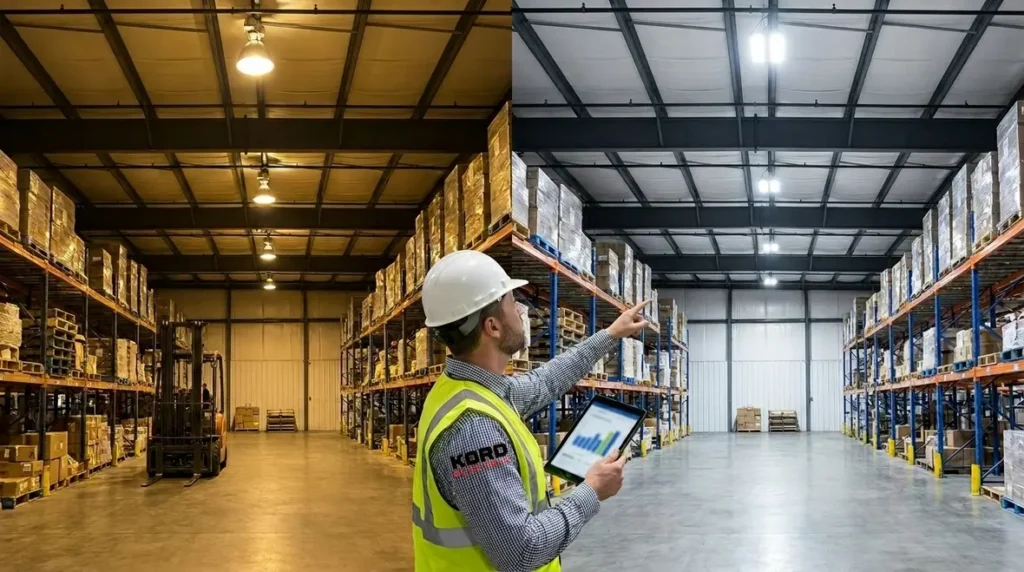
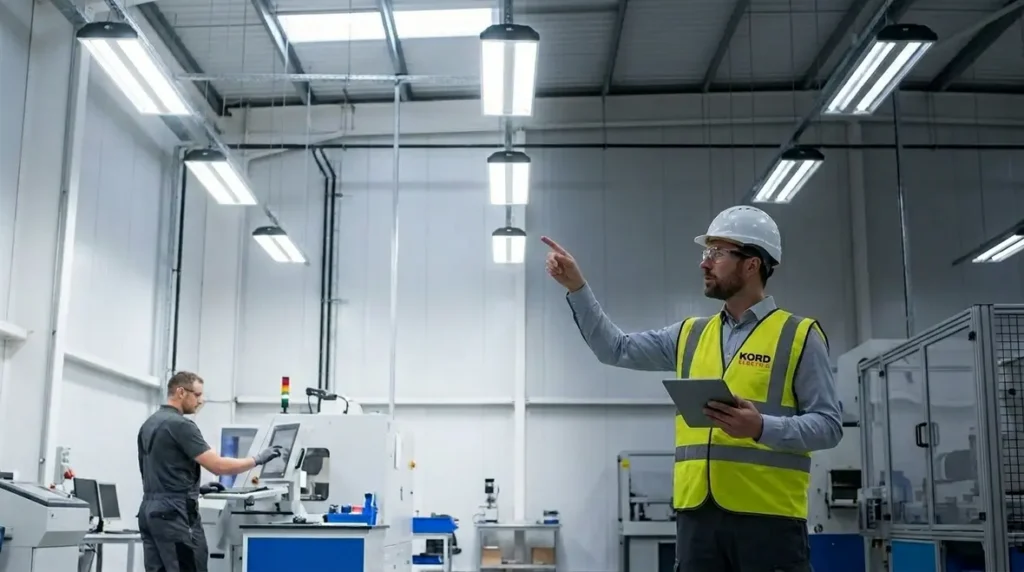
In many commercial and industrial facilities, Kord Electric helps owners optimize operational costs by upgrading to Industrial Smart Lighting Controls. With the right controls, we reduce wasted energy, improve comfort, and keep lighting where it should be: on the job, not on the bill. Even better, our field technicians explain the process clearly, so teams understand what changes are happening and why. And yes, we have heard the joke that “automation will replace everyone,” to which our expert staff replies, “Only the parts that waste power.”
In the sections that follow, we cover how industrial facilities use occupancy, daylight, scheduling, and smart zoning to lower expenses while maintaining safe, reliable lighting. Plus, we show practical steps for selecting and commissioning control systems that stand up to real plant schedules.
Why lighting waste quietly grows inside industrial buildings
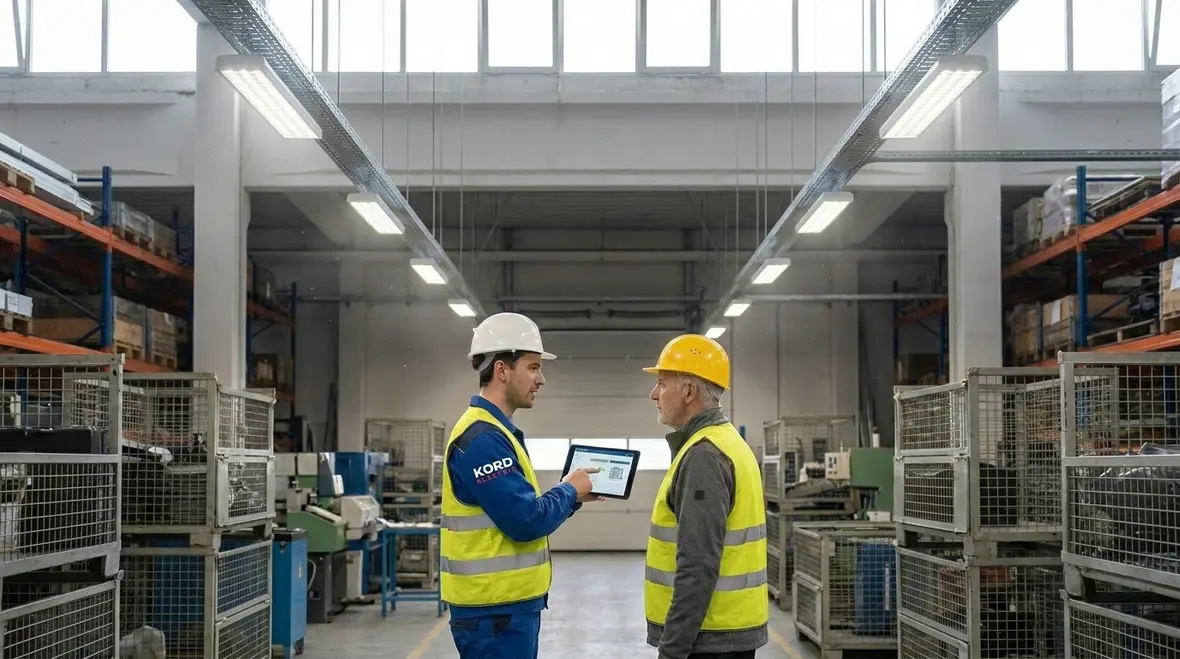
Lighting costs rarely show up as one big line item that everyone argues about. Instead, the waste builds quietly, mostly because people operate buildings like they are predictable machines. In reality, production shifts change, break rooms fill and empty, and warehouses open and close at different times. As a result, fixtures stay at full output when the space does not need it. Meanwhile, older wiring and controls often prevent fine adjustments, so facility managers end up chasing comfort complaints instead of energy goals.
Additionally, many operators face unnecessary maintenance because lighting runs too hard, too long. If a site does not match light levels to activity, lamps and drivers age faster, and troubleshooting becomes more frequent. On top of that, poor controls can create frustrating scenes: a hallway goes dark when a forklift passes, or a loading dock feels dim just when it matters most. Therefore, the best approach focuses on smart, responsive control, not just brighter fixtures.
That is where Industrial Smart Lighting Controls, and smart zoning in particular, play a real role. We help our commercial and industrial customers target the waste first, then improve how the lights behave across shifts, seasons, and space types.
For owners planning broader electrical improvements, pairing smart lighting projects with upgrades to your commercial electrical backbone can unlock even stronger results. If you are exploring larger system changes, you may find it useful to review how commercial electrical systems support smart infrastructure and automation in major properties, including how panels, distribution, and controls work together across modern buildings.
In other words, lighting is part of a bigger story. When controls, wiring, and power distribution are aligned, smart lighting becomes a stable, long term asset instead of a one off project.
Smart zoning and occupancy: the real savings start with accurate sensing
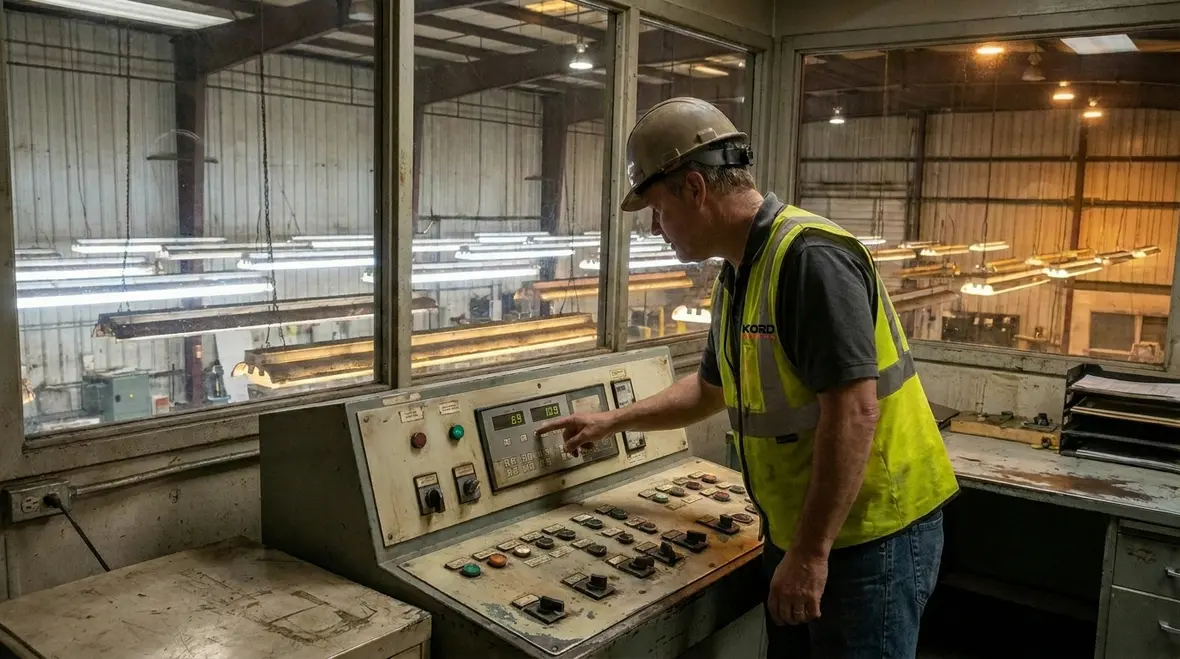
First, smart zoning divides a facility into logical lighting areas that match how people and equipment move. Instead of controlling an entire floor or wing as one unit, we break it down by room function, bay layout, and activity patterns. Then we place sensors where they can actually “see” what matters.
Occupancy sensing often provides the clearest savings because it responds to real use. When a space stays empty, lights dim or turn off. When activity returns, lights ramp up smoothly. However, the sensing needs to fit the environment. For example, a sensor that works in an office can perform poorly in a warehouse with high racks, strong airflow, or frequent moving equipment. Consequently, our technicians evaluate the space and recommend sensor types, placement, and mounting heights that reduce blind spots and avoid false triggers.
We also help teams choose the right control behavior. Many facilities benefit from a warm-up and transition strategy, so lights do not instantly jump from off to full brightness. That approach supports comfort, reduces complaints, and protects visibility for workers.
In practice, Industrial Smart Lighting Controls let you shape very different behaviors in different zones. A main production aisle that sees near constant traffic can hold a higher minimum dim level and longer time delay, while a low-traffic storage bay can drop much deeper and faster to save energy. The key is that each zone responds to what actually happens on the floor, not to a one-size-fits-all schedule that ignores reality.
Daylight harvesting that respects production schedules
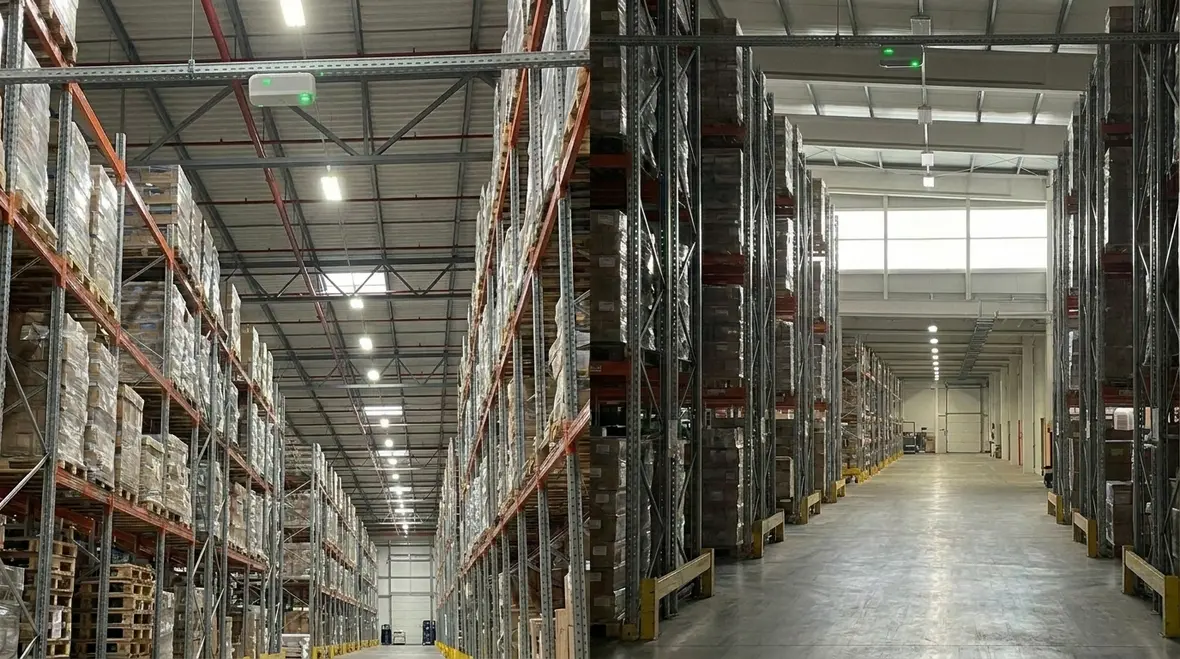
Next, daylight harvesting cuts energy without making operators feel like the sun is running the building. The idea is simple: when natural light comes in, the system reduces artificial light output. Yet in industrial and major property buildings, the details matter. Window angles, skylight glare, dust buildup, and seasonal shifts all affect how much usable daylight enters a space.
We take a practical approach. Our expert service staff checks light levels over time and coordinates sensor settings with the building’s layout and work standards. Then we tune dimming targets so the area meets task needs while still delivering measurable savings.
At the same time, we align schedules with facility operations. For instance, a facility may work shifts early mornings and late evenings. Therefore, daylight controls should not blindly hunt for brightness. Instead, controls should follow occupancy and time logic, then use daylight only when it is truly helpful.
And yes, we sometimes get a request for “make it smart, but do not change anything.” We understand the concern. So we start with pilot zones and clear test plans, then expand once the team sees stable performance.
For multi-building campuses or large commercial properties, daylight harvesting can also coordinate with other smart infrastructure, like demand response programs and building automation platforms. When Industrial Smart Lighting Controls share data with your broader commercial electrical system, you gain more than energy savings. You gain visibility into how each area actually behaves across the day and across seasons.
Scheduling and task-based scenes for warehouses, labs, and offices
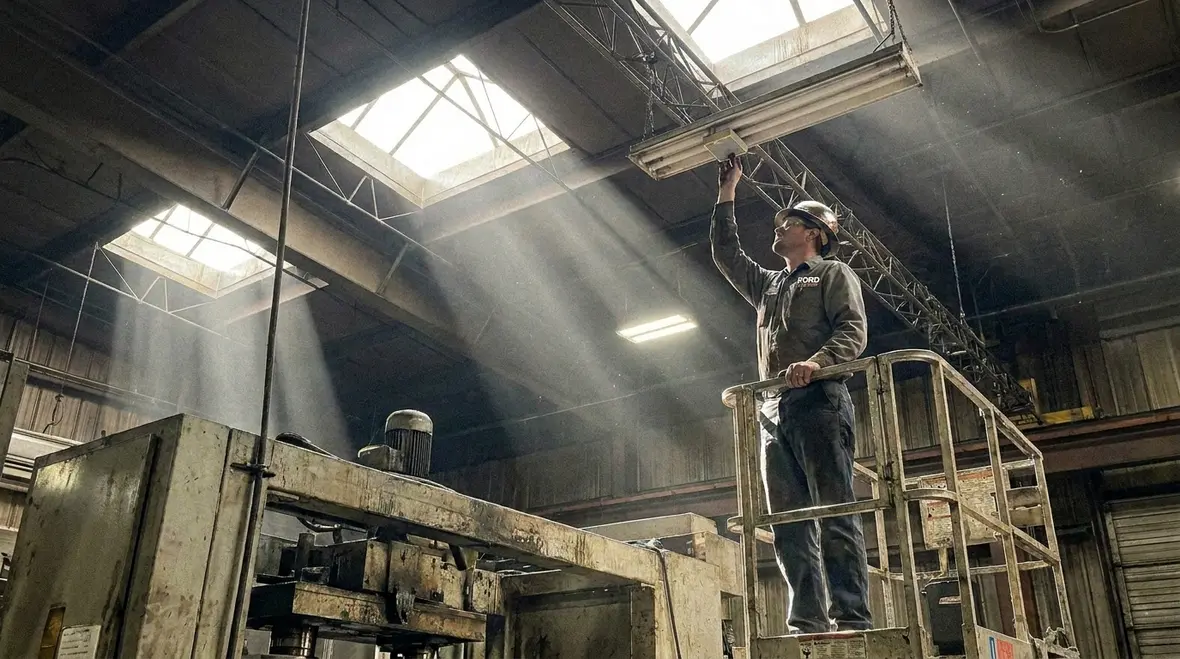
Lighting control should match the way a site actually runs. Scheduling helps you set predictable patterns, like normal operations, cleaning cycles, and emergency readiness. Yet we also recommend task-based scenes for areas where lighting requirements shift through the day. A warehouse aisle does not need the same light profile as a break room, and a maintenance bay behaves differently than a lab.
When teams use Industrial Smart Lighting Controls with scene support, they can maintain consistent visibility during critical tasks while still cutting energy at idle times. For example, we can set a “shift start” scene that ramps lighting to full output before activity begins. Later, the system can return to a dimmed state when the work pace drops.
To keep operations smooth, our technicians coordinate with facility managers on start and end times, staffing patterns, and any safety standards. Then we document settings so the control behavior remains predictable even when staffing changes.
In short, smart scheduling and scenes reduce wasted light while avoiding the awkward problem of lights that act like they are guessing.
Different space types benefit from different combinations of schedules and scenes. High-bay storage may call for deep setbacks overnight with fast ramp-up when sensors detect motion. Labs often demand carefully defined scenes for testing, cleaning, and shutdown. Offices and meeting rooms may focus on comfort, glare control, and presentation-friendly modes that keep screens legible without leaving people in the dark.
Lower energy use through dimming, driver quality, and resilient hardware
Energy savings come from more than turning lights off. Dimming can cut power significantly, especially when systems support smooth control rather than simple on or off switching. However, dimming must work with the electrical design. That includes proper driver compatibility, voltage stability, and correct control wiring.
Our field expertise matters here. Kord Electric evaluates how the existing electrical system behaves and whether the new controls integrate cleanly. We help avoid mismatches that cause flicker, noise, or premature failures. Meanwhile, resilient hardware improves uptime. Industrial sites experience heat, vibration, and frequent access to panels. So we recommend equipment suited for harsh environments and we focus on secure installation practices.
Additionally, we ensure that emergency and life safety requirements remain handled properly. You do not want a system that saves energy but creates compliance risk. Therefore, we plan control zones so essential functions stay within expected standards.
When dimming and hardware align, the facility reduces energy, improves visual consistency, and lowers maintenance workload. That is how smart controls stop being a “project” and start becoming routine operations.
If your property has already experienced symptoms like flickering fixtures, nuisance trips, or unexplained voltage swings in certain wings, it is worth pairing Industrial Smart Lighting Controls with a deeper look at the underlying electrical infrastructure. Targeted repairs and preventive maintenance on panels, conductors, and distribution equipment help your new controls and dimming strategies perform the way they were designed.
Commissioning, monitoring, and training so the system keeps paying you back
After installation, many lighting upgrades fail to deliver full value because nobody fully tunes the system. Settings stay at defaults, schedules do not match real shifts, and sensors remain poorly positioned. As a result, users lose trust, then override the system, then the savings vanish. We prevent that with commissioning and follow up.
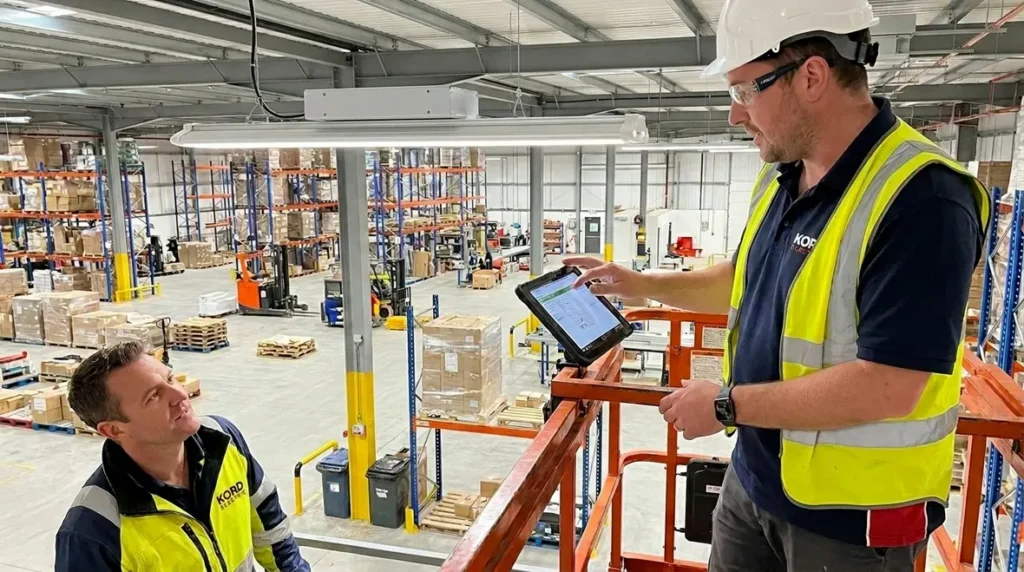
First, our technicians verify coverage, response times, and dimming accuracy across each zone. Then we adjust sensitivity, time delays, and daylight setpoints based on observed conditions. We also test how the system reacts during actual operations, not just during a walkthrough.
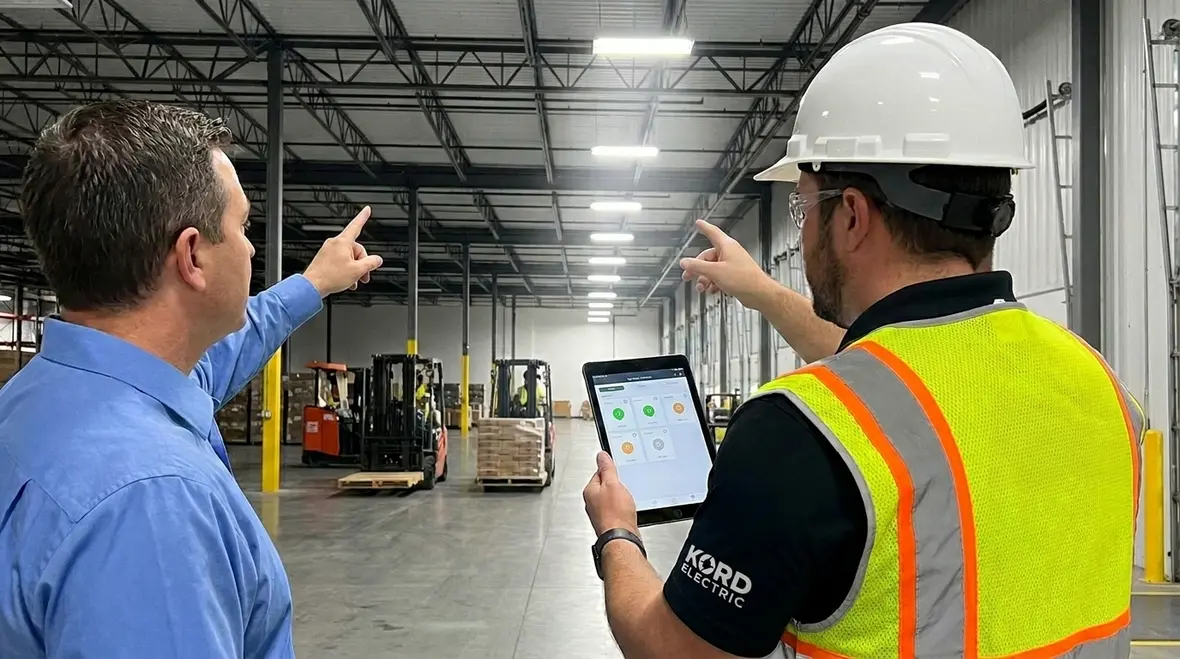
Next, we help teams monitor performance. Many smart lighting platforms provide dashboards for energy usage and control events. When facility managers can see what happened, they can act quickly. Instead of guessing why a zone runs too bright, they can identify patterns and fix them.
Finally, we train the staff who will live with the system. Our approach focuses on real workflows, like how to review alarms, how to adjust schedules, and how to handle temporary changes. When people understand the controls, they stop treating the system like a mystery machine.
The result is a lighting system that keeps paying you back, year after year. Instead of drifting toward manual overrides and constant complaints, your Industrial Smart Lighting Controls become a normal part of operations—quietly managing energy use and supporting safety in the background.
Quick comparison: what to control in each industrial area
To keep decisions clear, we map control focus by space type. Below is a simple view you can use during planning with our team:
Space type
- Warehouses and aisles
- Loading docks and corridors
- Production floors with shift work
- Offices and meeting rooms
- Break rooms and restrooms
Control priorities
- Occupancy response and zoning
- Time based logic and ramp behavior
- Task scenes and safety consistent levels
- Daylight harvesting and schedules
- Low usage periods dimming and quick recovery
These guidelines become even more powerful when you connect them to your broader commercial electrical planning. For example, during a larger electrical upgrade or rewiring effort, we can align lighting zones with panel circuits, subpanels, and monitoring points so your Industrial Smart Lighting Controls and your power distribution work together as one system.
FAQ: Industrial Smart Lighting Controls
Facility managers often ask similar questions when they first explore Industrial Smart Lighting Controls. Here are clear, straightforward answers that match what we see in the field across warehouses, labs, offices, and production spaces.
Final call: let us optimize your lighting and protect your margins
If you want lower energy use and more dependable lighting behavior across shifts, Kord Electric can help you plan, install, and commission a smart control strategy built for commercial and industrial facilities. Our technicians explain each step in plain language, so your team knows what to expect and how to manage the system. Reach out for an assessment of your lighting zones, schedules, and sensing needs. Then we help you move from wasteful lighting to controlled, measurable savings you can feel in your monthly reports.
For facilities that want lighting upgrades to support a broader modernization effort, our team also helps align Industrial Smart Lighting Controls with larger commercial electrical strategies. Whether you are planning panel upgrades, rewiring, or deeper automation, thoughtful coordination between controls and power systems makes the investment in smart lighting even more valuable over the long term.
If you are ready to bring those pieces together, we can integrate lighting control design with preventive maintenance, voltage stability work, and other commercial and industrial services so your building feels smarter, steadier, and easier to operate day after day.
When it is time to move from research to results, Kord Electric is prepared to design and support a lighting control strategy that fits your facility—not the other way around.
To keep your new lighting system running reliably, consider pairing your project with an electrical preventive maintenance plan that tracks system health over time, documents inspections, and keeps core infrastructure ready for the next phase of your facility’s growth.