Intermittent Power Loss in Commercial Buildings
Spotting Intermittent Power Loss in Commercial Buildings
When the lights flicker, printers pause, and servers reboot without warning, the team starts asking the same hard question. In our experience, troubleshooting intermittent power losses in commercial spaces usually begins with one clear pattern: the problem shows up, then disappears, then comes back like it missed the meeting and decided to drive in late. Meanwhile, production schedules and tenant comfort still run on the power you expect to be steady.
Others may blame a “mystery utility issue” or chalk it up to aging equipment. However, intermittent faults rarely stay mysterious for long. We help facility managers and electrical leads identify the real cause by checking the system in the right order, documenting clues, and then fixing what actually fails. Our expert service staff explains each finding as we go, because no one should need an electrician to translate a warning light.
What intermittent power loss looks like on site
Intermittent issues do not behave like a full blackout. Instead, they show up in small events that stack up. For example, you may see motors restart, HVAC controls drop out for a few seconds, or a row of lights blink in sync. Even if the outage only lasts a moment, it can still trigger alarms, trip protection, or damage sensitive loads.
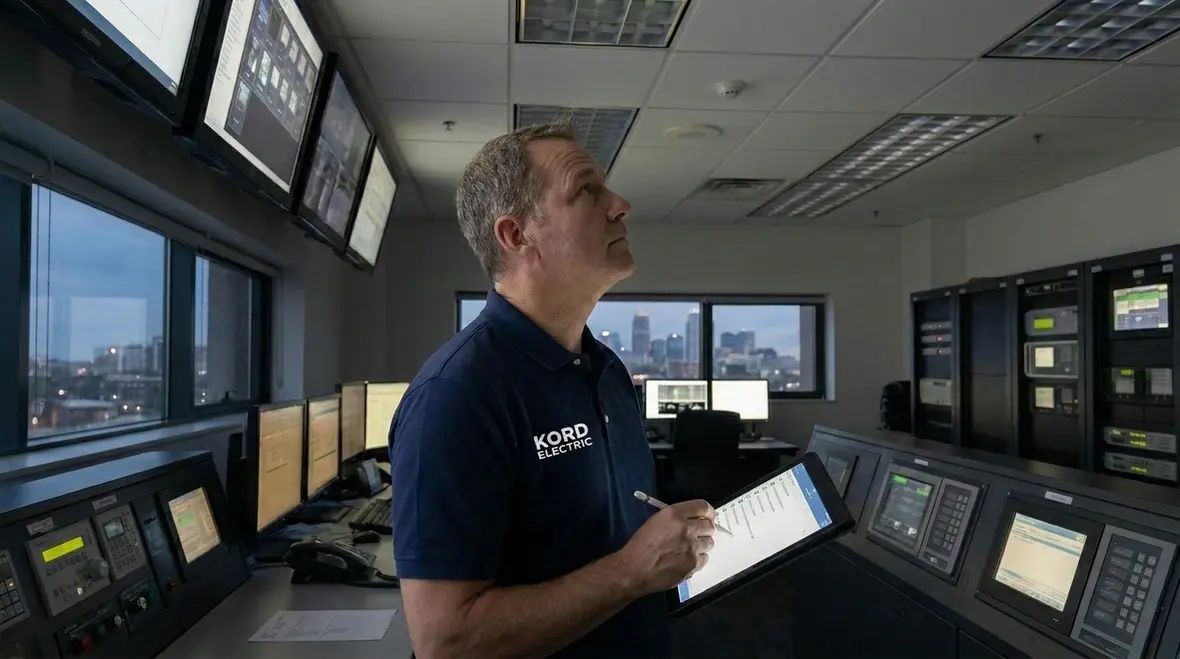
To catch it early, we ask a few practical questions and then compare them to what the building logs show. First, we look at which areas fail. Next, we check if the events match shift changes, door access cycles, elevators, or load peaks. Then we correlate time stamps from breakers, UPS systems, and building management systems. If your facility has trending data, we use it. If it does not, we help you build a simple record so the next incident is easier to solve. Yes, we also joke with stakeholders that “panic is not a diagnostic tool,” though we say it gently.
Common culprits in commercial electrical systems
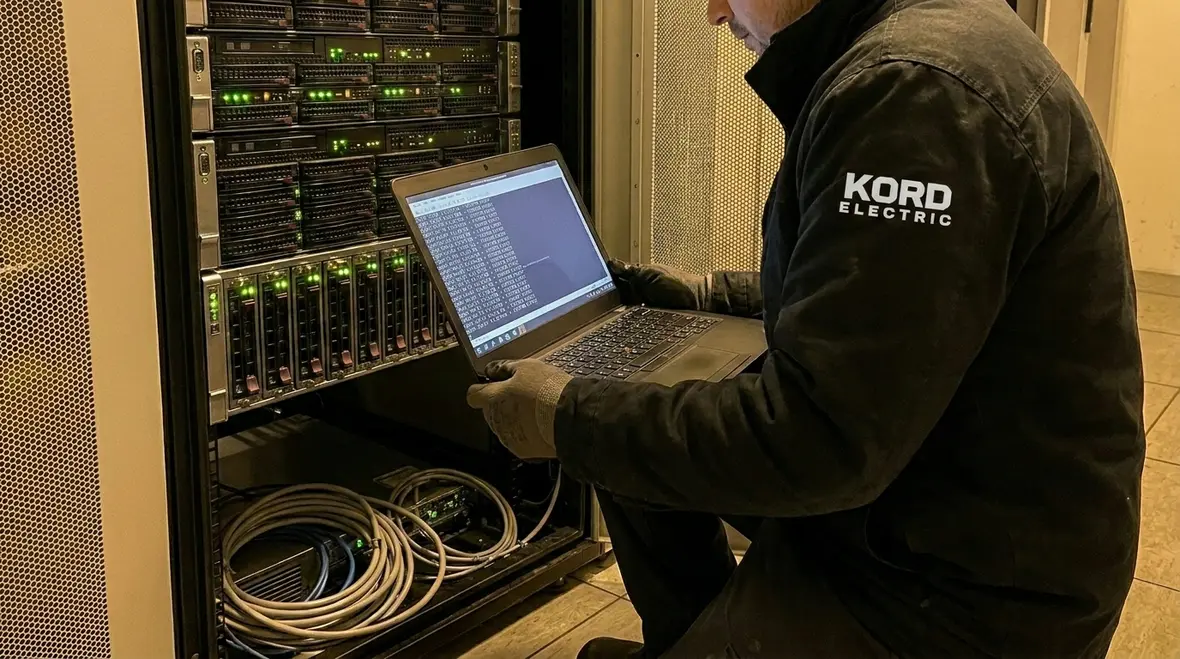
Once we begin troubleshooting intermittent power losses in commercial spaces, we focus on the failure points that can open and close under stress. Many causes look similar from the outside, yet they leave different footprints inside the equipment.
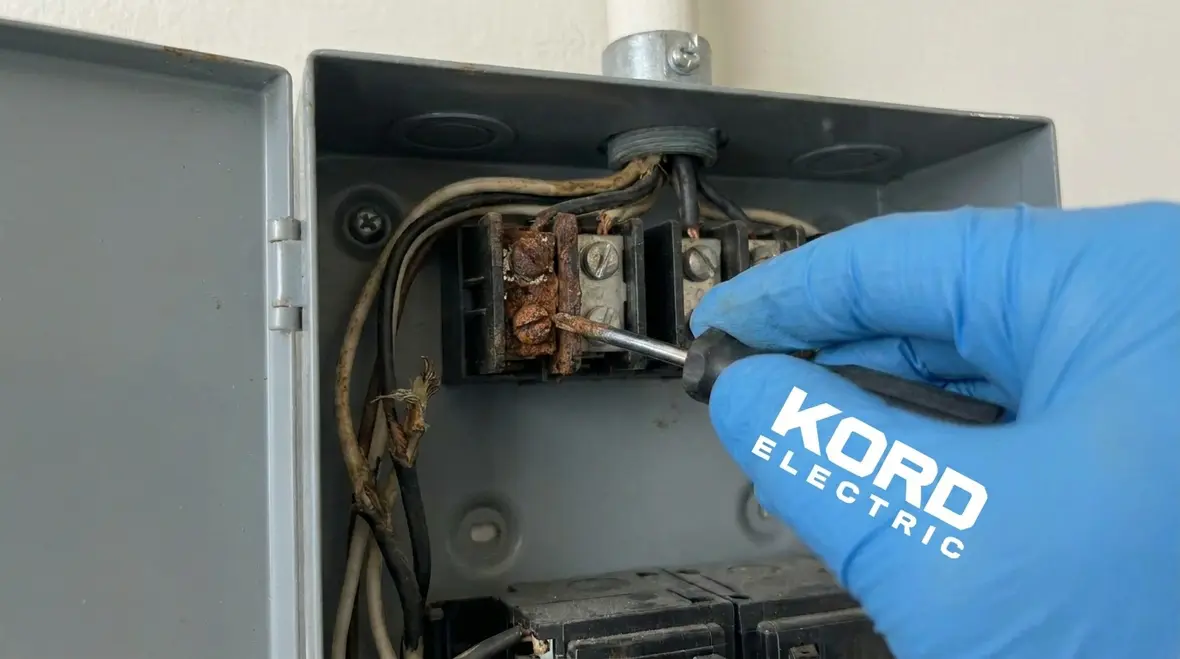
Loose or failing connections sit near the top of the list. A slightly loose terminal can heat up, oxidize, and then reconnect when conditions shift. As a result, power returns, but the contact keeps degrading. Over time, the event becomes more frequent.
Breaker issues and protection trips also drive intermittent behavior. A breaker that trips and resets may create repeated drops at a feeder level. Further, trip settings that do not match the load profile can cause nuisance trips.
Voltage dips, surges, and unstable supply can trigger electronics and controls. Even when the grid stays “mostly on,” a short voltage sag can reset computers, network gear, and programmable logic controllers.
Grounding and bonding problems can create uneven return paths. Therefore, faults become harder to trace, especially when loads change through the day.
Bad components in distribution panels can also fail intermittently, including busbar defects, failing contactors, and moisture inside enclosures. Commercial sites often run in humid or dusty conditions, so we take environmental reality seriously.
How we diagnose intermittent faults without guessing
Our technicians do not treat this like a game of “guess the breaker.” Instead, we use a step wise process that narrows the cause. First, we confirm the symptom. We verify which circuits drop, how long it lasts, and whether the events align across panels.
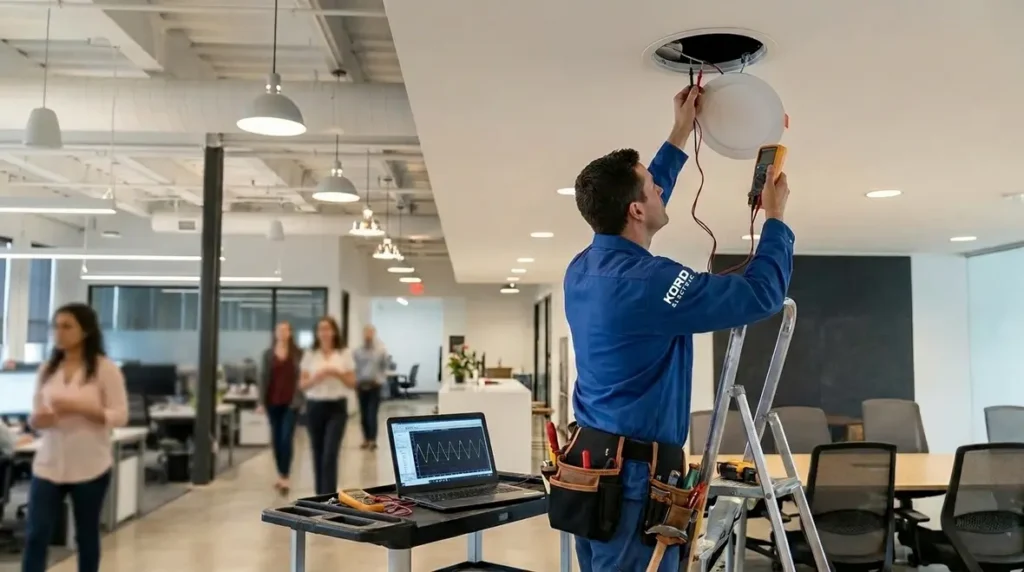
Second, we inspect the system while the building operates under normal load, when possible. That matters because the fault often appears only when current and heat rise. If the facility allows it, we schedule our checks to match peak use.
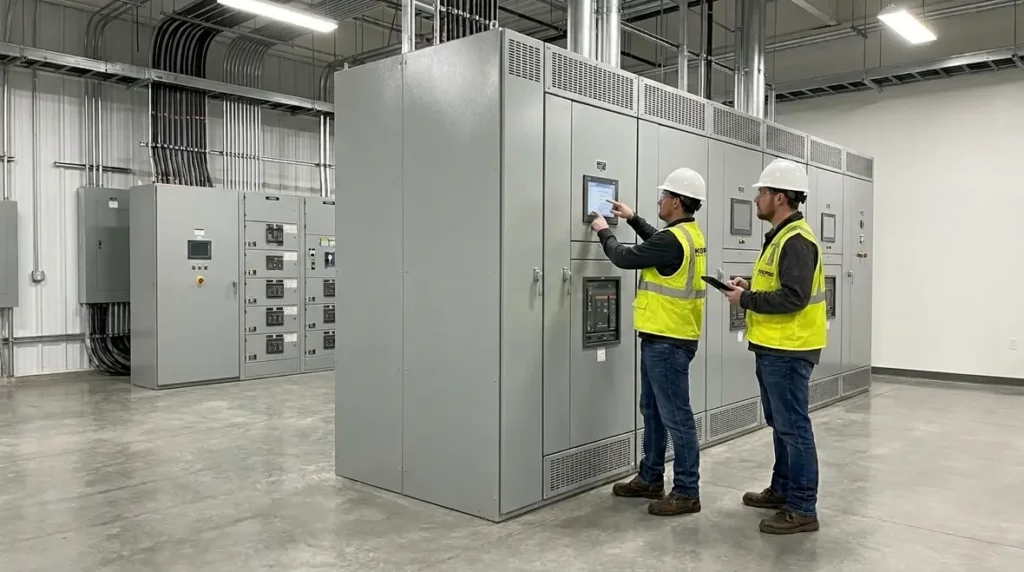
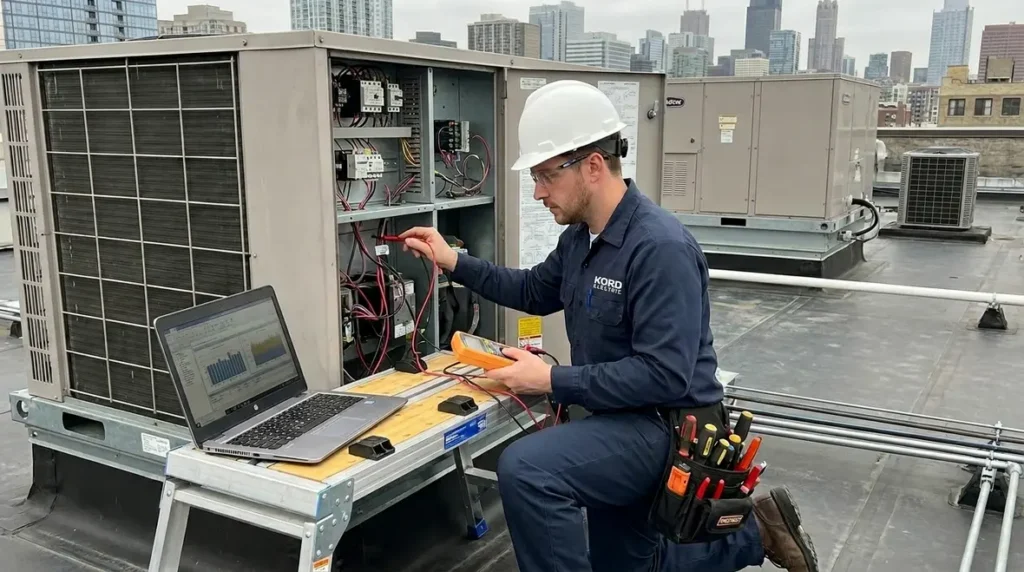
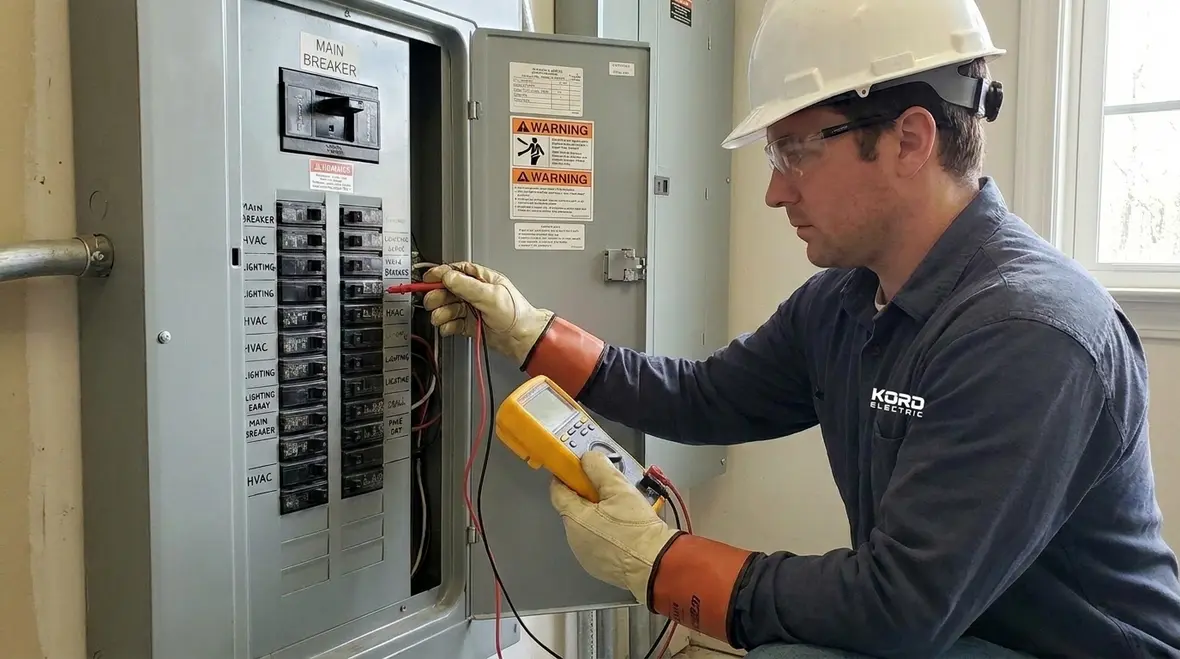
Third, we test the equipment. We perform checks that reveal poor insulation, abnormal resistance, and signs of overheating. Then we evaluate protective devices and settings so the system stops doing the wrong thing at the wrong time.
Finally, we document everything in plain language. Our expert service staff explains what we found, why it matters, and what we recommend next. In other words, you should never leave a site with the electrical equivalent of a magic trick where the “rabbit” was the real cause all along.
Why preventive maintenance reduces recurring outages
If intermittent failures keep returning, preventive work often becomes the difference between “one more incident” and real stability. We reference our electrical preventive maintenance approach because it targets the risk before it turns into downtime.
Our process supports facilities by focusing on the parts that most often produce intermittent faults. For example, we check and verify connections, inspect switchgear and panels, review protective devices, and assess the condition of components that sit under load day after day. By doing this on a planned schedule, we reduce hidden failures that only show up when business is moving.
You can explore the details of our approach here: Electrical Preventive Maintenance. Even better, our technicians align the plan with your building needs, so the work supports operations rather than interrupts them. And yes, we coordinate so your team does not have to treat maintenance like an unscheduled fire drill.
Spotting the pattern your facility already gives you
Many commercial leaders already know when the problem starts, they just need the right method to prove it. Therefore, we guide teams to collect a few clues that turn vague reports into actionable data.
Track the load context. If the issue happens during equipment startups, it may relate to inrush current, overloaded feeders, or protection coordination. If it hits during HVAC cycling, it may point to control power, contactors, or panel components.
Compare locations. When one area drops while others stay stable, we narrow the fault to a specific feeder, panel, or transfer path. If multiple zones fail together, we widen the search to upstream distribution.
Review control symptoms. Watch whether automation resets, network gear reboot, or UPS bypass events occur. Each clue tells us how the disturbance behaves electrically.
Check for moisture and contamination. We do not assume. We verify. In warehouses, manufacturing zones, and major property buildings, dust and humidity can drive leakage and create intermittent contact issues.
Featured FAQ on intermittent power loss
Below are some of the most common questions we hear when commercial and industrial teams start troubleshooting intermittent power losses in commercial spaces and want clear, direct answers.
Frequently asked questions (short answers for featured snippets)
What are signs of a failing breaker? Lights flicker, feeders reset, nuisance trips occur, and protective devices show abnormal behavior under load.
Can voltage sags cause intermittent issues? Yes. Short sags can reboot controls and trigger resets even if the power never fully cuts out.
How often should we do preventive maintenance? We tailor frequency to your equipment, operating hours, and environment, then we set a schedule that reduces risk.
Will our team need to shut down equipment? Not always. We plan work windows and coordinate so the impact stays minimal for commercial and industrial operations.
Do you only work on commercial and industrial sites? Yes. Kord Electric focuses on commercial and industrial facilities and major property buildings, not general residential service.
Take action before the next reboot
If intermittent problems keep interrupting operations, do not wait for the next “small” flicker to become a major event. We at Kord Electric help your team troubleshoot intermittent power losses in commercial spaces with a clear process: we diagnose, explain, and correct the root cause. Our technicians bring preventive maintenance discipline so the issue does not return next month like an unwanted sequel. Call us today to schedule an assessment for your commercial or industrial facility, and let’s get your power back to behaving.
If your facility is already dealing with voltage swings, equipment lockups, or unexplained shutdowns, pairing this assessment with our dedicated Voltage Fluctuations in Commercial & Industrial Facilities service can help stabilize the system long term. And when an issue escalates suddenly, our round‑the‑clock Emergency Electrical Services team is ready to respond, restore power, and protect your operation.
For property teams that want to step out of firefighting mode entirely, integrating a structured program like Electrical Preventive Maintenance into your operations gives you a clear roadmap for inspections, testing, and reporting—turning intermittent power loss from a recurring frustration into a solved problem.
Commercial and industrial facilities depend on quiet, predictable power to keep people safe and work moving. When that power starts acting unpredictable, you do not need a mystery, you need a partner with a plan. That is where we come in.