Industrial Lighting Layout Optimization for Efficiency
Industrial lighting layout optimization for production efficiency: the quiet upgrade that pays back fast
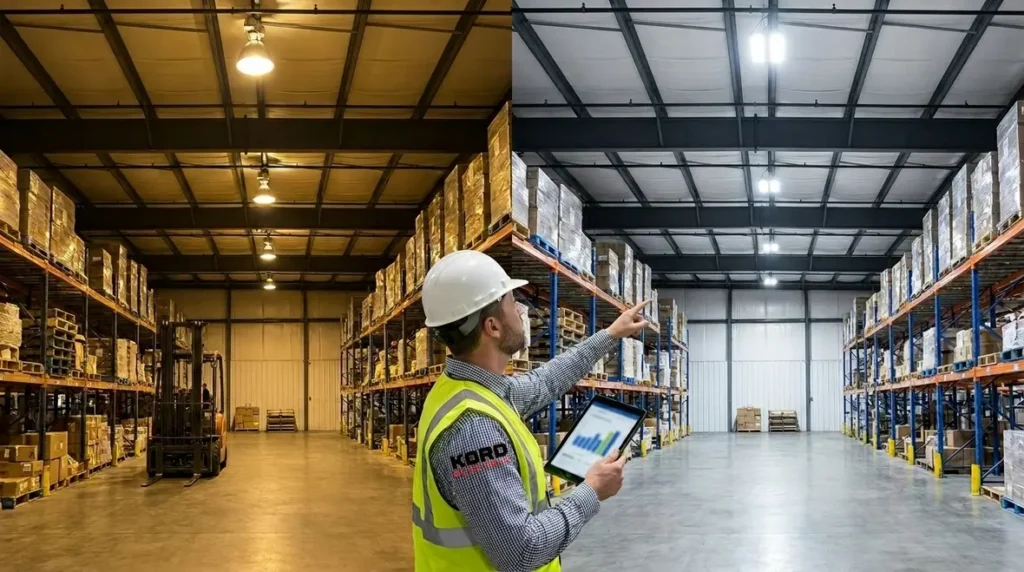
At Kord Electric, we see it every day: the lighting system is either working with the workflow or it is quietly working against it. Our industrial lighting layout optimization for production efficiency focuses on how light moves across a facility, not just what bulbs get installed. When we improve placement, mounting height, glare control, and task coverage, production teams gain steadier visibility and fewer delays. Operators spot issues faster, inspectors catch defects earlier, and maintenance teams spend less time chasing “mystery” problems. And yes, the shop floor usually looks better too. That matters, because morale is like safety: you do not notice it until it is missing.
In this article, we explain how better layouts boost output, reduce waste, and help commercial and industrial properties run smoother. Then our technicians walk through the practical steps they use onsite, including the same coastal thinking we apply when safety matters.
How better lighting layouts reduce waste on the production line
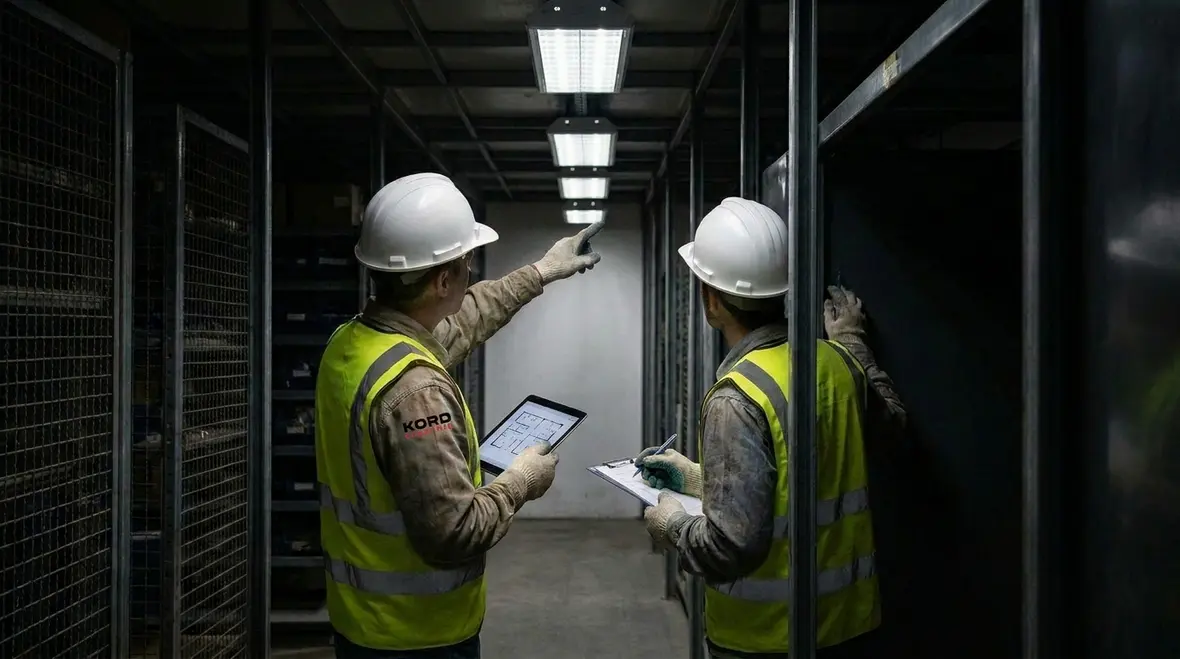
When a facility runs, every second matters. However, poor lighting layout decisions create extra steps. Workers lean in to see fine markings. They step closer to read labels. They ask for rechecks because they cannot confirm detail the first time. Therefore, the line slows, rework grows, and supervisors spend time correcting preventable problems.
With industrial lighting layout planning, we address the root cause: uneven light and hard shadows. For example, if lights sit only in aisle centers, task areas near machines often fall into dim zones. As a result, quality inspections become guesswork. Yet with a revised layout, we place fixtures to support the actual sightlines workers need.
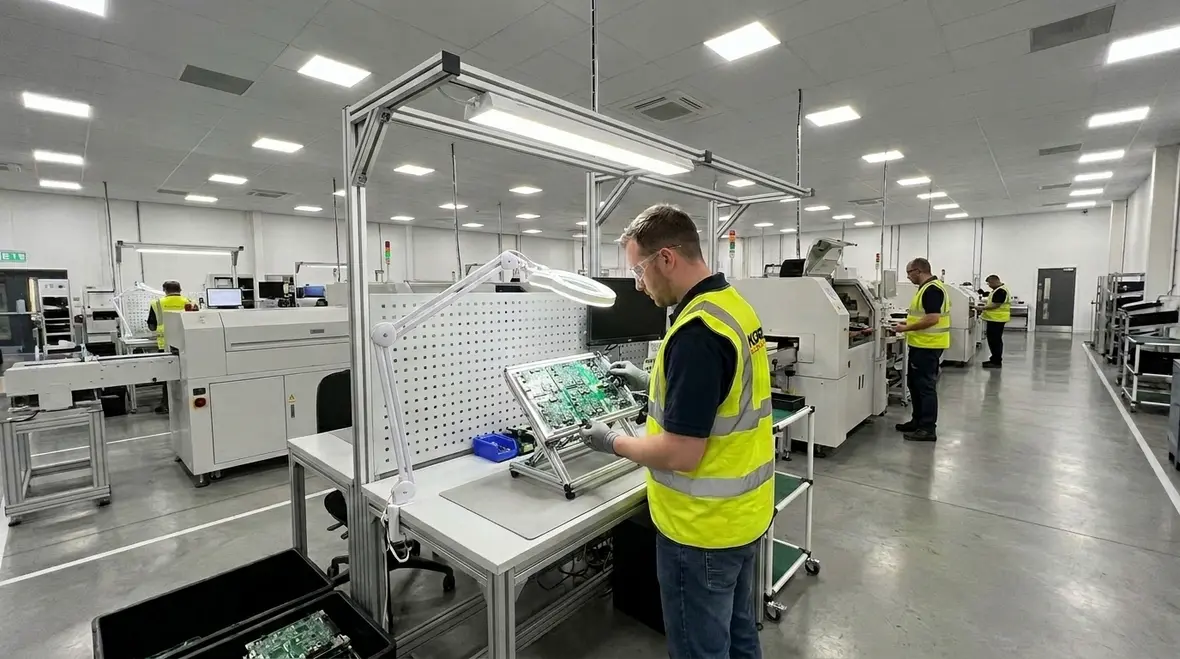
In the same way that a good layout keeps traffic moving, lighting layout keeps information moving. We aim for consistent brightness on benches, workstations, and inspection points. Moreover, we reduce glare where people look most, like near polished surfaces, stainless steel, glossy machine panels, and safety signs. When light behaves, production behaves.
What our technicians check first during a facility lighting site walk
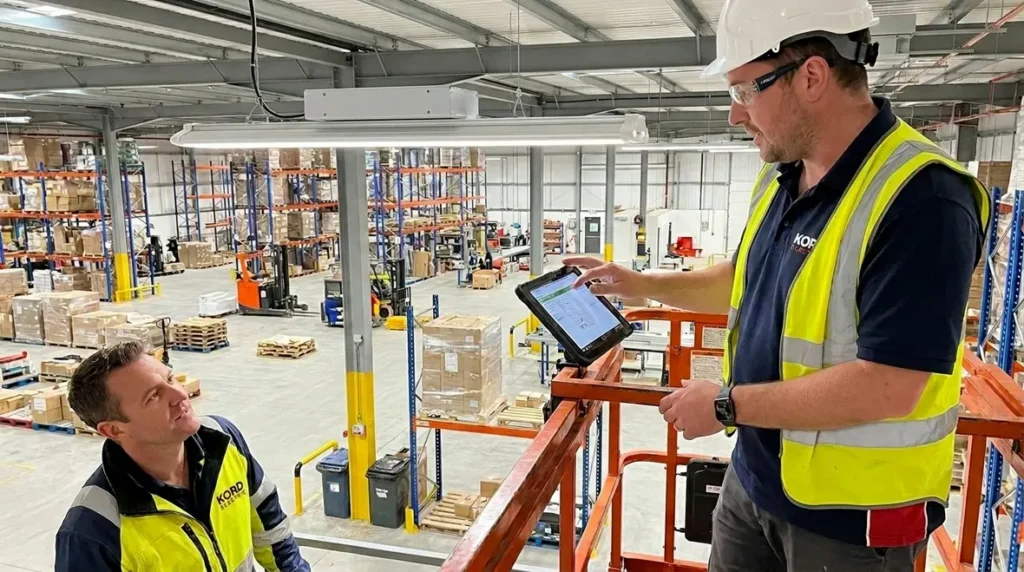
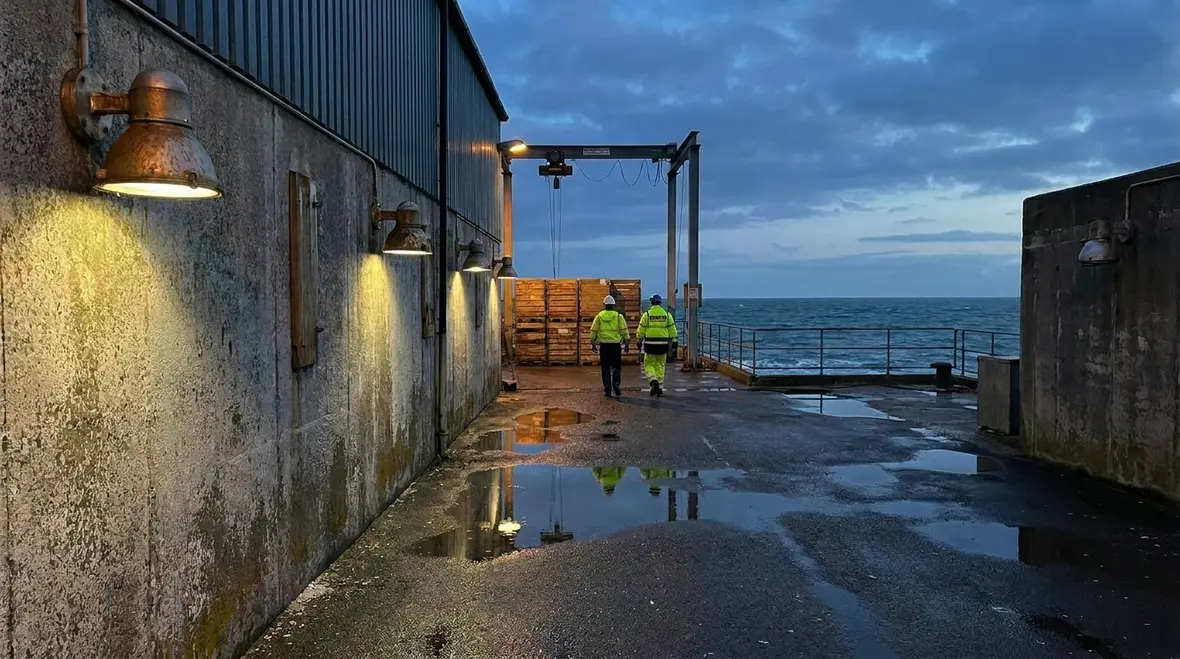
Before anyone buys fixtures, our expert service staff starts with a calm, methodical walkthrough. First, we map task zones and movement paths. Then we observe how workers actually work, because the drawings rarely match real life once shift patterns settle in.
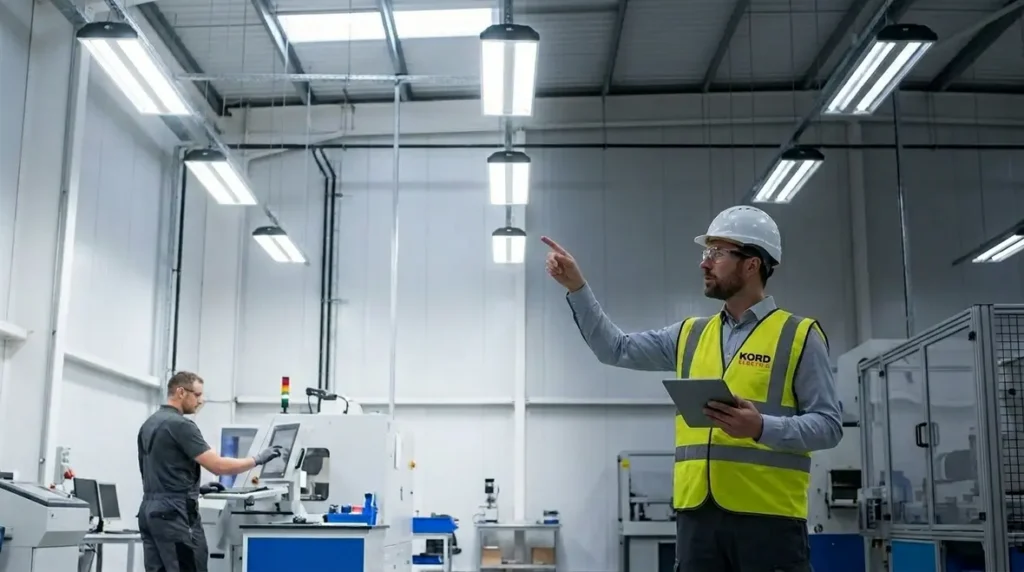
Next, our technicians look for three common issues. One is shadowing behind equipment, especially where gantries, racks, and tall materials block light. Another is glare from improper aiming or reflective surfaces. The third is light level drop-off across the line, where areas at the far end look “good enough” to someone standing near the power source, and not good enough to someone at the far end who has to approve products.
Then we check controls and maintenance access. Lights that cannot be serviced safely create long downtime. So we plan for access routes, spare parts, and practical relamping cycles. In short, we design for the long run, not just the first week of operation.
Designing for safe visibility in commercial and industrial buildings
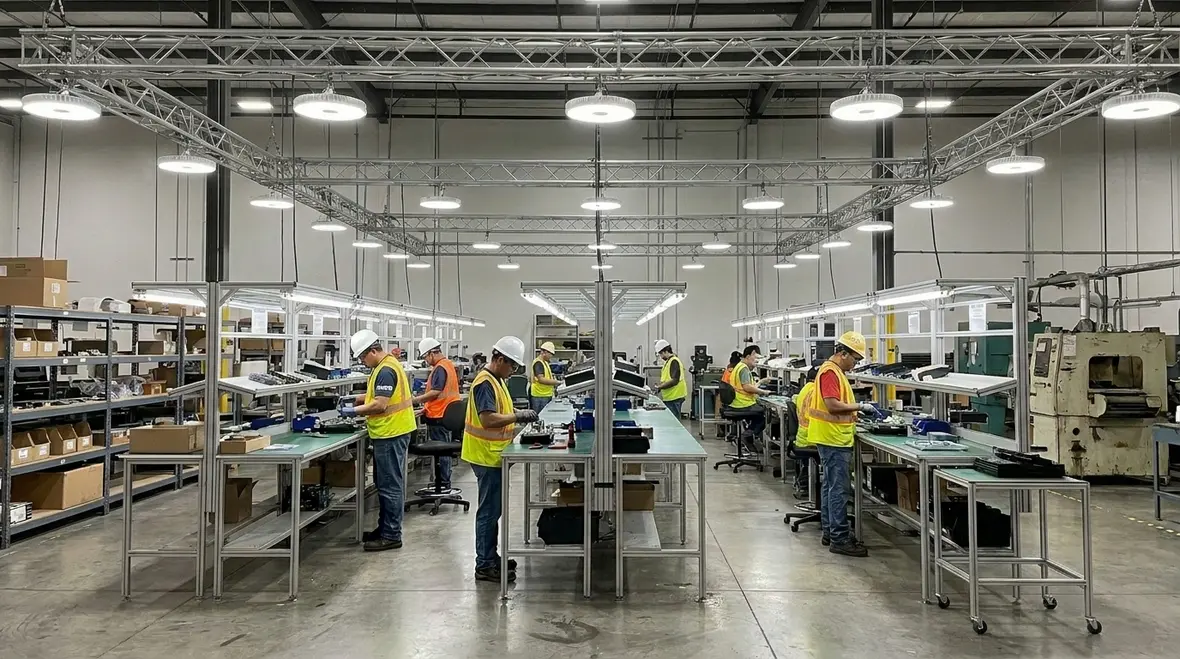
Safety and performance rise together when lighting supports clear decision making. Therefore, we pay attention to how people find exits, read labels, and respond to hazards. In production environments, even small delays can become costly, and poor light can turn a routine task into an accident waiting to happen.
For facilities near the ocean or coastal zones, we also factor in corrosion risk and harsh weather. Our team applies the same mindset we use in our coastal property electrical safety guidance, where we consider moisture, salt exposure, and the need for proper protection on components. Coastal conditions do not just affect equipment longevity. They also influence how reliably lighting systems function over time, especially outdoors, in loading docks, and around exterior pathways. For a deeper look at those coastal risks, many property teams also review our dedicated article on Santa Monica electrical safety for coastal properties.
At Kord Electric, we guide decision makers to use weather rated fixtures where required, protect cabling and connections, and keep grounding and bonding aligned with safety expectations. Consequently, the facility keeps working through storms, heavy humidity, and seasonal changes, rather than becoming a “lights out” case study.
Choosing the right layout elements for steady task light
The layout is not just about where fixtures go. It includes orientation, spacing, and aiming, plus the relationship between light and surfaces. To help production run smoothly, we focus on task light first, then we balance the surrounding ambient light so glare stays controlled and shadows stay soft.
Here are the key layout elements our teams typically refine during upgrades for commercial and industrial properties:
- Fixture placement based on work zones: We position lights to cover inspection benches, assembly points, labeling stations, and control panels with consistent brightness.
- Aiming and shielding: We reduce direct glare by adjusting fixture angles and using optics that fit the environment.
- Spacing strategy: We prevent dark pockets by using spacing rules that match mounting heights and reflectance in the room.
- Color and reflectance planning: We consider how walls, floors, and machine housings reflect light so the facility does not “eat” illumination.
- Controls alignment: We match dimming or zoned controls to shift patterns, occupancy, and production cycles.
In other words, we build a system that behaves like a good teammate. It shows up where it is needed, it does not distract, and it keeps delivering when the schedule gets busy.
And if someone tells you, “We will just add a few more lights,” we usually smile politely. Then we run the numbers. Because random additions often create reflections, glare hotspots, and uneven coverage. Lighting should act like a plan, not like a lighting strobe prank from an overcaffeinated intern.
How controls and zoning improve efficiency beyond brightness
Once the layout supports the tasks, controls can push efficiency further. Many facilities install lighting as if production runs the same way all day. However, real operations change: some bays run only during certain hours, some lines idle between batches, and maintenance zones stay active differently than the floor.
So we recommend zoning and controls that match the workflow. For example, we can separate lighting by production cell, loading area, warehouse aisles, and corridors. Then we tie switching or dimming to occupancy sensors, time schedules, and sometimes production signals when feasible.
As a result, the facility avoids lighting empty spaces at full output. It also reduces wear on lamps and drivers by lowering operating time during off cycles. Moreover, workers experience better comfort because the light level stays stable and predictable within each zone.
For major property buildings and industrial complexes, these changes can also simplify compliance reporting and ongoing maintenance planning. When a building has clear zones, service teams can troubleshoot faster and track performance without guessing.
Cost, downtime, and a practical upgrade path that avoids production shocks
Facilities often delay lighting improvements because they fear downtime and expense. Yet the better approach is staged planning with clear communication. At Kord Electric, we treat installation like a production project with timelines, safety controls, and coordination needs.
First, we plan work order sequencing to limit disruption. Then we align the upgrade with production slow periods, off shifts, or weekend maintenance windows. Next, we confirm that the electrical infrastructure supports the new lighting, including circuit capacity, voltage requirements, and any control wiring needs.
We also plan for the “hidden” factors that create cost surprises. For example, older facilities may have undersized conduit runs, outdated junction boxes, or inconsistent grounding practices. Therefore, our technicians often resolve these items during the upgrade so the new system performs as designed from day one.
And while we cannot promise every project will be as smooth as a sitcom plot, we do promise a process that stays organized and respectful of your operation. Even the most stubborn lighting problem usually yields when the layout, electrical conditions, and control strategy all match.
FAQ
Conclusion: Let us optimize your lighting layout and protect your output
If a facility lighting system forces people to strain, guess, or recheck, production pays the price. Kord Electric helps commercial and industrial buildings improve industrial lighting layout optimization for production efficiency through careful site evaluation, smart layout design, and practical controls. Our technicians plan upgrades to fit real schedules, reduce downtime, and support safe visibility. If you want steadier inspection results and fewer workflow interruptions, contact Kord Electric now. We will bring clarity to the lights, and calm to the team behind them.
For facilities planning broader reliability upgrades alongside lighting improvements, many property teams also explore structured electrical preventive maintenance programs so panels, breakers, and controls stay as dependable as the new lighting layout.