Industrial Subpanel Wiring for Safety and Reliability
Industrial Subpanel Wiring Best Practices for Reliability and Safety
Industrial subpanel wiring best practices matter because they protect people, equipment, and uptime. At Kord Electric, we treat every subpanel as a system, not a box of parts. We plan the layout, verify load needs, size conductors correctly, and keep wiring clean and labeled so troubleshooting stays simple. Next, we follow safe routing practices, use proper termination methods, and inspect everything before it leaves our shop. Meanwhile, our technicians and expert service staff explain the why behind each step, because good maintenance starts with understanding, not guessing. After all, nobody wants a “mystery trip” during peak production, like it is the end of a bad sitcom season.
Why commercial and industrial buildings need tighter subpanel control
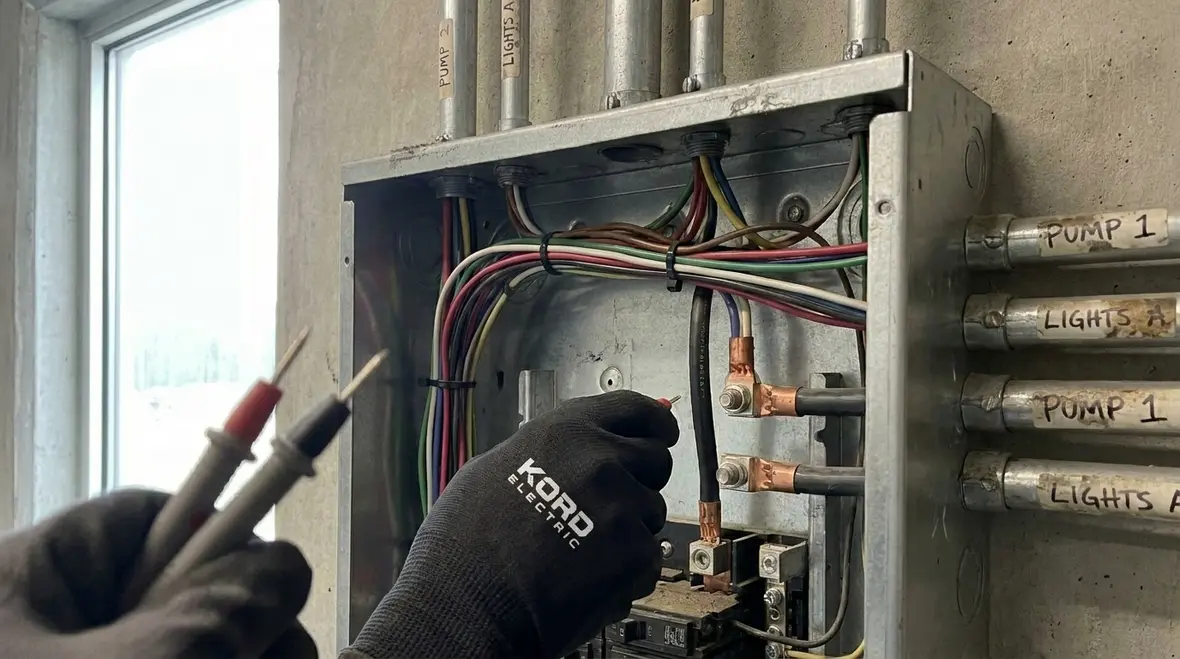
Commercial and industrial facilities run on schedules, processes, and strict budgets. When a subpanel wiring plan is sloppy, the problems do not stay small. Instead, loose terminations can create heat, heat can degrade insulation, and degraded insulation can trigger faults. Further, vibrations from machinery and long cable runs can add stress that a typical checklist does not catch. That is why Kord Electric focuses on major property buildings and operations where reliability is not optional. We build wiring setups that stay stable under real conditions, not just under ideal lab conditions. And yes, your facility will keep running even when someone tries to “just add one more breaker” like it is a casual upgrade in a video game. We still do the upgrade, but we do it right.
Load calculation and panel layout: the foundation that prevents future headaches
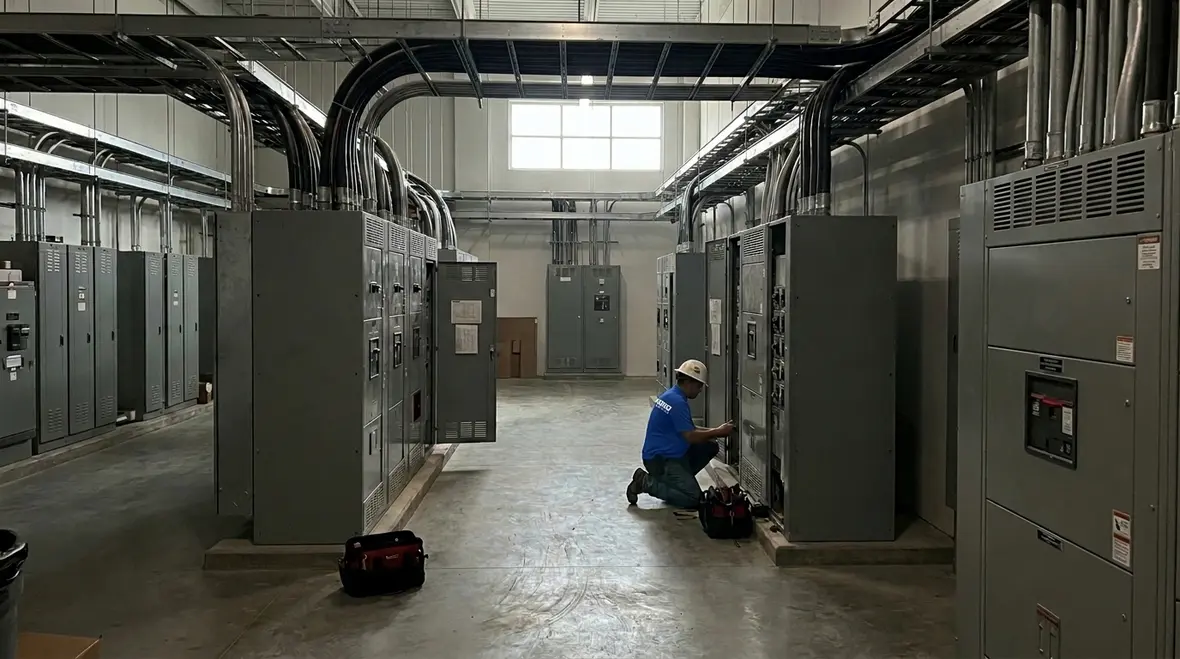
Before a single wire gets pulled, our team confirms the loads and the operating conditions. First, we review mechanical loads like HVAC, pumps, and compressors, plus process loads such as manufacturing equipment and material handling. Then we consider demand factors, starting currents, and any harmonics that can affect sensitive gear. After that, we map circuits so each load has a clear path and a logical home in the panel. Finally, we coordinate with the upstream protective devices so the system trips correctly instead of failing silently.
At this stage, our technicians also check installation constraints. For example, if conduit fill is tight, we plan routes early to reduce future pulling issues. Likewise, if there is limited space for cable management, we design for service access now, not later. Because once a panel is closed, the “we will fix it during the next shutdown” plan usually becomes “we will suffer until the next shutdown.”
Conductor sizing, overcurrent protection, and coordination that actually works
Industrial subpanel wiring best practices depends on conductor sizing and protection coordination, and Kord Electric handles both with care. To start, we size conductors based on ampacity and temperature rating, not guesswork. Next, we verify voltage drop for longer runs so motors and controls keep performing. Then we match circuit breakers or fuses to the conductor rating and the load profile. However, matching a breaker rating alone is not enough.
We also coordinate protective devices. That means the system clears faults in the right way, at the right location, and in the right time window. As a result, a fault on one circuit does not take down unrelated systems. Additionally, we consider selectivity between main and branch protection. In practice, that reduces nuisance trips and keeps production stable. Meanwhile, our expert service staff explains what coordination means in plain terms, so facility managers know what to expect when faults occur. The goal is not just compliance. The goal is calm, predictable behavior from your electrical system.
Wiring routes, separation, and labeling for safe serviceability
Good wiring does more than carry current. It must support safe installation, safe inspection, and safe future changes. We route conductors to avoid sharp bends, excessive tension, and areas with heat or physical damage. Further, we manage cable separation when different circuit types share a path. For example, power and low voltage circuits can influence each other if they run together without proper separation. So we design layouts that reduce interference and prevent noise from upsetting control signals.
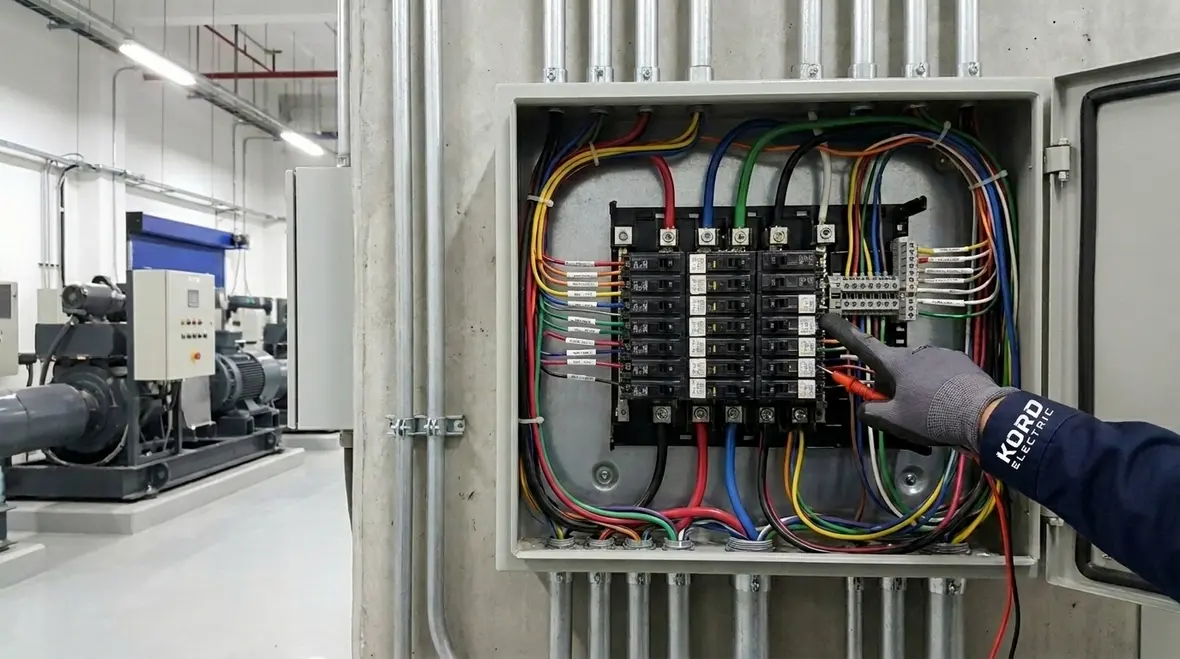
Then we label everything with discipline. We mark circuit IDs, panel origins, and feeder information clearly. We also document the wiring schedule and keep it aligned with the as built reality, because “almost correct” labeling is how technicians lose hours. Next, we use proper strain relief and grommets where needed so insulation stays intact. And yes, we keep a close eye on cable slack and bend radius, since those small choices can cause big failures over time.
At Kord Electric, our technicians also emphasize serviceability. We plan cable runs so a technician can trace a circuit quickly, remove components safely, and verify connections without guesswork. When the next project arrives, this saves time, reduces risk, and lowers the cost of doing the same work twice.
Termination quality: where reliability is won or lost
Terminations decide how well your subpanel performs long after installation day. When conductors are stripped too short, too long, or not prepared cleanly, contact quality suffers. And when contact quality suffers, resistance rises. Higher resistance leads to heat. Heat leads to loosening, oxidation, and failure. That is why we treat termination inspection as a critical phase, not a last minute formality.
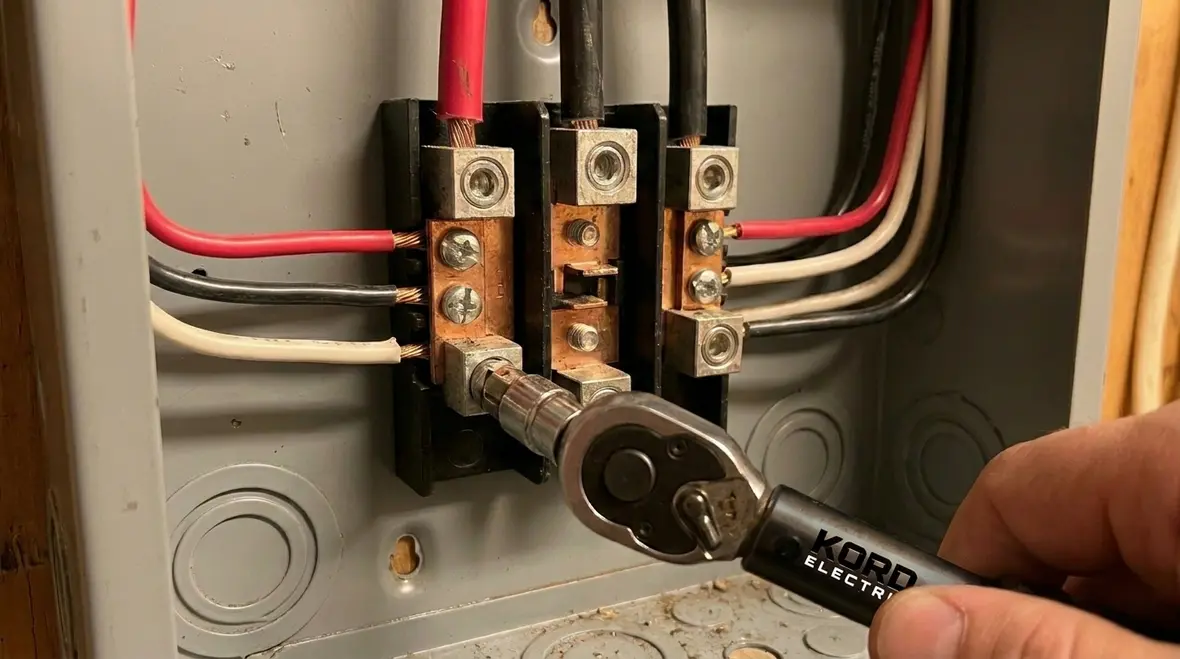
We use proper lugs and hardware that match the conductor material and size. Then we torque connections to the manufacturer specifications, using tools that hold accuracy. Also, we confirm conductor insertion depth and ensure insulation does not creep under the lug. After wiring, we check routing inside the panel so nothing rubs against edges, and so wire bundles remain neat and secure.
Our expert service staff explains these checks in a way that sticks. We show what “good” looks like and how a poor termination behaves during load cycling. In other words, we teach the lesson before it teaches you with smoke. And if you think electrical work is boring, just remember: boring is usually what happens when nothing fails. We prefer that kind of excitement.
Inspection, testing, and commissioning steps that keep risk low
After installation, we validate the system. We perform continuity checks, insulation resistance tests, and polarity verification where applicable. Next, we verify phasing and measure key parameters based on the facility type and equipment requirements. Then we test protective devices to confirm correct operation. We also check for labeling completeness and ensure circuit identification matches the documentation.
During commissioning, we coordinate with facility teams so they can plan around test windows. This matters for commercial and industrial sites where downtime costs real money. Additionally, we verify that panels connect cleanly to upstream feeders and that grounding and bonding support safe fault clearing. Then we review the results with the site team in a clear format.
To keep the process smooth, Kord Electric pairs our technicians with expert service staff so explanations happen in real time. Facility managers do not need to translate electrical terms into business impact. We map it for them. That way, everyone knows what we tested, what we found, and what we recommend next.
Dual column: documentation and change control for major projects
What we do
We maintain an as built wiring record with circuit IDs, feeder data, and device notes.
We label clearly inside the panel and in the service area.
We review planned upgrades with load changes and protection limits in mind.
We document testing results and device settings where required.
We coordinate change schedules with facility operations.
Why it matters
It speeds troubleshooting and supports audits without delay.
It reduces mistakes when others add, move, or verify circuits.
It prevents overload and keeps coordination intact.
It creates proof of quality and helps future maintenance.
It reduces downtime and keeps production stable.
FAQ: Industrial subpanel wiring reliability and safety
Next steps with Kord Electric
When your facility depends on steady power, you do not gamble with wiring. At Kord Electric, we design and install industrial subpanel wiring systems with reliability and safety at the center, and we keep the details readable for the people who maintain them. If you need a new subpanel, an upgrade, or an inspection of an existing setup, contact our team today. Our technicians and expert service staff will walk you through options and timelines, so you can move forward with confidence. Let’s keep your operation running, not troubleshooting.
For facilities that want to stay ahead of issues across panels, feeders, and distribution equipment, explore how our structured electrical preventive maintenance programs support safer, more reliable operation across commercial and industrial buildings.
If voltage stability or power quality has been a concern around your existing subpanels, you can also review our dedicated service page on managing voltage fluctuations in commercial and industrial facilities to see how we diagnose and correct hidden power issues before they cause downtime.