Kord Electric Commercial EV Charging Electrical Design Capacity
Kord Electric and Commercial EV Charging Infrastructure: Electrical Design & Capacity Planning for real sites
At Kord Electric, we build Commercial EV Charging Infrastructure: Electrical Design & Capacity Planning that actually fits the building, the load, and the people using it. Others may sell chargers. We plan the electrical path that makes those chargers work every day, not just on a grand opening slideshow. We align the charging layout with your site power, your future growth, and your safety requirements, then we document it so your team can move forward with confidence. If you are planning for a fleet, a multi user garage, or a campus style property, we treat it like infrastructure, because that is what it is.
And yes, we know the jokes are coming. When someone says “just plug it in,” we smile politely like a professional who has seen the smoke. Then we do the math. Slowly. Calmly. Like a baritone with a clipboard.
How we start planning a charging site the right way

First, we listen to what the property actually needs. A commercial and industrial facility has different realities than a quick retail install. So we map the energy picture: service size, existing panels, demand limits, transformer capacity, and how other loads behave during peak hours.
Next, our technicians and expert service staff explain the key decisions in plain terms. They walk the client through what changes when you add chargers, and why your building may need upgrades even if the parking lot looks “ready.” Then we confirm the operating model. Are chargers for workplace use with long dwell times? Is this a multi shift operation? Does your fleet run in predictable windows? Each answer changes the charging strategy, and it changes the electrical design.
Along the way, we connect the planning conversation with what we have already laid out in our broader EV charging infrastructure resources, including our EV Charging Infrastructure Planning for Commercial Growth guide, so facility leaders can see how this specific site design fits into a long-term rollout roadmap across their portfolio.
What electrical design must handle before a single cable drops
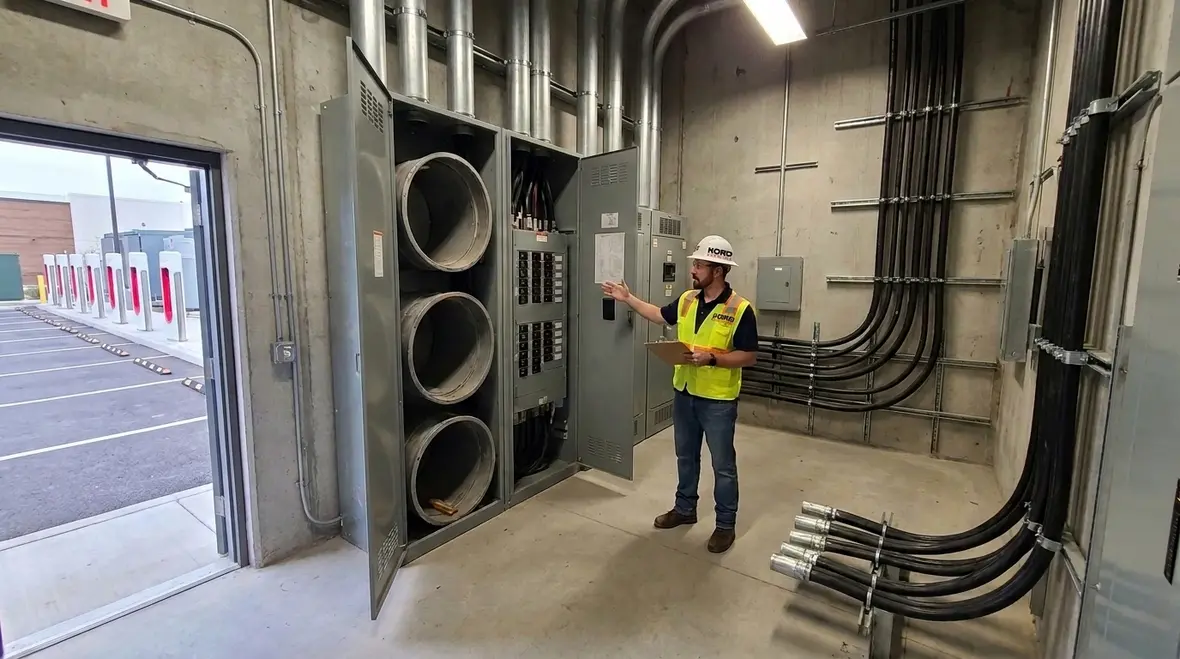
Most delays do not come from the charger hardware. They come from the parts around it. Therefore, we design the full system: conduit routes, load calculations, grounding and bonding, circuit allocation, and protection devices that match the site conditions.
We also plan for how the building will share power. If a facility adds chargers without smart load management, it can trigger demand spikes that force costly changes later. However, when we design for capacity up front, the site can support charging while remaining stable under real operating conditions.
To keep things clear, we explain the major design elements through our field experience. Our service staff often tells the same story: a client assumes power is “available” because there is spare capacity on paper. Then the utility billing, the building schedule, and the diversity factors show a different truth. We do not guess. We validate.
This is also where Commercial EV Charging Infrastructure: Electrical Design & Capacity Planning connects directly to broader infrastructure upgrades. When a site’s electrical backbone is already stretched, we use the same mindset we apply in our electrical infrastructure upgrade planning work to stage panel, feeder, and switchgear improvements so charging can grow without unraveling the rest of the building.
Capacity planning: sizing power for growth without overbuilding
Capacity planning sits at the center of the work. We model current loads and forecast future loads, then we size the electrical infrastructure so the plan lasts. That matters especially for major property buildings and multi tenant commercial sites, where expansion plans change and schedules rarely stay perfectly still.
As we plan, we use a practical approach. We estimate peak demand and then we apply design logic that allows charging to scale. In many cases, we can phase installations: install the chargers, confirm performance, then expand as you add vehicles or change usage. Still, the electrical groundwork must support that path. If conduits and switchgear are undersized, phased growth becomes a maze.
So we build a plan you can actually execute. And if a client wants the simplest route, we give them options. Sometimes we recommend capacity upgrades now. Sometimes we recommend smart scaling and load control. Either way, we explain what each path costs, what it avoids, and what risks it reduces.
For teams that want to go even deeper on how capacity choices affect rollout, we often pair this discussion with our EV charging infrastructure planning guide, which breaks down how electrical limits, demand charges, and growth scenarios all intersect with budget and schedule.
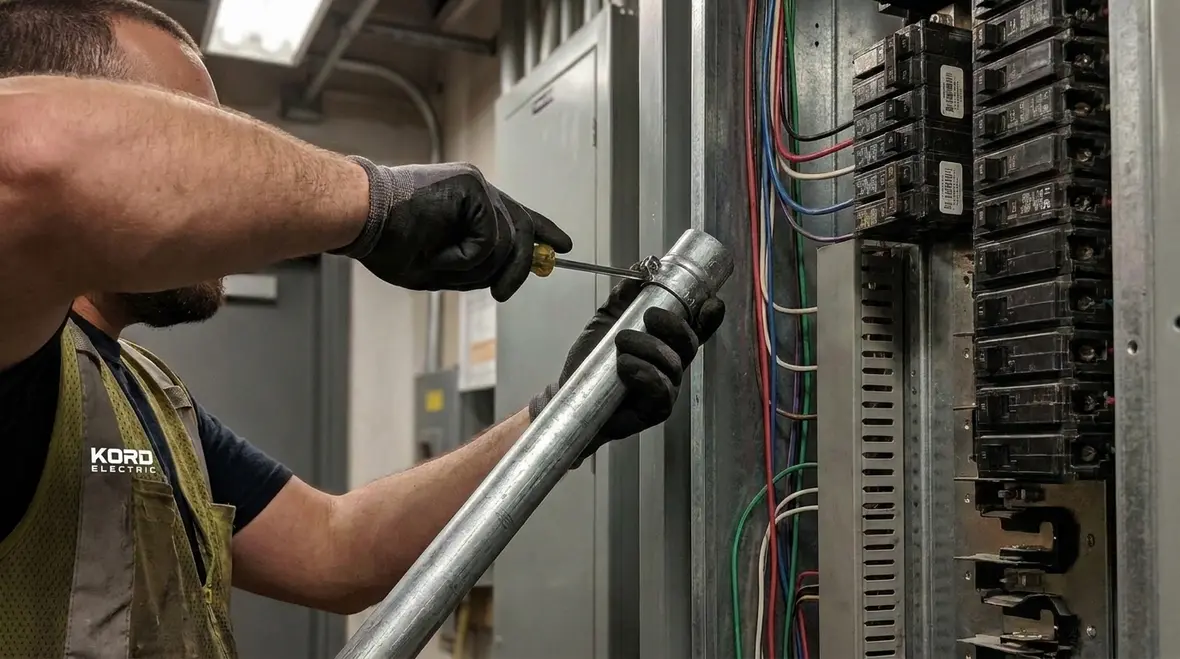
Because we work only with commercial and industrial properties, we treat capacity as a reliability topic, not just a sizing exercise. The design has to hold up on the busiest mornings, the weirdest peak days, and the moments when fleet schedules stack on top of building loads in uncomfortable ways. That is where disciplined, commercial grade planning separates itself from quick charger installs.
Charging layout and site design that reduce electrical headaches
A good layout does more than look organized. It reduces cable runs, improves service access, and prevents future rework. Therefore, we design charger locations based on traffic patterns, vehicle clearance, user access, and how technicians will maintain the equipment.
We also pay attention to physical details that people forget. A cable route that crosses high wear areas can lead to repairs. A charger placed without service clearance can slow down troubleshooting. And if the enclosure location does not support safe wiring practices, you can end up with expensive changes before the first charger even sees a customer.
Our team helps clients picture the full workflow. For example, if a property runs maintenance windows at night, we plan for how service personnel reach equipment safely and quickly. In other words, we design the site so the system stays reliable. Reliability is boring, yes. It is also the reason businesses keep paying for charging instead of paying for downtime.

On large commercial campuses, we often coordinate charging layout decisions with broader traffic and operations planning, using the same disciplined approach we bring to scalable commercial EV charging network setup projects so chargers, signage, and electrical rooms all align instead of fighting each other.
Utility coordination, permits, and documentation that keep projects moving
Once we confirm the electrical design, we coordinate the steps that keep timelines intact. That includes utility requirements, permitting steps, and the paperwork that explains what we installed and why. Clients in commercial and industrial settings often need clear documentation for internal stakeholders, lenders, or facility teams.
Our expert service staff supports this process with field based clarity. They explain what the utility may request, what inspections typically focus on, and how we prepare drawings and notes so installers and inspectors have what they need. We treat this as part of the engineering work because it is.
And yes, utilities sometimes move slower than a sitcom character deciding to “just tell the truth.” But when we submit organized, accurate packages, we reduce back and forth. That means fewer delays and fewer last minute design changes.
For multi site operators, we also align our documentation with how your capital and operations teams already track projects. That might mean consistent one line formats, clear labeling standards, or tying EV charging work into electrical maintenance plans so the system stays traceable instead of becoming a one off mystery.
Operations after installation: load control, monitoring, and service readiness
Installing chargers completes one job. Operating them completes the next. We help clients plan for ongoing performance through smart load management approaches and monitoring practices that fit their site.
In commercial environments, you rarely want chargers to fight the building’s other loads. So we set up strategies that smooth demand and support predictable charging schedules. Then we ensure the system supports maintenance, including access for technicians, clear safety practices, and replacement planning.
Our technicians stay involved beyond the install mindset. We guide facility teams on what to check, how to interpret alerts, and when to escalate to service. That matters in major property buildings where multiple systems run at once. People want chargers that behave like dependable equipment, not like a new hobby.
We also connect post installation planning with the rest of your electrical reliability strategy. For many clients, EV charging ties into preventive maintenance programs, electrical infrastructure upgrades, and broader power quality work so the entire site, not just the chargers, benefits from disciplined monitoring and service readiness.
How Commercial EV Charging Infrastructure: Electrical Design & Capacity Planning fits your wider facility strategy
When we talk about Commercial EV Charging Infrastructure: Electrical Design & Capacity Planning, we are not describing a one off project. We are describing a way to connect charging investments to everything else living inside your electrical rooms and parking lots.
For example, a logistics hub adding fleet charging might pair this work with targeted panel and feeder upgrades or with a structured electrical maintenance plan. A major office campus could align workplace charging with broader commercial EV charging infrastructure planning across multiple garages. In both cases, the charging design is shaped so it supports long term operations instead of forcing the facility to chase quick fixes every budget cycle.
Our team also draws on lessons from other projects, including campus wide network setups and fleet focused infrastructure in California, to show how smart capacity planning and clear sequencing help sites grow from early phases to full scale charging without breaking their schedules.
Because charging touches so many building systems, we often coordinate with internal stakeholders who care about security, IT networking, parking operations, and sustainability reporting. The more those voices are aligned early, the smoother the electrical and capacity planning work becomes.
Where Kord Electric delivers commercial EV charging services
Kord Electric focuses on commercial and industrial facilities, along with major property buildings, where uptime and safety are non negotiable. That includes warehouses, logistics yards, office campuses, data centers, fleet depots, and multi level parking structures.
In these environments, EV charging is one part of a much larger electrical picture. Our teams connect Commercial EV Charging Infrastructure: Electrical Design & Capacity Planning with utility coordination, power quality, and broader electrical reliability so each project strengthens the entire site instead of living in a silo.
If you are operating in Southern California and want a partner who understands both charging and core electrical infrastructure, our dedicated Los Angeles County electrical services help align EV work with panel upgrades, maintenance, and troubleshooting across your facilities.
FAQ
Commercial charging done right, from design to service
Kord Electric helps commercial and industrial facilities plan EV charging infrastructure with electrical design and capacity planning that matches real site power. We coordinate the details, design the layout, and prepare the documentation that keeps projects moving. After installation, our technicians and expert service staff support monitoring, safety, and operational readiness so your chargers stay dependable. If you are planning a multi bay garage, fleet charging, or a major property build, contact Kord Electric today for a site focused assessment and a clear path forward.
When you are ready to move from ideas to a buildable plan, our team ties together Commercial EV Charging Infrastructure: Electrical Design & Capacity Planning with permitting, construction, and long term service so your project does not stall halfway. We treat your charging network like core infrastructure, because for your business, that is exactly what it is.
If you want a partner who can bridge design, installation, and long term electrical reliability across your properties, Kord Electric is ready to help you map the next phase of your commercial EV charging strategy.
To connect this planning work with broader electrical support, explore how our regional service teams handle commercial projects end to end, from EV charging to distribution upgrades, so your infrastructure grows with confidence instead of surprises.