Kord Electric Electrical Equipment Audit Workflow Day One
Kord Electric Electrical Equipment Audit Workflow: what happens on day one
At Kord Electric, we follow an Electrical Equipment Audit Workflow: A Step-by-Step Facility Guide so your commercial or industrial power systems get a clear, honest picture fast. First, our team begins with a structured walk through your site, then we review drawings, nameplate data, and prior maintenance records. Next, our technicians test critical loads, check protection settings, and confirm how power moves through switchgear, breakers, panels, transformers, and motors. After that, we compare what the facility does with what the documents say, and we close gaps with targeted recommendations. Then, we document everything in a way that your operations team can actually use. And yes, we keep it calm, because nobody wants an audit that feels like a horror movie with a clipboard.
Electrical audit goals for commercial and industrial sites
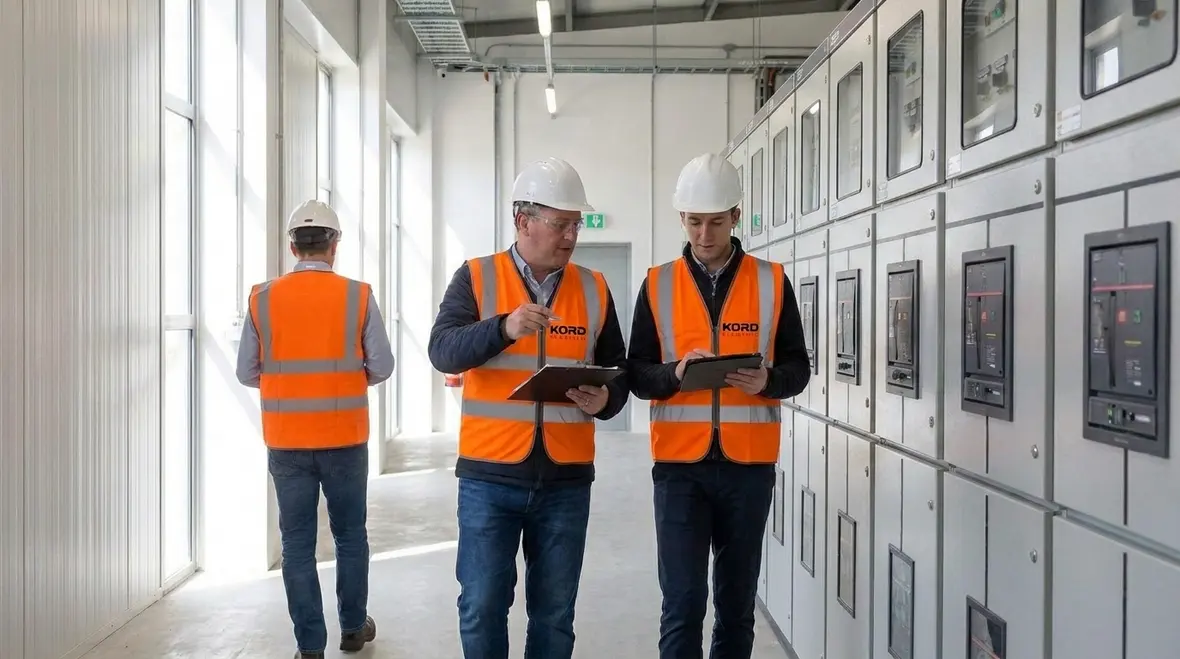
We serve commercial and industrial facilities and major property buildings, so our Electrical Equipment Audit Workflow stays focused on real business risk. The goal is not to collect paperwork for the sake of collecting paperwork. Instead, we reduce downtime risk, protect personnel, and help you avoid costly, surprise failures that show up right when the building is at its busiest.
Our expert service staff explains the “why” behind each observation. For example, if we find heat marks, abnormal breaker trip behavior, or inconsistent voltage under load, we tell you what that likely means for equipment life and system reliability. Furthermore, we align our findings with how your site actually operates, including peak demand schedules, critical tenant needs, and any temporary operating modes you run during renovations.
In other words, we treat your electrical system like a living system with patterns. When those patterns shift, we want to know early, not after the lights do that dramatic flicker thing that always happens at the worst possible moment. (That flicker is never subtle, and neither is the invoice.)
Because an audit often leads directly to corrective work, many facilities pair day one findings with follow-up services like a commercial facility power audit by Kord Electric so they can close gaps before the next busy season pushes systems to their limits.
Step one: gather site data and verify what exists
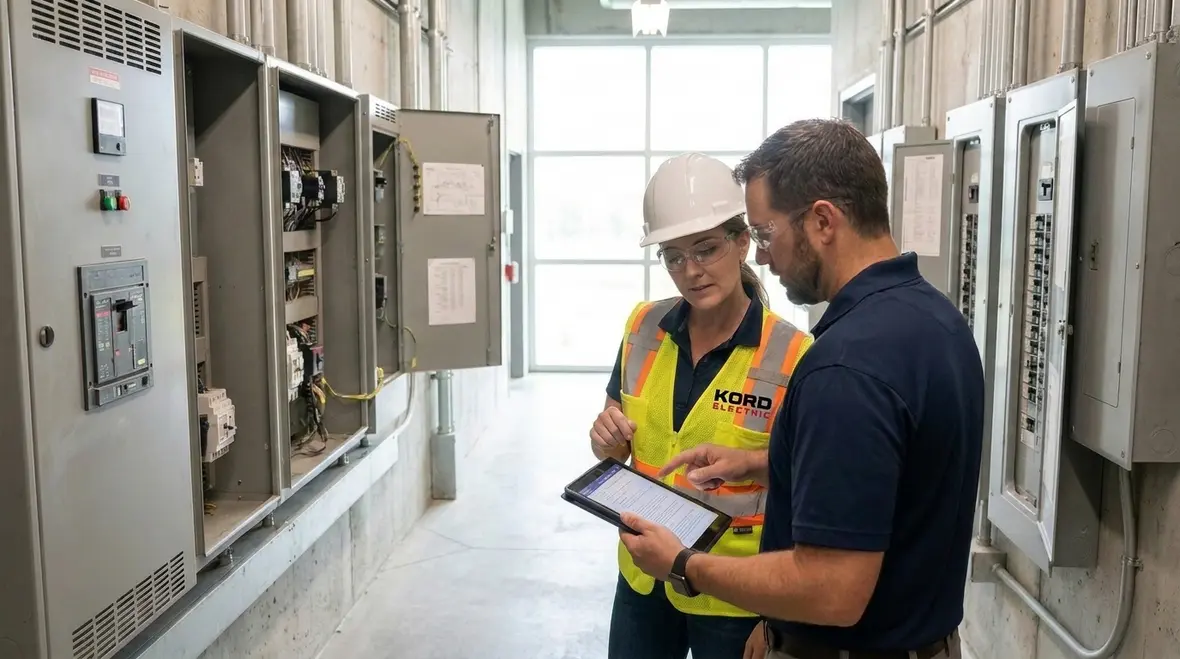
Before we test anything, we build an accurate baseline. First, our technicians review one line diagrams, electrical schematics, and equipment schedules. Then we compare documents against what we see in the field. If a transformer nameplate or breaker rating does not match the drawings, we flag it immediately. After that, we collect historical maintenance notes, energy usage data where available, and any recorded fault events.
Because commercial sites change over time, this step matters. In many major buildings, equipment gets added during expansions, tenant work, or upgrades, and the “as built” documents lag behind the truth. However, our process closes that gap by confirming actual configurations. We also capture labels, panel feeder routes, and load types so later testing connects to specific equipment rather than vague “it seems off” observations.
At this stage, our expert service staff takes time to explain what we are looking for and what your teams should expect next. That communication reduces delays because everyone knows where to go, what to open, and when power needs to be momentarily stable for safe measurements.
For many California facilities, that baseline view also helps connect audit findings with broader planning work, such as data-driven electrical design or targeted surge protection upgrades, so the Electrical Equipment Audit Workflow: A Step-by-Step Facility Guide becomes part of a bigger reliability strategy instead of a one-time inspection.
Step two: walk the facility and map power paths
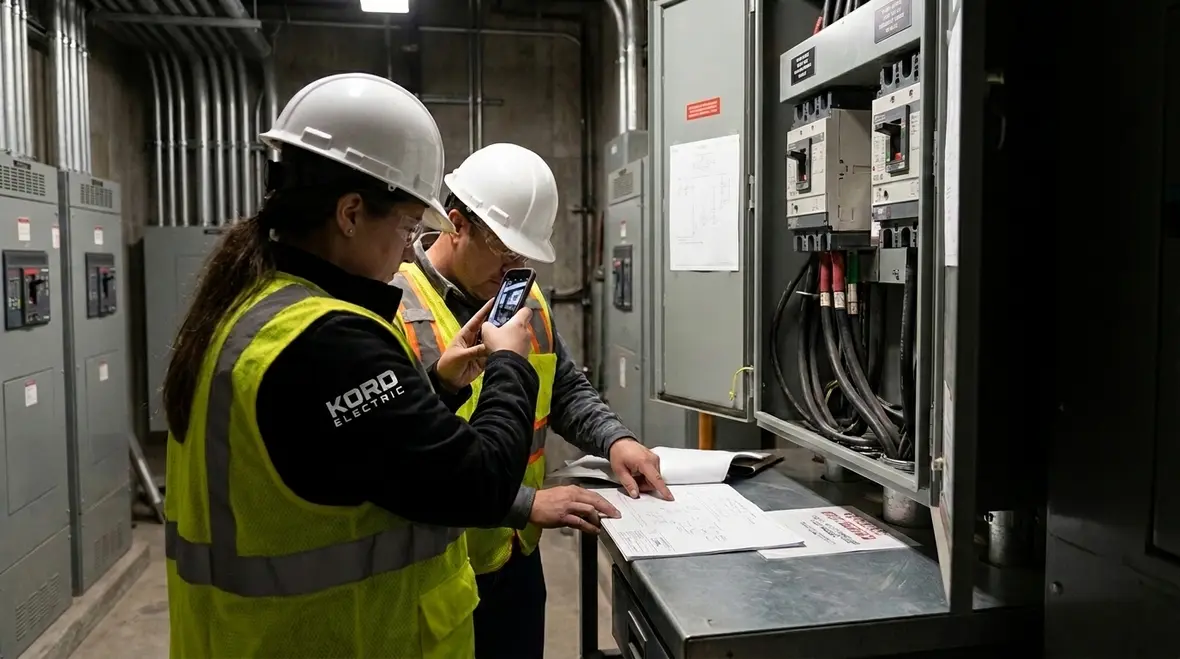
Next, we run a detailed facility walk. We trace power paths through the main incoming gear, distribution equipment, and downstream loads. Then we identify where electrical stress can build up, such as over loaded feeders, poorly ventilated rooms, or areas with frequent switching.
During this walk, our technicians look for signs that do not show up in a spreadsheet. We check for loose connections, signs of moisture, abnormal grounding conditions, and equipment cleanliness issues that can reduce cooling efficiency. Additionally, we confirm whether protective devices coordinate properly across levels. When coordination is off, the first device to trip may not be the one you want. Instead of isolating just the problem, you can lose more than you need.
To keep this practical, we also ask your operations team how the building behaves day to day. We want to know when processes ramp up, when peak loads hit, and whether critical systems have special startup procedures. Therefore, our audit workflow does not float in theory. It matches the realities of the site.
Many of the patterns we see on these walkthroughs echo what our teams document in broader reliability guides, like preventing commercial power surge damage in buildings, so the information from day one becomes a bridge between real-world behavior and long-term design and maintenance choices.
Step three: electrical tests, safety checks, and settings review
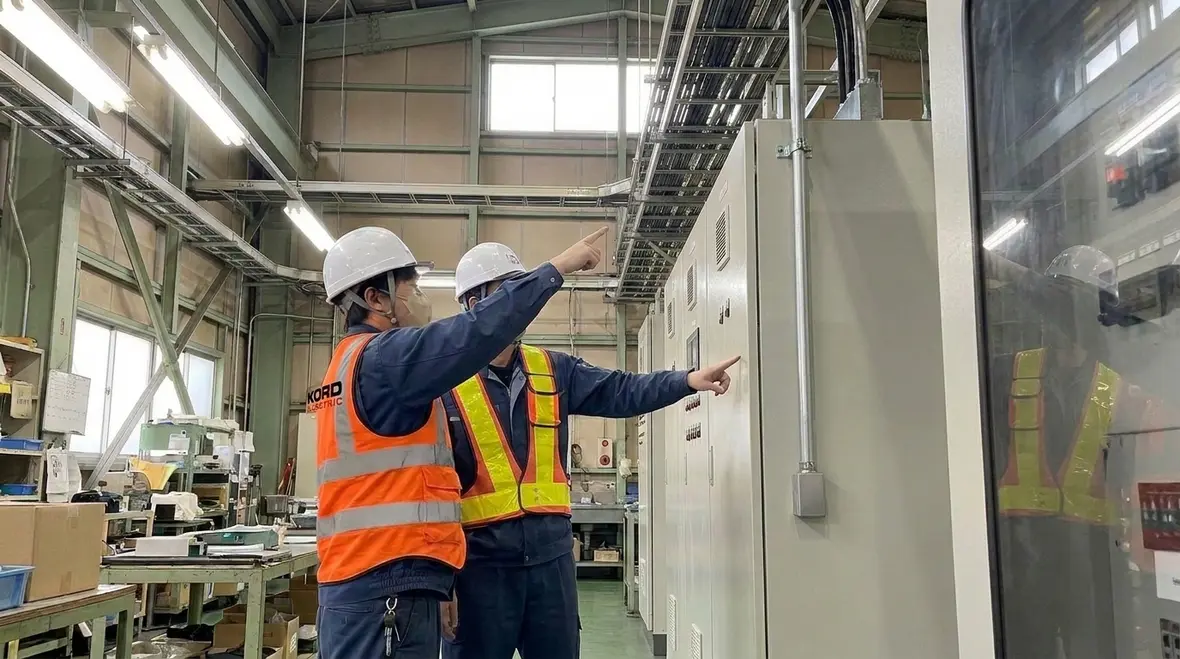
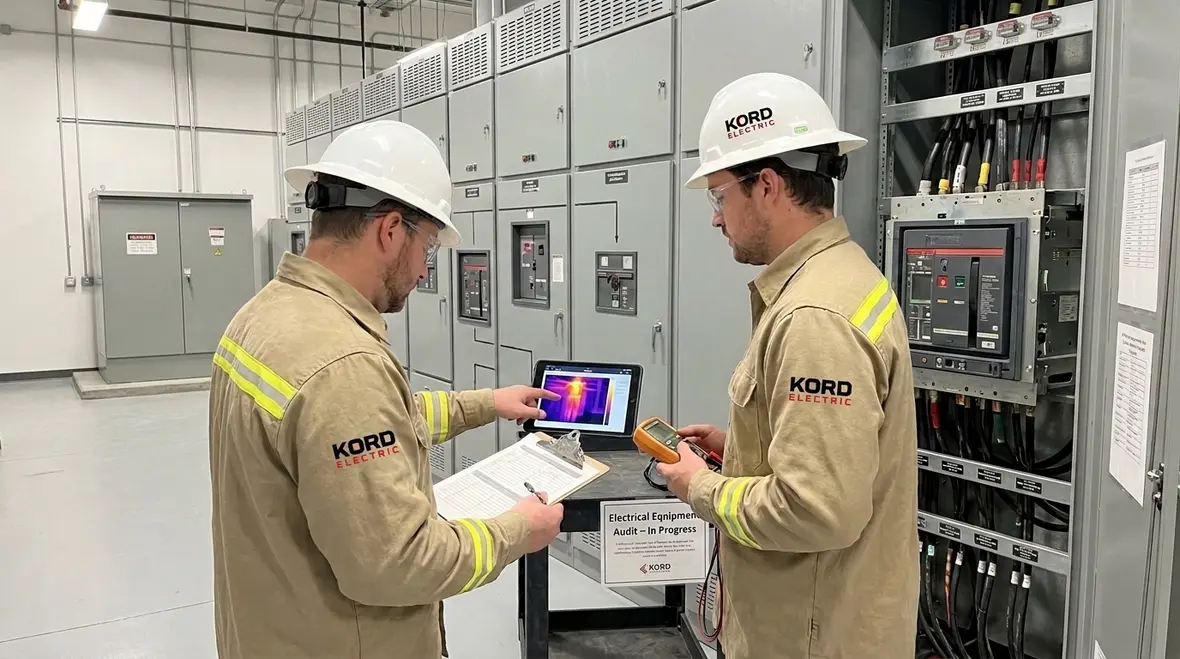
Now we move into testing and verification. We examine insulation condition, perform conductor and contact resistance checks where appropriate, and evaluate thermal behavior with careful, controlled measurement methods. We also verify voltage and current patterns under actual load conditions rather than relying only on static readings.
Protection systems get special attention. We review breaker and relay settings, confirm time-current characteristics, and check that protective equipment matches the system design. If a setting looks outdated or does not match the current load profile, we document it and explain the potential risk. Moreover, we look at harmonics and power quality indicators, especially in facilities that run lots of variable speed drives, rectifiers, or non linear loads.
We do not just say “power quality is bad” and leave it there. Instead, we show you what that can mean for overheating, nuisance tripping, nuisance outages, and reduced equipment life. And yes, if your facility has been living with a “mysterious breaker trips” problem, we treat that like a clue, not a mystery box. Fans love mystery boxes. Buildings do not.
When facilities operate critical environments such as data centers or process lines, these tests often tie directly into strategies like data center uptime planning and emergency power design, so the Electrical Equipment Audit Workflow: A Step-by-Step Facility Guide supports a broader continuity and resilience program instead of isolated fixes.
Step four: evaluate motor loads, panels, and transformers
After the primary distribution is understood, we assess the major equipment that often drives ongoing issues in commercial and industrial environments. We evaluate transformer performance, look at loading patterns, and confirm that cooling and ventilation meet the needs of the site. Then we verify panel board conditions and the health of bus bars, terminations, and feeder circuits.
Motor circuits receive a focused look because motors often operate near their true conditions, not their “nameplate” conditions. We check whether there is evidence of imbalance, excessive starting stress, or recurring overload patterns. We also evaluate how control devices and protective parts interact, including the role of overload relays and contactors where present.
At this point, our workflow supports a clear result: we tie test findings to equipment that you can prioritize. Therefore, the output is not a wall of data. It is a working list of what needs attention first, what can wait, and what looks normal but deserves monitoring. We keep your teams in the loop, and we explain each item in plain language so the recommendations become decisions.
Where appropriate, we also align day one findings with future projects such as commercial lighting upgrades, EV charging infrastructure, or panel capacity improvements, so that each decision about motors, panels, and transformers fits into a coordinated electrical roadmap rather than a series of disconnected changes.
Step five: document results and produce an action plan
Finally, we compile a complete report that supports engineering decisions and maintenance planning. We document observations, test methods, equipment details, and the reasoning behind each recommendation. Then we organize the findings by risk and impact so you know what helps you most, first.
To help you move quickly, we also outline options for corrective action. For example, some issues can be addressed through maintenance improvements, tightened connections, updated labeling, or revised operating procedures. Other issues may require equipment repairs or parts replacement. In both cases, we explain what changes and what outcomes you can expect.
Additionally, we summarize key power performance indicators and protective device readiness so your facility leaders can track progress over time. We also support practical follow up, such as scheduling next steps before the next busy season hits. Because outages do not care about your calendar. They only care about wear, stress, and timing.
If you operate in Southern California, those next steps can plug directly into regional support like Los Angeles County electrical services for commercial and industrial facilities, aligning your audit results with project execution under one coordinated team.
How Kord Electric structures the audit report for faster decisions
Our teams know that stakeholders have different needs. Therefore, the report is built so each reader finds value without digging through every page. To make that easy, we use a two layer structure once during our workflow, separating field evidence from action priorities so your team can move with confidence.
Evidence
We list equipment observations, test results, and system details in a way that supports verification and internal review. Photos, measurements, one line markups, and maintenance history all live here so technical teams can confirm exactly what we saw.
Priority actions
We map those findings to risk levels and recommended actions, including urgency and potential downtime impact. We also include a clear note on what we need access for, which helps your maintenance team plan efficiently, and where follow-up projects such as targeted panel upgrades or emergency power improvements can deliver the biggest return.
That structure keeps day one usable for everyone: technicians see the data, operations sees the timelines, and leadership sees costs and risk in language that supports decisions instead of more questions.
Electrical Equipment Audit Workflow: A Step-by-Step Facility Guide in context
On its own, an Electrical Equipment Audit Workflow: A Step-by-Step Facility Guide gives you clarity about how power behaves in your building today. In practice, it also serves as a bridge between current conditions and future projects. When you understand where loads stress equipment, where protection settings lag behind reality, and where documentation no longer matches the field, you can plan upgrades without guesswork.
For example, audit findings might point to transformers running hotter than expected, panels approaching their realistic capacity, or motor circuits that experience repeated overloads during specific operating windows. Instead of reacting one failure at a time, you can schedule targeted work, coordinate shutdowns in advance, and bundle improvements so that each visit from an electrical crew moves your facility toward a more stable, efficient state.
This is also where coordination with other Kord Electric services matters. The same team that walks your distribution on day one can help you plan complementary work such as emergency power upgrades, EV charging expansion, or lighting control improvements, all grounded in measured data rather than assumptions. The result is a facility that feels calmer, more predictable, and easier to manage, even when operating demands grow.
FAQ
Ready for a calm, clear electrical audit?
If you run a commercial or industrial facility, you need power reliability you can trust, not guesswork. Kord Electric brings a disciplined Electrical Equipment Audit Workflow: A Step-by-Step Facility Guide with hands on testing, careful settings review, and clear reporting your team can act on. We also explain findings in plain language through our technicians and expert service staff, so decisions feel straightforward. Contact Kord Electric to schedule an audit and build a practical plan that protects uptime and supports smarter maintenance.
When you are ready to turn day one insights into long-term stability, our team can also help you plan follow-up work through dedicated service offerings, from targeted panel upgrades and distribution improvements to full-scope Los Angeles County electrical services that keep your facility moving from “we hope everything holds” to “we know what to expect.”
However complex your site may be, the goal stays simple: keep the electrons steady, the equipment honest, and the audit calm enough that nobody feels like they are starring in a horror movie with a clipboard.