Site and Line Load Balancing: Managing Electrical Demand with Control, Not Guesswork
In commercial and industrial facilities, Site and Line Load Balancing: Managing Electrical Demand keeps lights steady, motors happy, and production on schedule. We see it all the time. Someone adds equipment, a new tenant moves in, or a facility upgrades a process, and suddenly the electrical system starts behaving like it forgot the schedule. Instead of guessing, we balance the load across the right circuits and feeders so each part carries its fair share. And yes, we also remind our clients that electricity does not care about office politics, budgets, or “we thought it would be fine.”
In this article, Kord Electric explains how technicians and our expert service staff plan, test, and maintain load distribution for commercial and industrial properties. We also point out how a smart strategy prevents overloads, protects equipment, and helps manage demand charges. Plus, we make it clear what to do next, because “later” is not a maintenance plan.
How Kord Electric Balances Loads Across a Facility
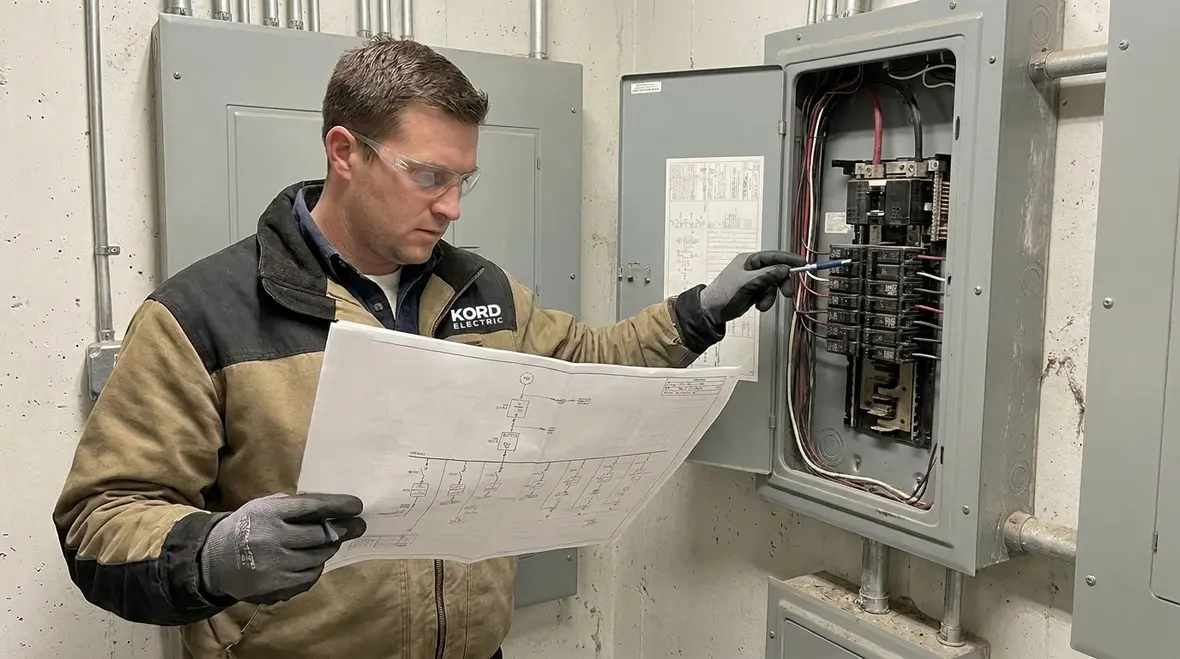
We approach balancing like a system, not a one time fix. First, our technicians examine the electrical one line diagram, circuit schedules, panel boards, switchgear, transformer capacity, and the way loads actually behave during the day. Then, we measure real operating demand, not nameplate values. That matters, because actual load can swing with HVAC cycles, production schedules, refrigeration cycles, and after hours activities.
Next, we identify the “hot spots.” Some feeders run close to capacity while others carry spare capacity. When that happens, load is trapped where it should be spread. As a result, the facility pays the price in overheating, nuisance trips, voltage drop, and shortened equipment life. Therefore, our process focuses on redistributing demand so the facility runs within design limits.
It is like parking in a fully packed lot. You can keep circling one spot forever, but it is smarter to use the open spaces nearby. Electricity behaves the same way. If one line works hard while others lounge, the system eventually gets cranky.
Across Los Angeles County, facilities that take this structured approach to load distribution see fewer surprises and smoother operations. For teams that also want to understand how targeted balancing fits into broader commercial strategies, our Commercial Electrical Load Balancing to Prevent Overloads guide adds even more real world context.
Why Site Load Balancing Matters More Than People Think
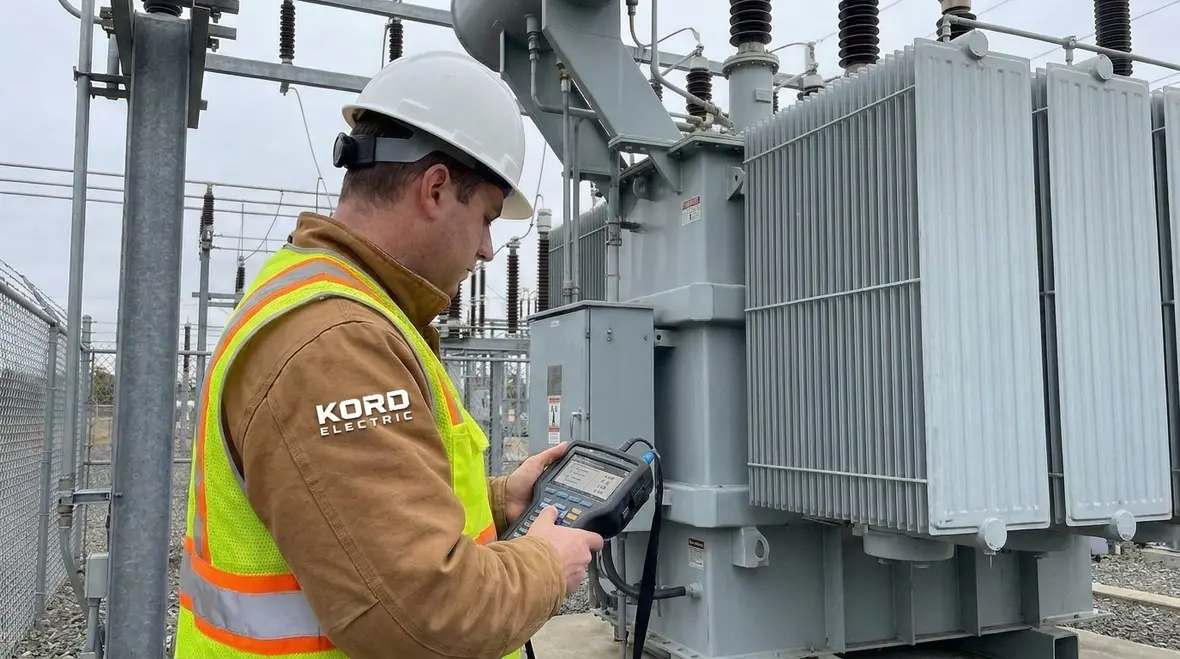
Many people look at total building load and stop there. Yet, for commercial and industrial facilities, Site and Line Load Balancing: Managing Electrical Demand goes deeper. The main goal is to control stress on transformers, switchgear, feeders, and bus systems across the site, not just to hit a single overall kW target.
For example, a facility may sit at a reasonable average load but still experience overload conditions during peak moments. One production line starts up, a chiller kicks on, and a cluster of panels spikes at the same time. Meanwhile, another part of the building stays quiet. In that case, peak load drives conductor temperature and breaker stress. So, the “average” can look safe while the system still faces harmful peaks.
Furthermore, load concentration can increase the risk of nuisance trips. When breakers trip, the facility loses time, production slows, and staff start doing the classic “reset and hope” routine. We do not do that. Instead, we use measured load profiles and practical redistribution options that keep critical operations stable.
Site load balancing and the bigger reliability picture
In larger campuses and major property buildings, site level balancing also supports backup systems, load shed strategies, and redundancy plans. When demand is already aligned across the property, it becomes easier to decide what to prioritize during an outage, how to share capacity between tenants, and which circuits feed life safety systems versus general use loads.
Because Kord Electric focuses on commercial and industrial properties, our team has seen how subtle shifts in usage can push one corner of the site toward trouble while the rest looks calm. Site balancing turns that hidden risk into a visible, correctable condition instead of an unwanted surprise.
Line Load Balancing: Managing Hot Feeders and Uneven Panels
Line balancing targets specific feeders and panel sections. Our technicians map which circuits serve which equipment and how those loads change throughout the day. Then, we evaluate feeder ampacity, breaker sizing, conductor temperature ratings, and voltage drop. After that, we determine where redistribution is feasible without compromising safety or code compliance.
To do this well, we often work at the panel and circuit level. We may move loads between feeders, adjust phase assignments when appropriate, or reconfigure switching and control logic so equipment starts in a more staggered pattern. In some facilities, the biggest improvement comes from fixing an outdated wiring layout from an earlier build. In other cases, it comes from changing how equipment sequences during start up.
And yes, we hear jokes like “If we turn it on all at once, it must be faster.” That is a comedy bit, not an electrical design strategy. When multiple large loads energize together, the resulting demand spike can stress the system. Line balancing reduces those peaks so the building does not act like it is powering a sports stadium during a playoff run.
Panel level decisions that keep everything cooler
At the panel, small corrections can make a big difference. Moving a few high draw loads to different phases, separating similar equipment that used to land on the same leg, or updating breaker coordination can drop temperatures and calm down nuisance tripping. When those changes are planned and documented, they also make future upgrades faster and safer.
In many Los Angeles County facilities, panel and line balancing goes hand in hand with broader upgrades like subpanel additions or switchgear modernization. When that happens, Kord Electric designs the changes so new capacity arrives already balanced instead of creating fresh hot spots on day one.
What Our Technicians Measure Before They Touch Anything
We only recommend changes after we confirm what is happening now. Our expert service staff typically begins with site walk downs and document review, then follows with power quality and demand measurements. We look for patterns like repeated spikes, harmonic issues that can affect certain loads, and time based demand growth driven by operational changes.
Then, we correlate those readings with equipment schedules. For example, we verify whether a refrigeration compressor or an air handling unit starts at the same time as a large motor load. We also check whether any panels show consistent imbalance between phases. If phase imbalance exists, it can lead to extra heating even when total current seems acceptable.
After measurements, we develop a balancing plan that includes expected outcomes. We outline what loads we would shift, why those shifts make sense, and how we will confirm success after the work. In other words, we do not just “move wires.” We manage electrical demand like a business process with steps, verification, and accountability.
From measurements to a stable operating plan
Once the data confirms where the system strains, we prioritize changes that deliver the most benefit with the least disruption. That may mean tackling a few overloaded feeders first, reshuffling panel circuits in a critical area, or adjusting start sequences so major equipment no longer competes for the same instant of inrush current. Each change gets verified, and the final configuration is documented for the facility team.
Commercial Electrical Load Balancing to Prevent Overloads: A Practical Strategy
When Kord Electric designs a load balancing plan for commercial and industrial buildings, we focus on preventing overloads in the real world, not in a spreadsheet fantasy. Our team aligns with the principles described in our blog on commercial electrical load balancing to prevent overloads, which emphasizes proactive distribution, measurement, and practical execution. The goal is simple: keep the system within safe limits under normal operation and during peaks.
First, we define target ranges for feeders and panels based on design capacity and operating tolerance. Then, we build scenarios that reflect the facility’s peak windows. After that, we choose the best combination of changes, which can include circuit redistribution, start up sequencing adjustments, and better coordination between panels and switchgear.
Next, we verify results using follow up measurements. This step matters because real conditions include human behavior, maintenance schedules, and equipment cycling that no two sites share exactly. Finally, we document the final configuration so future expansion does not undo the improvements.
And if you are thinking, “This sounds like a lot,” that is correct. It is a lot. Electrical overload prevention is not something we wing. A facility cannot afford a strategy that relies on vibes, luck, or a hero electrician sprinting in at 2 a m.
Connecting overload prevention to broader electrical planning
Because overloads rarely happen in isolation, we often combine Site and Line Load Balancing: Managing Electrical Demand with other planning work, such as redundancy design, emergency load shedding, and panel upgrade strategies. That way, when the system is balanced, it is also backed by equipment and controls that support uptime instead of working against it.
Installation, Testing, and Ongoing Maintenance That Keep the Balance
Balancing is not a “set it and forget it” task for major property buildings. Loads change. Equipment ages. Operations expand. Therefore, Kord Electric treats load management as ongoing care.
During installation work, we coordinate with facility operations to limit disruption. Then we perform functional checks, torque and insulation verification where needed, and breaker and feeder verification before returning the system to normal operation. After any change, our technicians test and review performance. We confirm that redistribution did not move stress to another part of the system.
Next, we establish a maintenance and monitoring approach. For many commercial and industrial sites, the best results come from scheduled checkups at seasonal demand shifts and after major equipment changes. In addition, monitoring can help staff detect drift early, before it becomes a costly failure or a production outage. We also train facility teams on what signals to watch for, because the earlier we spot trouble, the better we fix it.
In short, we build stability into the electrical system, and then we guard it. That is how balanced demand stays balanced.
Linking load balancing with your local service team
Because Kord Electric serves businesses throughout Los Angeles County and Southern California, our technicians already work inside the kinds of buildings where load balancing delivers the most value. If you are planning upgrades or simply want to verify that your current system is not running on wishful thinking, our Los Angeles County electrical services team can integrate balancing work into a broader maintenance or upgrade plan.
How Fast Can Load Balancing Improve System Performance?
Some improvements show up immediately after redistribution, especially when peaks drop and feeder stress reduces. However, the full value shows over days or weeks as equipment cycles and we confirm the change across operating windows.
In many buildings, you feel the difference the next time large equipment starts or a busy shift ramps up. Breakers stay quiet, voltage holds steadier, and the facility team stops waiting for the “uh oh” moment every time the HVAC, process loads, and lighting all pull at once. Over time, reduced heat and more stable operation also support longer equipment life.
FAQ
Conclusion and Call to Action
If your facility adds equipment, expands operations, or experiences nuisance trips, Kord Electric can help you get control with Site and Line Load Balancing: Managing Electrical Demand. Our technicians measure real performance, design a practical balancing plan, and verify results after installation. Then we support your team with maintenance practices that keep the system stable over time. Reach out to Kord Electric today to schedule an assessment for your commercial or industrial building and stop electrical guesswork before it becomes an outage.
For facilities across Southern California that want balancing work integrated with a broader service plan, our commercial and industrial electricians can align load management with everything from panel upgrades to ongoing preventive maintenance. That way, your electrical system supports your business goals instead of introducing new risks every time demand increases.