

Kord Electric NFPA 70 Section 665.7 Dielectric Heating Remote Control
Kord Electric breaks down NFPA 70 Section 665.7 dielectric heating remote control
In commercial and industrial facilities, electrical safety rules do not sit quietly in a filing cabinet. They shape how equipment gets designed, installed, tested, and maintained. That is why we focus on NFPA 70 Section 665.7 dielectric heating remote control early, within the first steps of planning. This section helps define expectations for controls used with dielectric heating equipment, especially where remote operation can affect safety, start up behavior, and shutdown timing.
Our expert service staff and technicians explain it in plain language, because nobody wants a surprise after commissioning. And honestly, we have seen enough control issues to know that “it worked during the test” is not a safety strategy. It is just a temporary state of optimism, like bringing sunglasses to a hurricane.
What NFPA 70 sets out to control for commercial and industrial sites
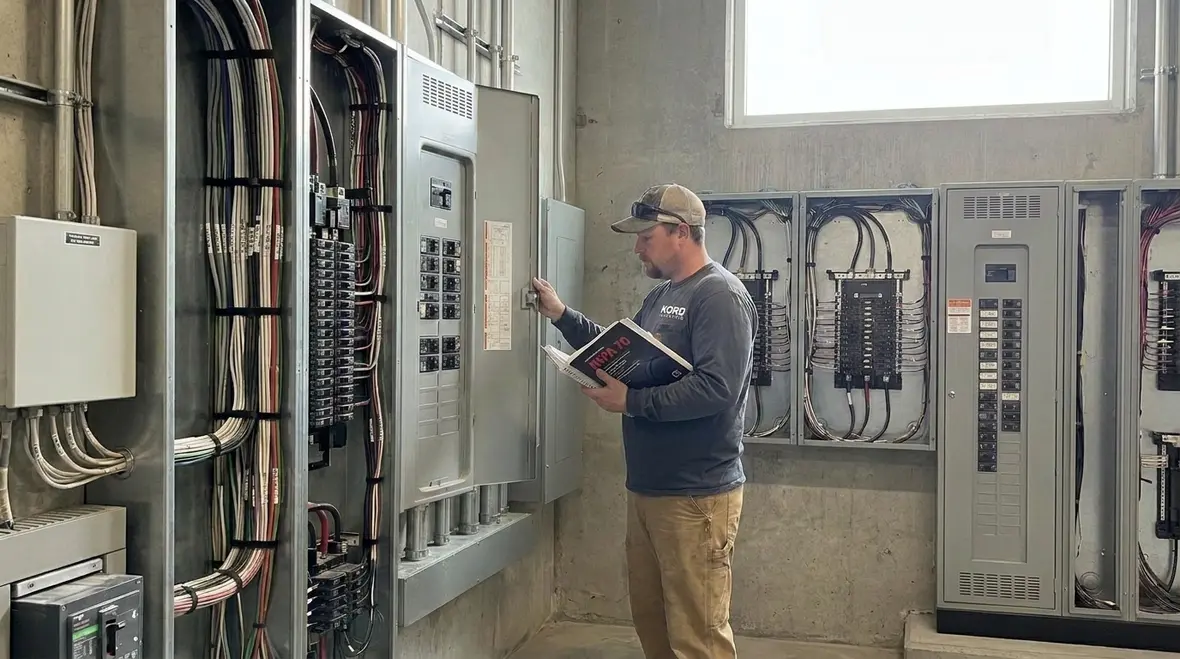
NFPA 70, also called the National Electrical Code, aims to make electrical systems safer by setting practical rules. First, it covers installation methods. Next, it addresses equipment ratings. Then it tackles wiring, grounding, bonding, and protections that reduce shock and fire risks.
For major property buildings, we treat NFPA 70 as a working document, not a trivia question. Facilities depend on reliable power, and reliability depends on correct rule use. Our team reviews the full scope, including how equipment interacts with building systems such as fire alarm interfaces, emergency power, and controls. Even when a project seems “straightforward,” the details matter, because one missed requirement can ripple into inspections, downtime, or costly rework.
We also coordinate with other site stakeholders so electrical safety aligns with fire and life safety goals. In other words, we do not install first and explain later. We explain early, then install with confidence.
When facilities teams want a deeper foundation on how the National Electrical Code shapes day to day decisions, we often point them to resources like Kord Electric’s article on Understanding NFPA 70, the National Electrical Code Explained for 2026. That explainer gives context for how individual sections, including dielectric heating rules, live inside a larger safety strategy rather than floating alone as isolated requirements.
Dielectric heating controls: how remote operation changes the safety picture
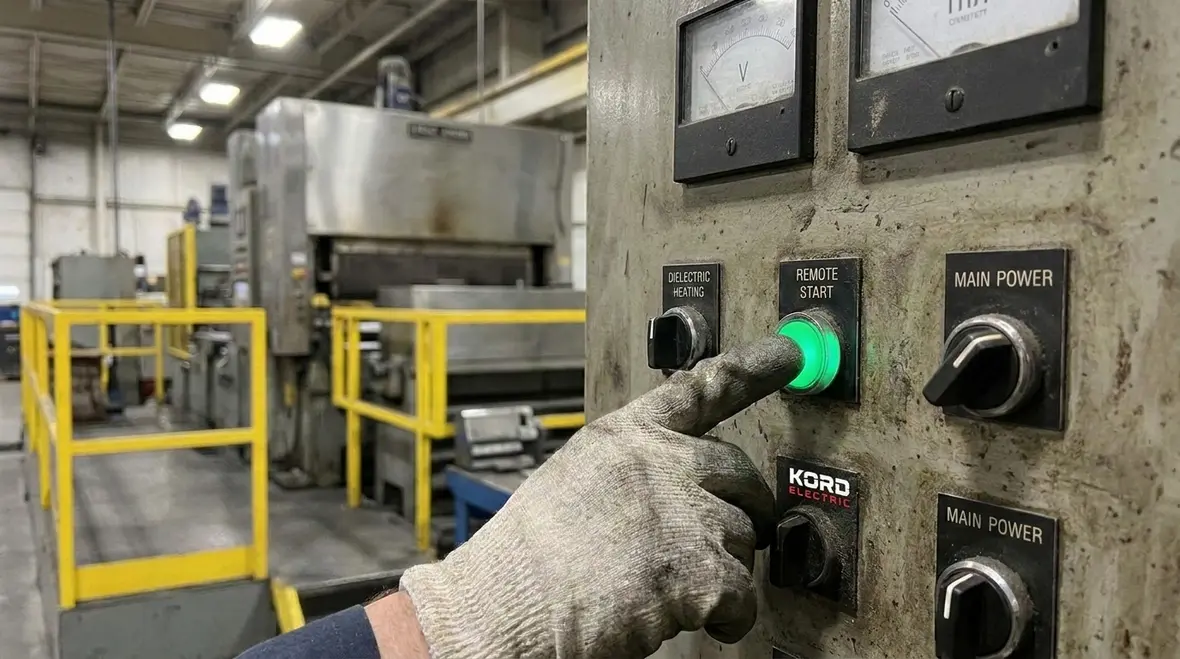
Dielectric heating uses electrical energy to create heat in certain materials, often through controlled electromagnetic effects. Because the heating process can be fast and the energy can be intense, control behavior matters. When systems use remote operation, the safety picture expands. People may start equipment from a distance, controls may respond differently under load, and shutdown paths must stay clear.
That is where NFPA 70 Section 665.7 dielectric heating remote control becomes critical. The intent is to ensure that remote control systems do not turn into “press button, hope for the best” tools. Instead, remote controls must support safe operation by enforcing correct behavior, clear operation modes, and reliable protective responses.
Our technicians approach this like a checklist, but a living one. We verify the control design, labeling, interlocks, and system testing steps. We also help clarify how remote station operation should work during normal use and abnormal conditions. Then we document the results in a way that supports future maintenance, because tomorrow’s technicians need context just as much as today’s commissioning team.
For facility teams who want to see how remote control topics connect back to overall NEC strategy, we often pair these reviews with broader code guidance from our NFPA 70 resources. That way, remote dielectric heating rules feel like part of a single story rather than a surprise side chapter.
Design and installation expectations we verify on site
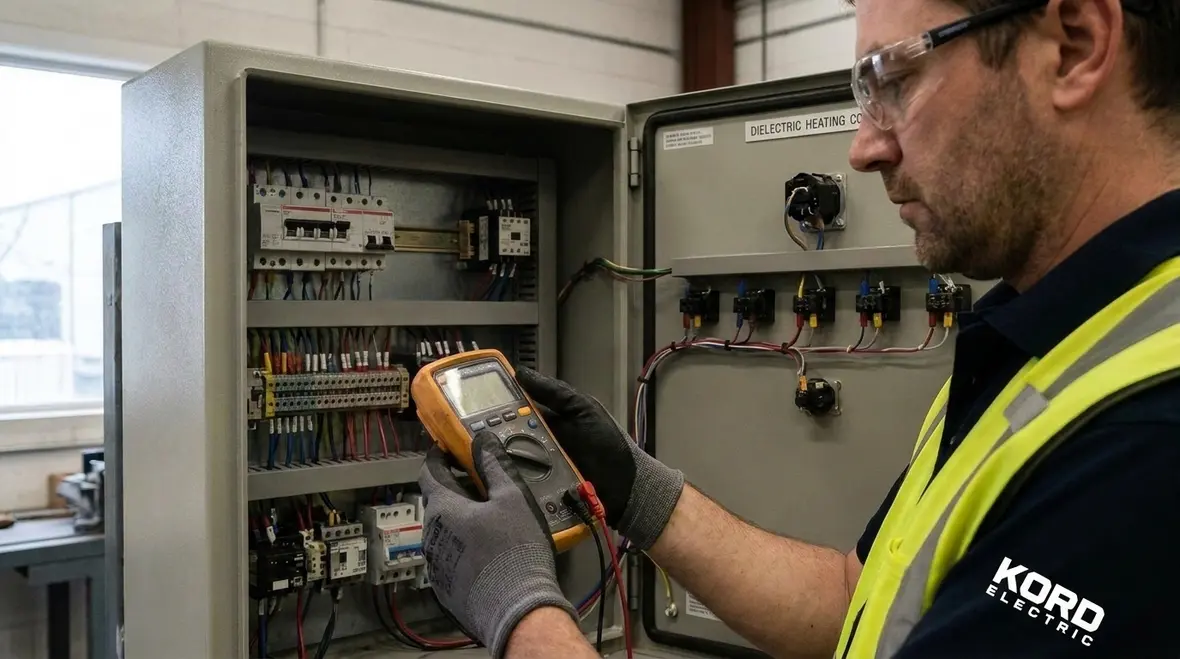
Once we understand the dielectric heating control system, we shift to practical verification. We look at how the installation supports safe operation and whether the remote control design matches the equipment’s intended use. For commercial and industrial facilities, we focus on durable methods that stand up to real use, not fragile setups that collapse under maintenance.
As part of that process, our team typically checks the following areas and explains what each one means in plain terms:
- Control station layout: We confirm remote controls are positioned and labeled so operators can identify states clearly.
- Interlocks and sequencing: We verify the control logic prevents unsafe transitions and supports orderly start up and shutdown.
- Protection and emergency response behavior: We make sure the system responds in a safe way when faults occur or when shutdown is requested.
- Wiring methods and separation: We ensure wiring supports correct signal integrity and avoids unsafe interference patterns.
- Bonding and grounding details: We confirm grounding supports protective functions and reduces unwanted voltage risks.
Also, we do not treat remote controls as an afterthought. We coordinate with integrators and electrical designers so the control system works as one complete unit. If a part does not make sense, we ask early. That is cheaper than fixing it after the inspector’s flashlight finds it.
Our approach here lines up with the broader design and upgrade work we describe in our code upgrade and modernization content. When a facility upgrades electrical infrastructure, we look at how new controls, including dielectric heating remote stations, plug into NFPA 70 expectations and long term maintenance plans instead of standing alone.
Inspection, testing, and documentation that keep projects moving
On major properties, time matters. However, rushing safety steps usually costs more time later. So we plan testing around how inspectors and facility teams need to see compliance. We also plan documentation so it supports long term operations.
Our technicians explain the testing approach as we go. That way, the facility team understands what “pass” means and what could trigger a re test. We verify control functions in the same operational context they will face during real production or facility service.
When we test remote dielectric heating control behavior, we also confirm that the system’s feedback and state indicators stay reliable. In addition, we review how the system handles changes in conditions, including transitions between modes. Because if remote control works during ideal conditions but fails when conditions shift, then it is not really safe. It is just lucky.
We also maintain project records that include what was tested, what was observed, and how the system behaves. In commercial and industrial environments, that is the difference between smooth maintenance and chaotic troubleshooting later. We help teams avoid guesswork, because guesswork rarely respects budgets.
This documentation driven approach matches how we handle other NFPA 70 driven projects across Kord Electric’s work. Whether we are modernizing a commercial electrical system or planning emergency power backup, we use the same philosophy: clear tests, clear records, and clear explanations so inspections feel like confirmation, not a cliffhanger.
Related code areas we account for around NFPA 70 dielectric heating
NFPA 70 does not live alone. For a full safety approach, we account for how electrical rules connect with fire and life safety needs. Our partners and resources reflect that mindset, including guidance offered through NFPA 70 focused explainers and fire safety information channels such as kordfire.com and industry education sites like firepumps.org.
For a facility that uses dielectric heating equipment, we also pay attention to how controls interface with other systems. For example, we coordinate with fire alarm and emergency response expectations where applicable. While each facility has unique architecture, the theme stays the same: remote operation must not create blind spots during emergency situations.
Additionally, we consider how building scale systems support consistent protective performance. That includes how electrical distribution behaves under load, how components protect downstream equipment, and how grounding supports safe fault paths. In other words, we treat the control requirement as part of an integrated electrical network, not a standalone checkbox.
When clients ask, “Do we only follow NFPA 70 Section 665.7?” our answer is calm and direct: we follow NFPA 70, then we verify the system fits the whole safety picture. After all, code compliance is not a solo performance. It is an ensemble. For teams who want to explore the bigger code story, Kord Electric’s NFPA 70 blog resources, including their 2026 NEC explainers, help connect these dots.
How Kord Electric helps major facilities implement these controls correctly
Kord Electric serves commercial and industrial facilities and major property buildings. That focus shapes how we work. We plan around uptime, safety, and future maintenance needs. Our technicians and expert service staff bring hands on experience, and we explain requirements in a way facility teams can act on.
When a project involves remote dielectric heating controls, we start by mapping the equipment and control stations. Then we review how the system operates in normal and fault conditions. Next, we help ensure the installation supports the rules, and we verify that remote behavior matches the safety intent behind NFPA 70 Section 665.7 dielectric heating remote control.
We also support documentation and training so your operators understand what remote control should do. That reduces confusion during shift changes and prevents unsafe habits from forming. It is not just about meeting code. It is about building confidence, because a safe system should feel predictable.
On many projects, our dielectric heating work shows up alongside broader code driven services. For example, facilities in Los Angeles County often combine remote control upgrades with wider commercial and industrial electrical services for Los Angeles County facilities, so distribution changes, protection settings, and specialty equipment all move forward under one coordinated plan.
FAQ: NFPA 70 Section 665.7 dielectric heating remote control
Conclusion: get clarity before your next commissioning cycle
If your facility uses dielectric heating equipment, remote control safety deserves more than last minute patching. We at Kord Electric build compliance with a steady, practical approach for commercial and industrial sites and major property buildings. Our technicians and expert service staff help you understand what the electrical code expects, then we verify the system through testing and documentation that stands up to real operations. If you want fewer surprises and smoother inspections, contact Kord Electric now to review your dielectric heating remote control setup.
And if you are planning broader electrical upgrades or renovations, this is the right moment to align NFPA 70 Section 665.7 dielectric heating remote control requirements with your other code obligations. A coordinated project leaves you with one integrated electrical story instead of scattered upgrades that argue with each other every time the system starts up under load.
Whether you are preparing for a new commissioning cycle, expanding production, or tightening your life safety posture, Kord Electric can help you turn code language into a clear, safe, and reliable remote control strategy for dielectric heating equipment.


