
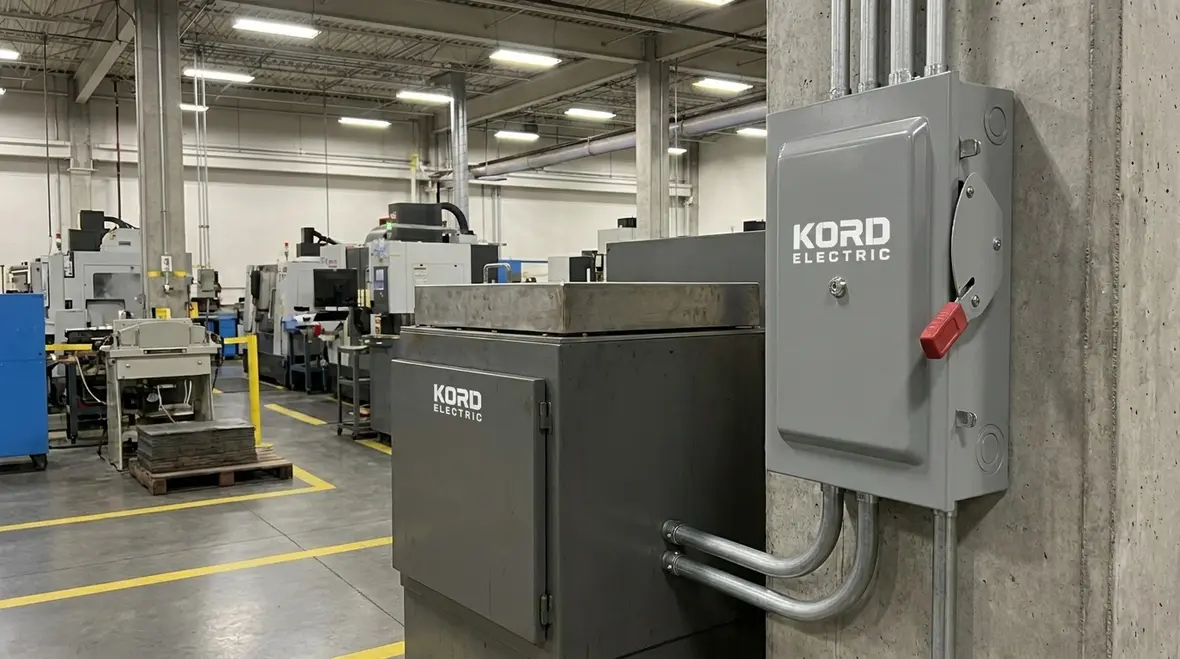
Kord Electric NFPA 70 Section 665.12 Dielectric Heating Disconnect
Kord Electric and NFPA 70 Section 665.12 dielectric heating disconnect
In commercial and industrial buildings, we handle power systems with the kind of patience that most people reserve for slow Wi Fi. That is why, early on, we focus on NFPA 70 Section 665.12 dielectric heating disconnect and the safety logic behind it. When dielectric heating equipment connects to building wiring, we expect clear rules for how it disconnects, how it gets protected, and how technicians can work without guessing. Then we build the rest of the electrical plan around that requirement, because “close enough” is not a standard. Our team explains the details in plain language, and our expert service staff walks facility managers step by step through what the code asks for and what the real world demands.
What the NEC sets out for dielectric heating systems
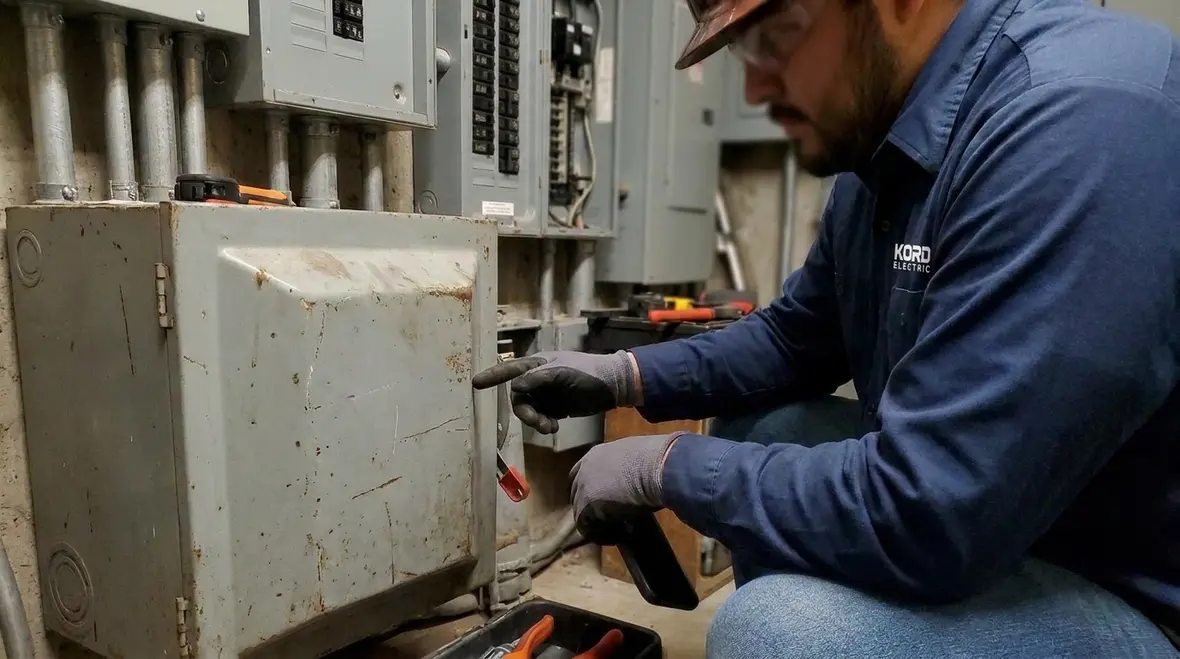
Third party audits and internal inspections often find the same theme, controls and disconnects get treated like paperwork, not like life safety equipment. However, NFPA 70 does not think that way. It spells out how electrical wiring, equipment, and protection work together. After all, dielectric heating is not a plug in toaster, it is a process with real heat, real power, and real consequences when a disconnect fails or gets misapplied.
In our experience at commercial and industrial facilities, engineers design for performance, while contractors sometimes design for speed. Then the gap shows up during commissioning. So, we help close that gap by mapping code requirements to the actual equipment layout, wiring routes, and access paths for maintenance. Our electricians and expert service staff do not just point to the standard; they show why a dielectric heating disconnect needs to be where technicians can reach it safely, and how it supports safe shutdown during troubleshooting.
For those who manage major property buildings, this becomes even more important when multiple tenants share electrical systems or when plant operations keep running while work gets scheduled.
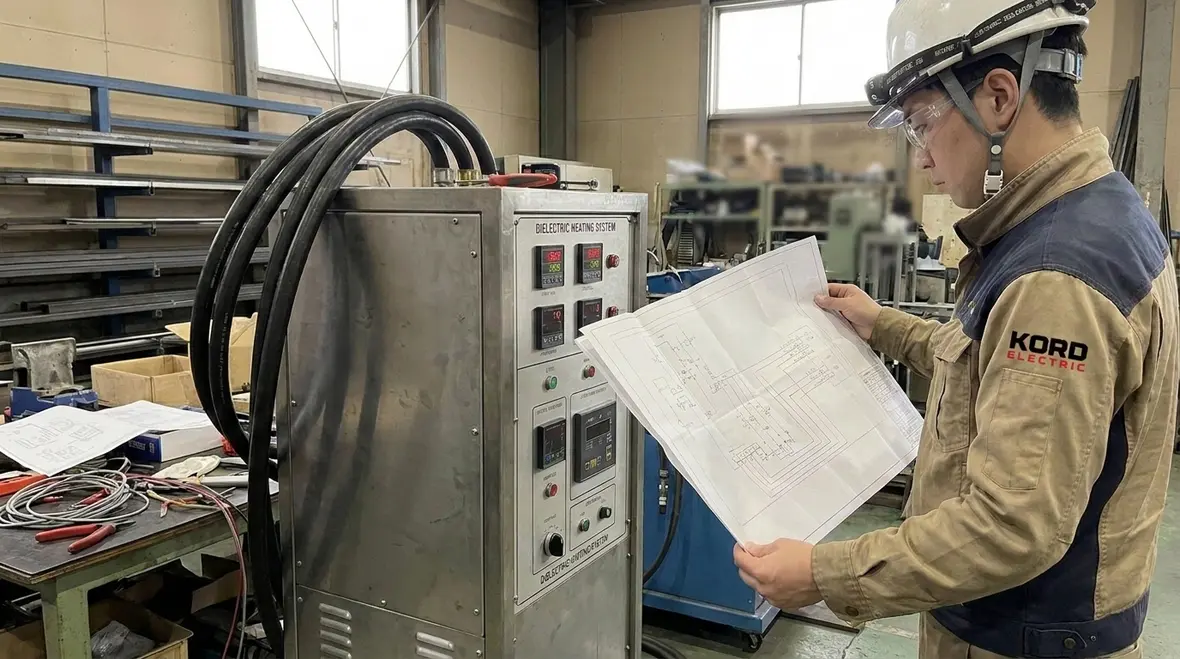
To help teams connect this topic to the broader rulebook, we often reference resources like Understanding NFPA 70: The National Electrical Code Explained for 2026, which shows how article level rules, including those around dielectric heating, fit into a consistent safety strategy for commercial and industrial facilities.
NFPA 70 Section 665.12 disconnect requirements that keep workers safe
This is the part we walk through slowly, because safety standards rarely care about our best intentions. Under NFPA 70 Section 665.12 dielectric heating disconnect, the code focuses on the disconnecting means for dielectric heating equipment. In plain terms, it requires a proper disconnect so the equipment can be shut down in a controlled way.
When we plan installations or retrofits for industrial buildings, we confirm several practical points. First, the disconnect must be suitable for the application and must work as intended. Second, it must support safe interruption of power to the dielectric heating equipment. Third, it must align with how the facility will actually operate during normal production and during fault conditions.
Next, we help our clients match the electrical design to operational realities. For example, if a facility expects rapid changeovers, the disconnect locations and labeling must support quick, safe shutdown without confusion. If a maintenance plan requires lockout and tagout, the design must support that workflow rather than fight it. And if the equipment area has high heat, we plan for access and safe working conditions, because a disconnect that becomes “technically there” but “practically unreachable” does not help anyone.
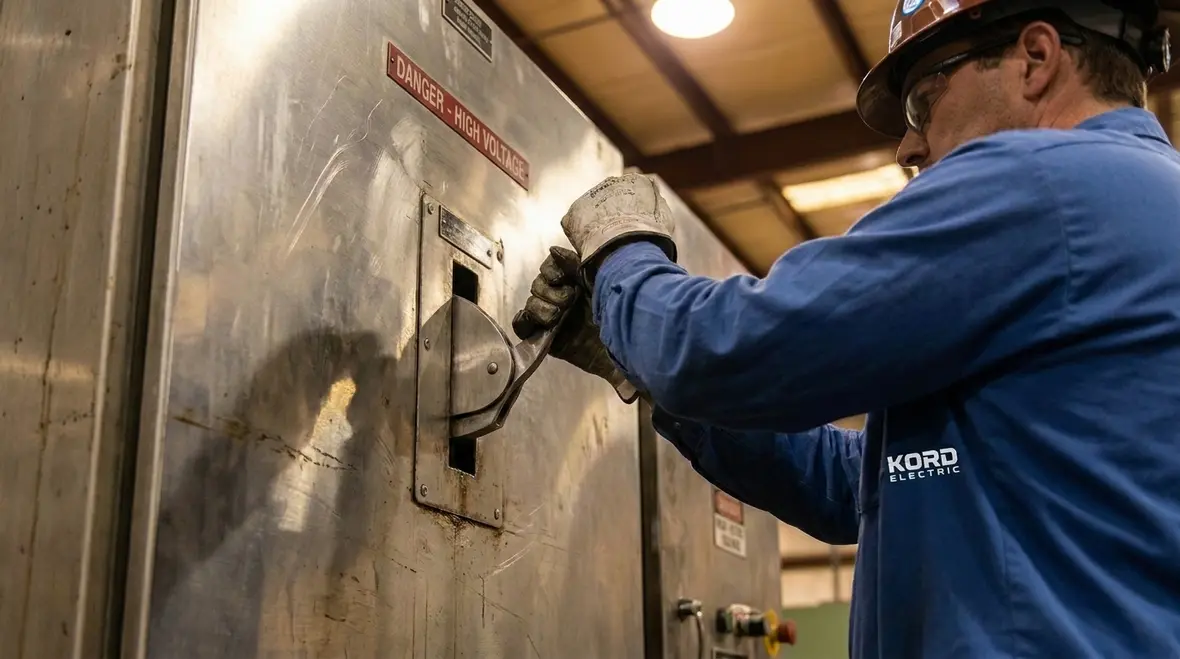
Facility leaders who want to see how similar logic plays out in other NEC topics can also review focused articles like Kord Electric’s guides on underground service conductor sizing, branch circuit protection, and lighting outlet requirements, which all trace back to the same NEC framework used for dielectric heating safety.
How our technicians verify compliance in the field
We do not treat compliance like a stamp and we do not treat inspections like a surprise exam. Instead, our expert service staff builds a verification routine that matches the job site. That routine starts with documentation, then it moves to physical checks, and finally it ends with functional testing where allowed.
Here is what we typically do during commercial and industrial projects. We verify equipment nameplate details, confirm that the disconnecting means corresponds to the dielectric heating equipment, and check that conductor routing and termination practices align with code intent. Then, we confirm that access and labeling help the people who actually need the disconnect, not just the people who write the drawing.
We also review how the facility will manage system downtime. When an industrial process must pause safely, the disconnect setup must support shutdown without forcing technicians to reroute around unsafe conditions. Meanwhile, in major property buildings, coordination matters because electrical rooms can host many subsystems at once.
And yes, sometimes we have to remove the “it worked yesterday” mindset. That is not personal. It is just physics, and physics does not care about excuses.
For facilities that are already planning broader upgrades, this verification work often ties into larger Los Angeles County electrical services projects, where disconnect design, power quality, and protection coordination all move together as part of a code aligned improvement plan.
Single line thinking: coordination with protection, labeling, and controls
After we lock in the disconnect requirement, we think one step deeper. A disconnect does not live alone. It must coordinate with protection devices, control circuits, and the overall single line design. So, we look at how the dielectric heating load connects to upstream breakers, how fault protection behaves, and how control logic ensures safe operation.
When electrical systems share spaces, especially in multi tenant commercial facilities and large property buildings, we make sure the design reduces confusion. We check labeling so the disconnect can be identified quickly. We confirm that control power and interlocks do not undermine the safe shutdown goal. Also, we evaluate how commissioning verifies that the disconnect truly stops the dielectric heating equipment.
At Kord Electric, we take a practical approach. We consider what technicians will do at 2 a.m. during a production emergency. Then we make sure the system design still holds up when everyone is focused and moving with purpose.
If you want to understand where this kind of code thinking comes from, we often reference the NFPA 70 explanations we keep across our resources at Kord Fire and Kord Electric. Those materials help facility leaders connect the written standard to real installation decisions, which saves time and reduces risk.
Industry resources and safety culture that raise the baseline
Safety culture does not start with a checklist, it starts with how leadership supports technical education. That is why we point clients to broader guidance on NEC concepts and how it applies to real equipment and real environments. You can see more related NEC and compliance information through resources from Kord Fire and Kord Fire Australia, where the team discusses NEC thinking in a way that facility managers can actually use. You can also explore training style content and fire pump and system safety education at firepumps.org, because electrical safety sits next to life safety more often than people admit.
Meanwhile, when we bring this back to the shop floor, our expert service staff emphasizes one rule: the code is not a suggestion. It is a framework. And our job is to translate that framework into safe work practices, clear documentation, and installs that stand up to the way commercial and industrial facilities really run.
We also encourage clients to plan upgrades before something forces them. Nobody wants to “repair” a system that should have been updated. That is like choosing to clean a freezer only after the ice turns into a science project.
A two column snapshot of the work we do
| What we check | Why it matters |
| Disconnect suitability and placement for dielectric heating equipment | It supports safe shutdown and reduces confusion during maintenance |
| Protection coordination with upstream devices and control circuits | It helps the system behave correctly during faults and normal operations |
| Labeling, access, and technician workflow | It ensures technicians can act quickly and safely, not guess under pressure |
| Documentation and commissioning verification | It gives owners proof and gives teams a clear operating reference |
Frequently asked questions about NEC dielectric heating disconnects
Conclusion: get your dielectric heating electrical safety reviewed
If your facility runs dielectric heating processes, we recommend a code aligned review before small issues grow into downtime. At Kord Electric, our technicians and expert service staff assess disconnecting means, coordination with protection and controls, and jobsite realities like access and labeling. Then we provide a clear path for upgrades and commissioning so operations can keep moving safely. Contact us for a focused evaluation for your commercial or industrial facility, and we will help you plan the work with confidence.
Whether you are planning a single equipment change or a broad upgrade program, aligning with NFPA 70 Section 665.12 dielectric heating disconnect requirements now will pay off later in fewer surprises, clearer procedures, and better protection for the people who rely on your system every day.


