
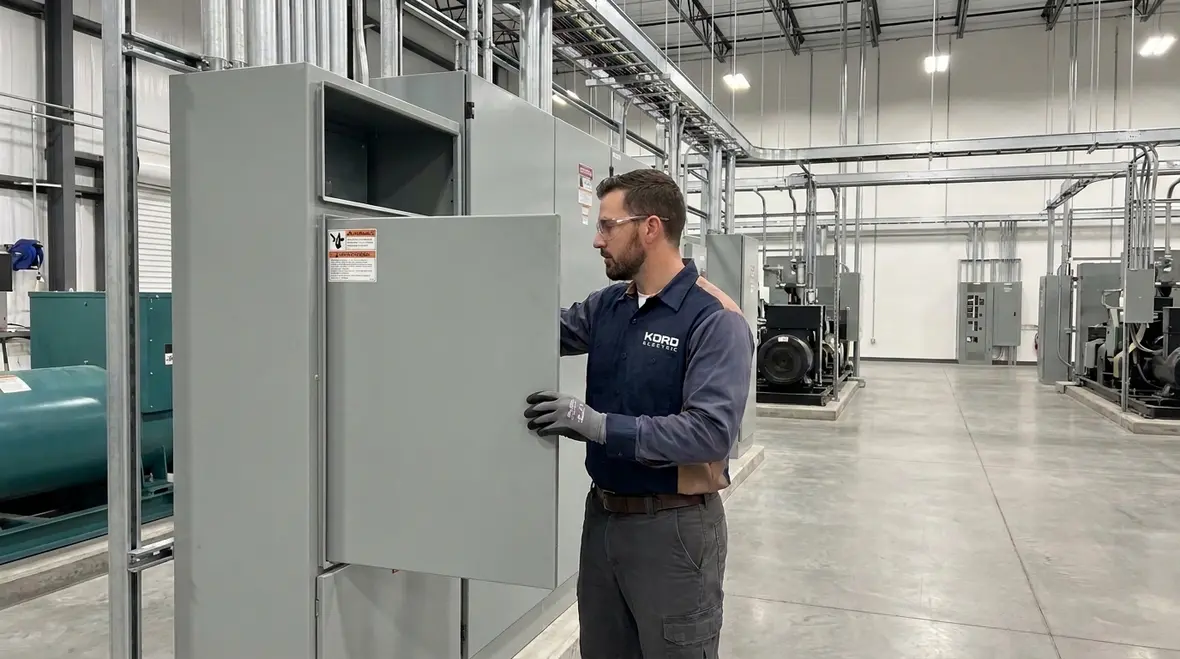
NFPA 70 Section 665.20 Dielectric Heating Enclosures
At Kord Electric, we pay attention to the details that keep commercial and industrial facilities safe, reliable, and compliant. That is why, when we talk about electrical safety for modern building systems, we start with the basics and then we go deeper. In fact, NFPA 70 Section 665.20 dielectric heating enclosures shows us how codes handle energized equipment that generates heat in special ways. We explain this calmly and clearly to facility managers, engineers, and owners, because in the real world, safety cannot be a “someday” project. It has to be a “today” plan. And yes, we also remind people that electricity is not like pop culture villains. It does not monologue before it causes trouble.
Understanding NFPA 70 in real commercial work
When others hear “NFPA 70,” they often think it is just a thick rulebook for electricians. We respect that idea, but we go further. NFPA 70, the National Electrical Code, shapes how electrical systems are installed, labeled, protected, and maintained. For commercial and industrial sites, the code helps reduce risk where equipment runs hard, people move fast, and systems support critical operations.
Our expert service staff and technicians use a practical approach. First, we identify the equipment category and the installation setting. Next, we look for how the system is used day to day, such as whether it operates continuously, cycles frequently, or connects to specialized loads. Then we map the requirements to the site reality: routing, clearances, grounding, wiring methods, and protective devices.
As we guide our clients through code details, we also connect the dots between “what the code says” and “what the building needs.” That is where many mistakes happen. People assume the code is abstract. Meanwhile, field conditions do not care about assumptions. They care about heat, moisture, vibration, and the simple truth that terminals loosen when you ignore them.
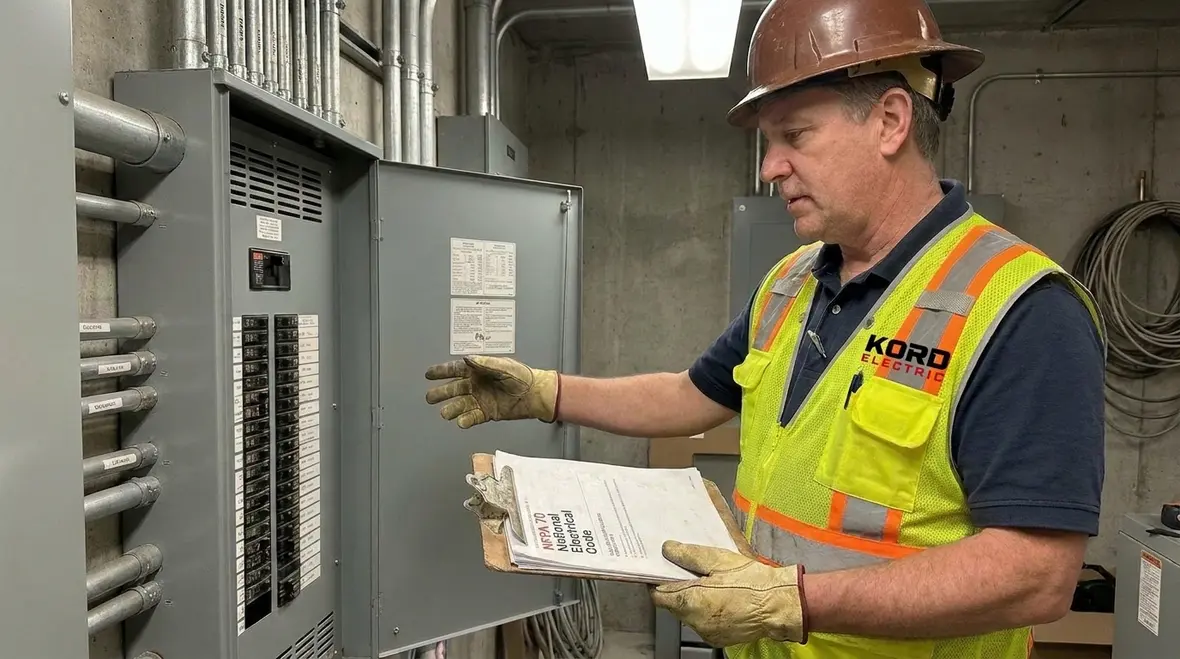
How dielectric heating enclosures keep risk under control
NFPA 70 Section 665.20 dielectric heating enclosures addresses a specific challenge: dielectric heating equipment uses an electrical field that can create heating effects inside the enclosure. This can involve high energy levels, special operating behavior, and risks tied to enclosure integrity and safe operation.
In practical terms, we treat dielectric heating enclosures as a safety barrier system. We help our clients verify that the enclosure design and installation supports safe operation and prevents exposure to energized parts. That includes how the enclosure is built, how it is installed, how access is controlled, and how the surrounding electrical system supports safe behavior.
Our technicians explain the purpose in plain language. Essentially, the enclosure is not just a box. It is part of the safety system. So, when we audit or upgrade a commercial space, we look for issues such as damaged doors or covers, poor mounting, incorrect separation from other equipment, and signs of heat stress that could affect performance over time.
In the same spirit, we support teams referencing the same concepts found in discussions of NFPA 70 compliance in other Kord Electric materials, including how modern electrical safety practices apply to equipment in real facilities. For example, resources such as “How to Read NFPA 70: National Electrical Code” and guides that walk through the 2026 code cycle help facility teams connect formal rules to what happens during real projects. We also align with industry guidance from Kord Fire and resources that cover the National Electrical Code in a way facility teams can apply, so the safety story stays consistent across channels.
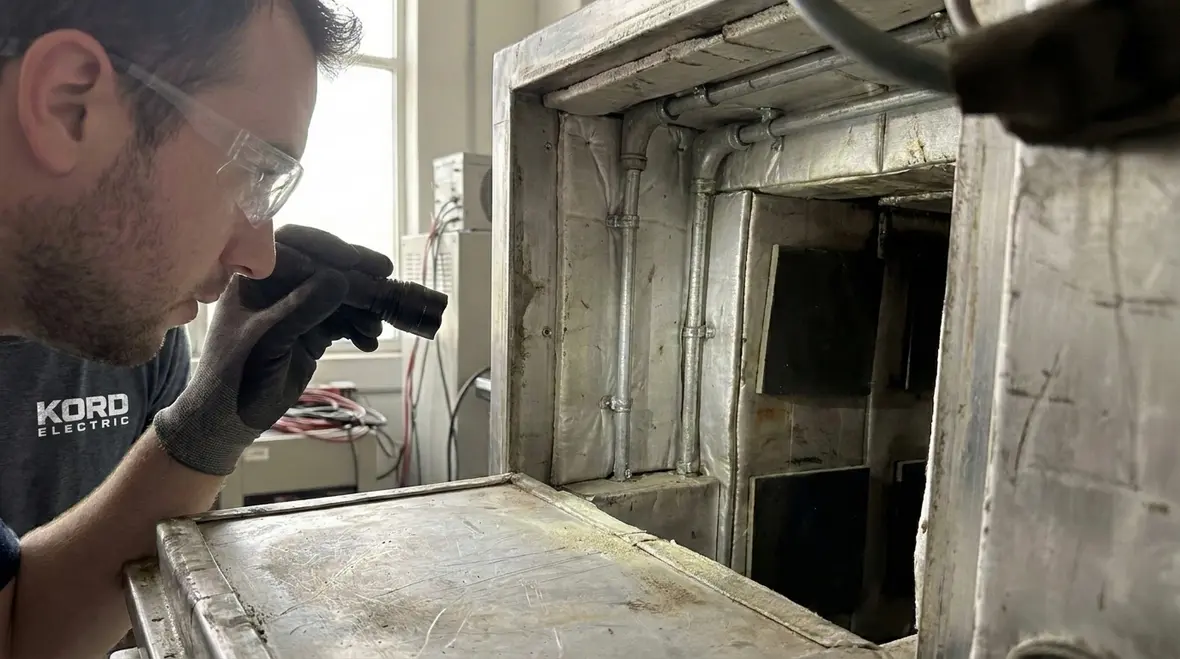
Electrical code compliance and why it affects uptime
Compliance does not exist only to satisfy inspectors. We see it as protection for uptime, labor time, and long term asset value. In commercial and industrial facilities, one electrical failure can stop production, delay shipments, and trigger expensive emergency work.
To keep systems dependable, we focus on the chain of safety. That chain starts with correct wiring methods and device selection. Then it continues with proper overcurrent protection, grounding, and control wiring. After that, it moves into installation quality: terminations, torque, support, and routing that reduces stress and heat.
Moreover, we see dielectric heating equipment as a place where the margin for error shrinks. When a process involves heating effects inside enclosures, small installation problems can create bigger operational risks later. So, when we help a facility manager, we do not only check the obvious. We also verify how the equipment interacts with the surrounding electrical environment.
If you have ever watched a TV detective solve the case in one scene, you know the trick: they look for what others overlook. We apply that same mindset to electrical work. We look for the small signs that become big problems, like inconsistent labeling, uneven thermal wear, or gaps where access does not match the code intent.
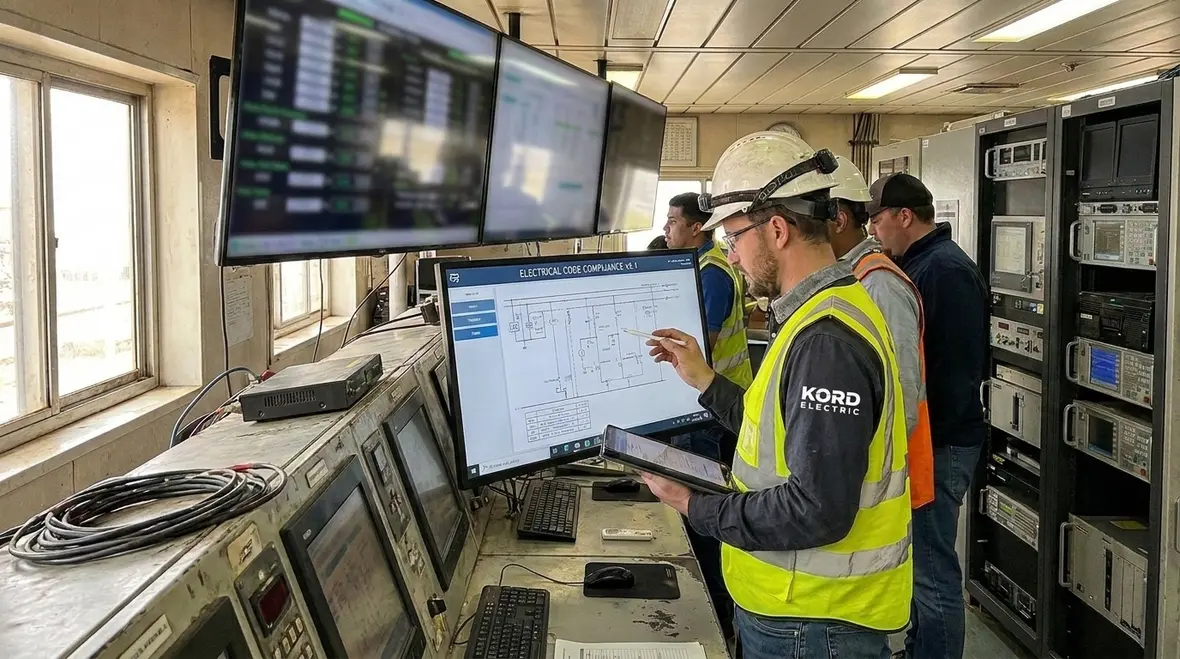
Installation details that our technicians check first
Facilities often ask us, “What do you actually verify on site?” We answer that directly, because our work happens in the real world, not in a slideshow. Our team reviews key installation details before we close the job.
Step-by-step verification we perform
- Enclosure integrity including door fit, secure mounting, and condition of protective components
- Safe access control so unauthorized exposure does not become a normal “oops” moment
- Clearances and separation around related equipment and wiring methods
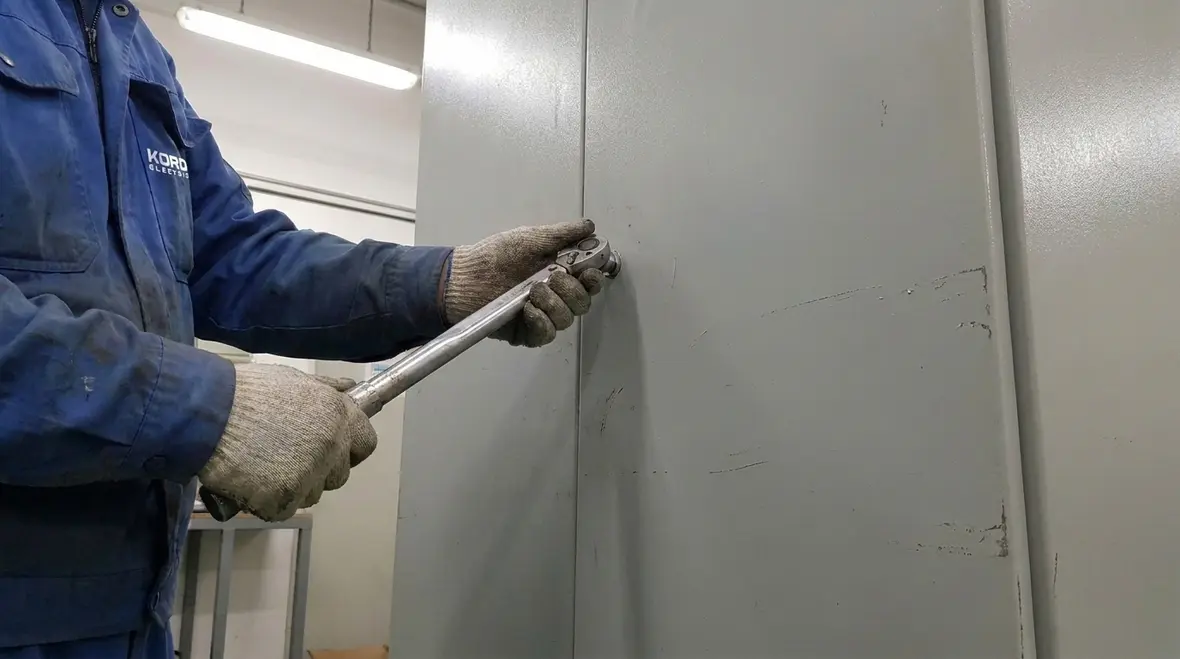
- Termination quality where good torque and correct conductor landing matter for stability
- Grounding and bonding continuity because safety pathways must remain reliable under operation
- Support and routing to reduce strain from vibration, service movement, and thermal expansion
Then we expand the scope. We look at how dielectric heating enclosures integrate with the broader electrical system. For example, we consider how the power supply is routed, how controls are wired, and how protective devices coordinate with the equipment needs. As a result, the system performs the way it should, with fewer surprises.
We also coordinate with site requirements, including production schedules and access restrictions. For major property buildings and industrial operations, downtime hurts. So, our technicians plan work windows and keep the site organized. That reduces frustration, which is the closest thing to a superpower in the field.
Using the NEC safely for industrial projects
In industrial builds, code compliance requires more than a one-time check. It takes ongoing care through commissioning, maintenance, and documented inspections. We guide clients through that lifecycle. For new construction, we help ensure the design and installation meet code intent. For existing buildings, we review changes, equipment aging, and the reality of how the facility evolved over time.
To avoid gaps, we ask the right questions early, then we document findings clearly. Our team supports engineers, electricians, and operations managers by translating code language into practical steps. We do not just point to the rules. We show how the rules connect to what the facility must do next.
For teams that use reference materials and code summaries, we encourage a method: read for intent first, then verify conditions in the field. That prevents the common mistake of treating the code as a checklist that ends at installation. In reality, risk changes as equipment cycles, environments shift, and maintenance patterns either help or harm the system.
Also, we keep a calm tone because the goal is not fear. The goal is control. Even if your facility feels like a busy set from a sci fi movie, electrical safety still follows simple logic. If the enclosure is part of the safety system, we make sure it stays functional. If the wiring method and protection must coordinate, we verify that coordination holds under real operation.
If your team wants a deeper dive into how the National Electrical Code fits together, you can connect this topic with Kord Electric’s broader NEC guides, including their explainer on Understanding NFPA 70: The National Electrical Code Explained for 2026. Those resources show how section-specific topics like NFPA 70 Section 665.20 dielectric heating enclosures sit inside a larger code framework for commercial and industrial projects.
Electrical fire safety links we coordinate with
Electrical safety and fire protection share common goals, even when teams think in separate lanes. When we work with commercial and industrial properties, we coordinate safety thinking across electrical systems and fire risk considerations. That includes understanding how electrical equipment behavior can influence fire risk, how protection systems are maintained, and how procedures support safe shutdown and access.
While our core work focuses on electrical systems, we align our approach with broader safety education and guidance available from partners and industry resources. Kord Fire materials that discuss NFPA 70 aligned fire protection concepts, along with training from organizations that focus on fire pump reliability, reinforce how electrical and fire perspectives must work together. When these topics integrate well, facilities run safer and respond faster if something goes wrong.
And yes, this is the part where we remind people: fire is not a “later” problem. It is a system problem. So, we help clients build safety that holds up under pressure.
NFPA 70 Section 665.20 dielectric heating enclosures in summary
To bring it together, NFPA 70 Section 665.20 dielectric heating enclosures highlights how safety requirements apply to equipment that creates heating effects through dielectric operation. We use this concept to guide how we verify enclosure performance, safe access, integration with related wiring, and safe system operation across commercial and industrial sites.
In other words, we treat these enclosures as an essential part of the electrical safety design, not as a decorative feature. Our technicians explain what they find, they document it, and they recommend next steps that match the facility’s needs and downtime limits.
| What we check | Why it matters |
| Enclosure condition and secure mounting | It helps maintain the intended safety barrier |
| Access controls and protective components | It reduces exposure to energized parts |
| Clearances and integration with nearby electrical systems | It supports safe installation and stable operation |
| Termination quality and grounding continuity | It improves reliability and safety under load |
Because dielectric heating equipment often lives inside complex industrial processes, we tie these checks into a broader reliability picture. That includes coordinating with surge protection, raceway design, grounding strategies, and fire prevention practices so that one weak link does not undermine the rest of the system.
FAQ
Need a code-aligned electrical plan for your facility?
If you run a commercial or industrial property, you deserve electrical work that stays aligned with modern safety expectations and practical field conditions. At Kord Electric, our technicians and expert service staff help you verify enclosure safety, improve reliability, and reduce risk before it becomes an emergency. When you contact us, we listen first, then we create a clear plan for what to check, what to fix, and what to document for your team. Call us today and let us help you keep your facility running smoothly.
For organizations that operate across Southern California, including complex sites in Los Angeles County, our dedicated Los Angeles County electrical services bring the same safety-first mindset to commercial and industrial projects. We coordinate dielectric heating enclosure work with broader electrical upgrades, fire prevention strategies, and long-term maintenance so your entire system follows the same code-aligned logic.
Whether you are planning new dielectric heating installations, reviewing older equipment, or mapping your next round of NEC-driven upgrades, the most effective time to protect your facility is before the problem appears. We help you use NFPA 70 Section 665.20 dielectric heating enclosures as part of a practical, field-tested safety plan instead of treating it as just another line in the rulebook.


