LED Warehouse Lighting Efficiency Upgrade Guide
At Kord Electric, we focus on led warehouse lighting efficiency because it directly impacts how much energy your facility uses, how stable your light levels stay, and how comfortable your teams feel during long shifts. When we upgrade warehouse fixtures, we help others move from older, wasteful lighting to systems that waste less power and do more work. And yes, the difference is as real as it sounds, even if some people treat lighting like it is a “set it and forget it” joke. It is not. Lighting drives safety, productivity, and operating costs, so we handle upgrades with a clear plan from first site walk to final commissioning.
What does led warehouse lighting efficiency mean in practice?
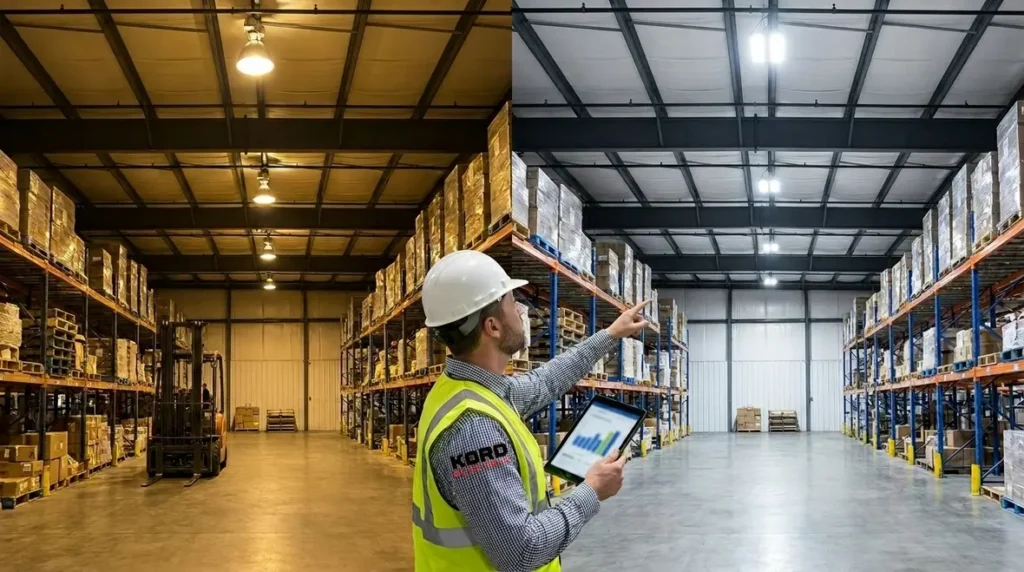
When others ask what we mean by led warehouse lighting efficiency, we explain it in terms of results, not buzzwords. In practice, it means fixtures convert more of your electricity into usable light. Therefore, you need fewer watts to deliver the same brightness on docks, aisles, and staging areas. As a result, your utility bills often drop, and your facility stays brighter with fewer dark zones.
Additionally, modern LED systems usually keep output steadier over time. Older lighting can dim as it ages, and then the “same fixture” produces less light than it used to. However, led warehouse lighting efficiency focuses on how well the system maintains performance while reducing energy draw. That matters when forklifts move fast, picking happens quickly, and you cannot afford glare or shadowy corners.
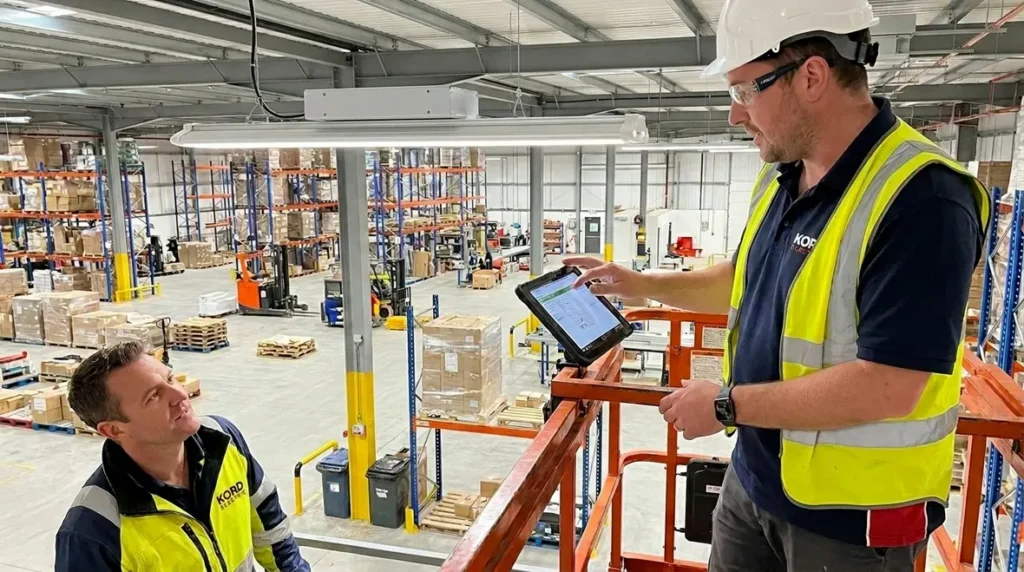
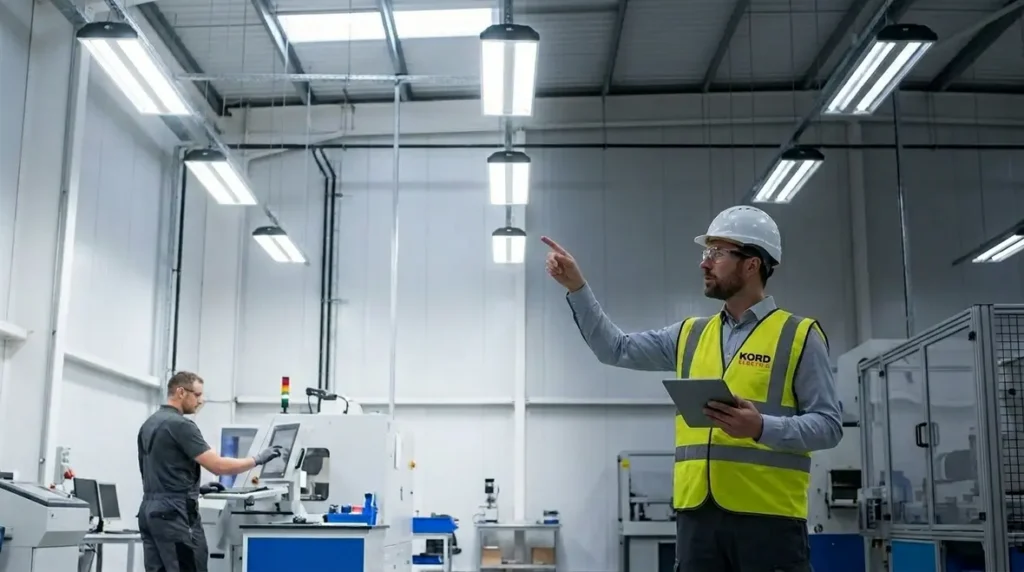
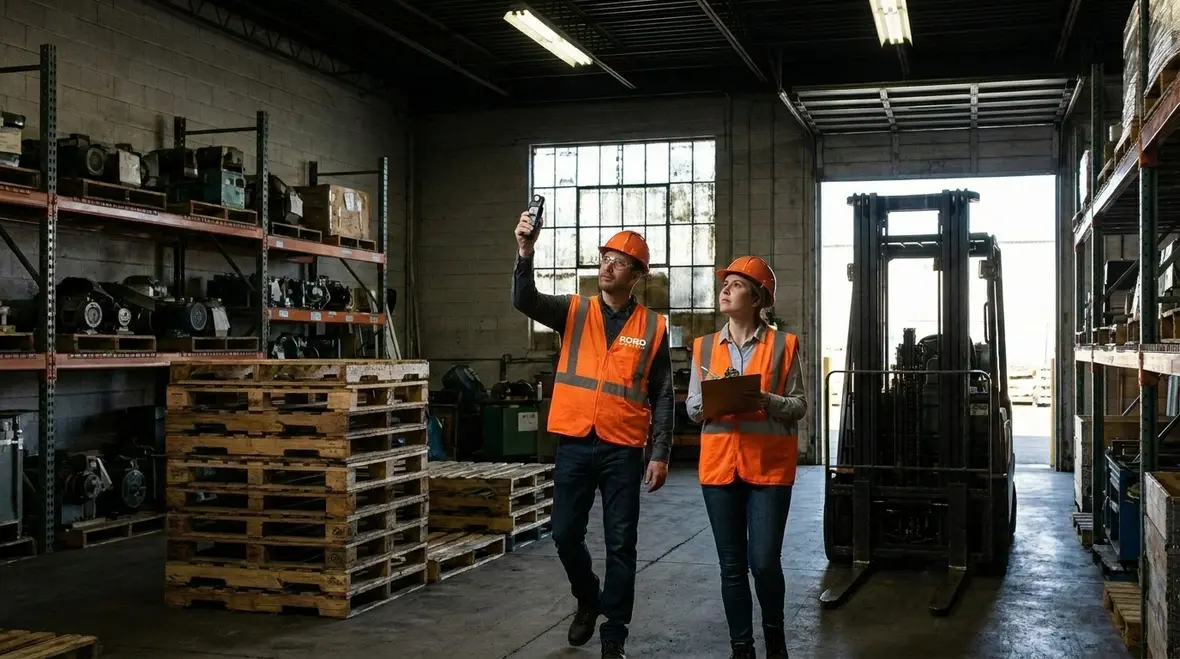
Our technicians walk through the space, observe where light levels struggle, and explain what they see. Then we translate it into upgrades that fit your layout, ceiling height, and operating schedule. If someone ever tells you “all LEDs are the same,” our team politely smiles and shows them why the details matter.
How we audit a warehouse lighting system before upgrading
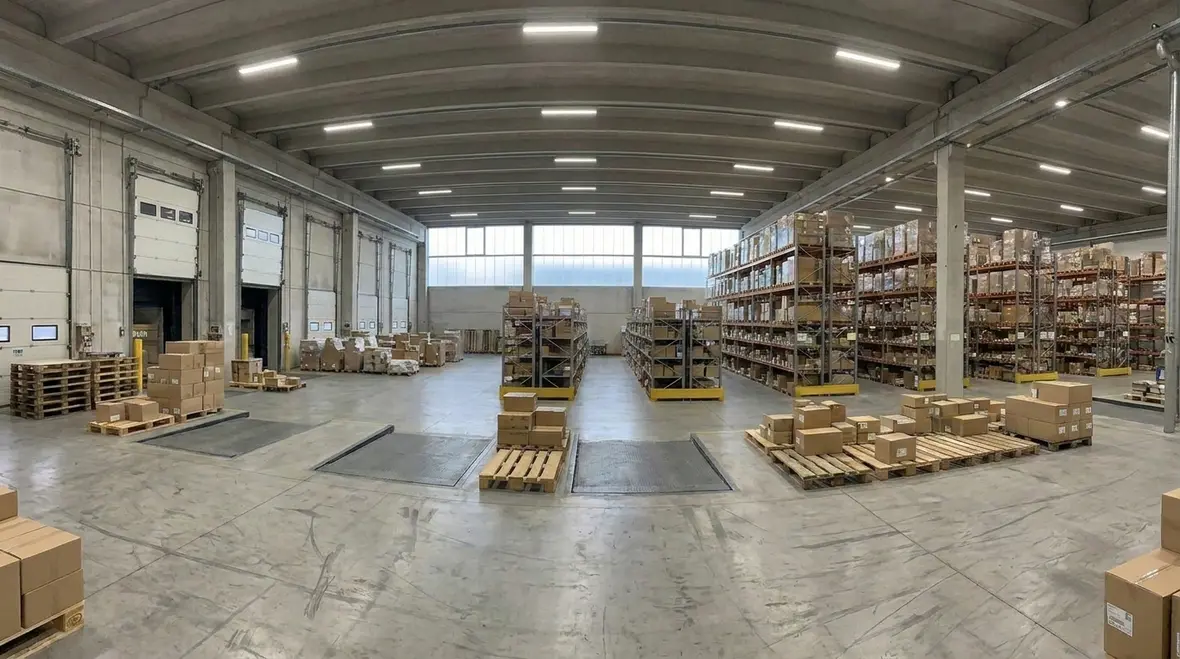
We start with an audit that is practical and focused on commercial and industrial buildings. First, our expert service staff looks at your current fixtures, reflectance surfaces, mounting height, and beam angles. Next, we evaluate controls, because lighting efficiency is not only about the lamp. It is also about when the lights turn on, how they dim, and how they respond to real work patterns.
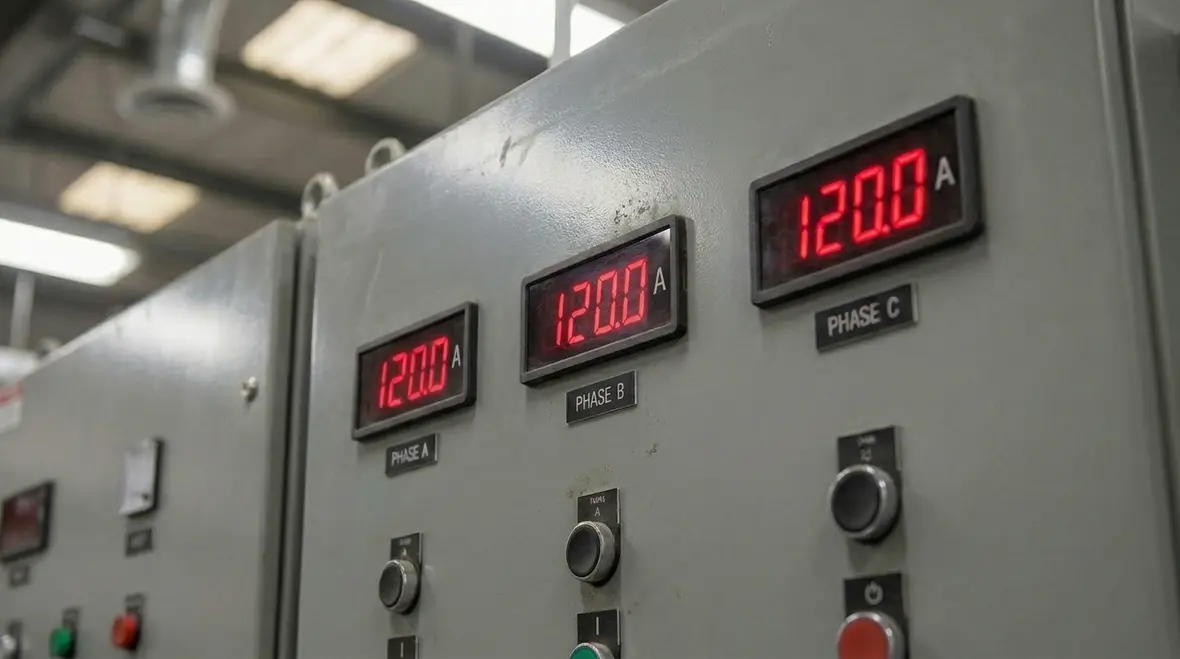
Then we measure key areas such as loading bays, high rack aisles, packaging zones, and entry walkways. After that, we review your electrical capacity and any panel constraints so the upgrade does not cause surprises later. In addition, we check for maintenance history, since easy replacement and durable designs often protect the savings you earn.
We also talk with facility managers and supervisors. That part matters. If a dock area is used at night, or if an aisle sees irregular activity, we design for those rhythms. In short, we build a lighting plan around how the building actually behaves, not how a spreadsheet predicts it should behave.
For facilities planning broader reliability work alongside a lighting upgrade, pairing your LED project with structured electrical preventive maintenance can strengthen your entire power and lighting strategy over time.
Upgrade choices that boost performance and lower costs
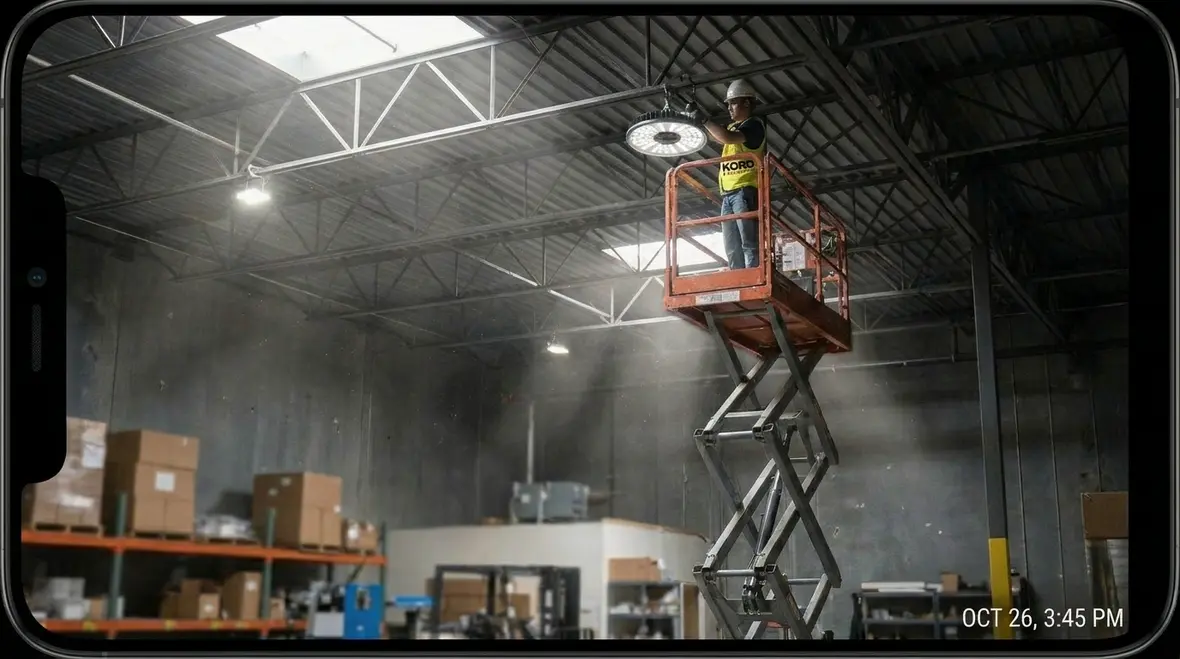
Once the audit finishes, our team recommends lighting upgrades that raise performance while improving led warehouse lighting efficiency. We prioritize products and configurations that match your ceiling structure and storage height. For example, we consider distribution patterns, optics, and glare control so light reaches where people work instead of where it bounces off empty air.
We also recommend controls that help you avoid lighting “always on” areas that do not need full output. Motion sensing can work well for infrequent zones, and daylight harvesting can help when warehouses include skylights or large exterior openings. Yet we do not treat controls as one-size-fits-all. Instead, our expert service staff explains tradeoffs and sets expectations so you get reliable operation during your shift schedule.
Here is a practical point: LED efficiency is not just about power. It also includes color consistency and how well surfaces reflect light. Therefore, we select appropriate color temperature and consider how labels, signage, and material finishes show under the new system. If your team works near reflective packaging or glossy floors, we adjust to reduce hotspots and keep visibility stable.
And because we work with commercial and industrial facilities, we plan around demanding environments. Dust, vibration, and temperature swings can affect performance, so we recommend systems designed for those realities rather than “nice showroom” conditions. That is the difference between a lighting upgrade and a lighting lesson.
When your upgrade involves high-bay fixtures, advanced controls, or Title 24 considerations, coordinating with specialists who handle commercial lighting installation every day helps your project stay efficient, compliant, and on schedule.
What about controls, dimming, and smart scheduling?
Controls can transform a lighting upgrade from “energy savings” into true operating efficiency. We often see warehouses run lights longer than needed, especially during shift changes, cleaning, and maintenance. Therefore, we install control strategies that match how people move and how work cycles happen.
Dimming is a major lever. When we lower output during low-activity periods, the system uses less power while still maintaining safe visibility. Then, when motion or scheduling triggers active work, lights return to higher output. This approach typically improves led warehouse lighting efficiency because it reduces wasted light without sacrificing usability.
We also help others choose the right control layout. Some facilities need zone control by dock doors, others need control by aisle banks, and some need a combination. In addition, we set up scheduling so the building does not burn energy during nights when no one needs full brightness.
Our technicians do not just install and disappear. Instead, they explain how the system should behave and what settings to use as the facility’s workflow changes. If your operation evolves, you should not have to guess. You should be able to adjust.
Safety, visibility, and quality of light in racking aisles
People sometimes think lighting upgrades only affect the electric bill. Yet in warehouses, the main goal is safe visibility. When light levels improve, teams find items faster, navigate aisles better, and reduce the chance of errors in picking and staging. Moreover, controlled glare supports better judgment when forklifts move through busy lanes.
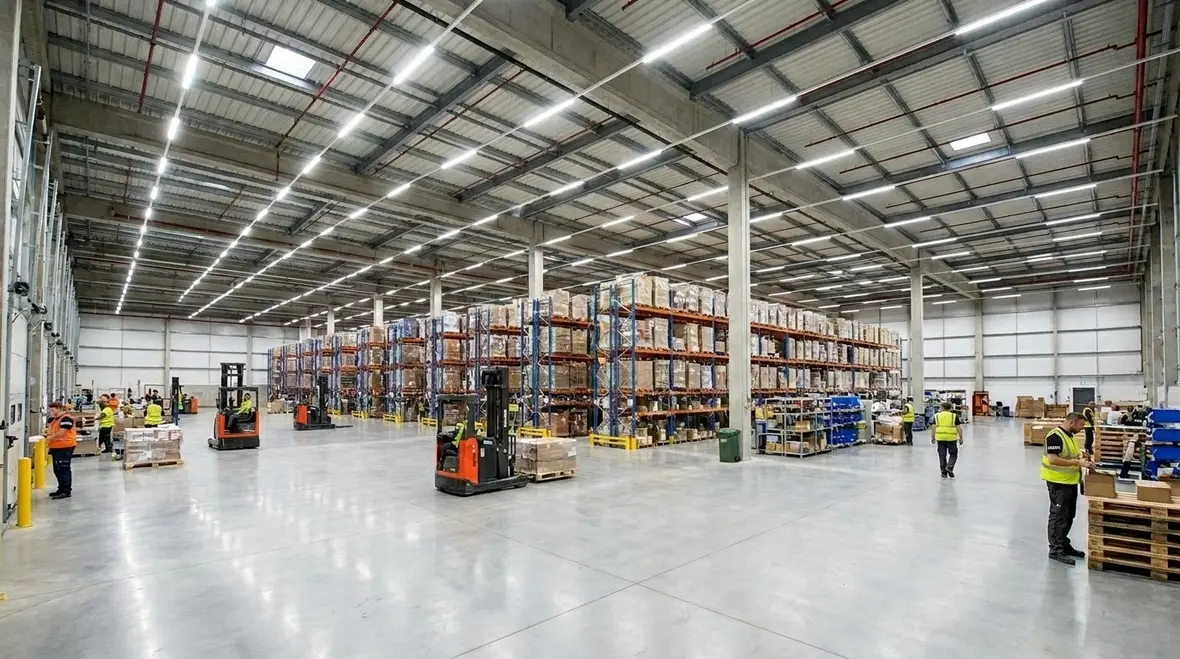
We pay special attention to lighting in high rack aisles, because shadows can hide inventory and create uneven work surfaces. Therefore, our team designs spacing and mounting to reduce dark areas and keep light consistent across the floor. Additionally, we consider how optics shape the beam so the fixtures illuminate work zones instead of lighting the storage ceiling like it is a stage at a concert.
Our expert service staff also discusses how to verify performance after installation. We help others confirm that the upgrade meets the facility’s needs for uniformity and brightness. We then ensure the system works reliably across shifts and conditions, which matters when warehouses run long hours and maintenance access is limited.
In short, led warehouse lighting efficiency should never come at the expense of visibility. We treat both as the same job.
Maintenance planning that protects savings over time
Even the best LED system needs a maintenance plan. We help commercial and industrial facilities protect long term value by setting up clear procedures for inspection, cleaning, and control checks. When fixtures get dirty, output can drop, and when controls drift, your schedules may not match reality anymore.
We recommend maintenance steps that fit the facility’s workflow. For example, we plan access routes and scheduling so work does not interrupt operations. Then we explain what to watch for, like nuisance behavior in sensors or unexpected dimming patterns. Our technicians walk through the basics with facility staff, so the team knows what is normal and what needs a call.
Additionally, we consider how replacement strategies affect downtime. If your warehouse has strict shipping deadlines, you need a plan that reduces downtime and simplifies service. Therefore, we choose approaches that support efficient repairs and minimize disruption.
We also share guidance on how to track performance. When you compare electricity usage and lighting behavior before and after the upgrade, you see whether the led warehouse lighting efficiency goal is real in your building, not just on a brochure.
Common mistakes during warehouse lighting upgrades
Many facilities lose savings because they skip planning and rush the install. Here are some mistakes we often see, and how we help others avoid them.
- Choosing fixtures without matching ceiling height can lead to poor coverage and dark aisles.
- Ignoring controls can leave lights running full output longer than needed.
- Overlooking glare can reduce comfort and slow work, especially near loading and packaging zones.
- Not checking electrical capacity can create installation delays and added costs.
- Skipping verification after installation can leave uneven light where teams need it most.
Our expert service staff helps prevent these issues by guiding the upgrade from design to commissioning. We explain the reasoning and document what gets installed and why. That way, your team understands the system rather than treating it like a mystery box, which is fun to open but not fun when a dock shift is late.
If your facility also struggles with unstable power or frequent trips as loads change, combining a lighting project with broader Los Angeles County electrical services can address both energy efficiency and overall electrical reliability in one coordinated plan.
LED Warehouse Lighting Upgrade FAQ
Is an upgrade worth it for a large facility?
If your facility covers many aisles, multiple dock zones, or long operating hours, an upgrade usually makes sense. You gain energy savings, steadier light levels, and safer visibility, all while reducing the hassle of frequent maintenance. We work with commercial and industrial buildings and major property structures, so we understand how to plan for scale, schedules, and real operational constraints. When others treat lighting like “background work,” the building starts paying the cost. When we design it right, your facility performs like it should.
For factories and logistics centers that run around the clock, it is often even more valuable to align a lighting project with broader reliability planning. Coordinating LED upgrades with services such as voltage fluctuation correction and preventive maintenance helps your power quality, lighting quality, and safety all move forward at the same time.
Ready for a lighting upgrade that actually works?
Let us help you maximize results with a plan built for your commercial and industrial facility. Kord Electric sends technicians to audit the space, explain the options clearly, and install upgrades that improve led warehouse lighting efficiency through smart design and dependable controls. If you want safer visibility, lower operating costs, and less maintenance stress, we are ready. Contact Kord Electric today to schedule a site visit and get a lighting plan your team can trust.
Whether you are focused on a single warehouse, a portfolio of buildings, or a manufacturing facility with complex schedules, our team can combine lighting upgrades with targeted service work so your electrical system supports the way you actually operate. From planned LED retrofits to responsive emergency electrical services, the goal is simple: keep your facility safe, efficient, and ready for whatever comes next.
If you are coordinating projects across the region, our dedicated Los Angeles County electrical services team understands industrial timelines, shift work, and the real-world pressure of keeping production and logistics on track during upgrades.
When you are ready to see what a modern LED warehouse lighting plan can do for your building, we are ready to walk the aisles with you and build a roadmap that fits your goals, your budget, and your schedule.