

Multi Family Electrical Code Los Angeles Guide
Multi Family Building Electrical Code Requirements Los Angeles: What Los Angeles Owners Need to Know
In Los Angeles, multi family building electrical code requirements set the baseline for safety, reliability, and inspections that do not play games. At Kord Electric, we focus on commercial and industrial facilities and major property buildings, so we take these rules seriously, not casually. Our team supports property managers, owners, and general contractors by explaining what the city and the enforcing agencies expect, and we do it in plain language that actually sticks. To be clear, the goal is not just passing inspection. It is preventing hazards like overloads, unsafe grounding, and fire risk from failing components. We also help others avoid the classic mistake of “install first, understand later,” because that is how timelines get longer and budgets get lighter.
How Los Angeles Applies Electrical Rules to Multi Unit Structures
Los Angeles does not treat multi unit electrical work like a one size fits all job. Instead, local requirements tie into wider electrical standards, and then the enforcing body checks the details during plan review and inspection. Therefore, when our technicians review a site, they think about how the building will operate over time, not just how it looks in photos. For example, we evaluate how electrical rooms are maintained, how panels are labeled, and how conductors are protected. Additionally, we confirm that the design supports lawful loads for common areas, tenant circuits where applicable, and building systems.
And because the field always has surprises, we remind stakeholders that field changes need documentation. Yes, we have seen “just a small swap” turn into a rework situation that makes everyone look at the calendar like it owes them money.

Branch Circuits, Panelboards, and Load Planning That Holds Up
Electrical code expectations for multi unit buildings start with how the system distributes power. Our expert service staff looks at branch circuits and panelboards with a practical lens. They verify that circuit separation supports safety and that the building layout can handle real use. In addition, we review how loads are categorized, including lighting, receptacles, and equipment circuits tied to common systems. When design teams plan for future growth, the electrical system often needs extra margin for expansion, and we advise early so later retrofits do not become the main event.
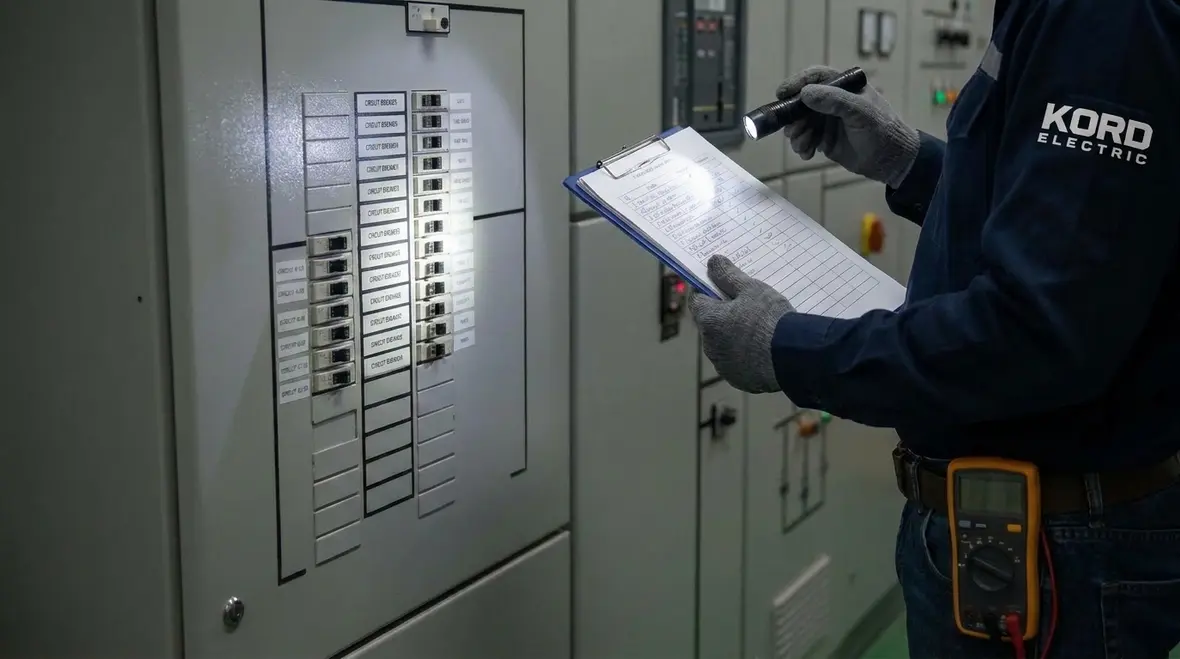
From there, we confirm panelboard requirements like proper mounting, safe access, and compliant working space. We also pay attention to how circuits are grouped so a technician or emergency responder can identify them quickly. That kind of clarity matters, because when something fails at 2 a.m., nobody wants to play a guessing game.

Grounding, Bonding, and Protective Devices for Safe Fault Behavior
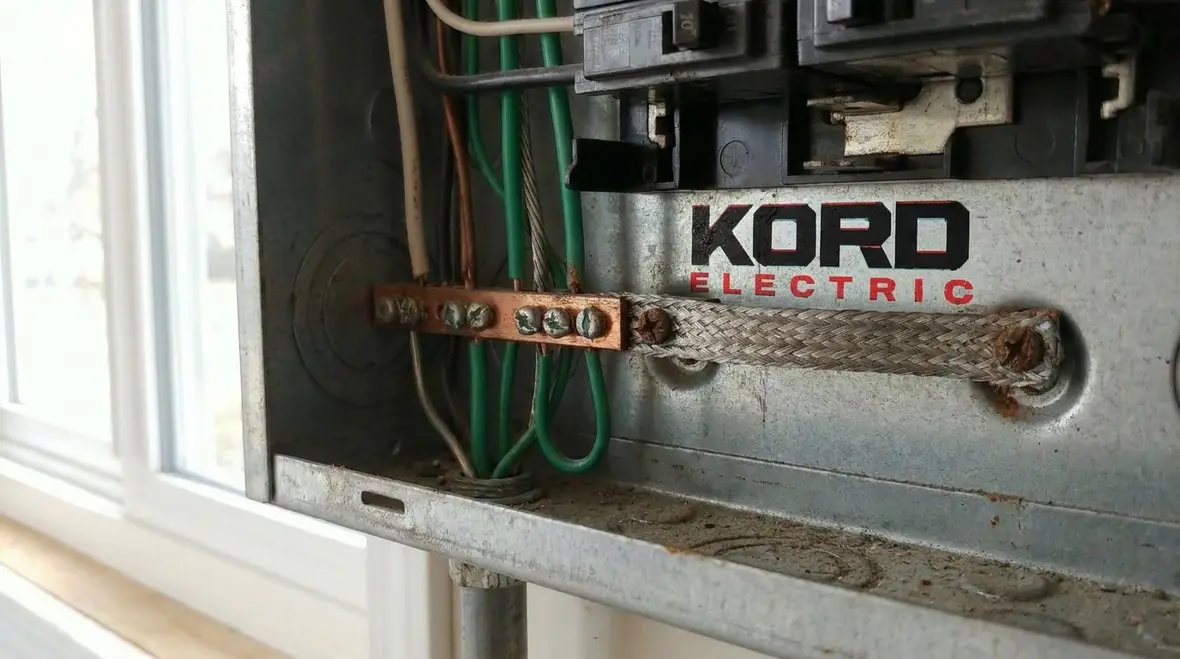
Next, multi unit safety depends on grounding, bonding, and protective device behavior during faults. If a system does not clear faults fast enough, equipment damage and fire risk rise. Therefore, our technicians check grounding paths, ensure proper bonding at key metal components, and confirm that protective devices match the conductor and load design. In practice, we verify that the system can carry current safely and that fault conditions trigger the intended protective response.
Moreover, we support owners by translating test and inspection expectations into operational terms. We explain what “correct” looks like during verification, and we also discuss what maintenance should do over time. For instance, loosening hardware, corroded terminations, or missing labels can weaken safety performance. So, we recommend practical routines that do not burden facility staff.
Fire Life Safety Basics: Emergency Power and Exit Sign Systems
Fire life safety components hold strict priorities in multi unit buildings. When our team evaluates a site, we focus on emergency power systems and life safety loads that must function when normal power fails. We also look at how equipment is protected and supported, because a life safety system cannot afford delays. In addition, we confirm that emergency circuits meet code expectations for routing, labeling, and continuity.
Even when the building already has emergency equipment, we check for correct integration with panels and transfer mechanisms. Then, we ensure the system design helps emergency operation under realistic conditions, not just during a brief test. After all, reliability beats luck every time. As the saying goes, “Hope is not a maintenance plan,” and we would like to keep it that way.
Receptacles, Lighting, and Accessibility Across Commercial Spaces
Lighting and receptacle coverage affects both safety and daily operations, so we treat it as more than a compliance checkbox. Our technicians verify that lighting controls, fixtures, and wiring methods align with the intended use of commercial and major property areas. Then we confirm that receptacle placement supports safe equipment use. Because multi unit buildings often include shared laundry rooms, lobbies, fitness areas, and maintenance spaces, the electrical distribution must support those workflows without creating overloading.
Additionally, we check for proper clearances and accessibility around electrical equipment. Facility teams should not have to “work around” hazards just to reset a breaker. Therefore, we help owners and contractors plan placement, protective covers where needed, and labeling that makes sense to the people who actually maintain the building.
And yes, we have met panels that looked like they survived a scavenger hunt. We can fix that, but we would rather prevent it from starting.
Conduit, Wiring Methods, and Working on Existing Buildings
Many major property buildings require upgrades while staying operational, and that changes the risks. Therefore, when Kord Electric supports remodels, expansions, or tenant improvements within commercial and industrial environments, we plan how wiring methods will stay safe through the job. We also coordinate with other trades so that conduits, cable routes, and penetrations do not get compromised after installation.
Our expert service staff explains wiring method choices and why they matter. For example, how the system protects cables in pathways influences durability and fault safety. In addition, we check that penetrations through rated assemblies maintain intended fire resistance. Then, we make sure labeling and documentation remain accurate, because future work depends on current information.
We also advise on how to handle existing systems that may not match modern expectations. Instead of guessing, we inspect, document, and recommend a safe path forward. That way, the building does not inherit old problems as if they were “future features.”
Inspections, Documentation, and Avoiding Costly Rework
Code compliance does not end at installation. It continues through inspections, testing, and paperwork. When we manage projects for owners and contractors, we help keep the process smooth. Our technicians understand how plan details and field conditions need to align. As a result, we reduce the chance of correction orders that create delays.
We also support clear documentation: circuit schedules, panel directories, test reports where required, and equipment identification. Moreover, we coach facility teams on what to keep and what to update after changes. Because if you do not update records, the next service call becomes detective work, and nobody enjoys being a detective after hours.
For those who read the Kord Electric blog about electrical codes in commercial buildings, our approach aligns with those principles: focus on safe design, correct installation methods, and consistent verification. You can find the supporting details through our commercial building code resource as you plan your next phase. A useful starting point is the discussion in our guide on electrical codes in commercial buildings, which pairs well with understanding multifamily electrical code requirements Los Angeles projects must meet.
Code Checklist and On-Site Education for Major Property Teams
Code Checklist
- Panel labeling, directory accuracy, and safe working space
- Grounding and bonding paths verified for fault behavior
- Emergency power and life safety circuits designed and tested
- Conductor protection, wiring methods, and rated assembly penetrations
- Branch circuit planning aligned with intended load use
- Inspection readiness through documentation and clear field matching
What Our Technicians Explain on Site
- Why each electrical decision affects safety during faults
- How emergency systems should behave under loss of power
- What maintenance prevents performance drift over time
- Where future upgrades should leave room for change
- Which details inspectors look for first
FAQ About Multi Family Electrical Code Requirements in Los Angeles
Connecting Multifamily Code Work With Los Angeles County Services
In practice, multifamily electrical code requirements Los Angeles inspectors enforce rarely exist in isolation. They tie into broader reliability, maintenance, and upgrade strategies across your property or portfolio. That is why many owners and managers pair individual projects with coordinated Los Angeles County electrical services from a single team that understands panels, feeders, emergency systems, and tenant needs under one umbrella instead of splitting responsibility among multiple vendors.
For example, if your building is planning EV charging, lighting retrofits, or critical power upgrades alongside multifamily work, consolidating those efforts through one contractor can reduce duplicated shutdowns, conflicting conduit paths, and “who owns this circuit” confusion. Kord Electric’s experience across commercial and industrial environments helps keep those moving parts aligned so your multifamily project does not collide with the next upgrade on your capital plan.
Get Kord Electric on Your Next Electrical Project
If you are planning upgrades or new electrical work for a commercial or industrial major property building, do not gamble with safety or timelines. We at Kord Electric help owners and contractors meet expectations, verify critical systems, and reduce rework through clear documentation and expert field execution. Contact us to schedule a job review and get guidance tailored to your building needs. We will explain the path forward, then we will handle the work with technicians who take compliance seriously.
Whether your project centers on multifamily electrical code requirements Los Angeles authorities enforce, or you are coordinating a broader reliability plan across several sites, our team can connect design, field work, and maintenance into one clear path. From the first walkthrough to the final inspection, we focus on practical code compliance, safe operation, and the everyday realities of keeping power steady in major property buildings.
If your portfolio extends beyond one site, you can also align this work with our wider Los Angeles County electrical services approach used in offices, factories, and critical facilities. That way, multifamily systems, commercial tenant spaces, and industrial equipment all share a consistent standard instead of a patchwork of different practices.
When you are ready to put structure behind your next phase, bring us into the planning table early. We will help you translate code language into real steps, coordinate with inspectors and other trades, and keep your project grounded in safety, clarity, and long-term reliability.


