Hotel Fire Protection Requirements Los Angeles
In Los Angeles County, hotel fire protection requirements los angeles are not just paperwork. They shape how a building protects guests, staff, and assets, and they influence what inspectors expect to see. At Kord Electric, we work with commercial and industrial facilities and major property buildings, so we plan for real world occupancy, real maintenance, and real life safety. In this article, we explain the steps hotels and building owners commonly need to take, the systems that usually get reviewed, and how our technicians guide teams through compliance. And yes, we have met enough “it passed last year” myths to last a lifetime, so we focus on what works now, not what sounded good during last season’s meeting.
Hotel fire protection requirements in Los Angeles County: what we typically see
Building teams in the county often run into the same practical issue. They know they need protection, but they do not always connect the dots between design, installation, inspection, and ongoing readiness. Therefore, hotel owners must follow the local fire code framework and the adopted standards used by the county and city authorities. At Kord Electric, we help property teams by translating code language into system actions, and our expert service staff takes the time to explain it in plain English.
Most hotels are reviewed through multiple layers of protection. This usually includes passive fire protection features, active suppression or control systems, and clear life safety operations. Consequently, the building must not only have the right equipment, it must also keep that equipment ready for use. In other words, it cannot be a “nice in the closet” situation. It must be a “ready when the bell rings” situation. Pop culture calls it plot armor. Code calls it compliance.
As a result, inspections often focus on record keeping, test schedules, correct labeling, proper water supply performance, and observable installation quality. Even small gaps, like missing signatures on documentation or valves left in improper positions, can turn into delays. Our technicians document, verify, and train so your building stays steady.
Which fire life safety systems hotels should plan around
Hotels rely on several system categories that work together. To keep things calm and clear, we break them into functional groups. First, detection and alarm systems alert occupants and notify the right response channels. Next, notification devices guide people to safety and support coordinated evacuation. Then, suppression systems help control or stop fire growth based on the building’s risk profile.
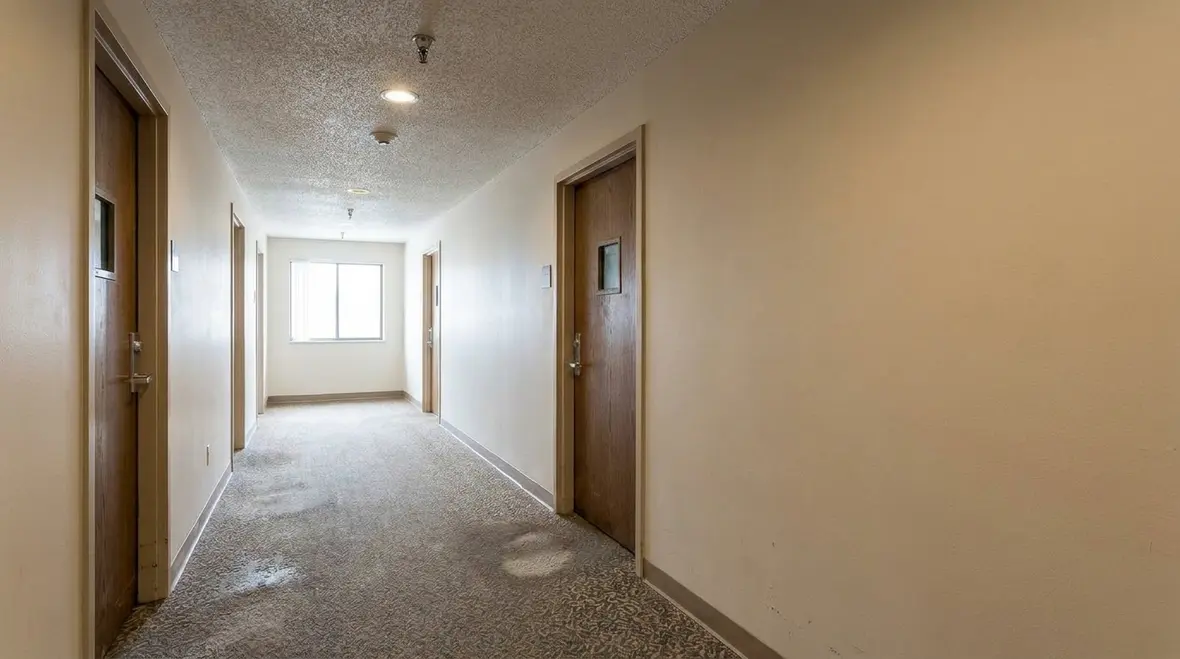
Because hotel buildings have sleeping areas, corridors, and shared amenities, the protection plan must address how occupants move, where smoke travels, and how quickly alarms reach rooms and common spaces. Therefore, teams typically plan around features like smoke detection coverage, manual pull stations, alarm audibility levels, and panel programming aligned with the building layout.
Additionally, sprinkler systems and other suppression methods require correct design and ongoing testing. We regularly help major property buildings verify that system components operate as intended, and our expert service staff explains test outcomes so the property team can act fast. When people understand what a technician saw and why it matters, decisions become simpler, and maintenance becomes proactive.
We also encourage teams to think about power and backup operation. Since devices depend on electrical reliability, any power related issue can undercut the entire chain of safety. Our focus stays on commercial and industrial standards, so the systems you depend on keep their integrity over time.
If you want a deeper look at how hotel fire protection systems come together across Southern California properties, you can also review how Kord Fire supports resorts and hotels through their dedicated fire protection services at Kord Fire Protection.
Alarm, monitoring, and evacuation: the part that inspectors remember
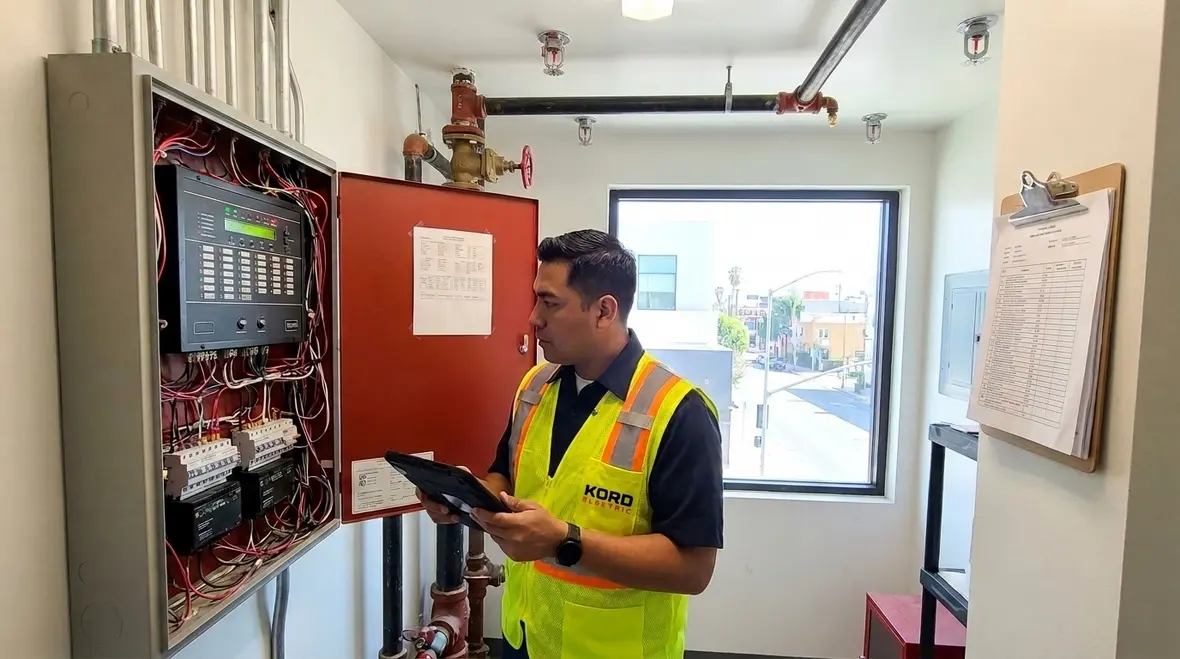
Even when the hardware is installed, inspection outcomes often hinge on how the building handles alarm conditions. This is where many teams slow down, because they assume “the panel lights up” equals “we are ready.” However, authorities typically want evidence that notification happens correctly, the system is supervised, and the monitoring path supports required response.
At Kord Electric, we guide hotel and major property teams through the specifics. We confirm that alarm zones make sense, trouble conditions get handled properly, and devices work within expected parameters. Then we help teams align operational procedures, so staff does not treat an alarm like an unexpected guest at a corporate dinner.
Next comes evacuation support. The building must provide clear signaling and maintain consistent behavior during emergency events. While codes can vary by jurisdiction and building specifics, the general goal stays the same: occupants should receive consistent guidance, and the building should respond in a controlled way. Our technicians explain how the system communicates, and our expert service staff helps train property stakeholders on what they should verify during routine checks.
To keep momentum, we also recommend routine review of alarm records and maintenance logs. When records are clean and traceable, teams avoid long pauses during inspections. And if an issue appears, you fix it with clarity instead of guessing like you are troubleshooting a streaming service on the worst possible night.
Sprinklers, standpipes, and water supply: readiness beats promises
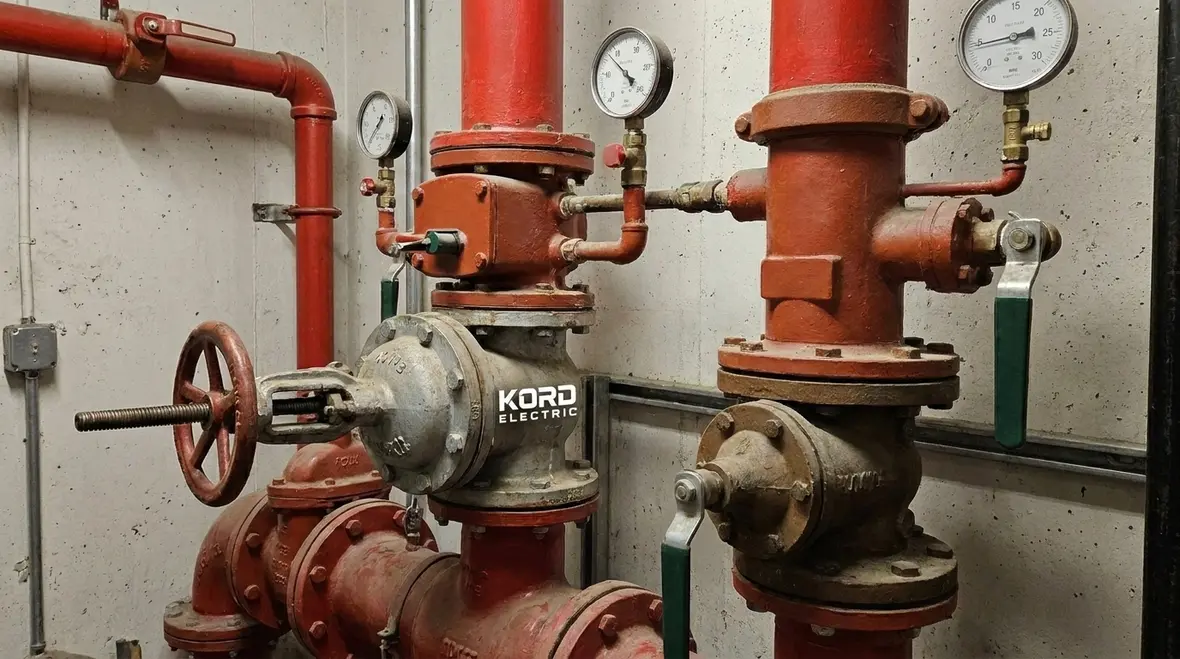
Water based suppression systems often stand at the center of hotel fire safety. Yet the real story is not only the sprinkler heads. It is the full water delivery path, the control valves, the monitoring, and the performance under required conditions. In Los Angeles County, inspectors frequently want clear evidence that systems meet established expectations and remain dependable.
Therefore, property teams must manage inspection and maintenance schedules, verify system components, and document test results. Our technicians support major property buildings with service that checks for proper operation and identifies issues before they become emergency headlines. We explain findings as we go, because confusion leads to delays, and delays create risk.
For standpipes and related connections, the story includes hose valve locations, accessibility, and correct labeling. For sprinkler systems, it includes monitoring devices, water flow performance, and proper condition of the system components. When owners understand these relationships, they can budget for maintenance like a plan instead of a panic.
Moreover, hotels often have complex renovations and tenant activity. When construction or maintenance changes piping, devices, or clearances, teams must ensure the fire protection system stays aligned. We work with property and facilities groups to coordinate service impacts and reduce downtime. In short, we help keep the building’s protection muscle strong, not stiff.
Inspection documentation, testing records, and corrective actions
Inspections can feel like a spotlight, and paperwork can feel like stage props. Still, documentation proves that the building did the work it promised. When authorities review hotel fire protection requirements los angeles expectations, they often focus on traceable records that show the system received required testing and repairs. Consequently, a building can have good equipment and still struggle if records are missing or unclear.
At Kord Electric, we emphasize consistency. We help property teams maintain clear service logs, support organized recordkeeping, and track corrective actions. Our expert service staff also explains what the records mean, so facility managers and owners do not need to decode technical reports while the clock runs.
Corrective actions deserve direct attention. If a device fails testing, the team must understand the cause, repair it correctly, and confirm the system returns to expected function. We push for follow through, because “we fixed it” without verification is a trapdoor. Nobody wants to fall through that, not even for a pop culture villain moment.
Finally, we encourage teams to review their maintenance plan as the building changes. New areas, remodeled corridors, updated electrical equipment, and occupancy shifts can all affect how systems behave. When property managers treat fire safety like an evolving operation, compliance stays easier and less stressful.
How Kord Electric’s technicians help major properties stay compliant
We operate with a clear focus: commercial and industrial facilities and major property buildings. That means we bring service thinking that fits real operations, not generic templates. Our technicians handle system work, verification steps, and service support designed to keep protection reliable. Meanwhile, our expert service staff explains the steps in a way that helps the decision makers understand cost, urgency, and outcomes.
We also coordinate with the people who manage daily building life. When staff understand the purpose of inspections and tests, they cooperate better, and results improve. Therefore, our process includes communication that is practical. We tell you what we check, what we found, and what we recommend next.
And because hotels involve ongoing business, we pay attention to scheduling and disruption. We keep service efficient and aligned with building operations. Like a good concert, the show must go on, but the system must stay ready.
If you manage a major building in Los Angeles County, we suggest treating fire protection readiness as a continuous program. When you do, compliance feels more like routine work and less like a last minute sprint. As part of that planning, many property teams also coordinate with broader Los Angeles County electrical services for commercial properties so that power, life safety, and critical systems stay aligned.
FAQ for hotel fire safety compliance in Los Angeles County
Call Kord Electric for steady fire protection readiness
Fire safety in Los Angeles County should feel controlled, not chaotic. Kord Electric supports commercial and industrial facilities and major property buildings with technicians and expert service staff who explain findings clearly and help keep systems ready. If your hotel or property team wants a practical compliance path, we can help verify system performance, organize documentation, and plan corrective actions. Contact us today to strengthen life safety readiness and reduce inspection stress before it shows up uninvited.
For hotels and hospitality properties that need focused fire protection support for sprinklers, alarms, suppression, and testing, you can also coordinate directly with the dedicated fire protection team through their commercial fire suppression and hotel fire safety services at Kord Fire’s fire suppression services. Aligning electrical reliability with fire protection readiness helps keep guests, staff, and assets protected across every stay.
If your property team is planning upgrades, expansions, or new hotel projects, bringing Kord Electric and Kord Fire into the conversation early can turn “we hope it passes” into “we know it is ready.”