
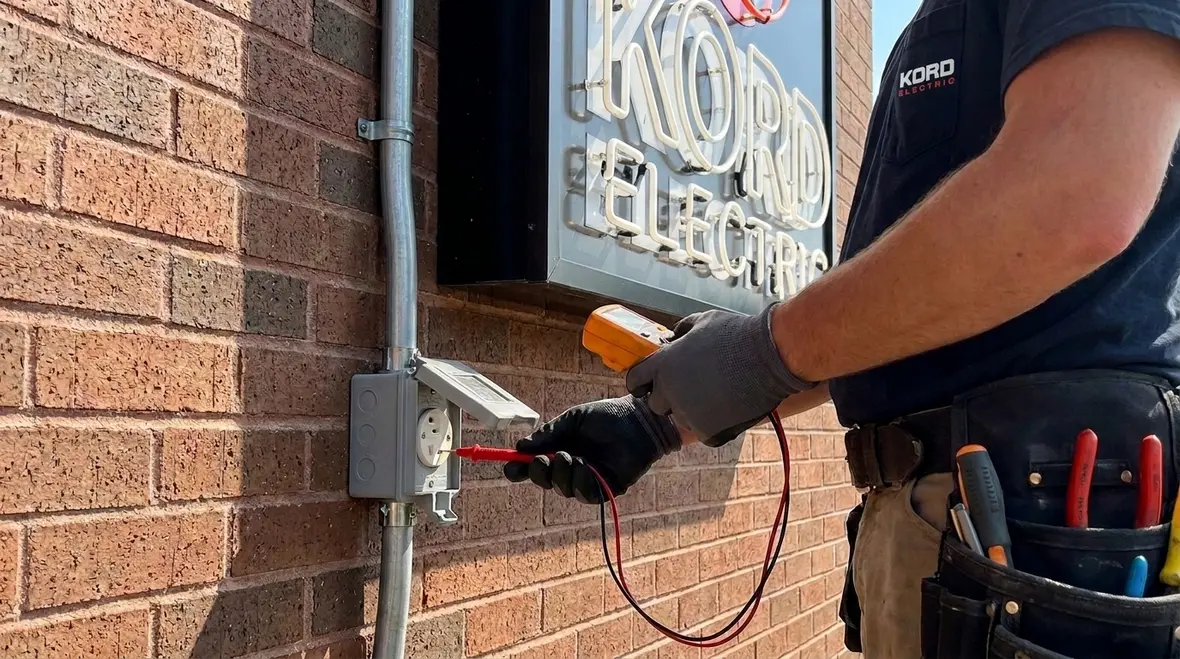
NEC 647.8 Electric Sign Receptacles for Commercial Compliance
When we inspect commercial and industrial buildings, we start with the details that protect people and keep operations steady. Early on, we focus on requirements that govern where power is allowed to connect to signage. For example, NEC Section 647.8 electric sign receptacles sets expectations for specific receptacle use tied to electric signs. In other words, if a facility relies on signage power, the electrical rules around those outlets must be handled correctly.
Now, some folks treat the National Electrical Code like it is written in a secret code by wizards. However, our team at Kord Electric makes it plain. We explain the intent, translate the wording, and help others follow the NEC for commercial and industrial systems so they do not pay for mistakes later. Yes, we do mean the kind that shows up during inspections or, worse, during a failure. Nobody wants that kind of “surprise party.”
Why NEC compliance matters for commercial power systems
In large properties, electrical systems do not just power devices. They run production lines, life safety equipment, access control, lighting, HVAC support, and communications. As a result, code compliance becomes a performance tool, not just paperwork.
To keep facilities safe, the NEC organizes rules by application and risk. Additionally, many sections coordinate with each other. For instance, a wiring method that meets one requirement still must align with installation rules, grounding practices, and equipment listing. Therefore, when our technicians design, upgrade, or troubleshoot, we follow the NEC in a system-by-system way, not as a checklist of isolated facts.
We also help our clients reduce downtime. When a site follows the NEC, contractors can plan work with fewer surprises. And that means schedules hold. Think of it like good road maintenance. The city may not notice every patch, but it sure notices when the road breaks apart.
NEC 647 and sign power: where 647.8 electric sign receptacles fit
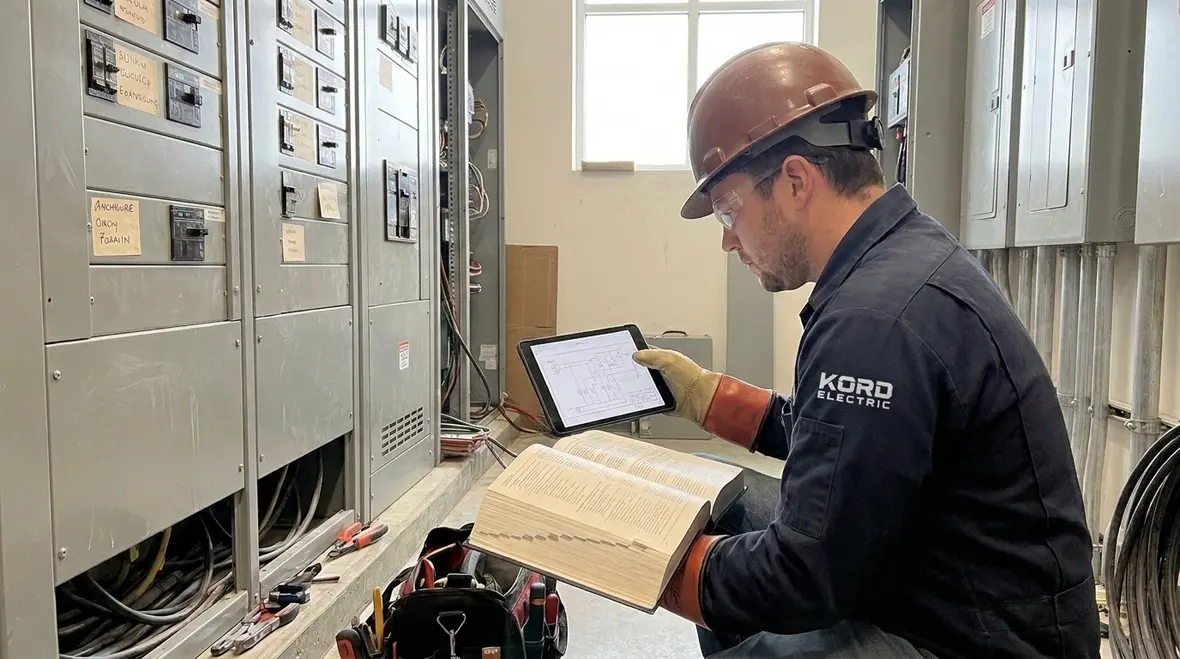
Sign power rules live in Article 600 and the area around signs in NEC practice, and the specific requirement about NEC Section 647.8 electric sign receptacles matters when a sign uses a receptacle approach. Our expert service staff explain it like this: you must provide the right type of outlet in the right way, and you must avoid setups that create loose connections or unsafe mounting conditions.
That said, not every sign installation uses the same power method. Some signs use hardwired connections, while others use receptacle-based supply. However, when an electric sign is intended to plug in, the installation must follow the NEC rules tied to the receptacle usage and location.
In the field, we often see the same pattern. A facility installs a sign, then later a new vendor swaps the display or changes the plug arrangement. Next thing we know, the original outlet setup no longer matches the NEC intent. Therefore, our technicians document the approved method during commissioning and later help property teams verify that future replacements still meet code.
That small discipline prevents the kind of “it worked last time” logic that can turn into a costly event.
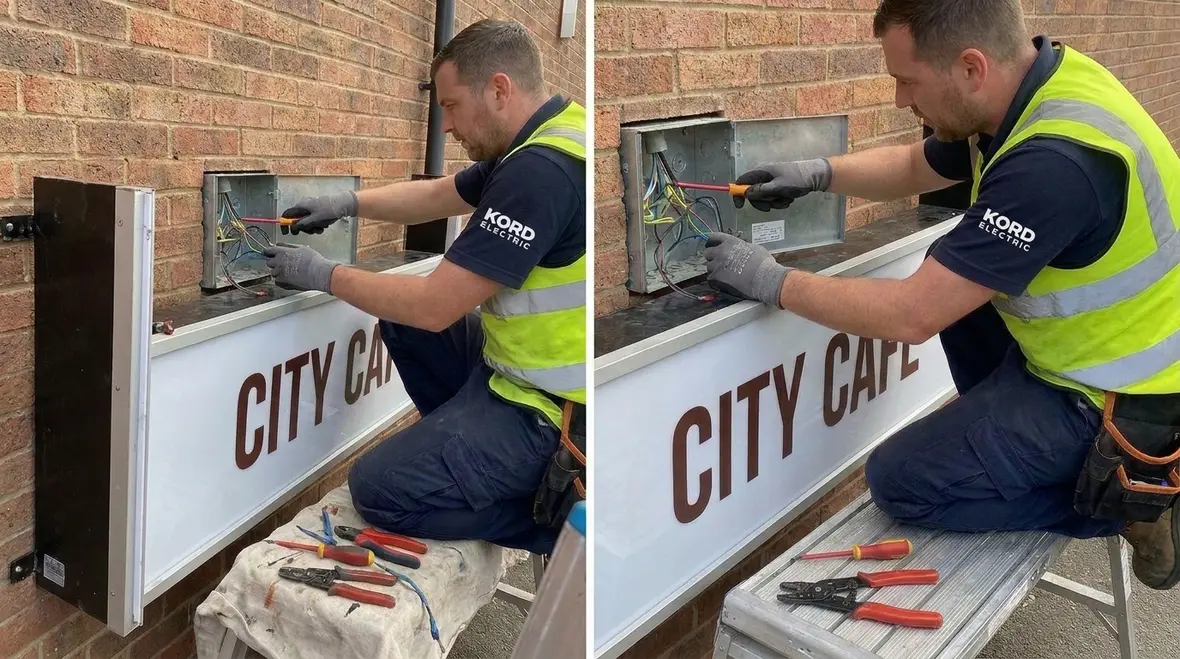
How our technicians translate NEC text into practical wiring decisions
Reading the NEC is one thing. Installing to it is another. When our technicians step onto a site, we approach the work with clear goals: protect people, maintain reliability, and meet inspection expectations for commercial and industrial buildings.
First, we gather what the facility uses now. We review the equipment list, the existing wiring methods, and any prior inspection findings. Then we confirm what the plan actually requires. Sometimes the drawings describe one method, while the existing conditions show another. In that case, we verify before we touch anything.
Next, we apply the NEC intent to the installation. For example, we ensure the receptacle and connection approach match the sign power design, and we confirm that the setup supports safe replacement and service without exposing wiring to damage.
Finally, we document the outcome for the next person in the chain. Other contractors should not need to guess what was accepted. We keep notes and support inspection readiness. In short, our team turns code language into a real-world installation that holds up over time.
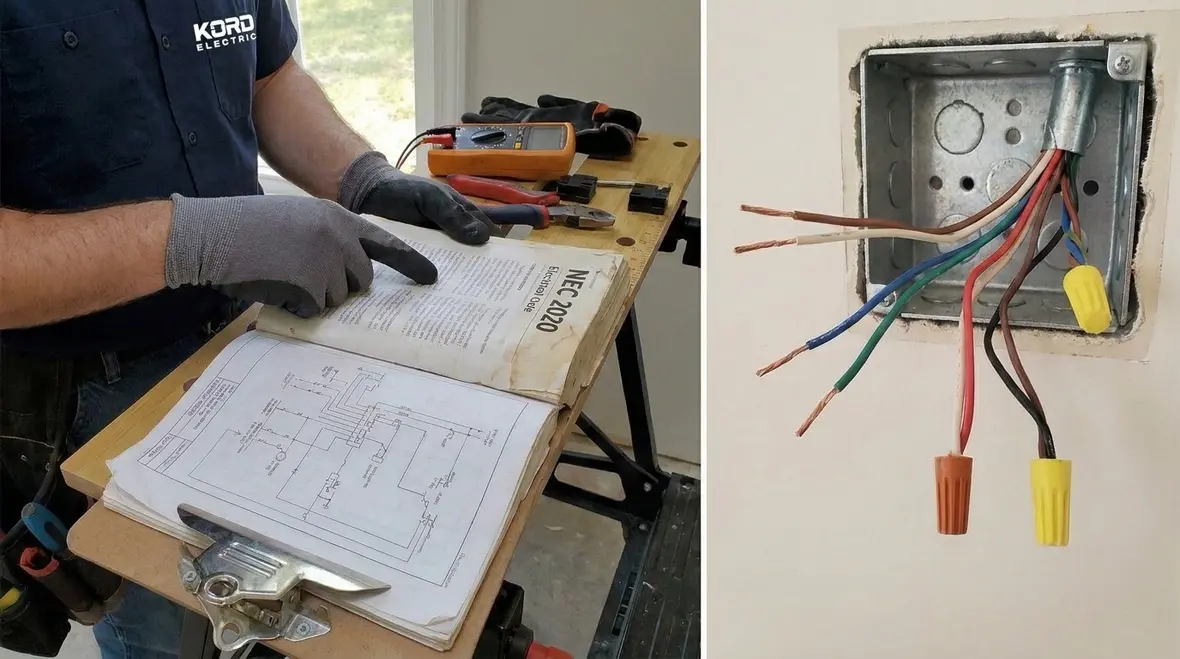
Coordination with other safety systems in major propertie buildings
Commercial and industrial facilities rarely run electrical systems in isolation. Sign power decisions interact with broader electrical design choices such as grounding, overload protection, and emergency power boundaries.
So while we focus on the sign receptacle rules, we also check what else sits on the same electrical pathways. We verify that circuit protection remains correctly sized for the loads involved, that grounding and bonding stays intact, and that any routing decisions avoid physical damage.
Moreover, many buildings also tie signage into broader building operations. For example, display systems may run during normal hours only, or they may remain active during extended operations. Therefore, we confirm control logic and switching behavior. A sign that receives power when it should not can create unexpected load profiles and confuse maintenance teams.
Meanwhile, life safety systems and fire-related equipment require strict separation by design and by code intent. Even if a sign is not directly life safety, the installation must still respect safe electrical practices that keep the site stable during emergencies. Our process respects that hierarchy, because in the real world, systems fail together if the foundation fails first.
And yes, we hear the joke from time to time: “Electrical codes are written to stop us from having fun.” We respond, calmly, that the goal is for everyone to keep having fun, especially the people who work on site. That is the punchline that matters.

Common inspection issues we see in sign receptacle installations
In our work across commercial and industrial facilities, we repeatedly see a few recurring installation mistakes. They usually do not come from bad intentions. They come from rushed work, unclear ownership between contractors, or the classic problem of “no one documented it.”
Below are issues that frequently trigger corrections during review or field verification:
- Mismatch between sign power method and outlet setup when the sign was replaced and the plug type or mounting plan changed.
- Receptacle placement that does not support safe access for maintenance and replacement without stressing wiring.
- Improper connection practices that lead to loose contact or strain on conductors.
- Inconsistent labeling and documentation so facilities cannot show which outlet feeds which sign.
- Routing damage from cables running through areas where they face abrasion or physical impact.
Then there are the procedural issues. Some sites keep “code compliance” in someone’s memory. Others rely on a folder that no one can find. As a result, when the next inspection arrives, the facility scrambles to prove what was installed. Our team helps property owners and electrical contractors avoid that scramble by creating practical documentation around the electrical scope.
Working with Kord Electric and related specialists
At Kord Electric, we focus on commercial and industrial facilities and major propertie buildings. That focus shapes how we plan our work and how we communicate with property managers and contractors. We want to help the site stay operational while we improve safety and compliance.
When a job overlaps fire and electrical coordination, we align our approach with specialists who also understand NEC and fire protection planning. For teams that need that broader perspective, resources like kordelectric.com and kordfire.com support the bigger picture, including articles on the National Electrical Code and related guidance. For example, facility leaders often review Kord Electric’s guide Understanding NFPA 70: The National Electrical Code Explained for 2026 alongside more focused topics like NEC Section 647.8 electric sign receptacles so they can see how local sign power decisions fit into the larger code framework.
In addition, fire protection organizations such as kordfire.com provide resources around fire pump reliability and suppression system performance, helping stakeholders understand how electrical reliability and fire systems connect in design and inspection thinking. When a facility views NEC requirements for sign circuits in that broader context, it becomes easier to justify careful planning, clear labeling, and documented testing instead of relying on guesswork.
However, our service stays grounded in installable steps. We do not just point to a rule. We explain it, we verify the field conditions, and we plan the work so the facility gets a safe result that stands up to commercial scrutiny. That is the standard we hold for ourselves.
What changes might show up in future NEC editions
Facility teams often ask what will change before a new cycle becomes reality. The truth is that the NEC evolves to address real installation trends, safety research, and inspection findings. When updates arrive, the impact varies by building type and system design.
We recommend that commercial and industrial owners treat code updates as an operational planning item, not a last-minute surprise. Our technicians help teams review high-impact areas first, like wiring methods, equipment protection, and sign-related power connections where receptacles and replacement practices matter.
We also keep an eye on guidance tied to upcoming code cycles. When we see updates that affect sign power installation expectations, we communicate them early so the facility can align vendor practices and maintenance routines. That keeps future upgrades smoother and prevents costly rework. Nobody wants to retrofit a sign circuit twice.
FAQ
Bottom line: get it right before the inspection arrives
If your commercial or industrial facility uses electric signs, do not rely on memory or “it worked before” logic. Our technicians at Kord Electric review the sign power setup, confirm the receptacle approach, and document the install so it meets NEC expectations. We help property teams avoid rework, protect staff, and keep operations stable.
For facilities that are planning broader upgrades, it can be helpful to pair a focused sign power review with a wider look at code requirements. Some teams start by reading Kord Electric’s article on Understanding NFPA 70: The National Electrical Code Explained for 2026, then use that context to shape project priorities so NEC Section 647.8 electric sign receptacles fit into a coordinated compliance plan instead of an isolated fix.
If your building sits in a region like Southern California, it may also be time to evaluate how every part of your electrical system supports day-to-day operations, emergency readiness, and inspection expectations. Kord Electric’s Los Angeles County electrical services team helps commercial and industrial clients align local projects with NEC requirements so signage, distribution, and critical systems all pull in the same direction instead of fighting each other.
If you want a calm, clear compliance path, contact us and schedule an electrical assessment with Kord Electric today. We will walk your site, review the sign circuits, confirm how NEC 647.8 electric sign receptacles are applied, and outline a practical, step-by-step plan that keeps your operations steady while you stay ready for the next inspection.


