
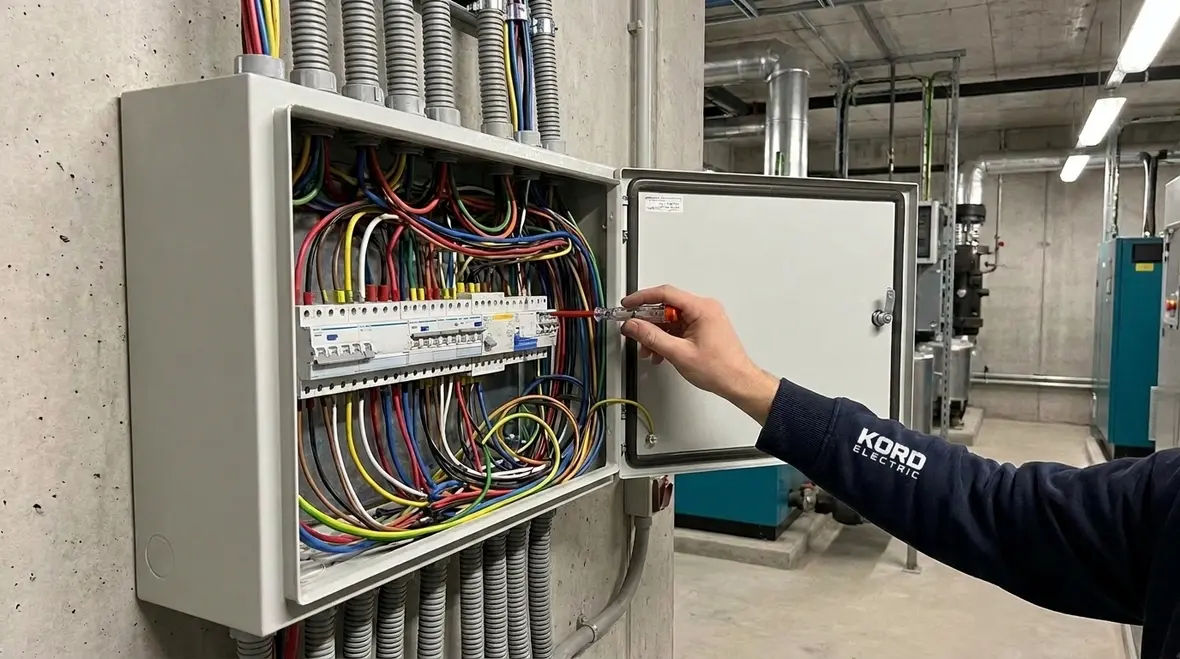
NEC Branch Circuit Not Permitted Under Section 334.12
Why the NEC Branch-Circuit Conductor Rule Matters for Commercial and Industrial Sites
At Kord Electric, we often hear the same story from building managers and electrical contractors. They say, “We followed the plan, so it should be fine.” Yet when a facility runs for years, small wiring choices can grow into big problems, and that is where the NEC branch circuit not permitted concept shows up. In the real world, that phrase is less about rules for rules’ sake and more about preventing overheating, nuisance trips, and future shutdown headaches that cost real money. In other words, we treat code like a seatbelt, not like a suggestion.
So today, our expert service staff walks you through NFPA 70 Section 334.12 and what it means for branch circuit conductor use. We explain it clearly, we make it practical, and we keep it calm. Because nobody wants an electrical issue with the drama of a bad sitcom plot twist.
What NFPA 70 Section 334.12 Says and Why It Exists
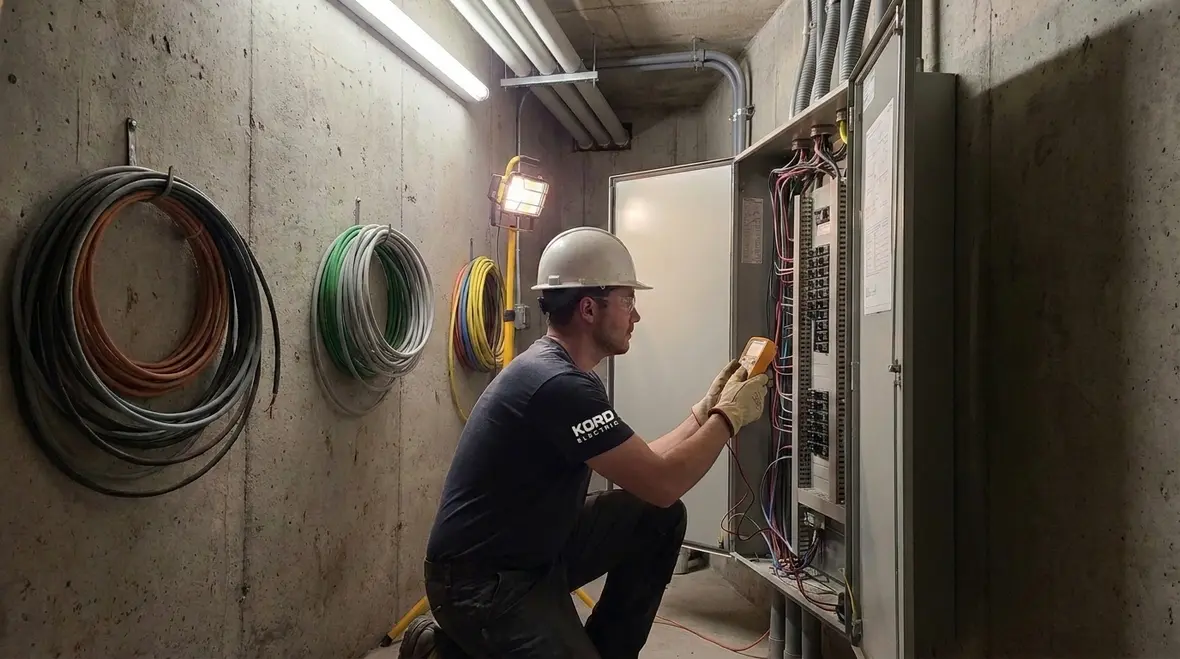
NFPA 70 is the National Electrical Code, and Section 334.12 sets boundaries for how certain cable and conductor types get used as branch circuit wiring. In simple terms, it limits scenarios where conductors that belong in specific wiring applications must not be used for branch circuits. When we say NEC branch circuit not permitted, we do not mean “maybe.” We mean “do not.” The code writers built these limits to reduce failure risks.
To understand it, it helps to picture how conductors behave. A conductor carries current, heat rises, and insulation and jacket materials respond. Therefore, the code checks not only electrical rating, but also how the cable assembly performs in the field, including installation method and terminations. When we ignore those limits, we often invite heat buildup or insulation stress. And when heat stress arrives, it rarely sends an email warning. It just shows up as a smell, a discoloration, or a fault during peak load.
Our technicians explain this in plain terms to facility teams. They point out that Section 334.12 supports predictable performance under load. Additionally, it helps inspectors verify installations are safe, consistent, and not a “special case” that later becomes a lawsuit case.
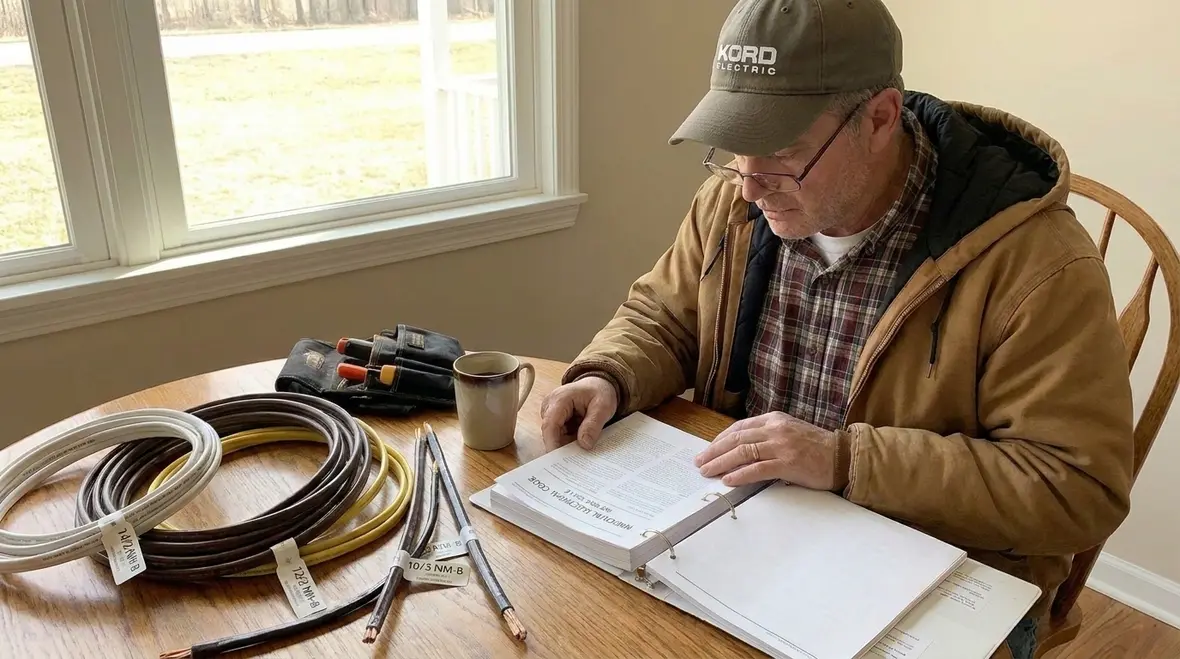
How We Interpret It in Real Installations
Commercial and industrial buildings run on schedules that never care about your downtime. So at Kord Electric, we do not treat code text like trivia. Instead, we connect Section 334.12 to actual installation decisions, from cable selection through routing and termination practices. Our approach works well for warehouses, manufacturing floors, data rooms, offices in multi tenant complexes, and major property buildings where system reliability matters.
When a project team wants to repurpose wiring for branch circuits, we slow it down. We review the cable type, jacket rating, and the exact intended circuit function. Then we check whether Section 334.12 allows that application. If it does not, we provide a clear alternative: we match the conductor type to the correct circuit use, and we update drawings where needed.
Here is a key point. The code does not exist to stop creativity. It exists to stop the kind of creativity that turns into “we’ll fix it after commissioning.” And yes, that is the same kind of optimism people bring to dieting after dinner. The body usually disagrees.
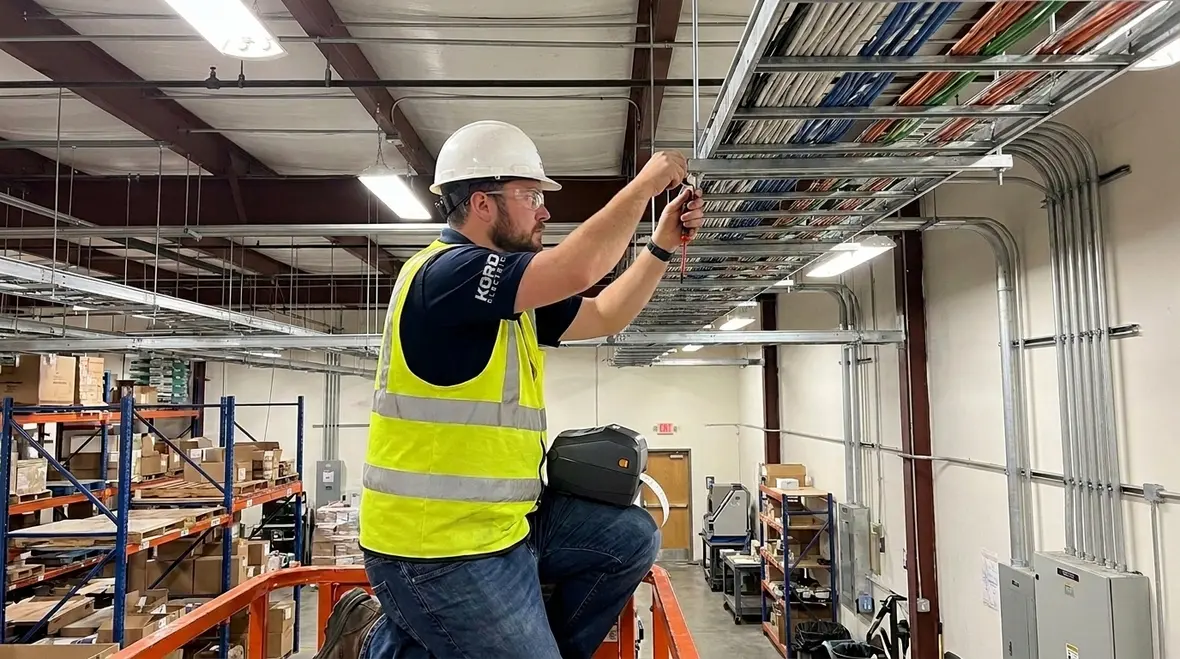
Common Mistakes We See on Commercial and Industrial Sites
Our expert service staff has seen the same pitfalls across many property types. When we catch these early, we prevent rework and reduce safety risk. When we catch them late, we still fix them, but the fix costs more, and everyone pretends they are surprised.
Some typical issues include the following:
- Repurposed cables that were installed for a different wiring method, then used as branch circuit wiring without meeting Section 334.12 limits.
- Missing documentation where the cable type and intended application do not match what the permit set shows.
- Inconsistent labeling in panels, where the circuit identification leads staff to believe the conductor use matches the design.
- Incorrect assumptions during additions, such as “this looks similar, so it must be the same.” Similar rarely means compliant.
Furthermore, even when a cable appears to work under normal conditions, the problem can surface during load spikes, seasonal changes, or aging of components. Over time, the electrical system learns new habits, and those habits can include nuisance alarms and insulation deterioration.
How Kord Electric Supports Compliance With Safe Engineering Choices
We serve commercial and industrial facilities, major property buildings, and teams that need dependable electrical performance. That means our process focuses on correctness, clarity, and documentation that holds up during inspection and long term operations.
First, our team reviews project details and compares them to NEC requirements tied to cable use. Then we coordinate with electrical contractors and facility managers so everyone shares the same definition of compliant wiring. Next, we verify installation steps that impact conductor performance, including support spacing, routing practices, and terminations.
Finally, we explain the “why” so your staff can maintain the system. Our technicians take time to walk people through the reasoning behind Section 334.12. In other words, we do not just deliver a correction. We build confidence. And confidence keeps you from paying for the same mistake again, which is the best kind of savings.
If you want a refresher on the broader NEC structure, Kord Electric and Kord Fire both cover how the National Electrical Code fits together for facilities that need clarity and dependable guidance. You can also explore general NEC context through in depth resources like Understanding NFPA 70: The National Electrical Code Explained for 2026 on the Kord Electric blog and the Kord Fire guide on NFPA 70 and the National Electrical Code for 2026. For broader fire and safety context related to electrical hazards and protection planning, teams also reference Kord Fire educational content when they coordinate fire life safety planning and system reliability.
NEC Branch Circuit Not Permitted: Practical Checklist for Facility Teams
When teams ask us what to check, we give them a short, usable list. This helps during renovations, tenant improvements, equipment add ons, and facility maintenance. And yes, we keep it short, because nobody reads a 40 page checklist on a ladder while trying to finish before lunch.
Checklist our technicians use during reviews:
- Confirm cable type and intended use against the design documents before power up.
- Verify the installation matches the approved wiring method and that the circuit function aligns with Section rules.
- Check circuit labeling in panels and junction points so field staff do not guess.
- Review any cable substitutions to ensure the substitute still meets the relevant conductors and application limitations.
- Inspect terminations for correct connections and ratings, because weak terminations can create heat even with the right cable.
- Document findings so future changes do not undo the work.
When we combine this with a careful review of the section language, the result stays predictable. It also reduces the chance that an inspector flags the installation for a specific NEC branch circuit not permitted application that could have been avoided.
FAQ: NEC Section 334.12 and Branch-Circuit Conductor Use
Conclusion: Get Code-Ready Before the Next Startup
If your facility plans upgrades, additions, or maintenance that touches wiring, we recommend you review NEC requirements tied to conductor use early, not after commissioning. At Kord Electric, our technicians and expert service staff help commercial and industrial teams choose correct conductor applications, document decisions, and reduce the risk of shutdowns and rework. You protect people, operations, and budgets. Reach out to Kord Electric to schedule a compliance review and keep your electrical system behaving like a pro, not like a surprise pop quiz.
If you operate in Southern California and want support that pairs code knowledge with field experience, you can also explore how our Los Angeles County electrical services support commercial and industrial properties that need safe, reliable, and compliant power every day.


